






Every D2C founder in India quietly carries the same number in their head — that one festive quarter that either makes the year, or quietly breaks it. Diwali, Holi and the wedding season together drive nearly 40–55% of annual GMV for most Indian D2C brands, yet the video content built for these moments is still treated as an afterthought. A rushed shoot in week one of October. A scramble for creators in mid-November. A wedding-season campaign launched 9 days before the first muhurat. It does not have to look like this.
This is a strategic playbook on festival UGC video campaigns — written for D2C brand owners, founders and marketing heads who are tired of “Reels that perform well” and want festive video content that performs commercially. It is built on what Ckstudio has learned shooting e-commerce video for D2C brands across nine festive cycles — the wins, the expensive mistakes, and the slow truths nobody posts on LinkedIn.
You will not get generic “post more Reels” advice here. You will get the planning framework, the festival-by-festival creator brief structure, the hook formulas that hold attention in the first 1.5 seconds, the production design checklist for authenticity, and the measurement model that separates UGC vanity from UGC ROI.
Key Takeaways for D2C Marketing Heads
- Lock the strategy 90–100 days out. Festival UGC is a supply-chain problem — creator outreach, shoot, edit and paid testing each need protected runways.
- Plan three asset tiers, not one. Hero (cinematic), Hub (creator UGC) and Hygiene (product-listing CGC) — each solves a different funnel layer.
- Real beats AI for festive trust. AI-generated diyas, mehendi, marigolds and fabric textures still misfire on Indian audiences and quietly tank conversion.
- Brief frameworks, not scripts. Creators convert when their voice stays native — give them the hook, the product moment and the non-negotiables.
- Measure conversion, not views. CTR, add-to-cart rate, ROAS and creator-attributed revenue are the only metrics that survive board reviews.
Understanding Festival UGC Video Fundamentals
Festival UGC is not “regular UGC with diyas”. It is a different category — emotionally heavier, time-bound, intent-saturated and culturally specific. A Diwali UGC video is competing for attention against family gatherings, bonus-led shopping urgency and a feed that has gone visually maximalist for six weeks straight. The frameworks that work in a quiet July do not survive a noisy October.
Three properties define festival UGC that converts. First, it carries a cultural anchor — a recognisable ritual, sound, location or emotion. Second, it carries a commerce trigger — a clear product moment that gives the viewer something to do. Third, it carries a time signal — the viewer feels the festival is now, not next month. Premium D2C teams that operationalise these three properties consistently outperform brands relying on generic festive overlays.
The Three Festival Cycles That Matter
For most Indian D2C brands the festive year breaks into three high-intent windows. The Diwali corridor — Navratri to Bhai Dooj — concentrates the heaviest commerce activity, with marketplaces like Amazon and Flipkart running their flagship sale events inside it. The wedding season — split across November–February and April–July muhurats — drives premium ASPs across jewellery, apparel, footwear, beauty and home. The Holi window is shorter but emotionally explosive, ideal for colour-led D2C categories like beauty, fashion and personal care. Each window needs its own narrative spine; recycling Diwali creative for Holi is the most common waste pattern Ckstudio sees during audits.
Why Festival UGC Video Decides the D2C Year
Festive quarters concentrate intent in ways no other period does. On Amazon Seller Central India, brands routinely report that 35–60% of their annual paid-traffic conversions cluster around Great Indian Festival and the wedding-season weeks. On Flipkart Seller Hub, premium-category sellers see similar GMV concentration during Big Billion Days. Inside that intent window, the deciding asset is no longer the static image — it is video. And inside video, UGC and creator-style content consistently outperforms over-produced brand films at the bottom of the funnel.
The reason is simple. Indian buyers in 2026 are scroll-saturated. They have learned to skip the polished brand intro inside 1.2 seconds. UGC works because it borrows the structural language of organic content — handheld camera, native language, real homes, real lighting, real reactions. When that structural language carries a clean product moment and a credible price reveal, it converts. When it does not, it just decorates the feed.
D2C brands that operationalise UGC seriously usually unlock three compounding wins: lower festive CACs because creator content reduces ad fatigue, higher add-to-cart rates because authenticity raises trust, and stronger post-festival repeat purchase because the brand starts feeling familiar rather than promotional. The brands that ignore it usually spend the entire quarter buying paid reach to compensate.
Real Festive Video vs AI-Generated Content: The Conversion Gap
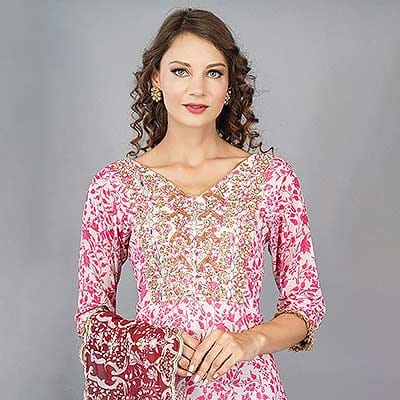
This is the single most expensive misjudgement Ckstudio audits in 2026: D2C brands replacing real festive shoots with AI-generated visuals to save 30–40% on production. The cost saved on the line item is almost always smaller than the conversion lost downstream. Festive imagery in India lives or dies on cultural texture — the specific marigold orange, the brass diya weight, the mehendi line thickness, the way silk catches a warm 3200K source, the dupatta drape that says “this is a real woman, not a render”.
AI models still struggle with most of these. They average aesthetics from a global training distribution that under-represents Indian festivity. The result looks close — close enough for a moodboard, never close enough for a buying decision. For categories like jewellery, festive fashion and beauty, the trust gap shows up in metrics within 7 days of launch.
A Side-by-Side Reality Check
| Dimension | Real Festive Video (Ckstudio) | AI-Generated Festive Video |
|---|---|---|
| Fabric & texture accuracy | True silk, banarasi, chiffon, velvet behaviour under light | Smoothed, plasticky, often anatomically off on drape |
| Skin tone & diversity | Honest representation across Indian skin tones | Lightened, averaged, often Eurocentric defaults |
| Festive props | Real diyas, rangoli, marigolds, gulaal, mehendi | Glossy approximations; lighting often inconsistent |
| Brand trust signal | High — feels like a real moment | Mid–low — feels like a stock visual |
| Marketplace compliance | Passes Amazon, Flipkart and Myntra image guidelines | Frequent rejections for misrepresentation flags |
| Buyer conversion impact | Measurable lift in CTR & ATC during festive weeks | Often flat or negative on premium SKUs |
Ckstudio’s standing recommendation to D2C brands is unambiguous: use real, professionally shot product video and UGC for every festive campaign. AI can support — moodboards, animatics, edit-room ideation — but it should never replace the human shoot. The festival the customer is buying into is real. The content should be too.
 A creator-led Diwali UGC shoot — real diyas, real depth, real audience trust. Production design carries half the conversion weight in festive video.
The 7-Step Festival UGC Campaign Framework
This is the operating sequence Ckstudio uses internally when planning festive video for D2C clients. It is deliberately calendar-locked — every step has a non-negotiable runway. Brands that compress these timelines usually pay for the compression with weaker creative and higher media costs.
Step 1 — Define a Campaign-Level Conversion Goal (Day 1–3)
Before a single creator is briefed, anchor the entire campaign to one measurable goal. “Drive Diwali GMV uplift of 35% over last year’s October”, or “Acquire 12,000 first-time buyers at sub-₹240 CAC during Big Billion Days”, or “Lift wedding-season jewellery ASP by 18% via creator content”. This single sentence governs every downstream choice — creator tier, asset count, paid spend split, distribution channels. Brands that skip this step ship UGC that is well-shot but commercially aimless.
Step 2 — Map the Festival Buying Calendar (Day 4–7)
Reverse-engineer the timeline from the peak shopping days, not from the launch day. Dhanteras, Karwa Chauth, Bhai Dooj, the wedding muhurat clusters, Akshaya Tritiya, Holi week — each of these has a 5–8 day “decision window” that drives most of the GMV. The campaign launch happens 18–21 days before that window so paid creative has time to be tested, refined and scaled.
Step 3 — Build a Creator Brief, Not a Script (Day 8–14)
This is where most D2C campaigns lose authenticity. A 6-page script forces the creator into brand voice and the result reads as paid. A 1-page brief, on the other hand, gives them a hook framework, a mandatory product moment, two visual non-negotiables, and one explicit “do not say” list — then lets their voice, language and pacing stay native. Ckstudio writes briefs in this exact structure for every e-commerce video project, and the conversion delta is consistent across categories.
Step 4 — Plan Hero, Hub and Hygiene Assets (Day 15–25)
One cinematic hero film (35–60 seconds) for paid social and YouTube pre-roll. 8–12 short-form UGC pieces (9–22 seconds) for Reels, Shorts and TikTok-style placements. 6–10 CGC-style hygiene clips (4–7 seconds each) for marketplace video slots, A+ content and product detail pages — built through Ckstudio’s UGC video creation workflow for ecommerce sellers across Amazon, Flipkart and Meesho. This three-tier structure is what separates a campaign from a single Reel.
Step 5 — Shoot With Festival Production Design (Day 26–45)
This is where Ckstudio’s nine years of festive production come in. Our Delhi UGC video production team works with real diyas, real marigolds, real gulaal for Holi, real mehendi for wedding, sourced ethnic props, lighting balanced to warm festive temperatures (2800–3400K for Diwali, mixed for wedding, daylight-led for Holi). Every shoot uses Ckstudio’s Canon R10 and Sony A7R5 bodies, with lens packages tuned to the category — 100mm for jewellery macro, 35mm/50mm for lifestyle UGC, 24–70mm for creator pieces. Festival production design is what makes a 15-second Reel feel like a 60-second mood film.
Step 6 — Edit for the First 1.5 Seconds (Day 46–55)
The entire conversion outcome of a festive Reel is decided in the first 1.5 seconds. That is the window where the festival hook, the product reveal and the buyer’s pain must land. Ckstudio’s edit team builds three opening variants per asset — direct-hook, question-hook, and pattern-interrupt — and tests them in paid before scaling the winner. Static, slow openers are a near-guaranteed retention drop in 2026 feeds.
Step 7 — Measure Conversion, Not Just Views (Day 56+)
The dashboard that matters is not the one with view counts. It is the one with CTR, add-to-cart rate, return on ad spend (ROAS), creator-attributed revenue, and post-festival 30-day repeat purchase. Vanity metrics — views, saves, shares — get tracked, but they never get a vote on what scales.
Planning Your Diwali or Wedding-Season Video?
Ckstudio plans, shoots and edits festival UGC campaigns end-to-end for D2C brands across India.
Festival UGC in Practice: Three Working Examples
Theory is cheaper than execution. Three short scenarios show how the framework translates into actual campaigns — without naming clients, the patterns are drawn from real Ckstudio engagements.
Example 1 — A Premium Ethnic Wear D2C Brand (Diwali)
The brand entered Diwali with a 22% Y-o-Y revenue target on ethnic wear. The campaign locked one hero film (a multi-generational home gathering, real diyas, no music for the first 4 seconds), 10 creator UGC Reels across 6 Tier-1 cities, and 8 hygiene clips for Amazon and Myntra listings. The hero film carried the emotional arc; the creator pieces carried the trial trigger; the hygiene clips carried the buying decision. ROAS landed 1.4x above the brand’s previous Diwali benchmark, and the listing pages with embedded hygiene video showed a measurable add-to-cart lift versus image-only pages.
Example 2 — A D2C Jewellery Brand (Wedding Season)
This was a premium-ASP brand with a long consideration cycle. The strategy avoided “lowest price” angles entirely and built the campaign around real bride stories. Macro jewellery video shot with a 100mm lens and dual softbox setup carried the product, while creator interviews — filmed handheld in real homes — carried the emotional weight. The repeat-purchase metric post-campaign moved more than the immediate ROAS, which was the actual business goal.
Example 3 — A D2C Beauty Brand (Holi)
Holi was the brand’s lowest-revenue festival historically because their category did not have an obvious cultural anchor. Ckstudio repositioned the entire week around “post-Holi skin recovery” — a real pain point, a real product fit, a real conversion angle. Eight 11-second creator Reels showed the gulaal-removal moment, the product application, the skin reveal. The campaign turned a historically weak week into a top-three revenue week of the quarter.
Common Mistakes That Quietly Burn Festival Budgets
- Briefing creators in week one of the festive month. The good creators are booked 60–75 days out. Late briefs force you into the second tier of talent and the conversion shows.
- One asset, multiple platforms. A 30-second YouTube cut posted as-is on Instagram Reels almost always underperforms a native 15-second edit.
- Voiceover-only Reels with no on-screen text. Up to 75% of feed views happen on mute. If the message is not on screen, it is not in the buyer’s head.
- Generic festive backgrounds. The same fairy-light wall behind 14 different products dilutes the brand. Production design must vary by SKU.
- Skipping the hygiene tier. Brands shoot the hero film, post the Reels, and forget that the listing page video on Amazon, Flipkart or Meesho is where the buying decision actually happens — exactly what Ckstudio’s ecommerce UGC video creation service is built to solve.
- Treating creators as media, not co-creators. Sending a finished script and expecting authenticity is a category error.
- Measuring at the wrong altitude. Tracking views when the boardroom asks about revenue is a slow way to lose budget the following quarter.
 Professional wedding-season ecommerce shoot featuring bridal fashion, jewellery styling and cinematic studio production for Indian ecommerce and D2C brands.
Advanced Tips & Pro Insights From Nine Festive Cycles
These are the small decisions that separate a campaign that performs from one that performs exceptionally. They rarely make it into agency decks because they are operational, not strategic.
Build a “Festival Asset Bank” Three Months Early
Premium D2C teams shoot evergreen festival B-roll — diyas being lit, rangoli being drawn, mehendi being applied, gulaal in slow motion — three months before the festival itself. This bank becomes the rescue layer when paid creative needs urgent variants in week three of the campaign. Ckstudio maintains category-specific festival banks for retainer clients across Amazon and direct-store programmes.
Shoot Regional-Language Variants From the Same Take
For pan-India D2C brands, the same hero asset shot in Hindi, then Tamil and Bengali audio variants, costs 1.3x — not 3x. Doing this on shoot day is dramatically cheaper than re-shoots. Regional UGC also tends to convert harder in Tier-2 and Tier-3 cities, which is where most premium D2C brands struggle to scale.
Build a “Decision-Moment” Frame in Every Asset
One specific frame — usually around 60–70% of the way through a Reel — should carry the entire buying decision in a single shot. Product, price (or price perception), use-case, and emotional payoff in one frame. Ckstudio’s edit team plans this frame backwards from the brief.
Treat the Comments Section as Creative Research
The comments on the previous year’s festival UGC are the single richest source of objections, questions and language patterns. Premium brands script the next year’s UGC from that comment data, not from generic creative briefs.
Equipment & Resources Ckstudio Uses on Festive Shoots
For D2C teams curious about the production specifics — and for marketing heads who want to audit what their current vendors are shooting on — here is the working setup behind most festive Ckstudio productions. None of this is theoretical; it is the actual gear list on shoot days.
Cameras & Lenses
- Sony A7R V — primary body for cinematic hero films and macro jewellery work; full-frame, high dynamic range, ideal for warm festive temperatures.
- Canon EOS R10 — secondary body for handheld creator-style UGC, B-roll and behind-the-scenes capture.
- 100mm macro — jewellery, beauty product detail, mehendi close-ups.
- 35mm and 50mm primes — creator UGC, lifestyle, model walkthroughs.
- 24–70mm zoom — interview-style creator pieces and flexible event coverage.
Lighting
- 4 × Godox SK 400II as the main festive lighting bank, balanced for warm tones.
- 2 × Elinchrom FRX 400 for premium portraiture and bridal jewellery sets.
- 4 × Strip softboxes for narrow shadow control on fabric and product edges.
- 2 × Octaboxes for soft, festive-warm wraparound light on creators and models.
- 1 × Beauty dish reserved for fashion and bridal portrait moments.
Editorial & Distribution Reference
- Amazon Seller Central India — official video specs, A+ video guidelines, listing-video requirements.
- Flipkart Seller Hub — Big Billion Days creative specs and marketplace video standards.
- Ckstudio’s in-house post-production and retouching workflow for festive-grade colour and texture work.
D2C Festival UGC Implementation Checklist
Run through this before any festive campaign goes live. Each box is a real-world failure point — Ckstudio has watched campaigns die on every one of these.
Where Festival UGC Is Heading: 2026–2027 Signals
A few directional shifts are worth planning around now, before they become table stakes. First, regional-language UGC is moving from “nice-to-have” to mandatory — Tamil, Bengali, Marathi, Telugu and Kannada festival content are seeing materially better CPMs and conversion rates on platforms like Meesho and Flipkart. Second, the lifecycle of a festive Reel is collapsing — assets now fatigue inside 9–11 days of paid scaling, which means more variants per campaign, not fewer.
Third, marketplace listing videos are quietly becoming the highest-leverage video asset of all. The buyer who has clicked through to the product page has the highest intent; a strong listing video can lift conversion by double-digit percentages with zero additional media spend. Fourth, AI is becoming useful in edit, ideation and personalisation — but the underlying shoot is becoming more important, not less. Real, in-camera production is the trust layer AI cannot fake.
Fifth, premium D2C brands are starting to treat festival video as a year-round programme — shooting evergreen B-roll continuously rather than concentrating production into a six-week panic. Ckstudio’s retainer clients across commercial and fashion categories already operate this way.
Frequently Asked Questions
When should D2C brands start planning Diwali UGC video campaigns?
Premium D2C brands should lock the festival UGC strategy 90–100 days before Dhanteras. Creator outreach starts 60 days out, shoots happen 45 days out, and final assets go live 21 days before peak shopping days for paid testing. Anything tighter usually compresses creative quality.
How many UGC videos does a typical Diwali campaign need?
A balanced festival campaign needs 1 hero film, 8–12 short-form UGC pieces and 6–10 product-listing CGC clips. This three-tier structure covers Reels, YouTube Shorts, marketplace video slots and A+ video assets across Amazon, Flipkart, Myntra, Ajio and the D2C site itself.
Is AI-generated video content safe for festival ecommerce campaigns?
AI-generated visuals often misrepresent fabric, jewellery shine, skin tones and festive props — which directly hurts trust and conversion in Indian festive commerce. Real, professionally shot UGC and creator videos remain the safer, higher-converting choice. AI is useful in ideation and edit, not as a replacement for the shoot.
What is the ideal length for a festive Reel or YouTube Short?
For Diwali and wedding season, 15–22 seconds is the sweet spot for product-led UGC — long enough to land the hook, product moment and call-to-action without losing retention. Holi content can run 9–15 seconds because the colour reveal carries the emotional weight fast.
How does Ckstudio support festival UGC campaigns?
Ckstudio plans, shoots and edits festival UGC and brand video assets for D2C brands — including creator-style Reels, cinematic hero films, A+ video and platform-ready product videos for Amazon, Flipkart, Myntra and direct stores. End-to-end campaign support is available; for details write to [email protected].
What is the rough budget range for a festival UGC video campaign?
Budgets vary by tier and category, but a working benchmark for a premium D2C festive campaign is a structured production investment that delivers a full hero + hub + hygiene asset suite. Ckstudio can put together a scoped quote on a call — reach out on +91-8700258773.
Closing Thoughts: Festival Video as a Business Asset
Festival UGC is one of the few line items in a D2C marketing plan where the upside is genuinely uncapped. A well-planned Diwali, Holi or wedding-season video programme does not just lift the festive quarter — it lifts brand familiarity, repeat purchase, organic reach, marketplace conversion and team morale for the rest of the year. The brands that treat it as a strategic asset compound. The ones that treat it as a seasonal expense reset every year.
The framework in this playbook is not theoretical — it is the same one Ckstudio uses with the D2C brands it ships festive campaigns for. Strategy first, creator briefs second, production design third, edit discipline fourth, conversion measurement always. None of it is glamorous, all of it works.
If a festive video programme is on the table for the coming Diwali or wedding season, the right time to start scoping it is now. Ckstudio’s calendar is built around premium D2C engagements, and the strongest slots fill 90–120 days in advance.
Ready to Plan the Next Festival Campaign?
Talk to Prince and the Ckstudio team about a scoped festival UGC video programme for your D2C brand.