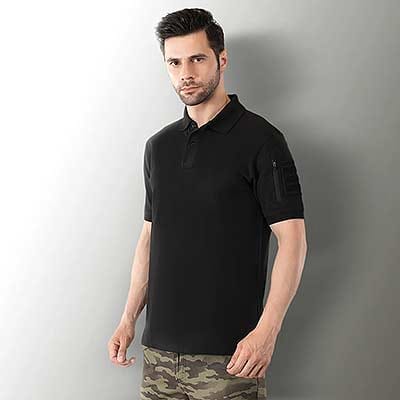




Fashion Photography Services
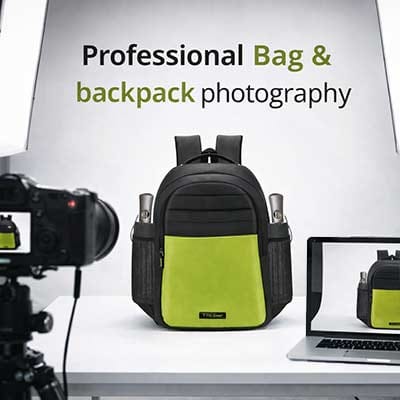
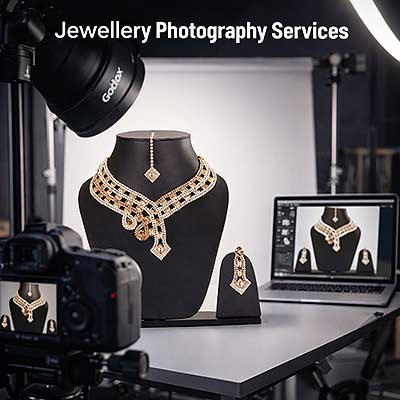


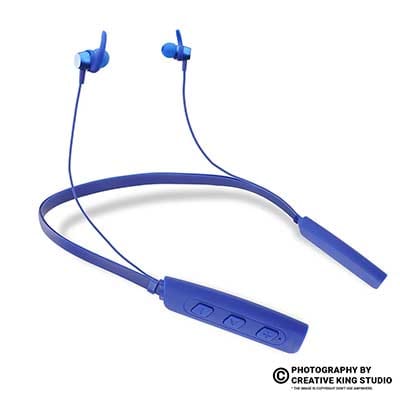
E-commerce Photography

Industrial Photography & Videography
A powerful factory tells its own story — but only if the world can actually see it. Here is why combining factory photography, industrial video and aerial drone footage is the smartest visual investment a manufacturer can make in 2026.
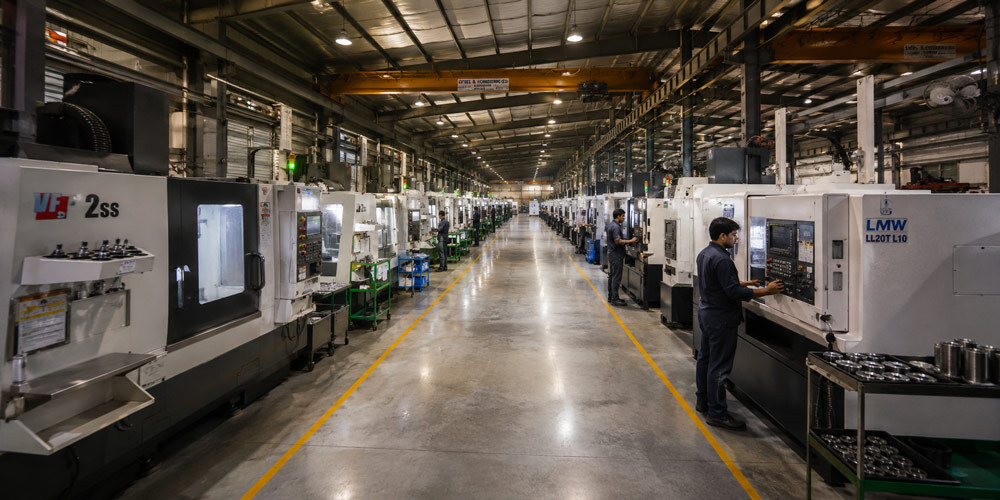
Walk into any serious manufacturing unit and you feel it instantly — the scale, the precision, the sheer effort behind every line. The problem is that your buyers, distributors and investors rarely get to walk in.
They judge your plant from a website, a pitch deck or a WhatsApp forward. This is exactly where professional factory photography changes the game, because a single honest frame of your shop floor can say more than three pages of company profile text ever will.
At Ckstudio, we have spent 9+ years turning factories, workshops and production lines into visuals that win contracts. Over time one lesson became clear: stills alone are no longer enough. Modern manufacturers need a complete visual toolkit resting on three pillars — factory photography, industrial videography and drone filming. In this guide, Prince explains why all three matter and where most manufacturers go wrong. If you already run an export or B2B operation, our industrial photography and videography services are built around this exact thinking.
Before we argue why you need all three, it helps to define them clearly. Each format has a distinct job, and the magic happens when they overlap — one captures detail, one captures movement, one captures scale.
Professional factory photography covers machinery, production stations, finished goods, quality control and your team at work. Sharp stills fill your website, brochures and ISO documentation — the same consistency we obsess over in our industrial machinery photography.
A photo proves a machine exists; a video proves it works. Videography captures your line in motion — material in, process running, product out. It sits at the heart of our industrial and corporate film production.
Some things cannot be shown from the ground — campus size, sheds, logistics yards. Aerial drone filming captures it all in one sweep, pairing beautifully with our cinematic video production projects.
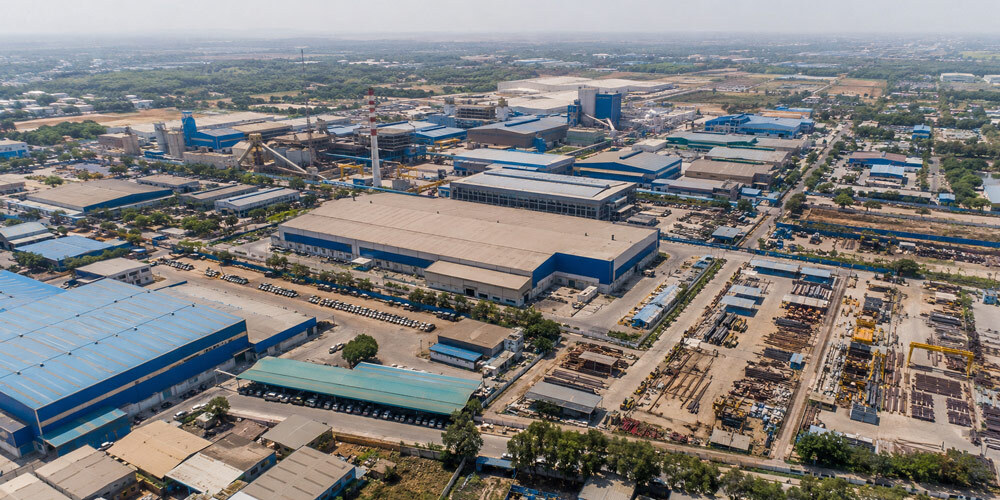
B2B buying has moved online. A purchasing manager in another city — or country — will shortlist vendors long before they pick up the phone. Suppliers with rich, authentic visuals get more enquiries and are trusted faster. Weak or missing visuals quietly remove you from the shortlist, and you never even know it happened.
There is also the trust problem. With AI-generated images flooding the internet, savvy buyers have grown sceptical of visuals that look too perfect. Real, professionally shot factory photography stands out precisely because it is verifiable — it shows your actual plant and people. We explain this in our breakdown of real photography versus AI-generated images, and it applies to manufacturing just as strongly as retail.
Can this factory actually make what I need, at the quality I expect?
Is this a real, running operation — or a trading desk with a borrowed photo?
Is the plant big enough to handle my order volume and deadlines?
Each question maps perfectly to one format. Photography answers capability, video answers credibility, drone footage answers capacity. Skip one and you leave a question unanswered — and an unanswered question almost always means a lost order.
Most manufacturers we meet have some visuals — usually a few phone photos from years ago. The instinct is to pick one upgrade and stop. But these formats are not competitors; they are teammates.
| Format | Best At | Where It Is Used |
|---|---|---|
| Factory Photography | Detail, quality, documentation | Website, catalogues, ISO docs |
| Industrial Videography | Process, people, motion | Pitch videos, LinkedIn, trade fairs |
| Drone Filming | Scale, layout, infrastructure | Corporate films, investor decks |
When a buyer lands on your profile, the photos hold attention, the video earns trust, and the aerial shot removes the last doubt about your size. That is a complete sales conversation before any human speaks. Our industrial photography team in Delhi plans every shoot with this full journey in mind.
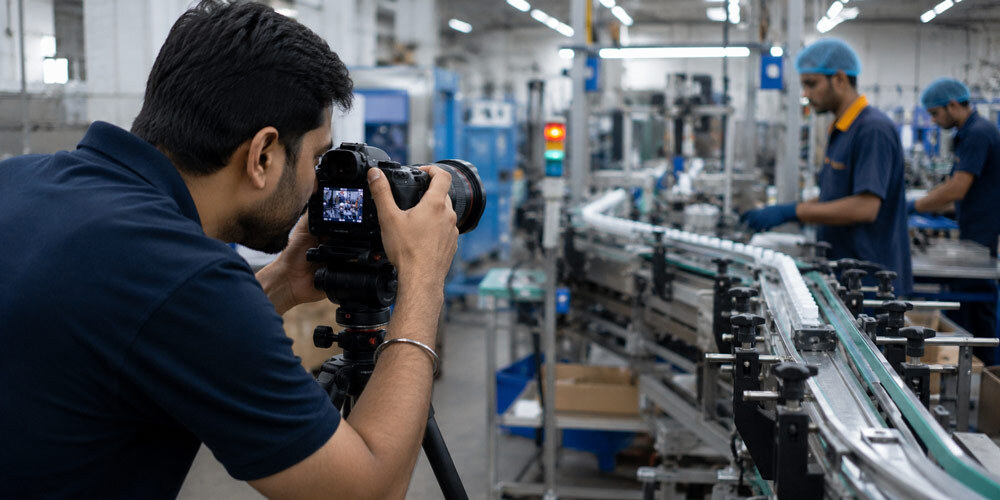
A common worry is that filming will disrupt production. In practice, a well-planned shoot works around your operations. Here is the proven process Ckstudio follows on every manufacturing project.
We understand your products, buyers and plant layout, then plan the safest, most efficient route through the facility.
We arrange drone clearances and follow on-site safety norms, so aerial factory footage is fully compliant.
Machinery, stations, quality control and finished goods captured with controlled industrial lighting.
We film the process in motion — clean, stable shots of your line, team and output.
Aerial shots establish the campus, sheds and infrastructure in cinematic sweeps.
Editing, colour grading, retouching and a final package ready for web, print and presentations.
This single combined visit is exactly why a bundled shoot beats three separate bookings. To understand the numbers, our detailed industrial photography, videography and drone cost guide for India 2026 breaks down every line item transparently.
Across hundreds of industrial shoots, the same avoidable errors keep showing up. Steering clear of these instantly puts your brand ahead of most competitors.
A few insider habits separate forgettable factory visuals from the ones that win business. These come straight from real shoots, not theory.
Plan visuals you can slice into website banners, social posts, trade-fair loops and exporter profiles. One well-planned day can feed a year of marketing — the same volume thinking we apply when scaling product photography across hundreds of SKUs.
Industrial spaces have mixed, often ugly lighting. Controlled lighting on the hero machine — rather than relying on overhead tubes — makes metal, glass and motion look premium rather than flat.
The strongest factory photography follows a narrative: raw material, transformation, quality check, finished product. Buyers remember a journey far more than a folder of disconnected machine shots.
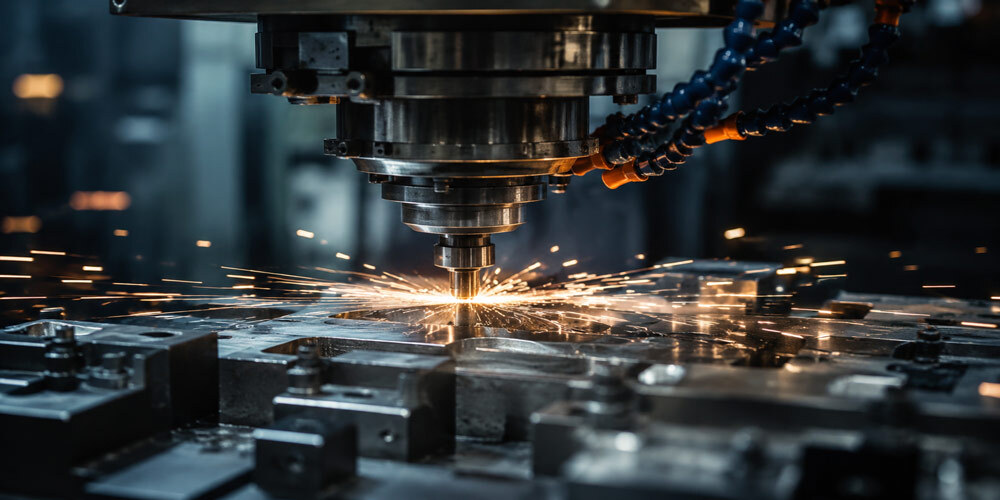
Manufacturing environments are demanding — low light, dust, heat and tight spaces. The right equipment matters, and at Ckstudio we shoot industrial projects with a kit built for exactly these conditions.
Equipment alone does not make the image, but the wrong tools guarantee a weak one. This is why outsourcing to a specialist studio usually beats a borrowed camera — a point we expand on in our guide to in-house versus agency video production.
A little preparation makes a huge difference to the final result. Run through this quick list before shoot day.
The next wave is already visible on our shoots. Interactive 360° factory tours, short vertical reels for LinkedIn and YouTube, and shoppable B2B catalogue videos are becoming standard for forward-looking manufacturers. Aerial footage is increasingly paired with on-screen data overlays to communicate capacity at a glance.
What stays constant is the core truth: authentic, professionally produced visuals win trust. The manufacturers investing in proper factory photography, video and drone content today are the ones who will dominate search results and buyer shortlists tomorrow.
Each format answers a different buyer question — quality, process and scale. Factory photography proves capability, industrial video proves the process works, and drone filming proves capacity. Together they remove every doubt before a buyer even calls.
Yes, with proper permissions under the DGCA Digital Sky framework. Licensed pilots register the drone and obtain location clearance. Ckstudio manages compliant aerial footage so your shoot stays fully within the rules.
It depends on plant size, shoot duration and deliverables, but a bundled package is usually more economical than three separate bookings. Our cost guide for 2026 explains the full breakdown.
No. We plan around your production hours and work in passes, so most single-unit shoots finish in one to two days with minimal interruption.
Your plant is already impressive — the only question is whether your buyers can see it. Combining factory photography, industrial videography and drone filming is the most reliable way to turn manufacturing strength into enquiries, trust and orders. At Ckstudio, our team has helped manufacturers across India do exactly that for over nine years.
Ready to plan your shoot? Call Prince on +91-8700258773, send a quick WhatsApp message on +91-8700258773, or email [email protected] to discuss your factory and goals.