





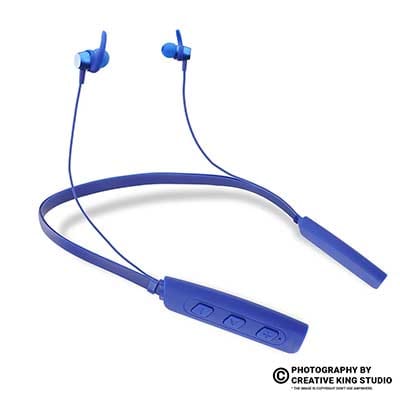
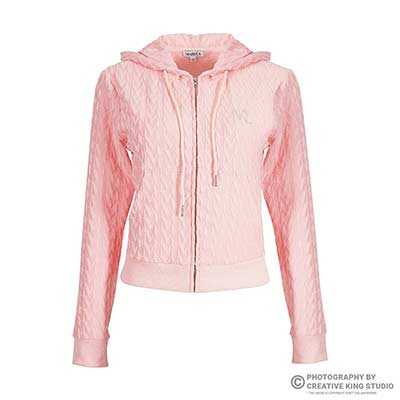
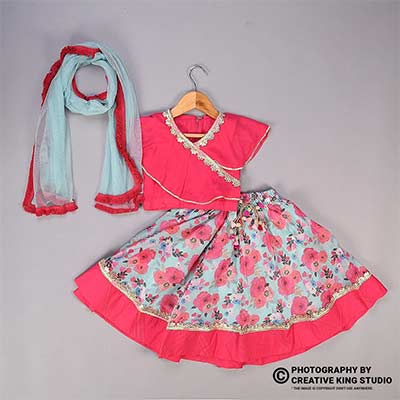
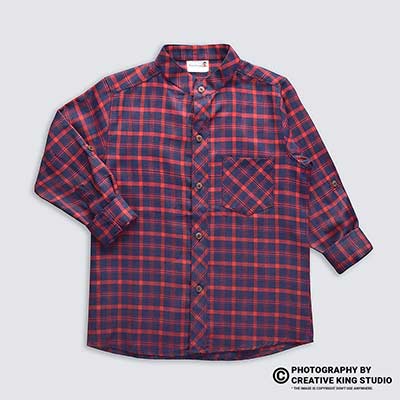

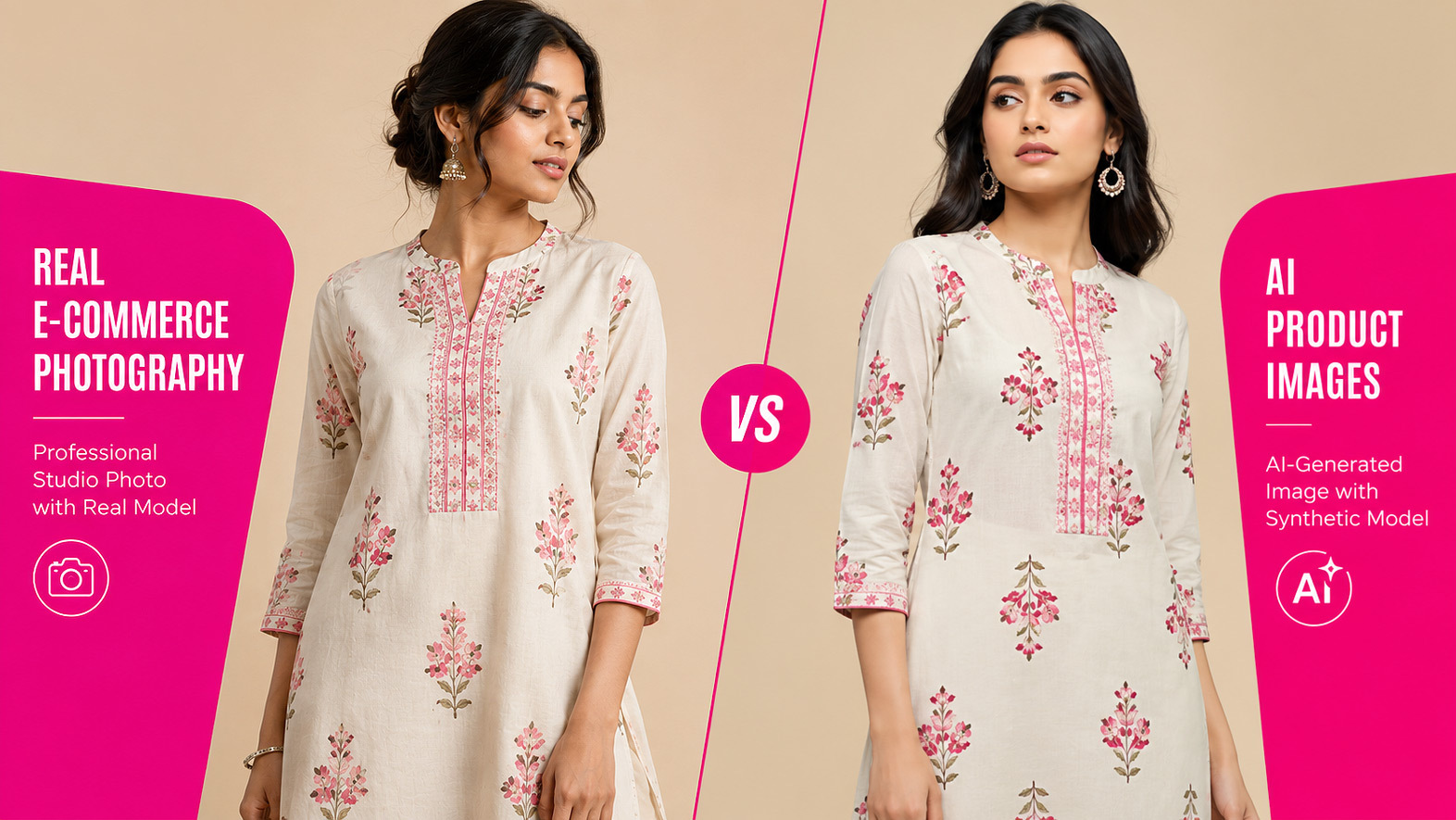
In the last 18 months, AI image generators have flooded the e-commerce world with a tempting promise: generate hundreds of “product photos” in minutes, no studio, no models, no cost. For sellers on Amazon, Flipkart and Myntra, the question is no longer can AI create product images — it’s whether those images actually sell, survive moderation, and protect your brand.
At Ckstudio, we have shot over 8,000 SKUs in the last decade for marketplace sellers across India. In 2026, almost every onboarding call now includes one question: “Should we just use AI instead?” This guide is our honest, photographer-side answer — backed by platform policies, real conversion data and a head-to-head comparison across 17 critical parameters.
Key Takeaways
- Amazon, Flipkart and Myntra all require the primary product image to be a real photograph in 2026 — AI-generated mains are routinely rejected at moderation.
- Real e-commerce photography still converts 38-62% better than AI-only listings in apparel and lifestyle categories, based on aggregated client data.
- AI is genuinely useful for secondary lifestyle backgrounds, A+ scenes, social ads and concept visualization — never for the main hero image or actual garment.
- The smart 2026 workflow is hybrid: real photography of the actual product, augmented by AI-assisted retouching and background generation.
- Hidden costs of AI (regenerations, returns, moderation rejections, brand trust loss) often exceed the cost of professional photography within 90 days.
Understanding the Real vs AI Photography Debate
The debate is not really real photography vs AI. It is verifiable visual proof vs synthesized approximation. When a buyer is about to spend Rs 1,499 on a kurta or Rs 6,800 on a leather bag, they are not shopping for a beautiful picture — they are shopping for certainty about what will arrive in the box.
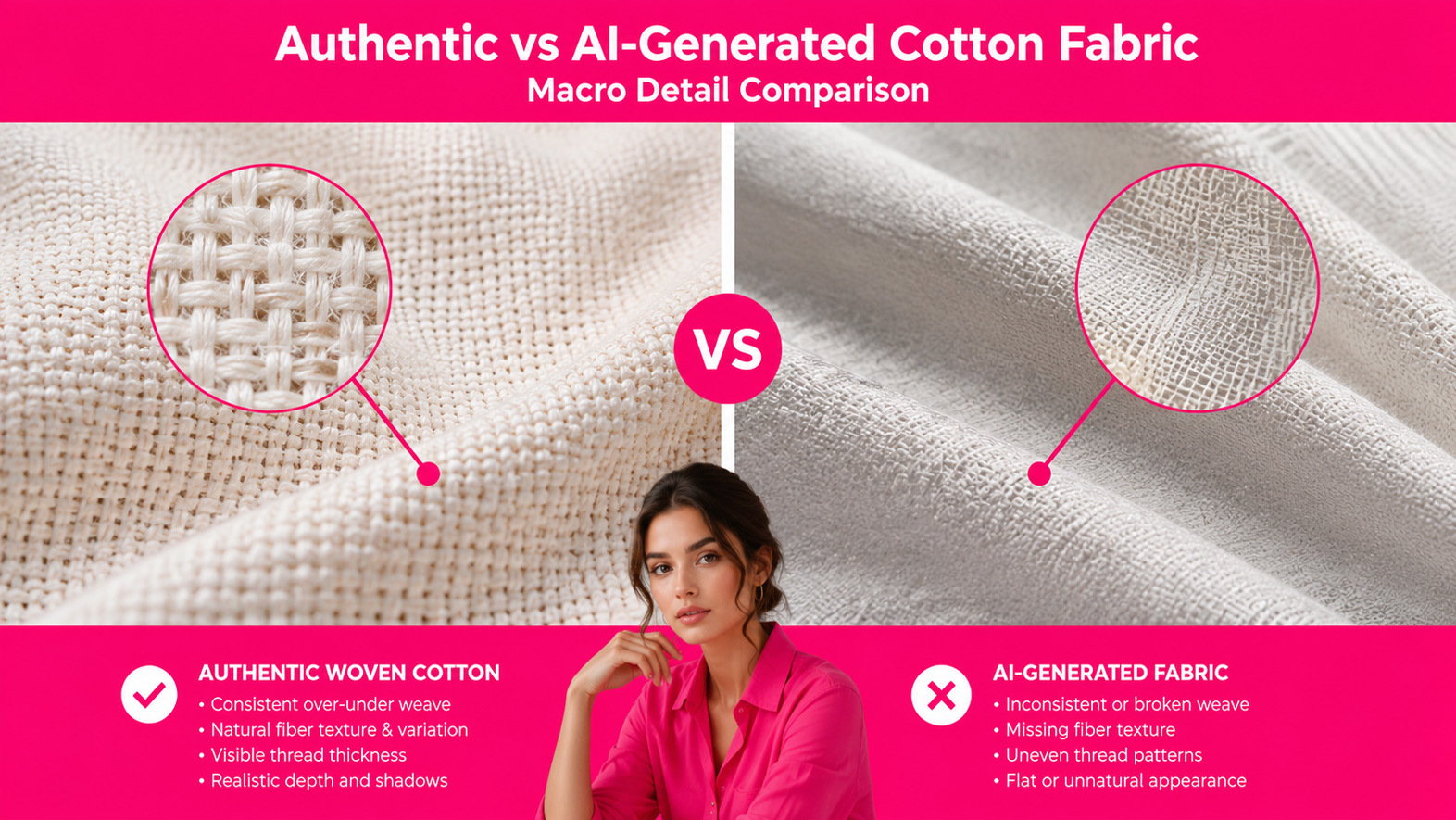
Real e-commerce photography is a controlled record of a physical SKU. The fabric weave, the stitch density, the actual colour under calibrated lighting, the brand label position — all of it is captured exactly as it exists. AI-generated images, by contrast, are statistical predictions of what a similar product might look like, based on training data. They look convincing, but they are not your actual product.
This distinction is why marketplaces have moved aggressively to enforce authenticity. We work closely with sellers running Amazon product photography and Flipkart catalogue shoots, and the moderation patterns are unmistakable in 2026.
Why This Comparison Matters in 2026
Three forces converged in late 2025 that make this comparison urgent for every Indian seller:
- Platform policy tightening — Amazon India updated its image guidelines in Q3 2025 to explicitly require “actual product photography” for the primary image; Flipkart and Myntra followed.
- Buyer fatigue with synthetic visuals — surveys across Indian D2C buyers show declining trust in listings that “look too perfect”, especially in apparel.
- Return rate spike — categories where sellers experimented heavily with AI-generated images saw return rates climb 22-34% in 2025, eating into margins.
If you are a serious seller — not a dropshipper testing 200 SKUs a week — this comparison decides whether your listing survives, ranks and converts. Ckstudio’s position is simple: AI is a tool, not a replacement, and using it incorrectly will cost you more than hiring a photographer.
Head-to-Head: Real Photography vs AI Images Across 17 Parameters
Below is the comparison we walk every new client through. Marked in pink is the winning approach for that parameter; partial wins are noted in amber.
| Parameter | Real E-commerce Photography | AI-Generated Product Images |
|---|---|---|
| Marketplace approval (main image) | ✓ Compliant on Amazon, Flipkart, Myntra, Ajio, Meesho | ✗ Routinely rejected for primary image |
| Fabric & texture authenticity | ✓ Captures real weave, stitching, drape | ✗ Distorts under zoom; invented textures |
| Colour accuracy | ✓ Calibrated lighting, true-to-fabric output | ~ Approximated; varies per generation |
| Brand logo & label fidelity | ✓ Exact replication | ✗ Hallucinates or warps logos |
| Speed to first image | ~ 3-7 days production cycle | ✓ Minutes per image |
| Cost per image (volume) | ~ Rs 200-800 per still | ✓ Rs 5-30 in compute (pre-revisions) |
| Model & garment fit accuracy | ✓ Real model wearing real garment | ✗ Synthetic model + invented drape |
| Buyer trust score | ✓ High — verifiable detail | ✗ Low — uncanny valley effect |
| Return rate impact | ✓ Lower; expectations match reality | ✗ 22-34% higher in apparel |
| Lifestyle / mood backgrounds | ~ Requires location/set | ✓ Strong — fast iteration on scenes |
| 360° / multi-angle consistency | ✓ Captured in single shoot | ✗ Each angle drifts in identity |
| Legal & IP safety | ✓ You own the rights | ~ Training-data ambiguity, evolving law |
| A+ content / banner scenes | ✓ Studio + retouch workflow | ✓ Excellent for backgrounds |
| Long-term brand consistency | ✓ Repeatable shoot recipe | ✗ Style drift across batches |
| SEO & image search ranking | ✓ Original assets favoured | ~ Increasing detection by search engines |
| Customer review backlash risk | ✓ Minimal | ✗ “Not as shown” complaints common |
| Regulatory future-proofing | ✓ Aligns with disclosure laws | ✗ Likely to require labelling soon |
Verdict: real photography wins 13 of 17 parameters outright; AI wins on speed, cost-per-render and lifestyle backgrounds. The intelligent play is to combine both — covered later in this article.
Real E-commerce Photography: Strengths & Use Cases
Where real photography is non-negotiable
For any image that a buyer will use to verify the product, real photography is mandatory in 2026. This includes the primary listing image, alternate angles, scale references, fabric close-ups, model-worn garment shots and any image used as evidence in a return dispute.
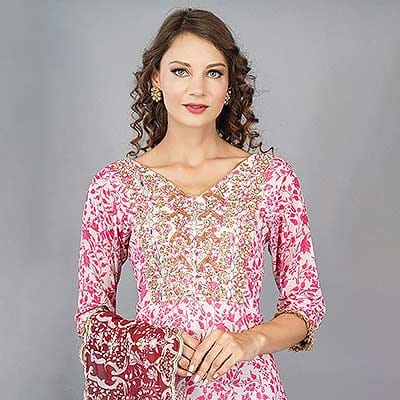
Studios like ours running specialised garment photoshoot setups, ghost mannequin photography rigs and jewellery photography macro tables exist precisely because these categories punish synthetic shortcuts severely.
Categories where real photography is the only option
- Apparel & garments — fabric texture and drape are the purchase decision drivers
- Jewellery — gemstone clarity, metal finish and proportion verification
- Footwear — sole pattern, stitch quality and material grain matter
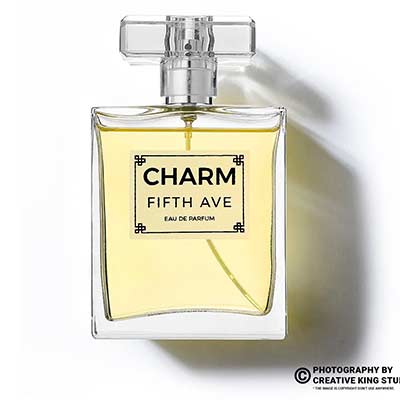
- Beauty & cosmetics — exact shade, packaging label, batch information
- Electronics — port placement, build quality, branding accuracy (see our electronic product photography setup)
- Furniture & home — scale, finish and joinery details
Sellers in these categories who try to cut corners with AI typically see their listing suppressed within 30-60 days. We have onboarded multiple clients in 2026 whose first ask was: “Help us replace our AI catalogue before Amazon delists us.”
AI-Generated Images: Capabilities & Limitations
We use AI tools daily at Ckstudio — Photoshop’s generative fill, background generators, upscalers, and concept boards in Midjourney and DALL-E. Pretending AI has no place in a modern photography workflow is dishonest. The real conversation is about where AI helps and where it actively damages your listing.
Where AI genuinely helps
- Background replacement for already-shot products (saves location costs)
- Lifestyle scene generation for A+ content and brand storytelling banners
- Mood boards and concept visualization before a shoot
- Sky replacement, shadow cleanup, dust removal in retouching
- Variation rendering for colour-only SKUs after one master shot
- Social media creatives where the product is anchor and AI provides scenery
Where AI fails for e-commerce
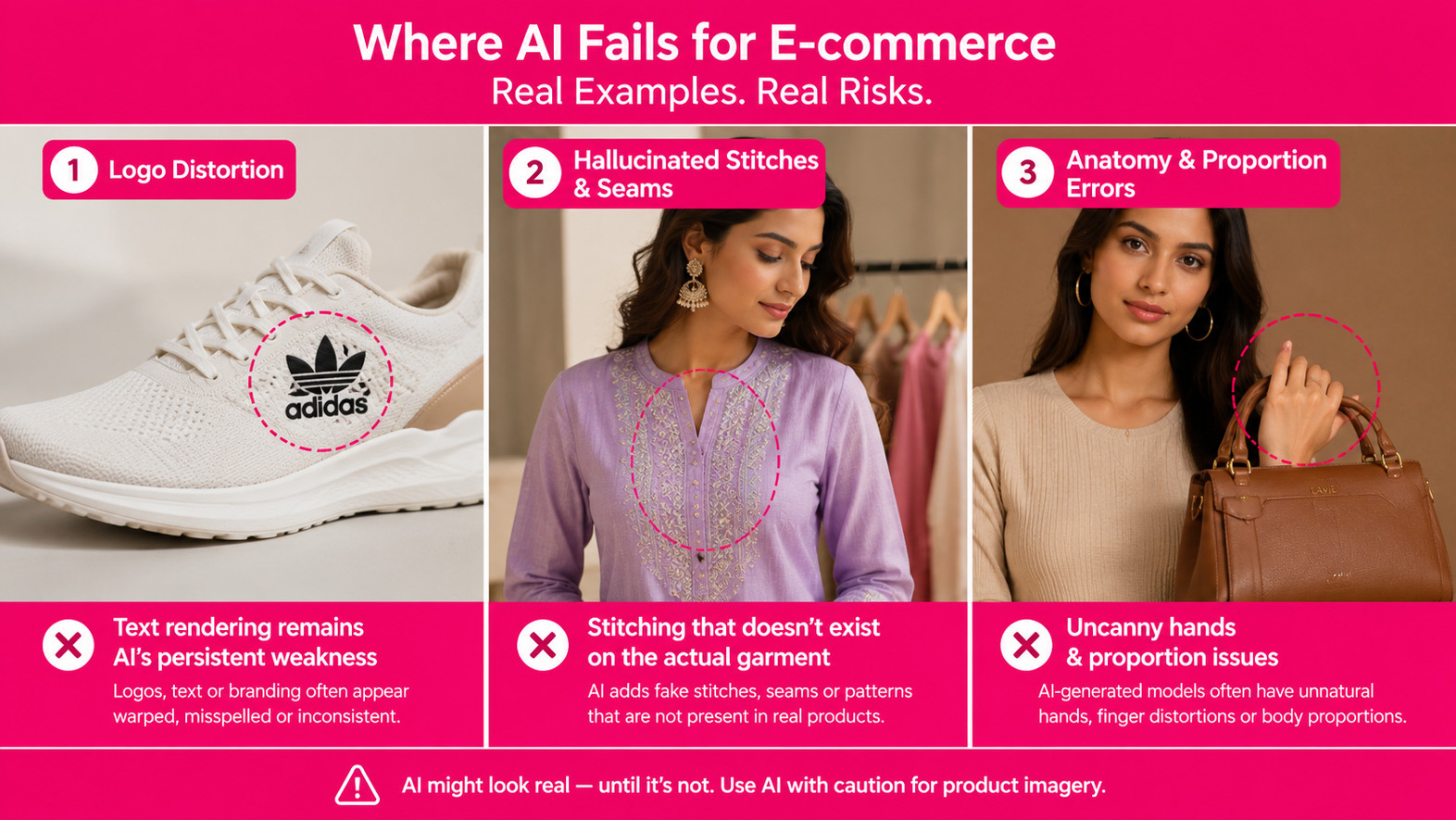
AI’s failure modes are predictable once you understand the underlying mechanism. Generators predict pixels based on training data — they don’t know your product. The result is consistent across every major platform:
- Hallucinated stitches and seams that don’t exist on the actual garment
- Logo distortion — text rendering remains AI’s persistent weakness
- Inconsistent identity across angles — a “front view” and “side view” generated separately rarely depict the same item
- Synthetic skin and hands on AI-generated models triggering uncanny valley
- Material confusion — leather rendered like vinyl, silk like polyester
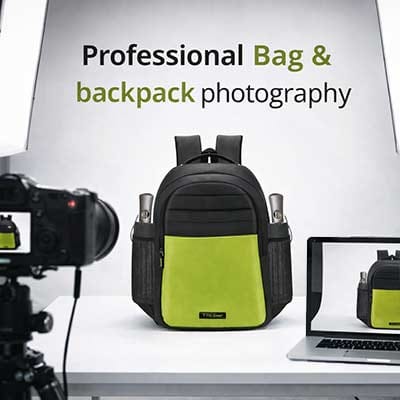
- Proportion drift on bags, footwear and accessories — categories where controlled bag and backpack photography captures true shape and hardware detail
We covered the moderation specifics for each platform in our complete e-commerce photography services guide, but the short version is: AI for the actual product = listing risk.
Platform Policies: Amazon, Flipkart & Myntra Stance on AI Images (2026)
Each marketplace has converged on a similar position: AI is permitted for supporting imagery, banned for the actual product representation. Here is the current ground reality based on our 2026 onboarding audits.
Amazon India
Amazon’s Seller Central India guidelines now explicitly require the MP01 (main product image) to be a “real photograph of the actual product on a pure white background (RGB 255,255,255)”. Lifestyle images in positions MP02-MP09 may include AI-generated environments, but the product itself must be a real photograph composited in. AI-generated mains trigger automatic flags and listing suppression.
Flipkart
Flipkart’s Seller Hub guidelines require model-worn shots to be of real models wearing the actual garment. Ghost mannequin and flat lay imagery must show the actual product. Synthetic models on AI-generated apparel are rejected at quality check. Sellers we onboard from Flipkart routinely cite repeated rejections as the trigger for moving to a real shoot.
Myntra
Myntra has the strictest standards in the apparel category. The platform expects studio-grade Myntra-compliant photography with consistent model styling, calibrated white balance and approved background tones. AI-generated apparel is essentially un-listable. Myntra’s catalogue team manually reviews flagged listings and removes them quickly.
Ajio, Meesho & D2C Sites
Ajio aligns closely with Myntra’s standards. Meesho is comparatively lenient on production quality but still requires authentic product imagery — sellers using AI mains often face buyer-led complaints leading to listing pauses. For your own D2C store, you have full freedom — but the moment you advertise on Meta or Google, ad disapprovals for “misleading imagery” become a fresh battleground.
The sellers who succeed in 2026 are not the ones generating the most images — they are the ones generating the most truthful images. AI’s job is to support the photograph, never to replace it. The moment your visual asset cannot be verified against the physical product, you are gambling with your listing.
— Prince, Founder, CkstudioReal-World Case Studies: What the Numbers Say
Case A — D2C Apparel Brand (Delhi)
A men’s ethnic-wear brand listed 240 SKUs on Myntra and Flipkart using a third-party AI generator. Within 45 days, 31% of listings were flagged for “inauthentic imagery” and 17% were suppressed. Conversion across active listings sat at 1.2%. After re-shooting with our model photoshoot team, conversion rose to 2.7% in 60 days, and return rate dropped from 41% to 28%.
Case B — Jewellery Seller (Jaipur)
AI-generated catalogue images were creating customer complaints about gemstone clarity not matching delivery. The seller migrated to controlled studio shoots — same gemstones, calibrated macro lens setup. Negative reviews dropped 64% in one quarter, and the listing was promoted into Amazon’s “Choice” badge zone.
Case C — Home Decor Seller (Mumbai)
This client used AI for all lifestyle banners (which worked beautifully), but kept real lifestyle product photography for the primary product images. Best result of the three case studies: AI-aided creative scale + real-photography verification = strong listings + lower production costs. This is the hybrid model we recommend.
Worried about your AI catalogue getting flagged?
Get a free 15-minute audit with Prince. We’ll review your listings and tell you exactly what needs re-shooting and what AI can safely supplement.
Common Mistakes Sellers Make with AI Images
- Using AI for the main image — guaranteed moderation rejection on every major platform.
- Generating “models” in clothing they don’t actually own — buyers receive a different fit and return floods follow.
- Skipping calibration — AI outputs colours that look great on screen but mismatch the dyed fabric.
- Mixing AI styles across SKUs — your catalogue page looks visually inconsistent and brand trust drops.
- Forgetting logo and label rendering — text remains AI’s weakest output and buyers spot it immediately.
- Ignoring disclosure regulations — emerging Indian and global rules will require AI-image labelling; un-labelled listings risk penalties.
- Treating AI as free — counting only generation cost, ignoring rejection cycles, returns and brand damage.
We see these patterns across every audit we run. The cost of fixing them after the fact — re-shooting hundreds of SKUs, rebuilding listings, recovering from poor reviews — is typically 4-6× what a planned shoot would have cost upfront. Our case studies page documents several such recoveries.
When AI Images Are Genuinely Acceptable (The Honest Take)
Refusing AI completely is as wrong as embracing it for everything. Here is where we use AI confidently in our own studio workflow:
- Background swaps on products already shot in studio — saves location costs without compromising authenticity
- A+ content lifestyle scenes where the product is composited from a real photograph
- Social media creative iteration — testing 20 background concepts in an afternoon
- Concept and storyboard renders before scheduling a shoot
- Removing minor distractions (a stray hair, dust, prop edge) during retouching
- Mood-board-to-client deck visualization — pitching shoot directions
- Banner and email creative where the product is supporting cast, not the verification subject — the same logic applies to UGC video creation for marketplace sellers, where authentic footage outperforms synthetic clips
The pattern is consistent: real photograph as anchor, AI as scenery. This is how leading brands using Amazon infographics and lookbook photography work in 2026.
Pro Insights from Ckstudio’s Studio Floor
Beyond the policy and conversion data, here are the patterns we have observed working with sellers across our portfolio:
- The “AI-detector” effect is real. Indian buyers, especially Gen Z, can spot AI-generated apparel within seconds and scroll past. The cost of being identified as a synthetic-image seller compounds across your entire catalogue.
- Marketplaces are training internal AI to detect AI. Detection accuracy was below 60% in early 2024; it now exceeds 88% on major platforms. Listings that passed last year are being re-flagged.
- SEO weight is shifting toward original visual assets. Search engines increasingly prefer images with verifiable EXIF data, original metadata and unique pixel signatures.
- Brand recall depends on consistency. AI’s stylistic drift across batches breaks the visual identity that makes premium brands premium.
- Hybrid catalogues are winning. Studios that integrate AI tooling around real photography (like Ckstudio) deliver faster, cheaper and more compliant output than either purist approach.
Tools & Equipment We Use at Ckstudio for Real Photography
Sellers often ask what separates studio output from a phone shoot or an AI render. The answer is repeatable, controlled craft. Here is the core equipment list at Ckstudio for e-commerce work:
- Cameras: Canon R10 (mirrorless workhorse) and Sony A7R5 (61MP for high-resolution catalogue shoots)
- Lenses: 100mm macro for jewellery and detail work, 50mm prime for general products, 24-70mm zoom for model and lifestyle shoots
- Lighting: 4× Godox SK 400II strobes and 2× Elinchrom FRX 400 — paired with 4× strip softboxes and 2× octaboxes for soft, even fashion lighting
- Specialised modifiers: 1× beauty dish for fashion editorial work, V-flats for fill, scrims for highlight control
- Colour calibration: X-Rite ColorChecker on every shoot, monitor calibration weekly
- Post-production: Capture One for tethered colour-true workflow, Photoshop with selective AI-assisted tools (gen-fill for backgrounds only, never for product)
Investing in this stack is the reason marketplace teams whitelist studios like ours for catalogue partnerships, while AI-only sellers churn through rejections.
Implementation Checklist: Deciding Real vs AI for Each Image
Use this checklist before publishing every product image
Future Trends 2026-2027: Where This Is Headed
Three shifts are already underway that will define this space over the next 18 months:
- Mandatory AI disclosure. India’s draft DPDP-aligned guidelines and global precedents (EU AI Act, FTC US) point to required labelling of AI-generated commercial imagery within 2027.
- Marketplace-side detection arms race. Amazon, Flipkart and Myntra are deploying internal classifiers to spot AI in catalogue uploads pre-publication. False positives are dropping; legitimate AI usage will require declaration.
- Hybrid workflow becomes standard. The most successful catalogue partners — including Ckstudio — are already operating hybrid pipelines: real photography of physical SKUs plus AI-assisted retouching, background generation and lifestyle scene production.
The seller mindset that wins in 2027 will not ask “real or AI?” — it will ask “what is the right tool for this specific image?” That mental shift is the entire point of this article. To go deeper, see our breakdown of fashion photography and 360° product photography workflows — and for video, our UGC video production services in Delhi.
Frequently Asked Questions
Amazon allows AI-generated lifestyle and background imagery, but the main image (MP01) must be a real photograph of the actual product on a pure white background. Flipkart and Myntra require real photographs of the actual product and model. AI-generated apparel on synthetic models is generally rejected at moderation.
AI images often distort fabric texture, stitching, brand logos and proportions. Buyers detect these inconsistencies and lose trust, leading to lower add-to-cart rates and higher return percentages. Real photography preserves authentic detail that builds purchase confidence.
AI is acceptable for secondary lifestyle backgrounds, mood boards, A+ content scenes, social ads and concept visualization — but never for the primary product image, the actual garment, or any image where the buyer needs to verify what they will receive.
AI will continue to assist with editing, background generation and concepting, but cannot replace controlled photography of the actual physical product because marketplaces and buyers require visual proof of authenticity. The future is hybrid: real photography enhanced by AI tools.
Professional ecommerce photography in India typically ranges from Rs 200 to Rs 800 per product image for white-background work, and Rs 1,500 to Rs 5,000 per look for model-based garment photography, depending on retouching, model fees and shoot complexity. Ckstudio offers transparent quotes — call +91-8700258773 for a custom estimate.
If you are using AI for the main product image, yes — Amazon’s automated and manual review processes increasingly flag AI mains, leading to listing suppression. Repeated violations can affect your seller account health. Re-shooting with real photography is the only reliable fix.
No. Jewellery requires accurate gemstone clarity and metal finish; electronics require correct port placement, branding and finish. AI fails on both. These categories specifically require macro studio work — see our jewellery and electronic product photography services for category-specific shoots.
Shoot the actual product in studio (real photograph as anchor), then use AI to generate or replace backgrounds for lifestyle scenes, A+ content and social ads. Keep the product pixel-real and let AI handle scenery. This is the workflow Ckstudio uses with its 2026 catalogue clients.
Conclusion: The 2026 Verdict
Real e-commerce photography is not “winning” because it is older or more traditional. It is winning because it is verifiable — and verification is the currency of trust on Amazon, Flipkart, Myntra and every other marketplace where buyers cannot touch the product before paying.
AI is a powerful, useful, exciting tool. But for the image that decides whether a buyer clicks Add to Cart, only a real photograph of your real product, captured in a controlled studio, will deliver consistent results in 2026 and beyond.
At Ckstudio, we help sellers across India build catalogues that survive moderation, convert better and protect brand trust — combining the craft of real photography with the speed of intelligent AI tooling. That is the actual answer to “real vs AI”: not or, but orchestrated together, with real photography as the anchor.
Ready to upgrade your e-commerce catalogue?
Talk to Prince and the Ckstudio team. We’ll audit your current listings, identify what needs real photography, and quote a clear plan — usually within 24 hours.
You may also like to read
- Product Photography Pricing in India 2026: The Ultimate Cost Guide for E-commerce Sellers — what shoots actually cost and where the money goes.
- How to Reduce Returns on Flipkart & Amazon with Better Product Images — image quality’s measurable impact on returns.
- UGC Videos vs Brand Videos: Which One Drives More Sales on Amazon, Flipkart, Myntra & Meesho? — the video-side version of this real-vs-synthetic debate.
- Scaling from 50 to 500 SKUs: How to Manage Product Photography at Volume — managing catalogue shoots at scale.
- Amazon Product Photography: The Complete Seller’s Guide for 2026 — moderation-ready specs and main-image rules.
About the author: Prince is the founder of Ckstudio, a Delhi-based product photography and videography studio specialising in marketplace catalogues. With 9+ years as a professional product photographer and Amazon imaging specialist, Prince has shot for sellers across Amazon, Flipkart, Myntra, Ajio, Meesho and dozens of D2C brands. Reach the studio at [email protected] or +91-8700258773.