


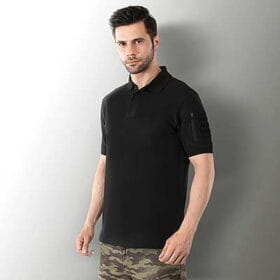
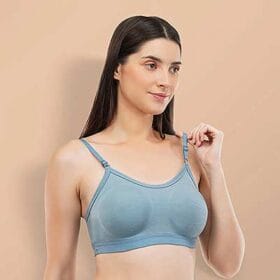

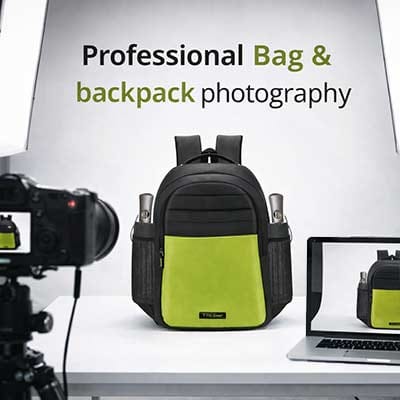

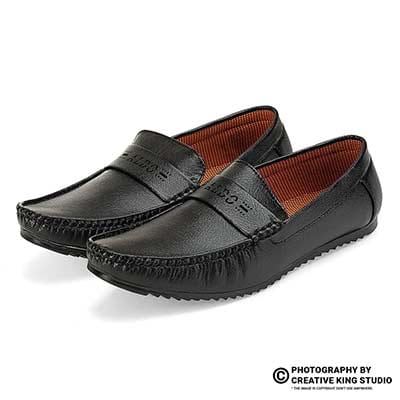
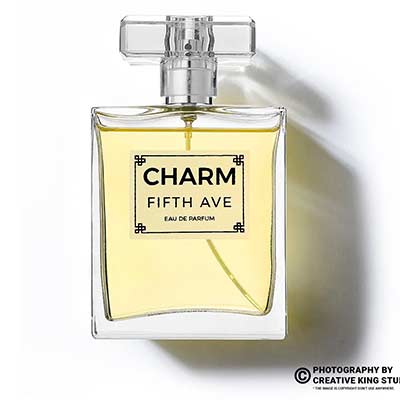
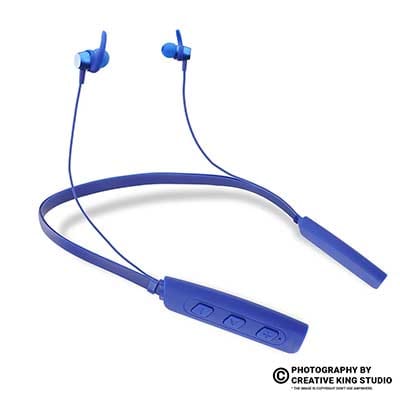
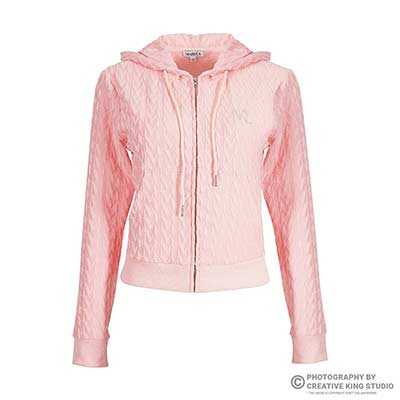
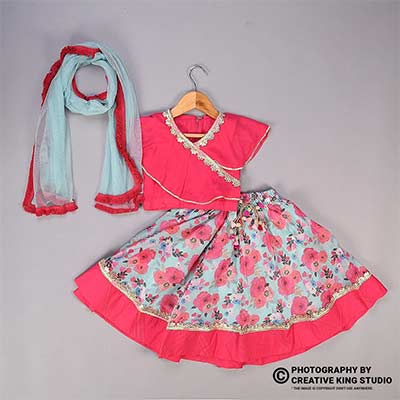
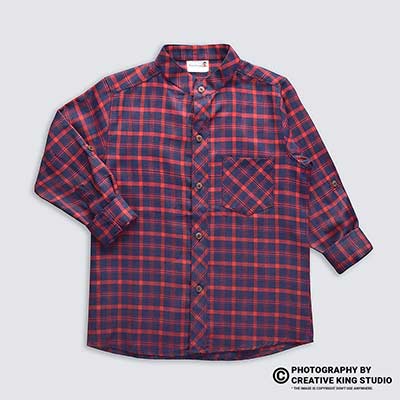
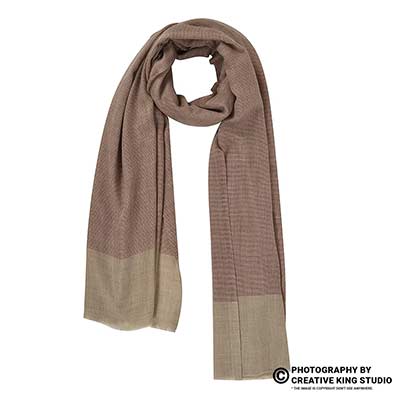
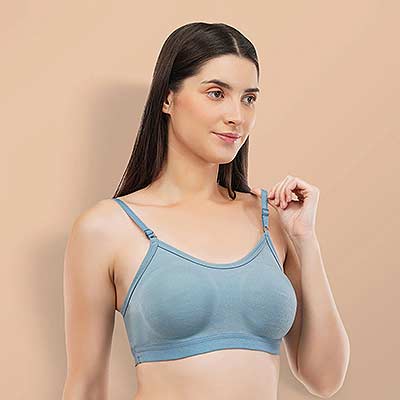
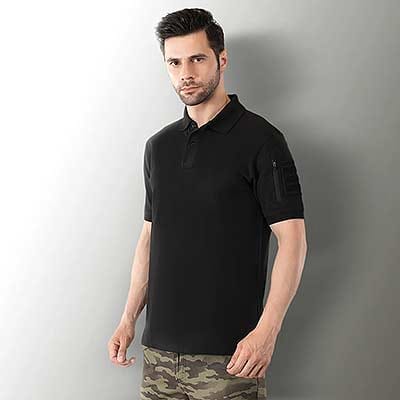

Something shifted in Indian ecommerce video over the last twelve months — and most sellers are still shooting like it’s 2023. Polished studio ads, slow product reveals, dramatic music, voice-of-god narration. They still look beautiful. They just don’t convert the way they used to. UGC video trends 2026 are pulling in a completely different direction: raw, vertical, voice-led, shoppable, and built for the three-second swipe.
This trend report is for ecommerce sellers — the ones running Amazon listings, Flipkart catalogues, Myntra studio shoots, Ajio collections, Instagram Shops — who can feel the ground moving under their video budgets. By the end of it, you’ll know which formats are pulling the most weight in 2026, which AI voiceover tools are now legitimate production options, and how shoppable content is closing the gap between discovery and checkout. We’ve built this from what’s actually working inside ecommerce video production at Ckstudio right now — not from secondhand trend reports.
Key Takeaways
- Vertical 9:16 is now the default, not the exception — Amazon, Flipkart and Myntra all prioritise short vertical video on product pages.
- AI voiceover has crossed the quality threshold — tools like ElevenLabs and Murf are production-grade for Indian English, Hindi and regional languages.
- The first 3 seconds carry 80% of the work — hook with the objection, not the product.
- Shoppable video closes the loop — Instagram Shops, YouTube Shopping and Meta Shops now reward video-tagged listings.
- UGC looks raw but is directed — the rawness is intentional, and that’s where professional studios still earn their fee.
What “UGC Video” Actually Means in 2026
The term has stretched. Five years ago, UGC meant customer-submitted clips — phone footage from real buyers. In 2026, UGC has become a style more than an authorship category. Most of what gets called UGC today is professionally directed, scripted and lit to look authentic. The signal viewers respond to isn’t who shot it — it’s how it feels. Handheld. Vertical. Conversational. Lit by a window, not a beauty dish.
This matters because brands that ignored UGC on principle — “we’re a premium brand, we don’t do that” — are now losing share to D2C newcomers who treat creator-style content as their primary format. The aesthetic has become a trust signal. Pristine studio polish now reads, paradoxically, as distance. Authentic-looking video reads as proximity. For Amazon, Flipkart and Myntra sellers, this is no longer optional context — it’s the operating environment, and our team at ecommerce video specialists at Ckstudio has shifted production accordingly.

Studio polish vs UGC authenticity — same product, very different conversion behaviour
Why This Trend Matters Right Now
Three forces converged in the last eighteen months. One, mobile-first buying crossed the 80% mark on most Indian marketplaces — vertical video is no longer a “nice to have” for the mobile experience. Two, AI voiceover tools quietly became indistinguishable from human voice talent for short-form work, collapsing the cost of localised video by 70–90%. Three, the platforms themselves — Instagram, YouTube, Meta — opened shoppable video formats that turn a 20-second clip into a checkout flow.
The combined effect is that a small Flipkart or Myntra seller can now produce localised, shoppable, conversion-optimised video at a price point that was simply impossible in 2023. The bottleneck has shifted from production cost to creative strategy. Sellers who understand what to shoot now have an outsized advantage. That’s exactly what makes 2026 a window. Amazon-focused sellers who shifted budgets early are already seeing it pay back.
Real UGC Footage vs AI-Generated Video — Why Real Still Wins
AI video generation made a lot of noise in 2025. Some of it deserved attention. Most of it doesn’t survive contact with an actual product page. Here’s how the two approaches compare for ecommerce in 2026:
| Factor | Real UGC / Studio Video | AI-Generated Video |
|---|---|---|
| Product accuracy | Pixel-true colour, texture, fit, scale | Drifts on texture, struggles with fabric and reflections |
| Marketplace compliance | Approved by Amazon, Flipkart, Myntra, Ajio | Increasingly flagged or down-ranked by platforms |
| Trust signal | High — buyers recognise authenticity | Low — uncanny details break trust within 2 seconds |
| Returns rate | Lower — accurate expectations | Higher — actual product mismatch is the #1 return reason |
| Brand longevity | Reusable assets, library compounds over time | Disposable, often re-generated for each campaign |
| Best use case | Product pages, hero ads, shoppable content, social proof | Concept reels, B-roll, internal mood boards |
The honest read in 2026 is this: AI is brilliant for ideation, storyboarding and rough internal mockups. It is not yet a replacement for filmed product footage on a listing that’s competing for the buy box. Sellers who deploy AI-generated video as primary catalogue content are not just hitting a wall on conversion — they’re starting to hit a wall on platform compliance too.
The 7-Step UGC Video Framework for 2026
This is the working framework Ckstudio uses on ecommerce video shoots in 2026. It’s deliberately structured for sellers who need a repeatable process — not one-off creative inspiration.
Define the Buyer Moment
Before anything else, name the exact doubt the video has to resolve. “Does this fit a size 38?” “Is the colour true to photo?” “Is the leather real?” The video isn’t about the product — it’s about the doubt. One video, one doubt.
Write the First 3 Seconds
The hook is everything. In 2026, the best-performing hooks name the objection directly: “If you’re worried this kurta won’t fit a 42 chest, watch this.” No setup, no logo reveal, no music build. The objection in the first frame.
Cast for Relatability, Not Polish
A relatable creator or in-house team member outperforms a model in almost every UGC test we’ve run. The viewer needs to think “this person is like me,” not “this is a paid actor.” For fashion, this also lets you show real-body fit — a 2026 conversion lever. For higher-end shoots where a model is required, our model photoshoot team in Delhi still directs everyone to play it conversational.
Shoot Vertical 9:16 by Default
Horizontal is for YouTube long-form only. Everything else — Reels, Shorts, Amazon listing video, Flipkart product video, Meta Shops — is vertical. Shoot 4K vertical so you can crop down for square placements later without losing quality.
Layer AI Voiceover for Scale
For multilingual variants — Hindi, Tamil, Telugu, Bengali — AI voiceover is now production-ready. Script in Indian English first, then run through ElevenLabs or Murf for regional language voiceovers. One shoot becomes 6–8 localised cuts.
Add Shoppable Layers
Tag products in Instagram Shops, YouTube Shopping and Meta Shops. For Flipkart and Myntra, link the video to the listing PDP. The video doesn’t end with a CTA — it ends with a tappable product. The path from view to checkout should be one finger movement.
Cut Platform-Specific Edits
Don’t post the same edit everywhere. Reels rewards motion in the first second. YouTube Shorts rewards retention curves. Amazon product video wants the product visible from frame one. One master shoot, six tailored cuts.
The brands winning in 2026 aren’t the ones with the biggest video budgets — they’re the ones who understood that UGC is a discipline, not a shortcut. Raw on the surface, structured underneath.
— Prince, Founder, CkstudioWhat 2026’s Winning Formats Actually Look Like
Format 1 — The 15-Second Objection Killer
A real customer (or creator) names the doubt in the first three seconds, demonstrates the product in the next eight, and lands on a tappable shoppable tag in the final four. Used heavily on Instagram Reels and YouTube Shorts. Tested well for beauty, fashion and kitchenware. Pairs beautifully with beauty and cosmetic content where texture and finish need to be seen live.
Format 2 — The Vertical Try-On Reel
Particularly strong for Myntra, Ajio and Instagram Shops. A real-bodied model (size-inclusive, please) tries on three to four variants in 30 seconds, with on-screen text calling out fabric, fit and styling notes. Our fashion-focused video team shoots this format weekly now — it converts harder than static lookbook shots ever did.
Format 3 — The Unboxing Hook Video
30–45 seconds. Phone camera angle. No tripod. Real unboxing of the actual product as it arrives. This format is now table stakes for D2C launches and is increasingly winning Amazon EBC and A+ content slots, especially in electronics and home essentials.
Format 4 — The Voice-Led Demo
AI voiceover, on-screen product close-ups, hand-held but stabilised. 20–30 seconds. Used for product features that need explanation — gadgets, kitchen tools, beauty devices. Works exceptionally well for Amazon listing video because it covers feature education without needing a presenter on camera.

UGC look, professional discipline — a typical 2026 vertical shoot setup
Common UGC Video Mistakes That Kill Conversion
Many brands open with a glossy logo animation and then cut to handheld UGC. Viewers detect the mismatch instantly. Either commit to UGC end-to-end or commit to studio polish — never both in the same video.
The hook isn’t the second-most important thing. It’s the only thing. If the first frame doesn’t name the buyer’s doubt or curiosity, the rest of the video never gets watched.
AI is good at voiceover and terrible at product imagery. Most brands have this exactly inverted in 2026. Real garment footage is still non-negotiable; AI voice for localised cuts is fine.
The same 30-second cut posted across Reels, Shorts, Amazon, Flipkart and YouTube will underperform on at least four of them. Cut platform-specific.
If your video doesn’t end with a tappable product, you’re paying for views you can’t convert. Instagram Shops, YouTube Shopping and Meta Shops have made this trivial in 2026 — there’s no reason not to.
Advanced Pro Tips for 2026
Shoot RAW vertical 4K and crop down. Always shoot wider than the final 9:16 frame so you can reframe and stabilise in post. This single discipline doubles the lifespan of every shoot.
Voiceover-first scripting. Write the script for the ear before writing it for the eye. Read it aloud. If it sounds written, rewrite it. AI voiceover tools amplify whatever voice is in your script — make sure that voice is conversational.
Layer captions natively. 85% of Reels and Shorts viewing in India is muted-first. Burn captions into the video, don’t rely on auto-captions. Use bold display fonts at 70% screen height for thumb-zone readability.
Build a UGC library, not a campaign. Shoot 20 short clips in one session, edit out 12 separate videos. A library compounds. A campaign expires.
Tools and Equipment We Actually Use in 2026
Sharing the working stack from inside our studio so you can benchmark your own. None of this is theoretical — these are the tools our portfolio work is built on right now.
Sony A7R V + Canon R10
Full-frame mirrorless for product hero shots; the R10 for vertical handheld UGC capture. Both shoot 4K at 60fps for vertical reframe-ability.
50mm for general, 100mm macro for detail
50mm gives the natural handheld perspective most UGC needs. 100mm macro for jewellery, fabric weave, packaging textures.
Godox SK 400II × 4 + Elinchrom FRX 400 × 2
Strip softboxes for soft falloff on garment shoots; octa for beauty close-ups. Beauty dish reserved for fashion model work.
ElevenLabs · Murf · Speechify
ElevenLabs leads on emotional range for Indian English; Murf is reliable for clean explainer voice; Speechify for rapid multilingual cuts.
DaVinci Resolve · Premiere Pro · CapCut Pro
Resolve for colour-critical master grades; Premiere for client revisions; CapCut Pro for quick platform-specific cuts.
Instagram Shops · YouTube Shopping · Meta Shops
The three shoppable layers that matter in India today. Flipkart and Myntra video uploads round out the channel set.
Ready to Build Your 2026 UGC Video Library?
Ckstudio specialises in ecommerce video that looks UGC and converts like a studio shoot. Let’s plan your shoot.
Implementation Checklist — Your 2026 UGC Video Launch
Pre-Production
Production
Post & Distribution
What to Watch in Late 2026 and Beyond
Three signals are worth tracking from now into 2027. First, interactive video — clickable hotspots inside the video itself, not just at the end. Meta and Instagram are both running early tests in India. Second, AI-translated lip-sync, where a single shoot is re-mouthed in Hindi, Tamil and Telugu without re-shooting. The tech is at “good enough for 30 seconds” right now and will be production-grade by Q4 2026.
Third, marketplace-native video commerce. Flipkart and Myntra are both expanding their in-app video discovery layers, which means video may soon become an organic ranking signal — not just a conversion asset. The sellers who build a video library now will have a structural advantage when that shift lands. For deeper context on listing-level video specs, Amazon Seller Central India and Flipkart Seller Hub publish updated guidelines worth bookmarking.
FAQ — UGC Video Trends 2026
What is UGC video and why does it matter for ecommerce in 2026?
UGC video is user-generated, creator-style content that feels native to social platforms. In 2026, it consistently drives higher trust and conversion than polished brand ads on Amazon, Flipkart, Myntra and Instagram Shops, because viewers read its rawness as authenticity.
Is AI voiceover good enough for product videos?
Yes — for product demos, listicles, voice-led explainers and multilingual edits. Tools like ElevenLabs and Murf now produce broadcast-quality voiceovers in Indian English, Hindi and most regional languages at a fraction of studio cost. We still recommend human voice for high-emotion brand storytelling.
Which platforms support shoppable video in India today?
Instagram Shops, YouTube Shopping, Meta Shops, Flipkart video commerce and Myntra Studio are the most active in 2026. Amazon supports video on PDP and A+ content. Ajio and Meesho are catching up rapidly with native video discovery feeds.
Do I still need a professional studio if UGC looks raw?
Yes. UGC looks raw but is carefully directed. A studio like Ckstudio handles framing, lighting, sound, edits and platform specs so the rawness is intentional — not amateur. The difference shows up in conversion rate, not aesthetic.
How long should a UGC product video be in 2026?
15–30 seconds for Reels, Shorts and TikTok. 30–60 seconds for shoppable feeds and Instagram Shops. 6–15 seconds for Amazon and Flipkart product page videos. The hook must land inside 3 seconds regardless of total length.
Can AI-generated visuals replace real product footage?
No. AI visuals fail on texture, fit, colour accuracy and trust. Marketplaces are increasingly flagging AI-generated product imagery in 2026. Real footage shot by professional teams remains the ranking and conversion standard for product pages.
How much does professional UGC-style video production cost in Delhi?
Pricing varies with shoot scope, casting and number of platform-specific cuts. For a typical ecommerce seller producing 6–10 short videos in a single shoot day, Ckstudio’s packages start in a competitive range for Delhi. Reach out at [email protected] for a custom quote.
Conclusion — The 2026 Window Won’t Stay Open
UGC video trends 2026 aren’t a fad — they’re the new default. Short-form vertical, AI voiceover, and shoppable layers are settling into the standard production stack for Indian ecommerce. Sellers on Amazon, Flipkart, Myntra and Ajio who shift their video budget toward this stack this quarter will compound an advantage for the next eighteen months. Those who wait until 2027 will be entering a saturated field.
The good news is that the playing field is wider open right now than it has been at any point in the last five years. The combination of AI voiceover, vertical capture and shoppable distribution has collapsed the cost barrier. The bottleneck is creative discipline — and that’s exactly what Ckstudio has been refining inside our studio for over nine years. If you’re ready to translate this trend into a shoot calendar, we’re a call away.
Let’s Build Your 2026 Video Library
From concept to shoppable cuts — Ckstudio handles the full ecommerce video pipeline. Talk to Prince about your next shoot.
