
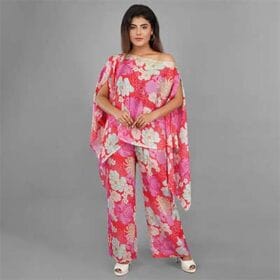
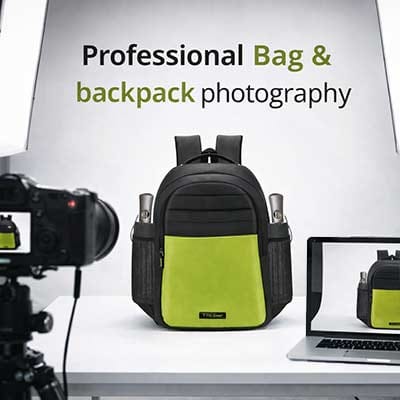
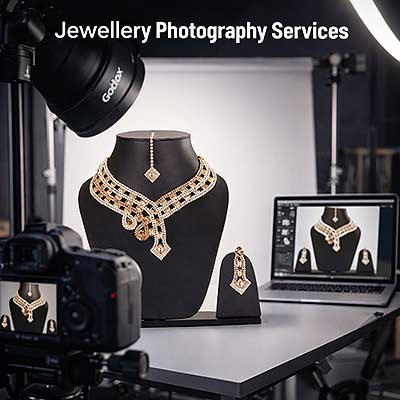
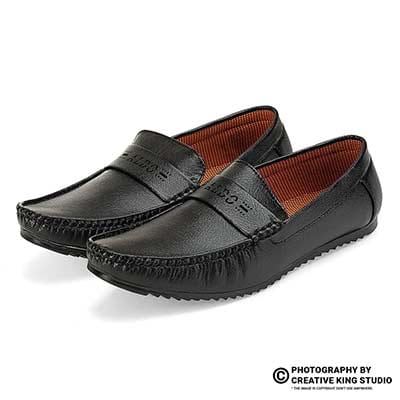
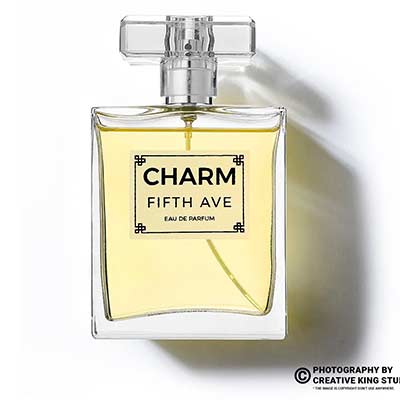
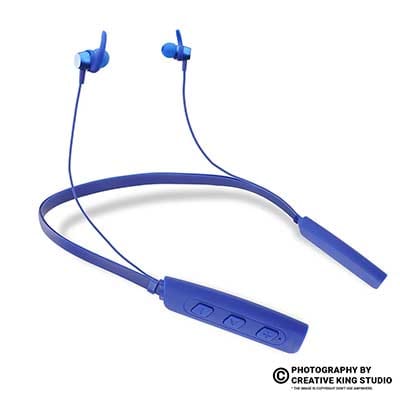
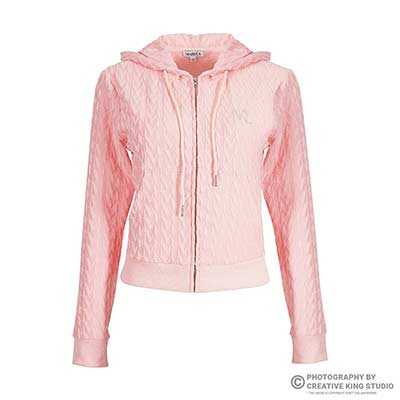
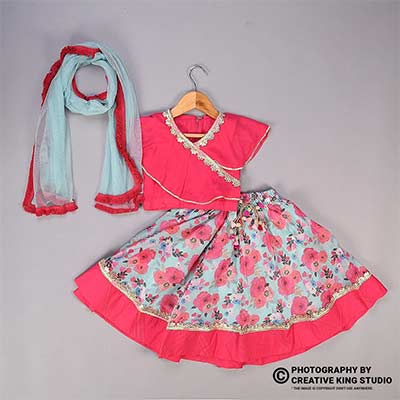
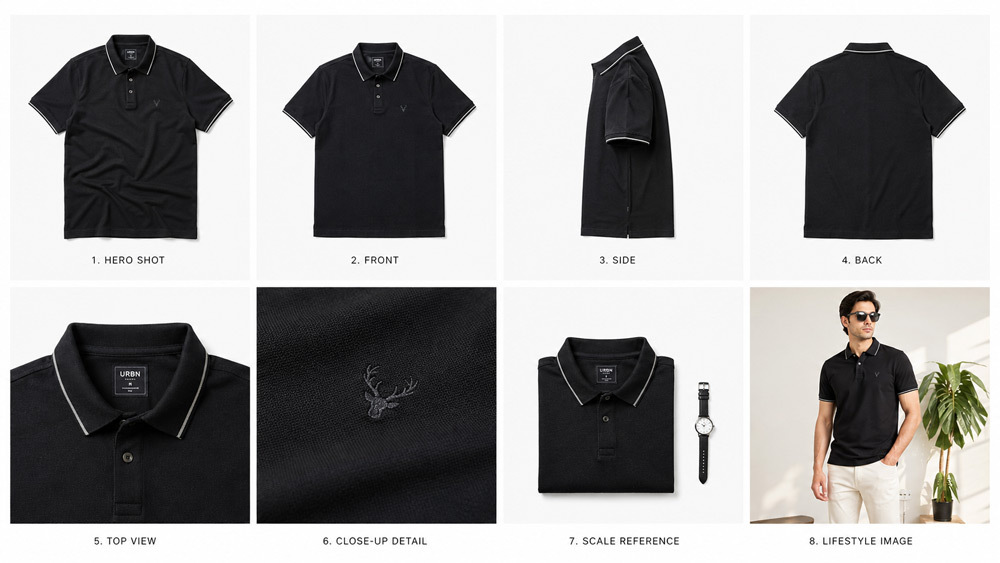
Most sellers ask the same question before their first shoot: “How many ecommerce product photos do I actually need?” The answer looks simple on the surface — Amazon says up to nine, Shopify says as many as you want — but the real question isn’t about slot count. It’s about what each image should do.
At Ckstudio, a Delhi NCR ecommerce photography studio, we have shot for over 500 brands and 50,000+ SKUs across Amazon, Flipkart, Myntra, Meesho and D2C Shopify stores. The pattern is always the same. Listings with a purpose-built ecommerce product photos set convert two to three times better than listings that just fill slots with the same product from slightly different angles.
This guide gives you Ckstudio’s proven 8-image framework, mapped to Indian marketplace requirements, category-specific needs and real buyer psychology. By the end, you will know exactly how many ecommerce product photos to shoot, which angles to prioritise, where video fits in, and how to plan a shoot that scales from ten SKUs to ten thousand. If you need help executing any of this, Prince and the Ckstudio team are on +91-8700258773 or [email protected].
Table of Contents
- Why the Right Number of Ecommerce Product Photos Matters
- The Ideal Number of Ecommerce Product Photos Per Listing
- Marketplace-Wise Ecommerce Product Photos Requirements
- Category-Wise Product Photo Count
- Do You Need Product Videos Along With Ecommerce Product Photos?
- Common Mistakes Sellers Make With Ecommerce Product Photos
- How Ckstudio Plans the Right Number of Ecommerce Product Photos
- FAQs on Ecommerce Product Photos
- Final Verdict: How Many Ecommerce Product Photos to Shoot
🎯 Key Takeaways
- The sweet spot is 6 to 8 ecommerce product photos per listing — enough to answer every buyer question without diluting focus.
- Every image should have a single job — hero, angle, detail, scale, lifestyle, infographic, packaging or comparison.
- Marketplace slot counts differ: Amazon India allows 7–9, Flipkart 8, Myntra 4–6, Meesho 4–5 and Shopify unlimited.
- Apparel and jewellery need the fullest image sets; small utility products can convert with 5–6 well-planned shots.
- Adding one 15–30 second video alongside your image set can lift conversions by up to 30% on marketplaces.
Why the Right Number of Ecommerce Product Photos Matters
Product images are the single biggest lever on any online listing. Text tells, but photos sell. When a shopper lands on your product page, they scan the gallery before they ever read the title, price or description. If the ecommerce product photos don’t answer their unspoken questions — what does it look like from the back, how big is it, will it fit my life — they bounce.
The right number of ecommerce product photos isn’t a marketplace rule to satisfy; it’s a conversion tool. Missing images cost you sales, and unnecessary duplicates dilute the ones that matter. Ckstudio has audited hundreds of underperforming listings, and nine times out of ten the problem is the same: too many redundant angles, too few purposeful ones.
The commercial impact is measurable. According to Baymard Institute’s ecommerce UX research, missing product images are one of the top three reasons shoppers abandon a purchase. Our own before-and-after audits at Ckstudio show D2C brands lifting conversion by 40–70% simply by rebuilding their image set around a proper framework rather than adding more photos.
If you want to see the broader ROI picture, our post on how product photography improves conversions on Amazon and Flipkart breaks down real numbers. Our study on reducing returns with better product images shows the flip side — bad photos don’t just kill sales, they inflate returns.
The Buyer Psychology Behind Product Images
Indian ecommerce buyers are cautious. They swipe through every image before they scroll to reviews, and they zoom, pinch and rotate looking for reasons to not buy. This is where a complete image set earns its place.
A hero on pure white builds instant credibility. A back-of-product angle removes doubt. A detail shot answers the “will this feel cheap” question. A scale reference kills the “it looked bigger in the photo” complaint that fuels returns. When your ecommerce product photos anticipate each of these mental checkpoints, the buyer stops looking for reasons to leave and starts imagining ownership. That single shift is what separates a 2% conversion listing from a 5% one.
The Cost of Too Few (or Too Many) Product Photos
Underspending on images is expensive. A ₹499 shirt with three low-effort photos will lose to a competitor with eight well-planned shots every single time, even if the product is identical. But overspending is also wasteful — shooting fifteen angles of the same water bottle wastes studio time, editing budget and buyer attention.
The buyer only has ten to fifteen seconds of gallery patience before they scroll. Every extra image beyond that dilutes the ones that actually convert. Ckstudio’s rule of thumb: shoot the minimum number of e-commerce product photos that answer every buyer question, then stop. That number is almost always 6 to 8 per SKU. Our detailed ecommerce photography pricing guide for 2026 walks through how to budget for exactly this image set without paying for shots you don’t need.
The Ideal Number of Ecommerce Product Photos Per Listing
If you want one answer to hang your whole strategy on, here it is: shoot 6 to 8 ecommerce product photos per SKU, with an optional video. Six is the practical minimum for most product categories; eight is the sweet spot for anything a buyer needs to touch, wear or examine. Anything above eight only pays off for high-consideration categories like fashion, jewellery, furniture and premium D2C.
Ckstudio arrived at this number after analysing thousands of listings across Amazon, Flipkart and Shopify, and it holds across price points and platforms. The reasoning is simple — every marketplace’s average gallery scroll depth is around six to nine images before a buyer either adds to cart or bounces. Below is Ckstudio’s 8-image framework — the exact template our studio uses for every fashion, lifestyle and beauty SKU.
Each slot answers a specific buyer question, and the sequence itself is deliberate. If you are working with a limited budget, drop slot 8 first, then slot 7, and hold onto slots 1 through 6 no matter what. For a deeper walkthrough of how professional studios plan and execute this, see our complete guide to ecommerce photography services in 2026 and the operational side in our ecommerce photography workflow breakdown.
The 8-Image Framework Every Listing Needs
This framework is Ckstudio’s proprietary template — refined across nine years of shooting for D2C brands, marketplace sellers and fashion houses. It maps every image slot to a specific buyer intent, so nothing is wasted and nothing is missing.
The order is optimised for gallery flow: the buyer’s eye moves from clarity (hero) to spatial understanding (angles) to detail confidence (macro), then to context (lifestyle) and finally to reassurance (packaging). The 8-image framework works across every category we shoot, from apparel to jewellery to home goods.
Hero Image (White Background)
The main image every marketplace requires. Pure white background, product centred, sharp focus, no props or lifestyle elements. This is the thumbnail buyers see in search results, so it does 70% of the click-through work.
Front, Side & Back Angles
Three axis views that let buyers rotate the product in their head. Especially critical for apparel, footwear, bags and electronics where the back or side reveals design or function.
Top & Bottom Views
Reveals surfaces the buyer can’t see in axis shots — the sole of a shoe, the base of a cosmetic jar, the top of a handbag. Skip only if the product is truly single-surface.
Close-Up Detail Shot
Macro image showing texture, stitching, engraving, finish or material grain. This is the image that answers the “will this feel cheap?” question and single-handedly reduces returns.
Scale Shot (In-Hand or Reference)
Product held by a hand, worn on a wrist, or shown beside a familiar object. Kills the “smaller than expected” return reason and improves size confidence.
Lifestyle / In-Use Image
Product being used in its real environment — a handbag on a shoulder, cosmetics on a vanity, a lamp beside a bed. This is the emotional sell, and it’s what turns intent into a purchase.
Infographic / Feature Callout
Image with text overlays highlighting dimensions, materials, key features or benefits. Amazon A+ style. Answers questions before the buyer scrolls to the description.
Packaging / Unboxing Shot
Shows what actually arrives at the door — box, wrapping, inclusions. Builds gifting confidence, reduces “not as expected” complaints and boosts perceived value.
1. Hero Image (White Background)
The hero image is non-negotiable. Every marketplace — Amazon, Flipkart, Myntra, Meesho, Ajio, Shopify — requires a clean white background primary image, and this is the single photograph that determines your click-through rate from search results.
At Ckstudio we shoot the hero on seamless white paper or in a purpose-built cyc, with soft even lighting, sharp focus edge-to-edge and the product filling 85% of the frame. Save it as a pure #FFFFFF background, minimum 1500 pixels on the longest edge, and never include text, watermarks or props. If you sell on multiple platforms, this one image can be reused across all of them — which is why it’s worth over-investing in.
2. Front, Side and Back Angles
Three axis views give buyers the mental rotation they need. Front shows the primary face, side reveals depth and profile, back shows what’s usually hidden. For apparel these three are absolutely mandatory. For gadgets, the back often shows the ports, brand mark or camera module that a buyer specifically searched for.
For jewellery, the side reveals thickness — often the deciding factor between “delicate” and “chunky”. Ckstudio shoots all three on the same white background as the hero for visual consistency, using the same lighting setup so the product looks like the same object across every gallery image.
3. Top and Bottom Views
Skip these only when they truly add nothing — a plain t-shirt back doesn’t need a bottom view. But for footwear the sole is often the most-clicked image; for cosmetics the batch code and ingredient panel matter for trust; for kitchenware the base reveals build quality. Adding these adds real value for the categories where buyers actually check them.
4. Close-Up Detail Shots
This is the image that separates premium listings from budget ones. A tight macro of a stitch, a clasp, a weave or a print reveals craftsmanship in a way no other slot can. For jewellery it’s the setting; for garments it’s the fabric texture; for leather goods it’s the grain and edge finish.
Ckstudio uses a 100mm macro lens with focus stacking for absolute edge-to-edge sharpness, because a soft macro shot does the opposite of what it should — it signals a cheap product. If you sell on Myntra where fashion detail matters or run a premium jewellery brand where the setting is the sell, the macro slot is arguably more important than the hero.
5. Scale Shot (In-Hand or With Reference)
Buyers consistently misjudge size from photos alone. A scale shot fixes this in one image. Show the product held in a hand, worn on a wrist, placed on a table beside a phone or a coin. This is the single most effective image slot for reducing size-related returns, and every fashion, accessory and homeware category benefits from it. For apparel, a model shot doubles as scale reference. For everything else, a hand or lifestyle object works.
6. Lifestyle / In-Use Image
Lifestyle images are where emotion enters the funnel. A candle glowing on a bedside table sells better than a candle standing on white. Cosmetics on a marble vanity outperform cosmetics on paper. A backpack on a real shoulder outperforms a backpack floating in space.
For fashion, this is often a full model photoshoot at our Delhi India studio; for lifestyle products it’s a styled flat lay or contextual set. Our post on product photography tips to increase ecommerce sales deep-dives into how to plan lifestyle shots that actually move the needle.
7. Infographic / Feature Callout
This is the image that steals traffic from buyers who don’t scroll to the description. Overlay a clean image with 3–5 short callouts — dimensions, materials, key features, warranty. Amazon calls this A+ style; Flipkart supports similar layouts; Shopify lets you go further.
Ckstudio designs these to be scannable in under three seconds, using brand fonts and colours so they double as marketing collateral. Our Amazon product infographic design service covers the full workflow from concept to compliant delivery.
8. Packaging or Unboxing Shot
The last slot is the trust builder. It shows what actually arrives at the door — the outer box, the tissue, the tag, the inclusions. For gifting-focused categories this is non-negotiable. For D2C brands building repeat customers, the packaging shot is often what someone screenshots for Instagram. If you plan to run UGC video content for your ecommerce listings, the packaging shot doubles as the visual reference for your creators.
Marketplace-Wise Ecommerce Product Photos Requirements in India
Every Indian marketplace has its own slot count, aspect ratio and background rules. Getting these wrong means listing rejections, poor quality scores or worse — invisible listings.
Below is Ckstudio’s up-to-date reference for the platforms Indian sellers actually use. If you’re managing a multi-platform catalogue, the good news is that the 8-image framework maps cleanly onto every one of these; you’re mostly just adjusting slot count and hero background compliance for each individual marketplace.
| Marketplace | Min Images | Max Images | Main Image Rule | Video Allowed |
|---|---|---|---|---|
| Amazon India | 1 | 7–9 | Pure white #FFFFFF, product fills 85% | Yes |
| Flipkart | 3 | 8 | White background, no watermark | Yes (via Rich Media) |
| Myntra | 4 | 6 | White or brand shoot, model preferred | Yes |
| Ajio | 4 | 6 | Model shot mandatory for apparel | Optional |
| Meesho | 1 | 4–5 | White or clean background | Yes (short form) |
| Nykaa Fashion | 3 | 6 | Model + product mix | Yes |
| Shopify / D2C | 1 | Unlimited | Brand’s choice | Yes |
Amazon India Product Image Requirements
Amazon India is the strictest of the major marketplaces on hero image compliance. The main image must be on pure #FFFFFF white, the product must fill at least 85% of the frame, and no text, watermarks, props or accessories are allowed. Amazon offers up to seven to nine gallery slots depending on the category, plus one main and one video slot.
Ckstudio’s strong recommendation is to fill every slot — Amazon’s own data suggests listings with full image sets convert significantly better and rank higher in search. See Amazon Seller Central India’s official image guidelines for the current spec. For a deeper Indian-market breakdown of what actually works, see Ckstudio’s Amazon product photography seller’s guide for 2026.
Flipkart Product Image Guidelines
Flipkart allows up to eight images with a minimum of three required for listing approval. The main image must be on a pure white background with no watermarks, and the product should be clearly visible without being cropped at the edges.
Flipkart’s Rich Media features (available to brand-registered sellers) let you add A+ style content and short videos, which our experience shows can lift conversion by 15–25% for fashion and lifestyle categories. Full spec details are on the Flipkart Seller Hub, and Ckstudio’s category-specific pointers are in our Flipkart photography guidelines beginner’s guide for 2026.
Myntra & Ajio Fashion Image Standards
Myntra and Ajio are fashion-first marketplaces, and their image requirements reflect it. Both platforms strongly favour model shots for apparel — a garment on a real body outperforms a ghost mannequin shot in almost every category. Myntra typically requires four to six images: a front model shot, a back model shot, a flat product shot, and detail close-ups.
Our ghost mannequin photography service is often the bridge for brands that can’t afford full model shoots for every SKU — it delivers the 3D shape effect without model costs. Brands shipping garments to sellers should also review our guide on preparing garments for an ecommerce model photoshoot before the shoot day.
Meesho, Nykaa Fashion & FirstCry Image Rules
Meesho is the most forgiving on image count — four to five images is standard, and even the hero requirement is looser than Amazon or Flipkart. That said, Meesho’s mobile-first buyer base is extremely visual, and sellers with cleaner, better-lit images consistently outsell those with phone-shot listings even at the same price point.
Our Meesho product photography beginner’s guide covers the full workflow. Nykaa Fashion sits between Myntra and Meesho on stringency — model shots preferred, six-image cap. FirstCry, focused on kids’ products, needs a scale shot in every listing so parents can gauge sizing.
Shopify & D2C Website Product Images
Shopify and other D2C platforms give you unlimited slots, which is a double-edged sword. More freedom means more mistakes. Ckstudio’s recommendation for D2C brands is to shoot the full 8-image framework plus one 15–30 second product video, and stop there. Beyond eight, buyers experience gallery fatigue and conversion drops.
What D2C brands should invest in instead is quality per image — brand-consistent lighting, colour grading and edit style that no marketplace forces on you. This is where a proper studio partnership pays back many times over. For pricing benchmarks see our product photography pricing guide for India in 2026, and if you’re scaling fast, read scaling product photography from 50 to 500 SKUs.
Category-Wise Product Photo Count
The 8-image framework is a starting point, not a rigid rule. Apparel needs more images than a phone charger. Jewellery needs more macro shots than furniture. Below is Ckstudio’s category-adjusted image count matrix — refined across nine years of shooting for D2C brands and marketplace sellers across every major product vertical in India.
| Product Category | Recommended Count | Must-Have Slots | Recommended Add-Ons |
|---|---|---|---|
| Apparel & Fashion | 8–10 | Model front/back, ghost mannequin, detail, scale | Lifestyle set, video |
| Jewellery | 8–12 | Hero, angles, macro, in-hand, 360° | Model shot, lifestyle |
| Beauty & Cosmetics | 6–8 | Hero, ingredient panel, texture, swatch | Model application, lifestyle |
| Electronics & Gadgets | 6–8 | Hero, angles, ports/back, in-hand, infographic | Unboxing video |
| Home & Kitchen | 6–8 | Hero, top view, in-use, scale, packaging | Lifestyle room set |
| Footwear | 7–9 | Hero, side, back, sole, top, model shot | Detail on stitching |
| Furniture | 8–12 | Hero, angles, detail, scale, room lifestyle | 360° view |
| Kids & FirstCry | 6–8 | Hero, scale, safety detail, packaging | Kid in-use lifestyle |
Apparel & Fashion (Ghost Mannequin + Model)
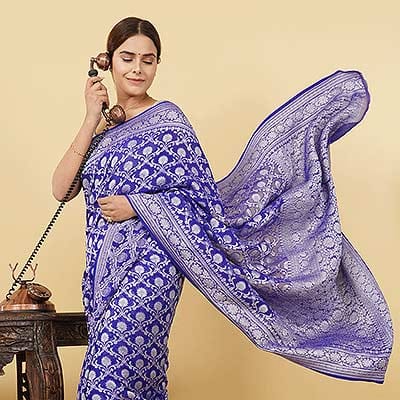
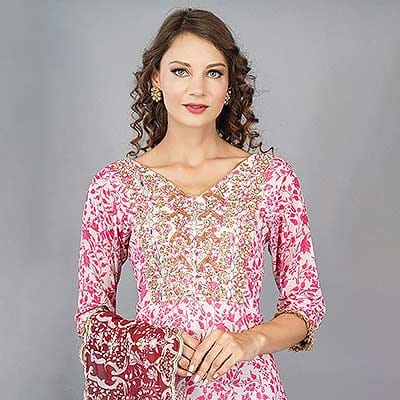
Fashion needs the most images because buyers make the most sensory judgments — fit, feel, drape, colour. Ckstudio’s recommended set for apparel is a front model shot, a back model shot, a ghost mannequin for shape, a detail close-up on fabric and stitching, and a scale/context shot. Add a lifestyle set if the brand is D2C.
For brands shooting at scale, ghost mannequin is often more cost-efficient than repeat model shoots — see our detailed ghost mannequin guide for Amazon, Myntra and Flipkart listings and our comparison of AI ghost mannequin versus traditional photography in Delhi. Prince and the Ckstudio team recommend a hybrid: ghost mannequin for the volume, real model shots for the hero SKUs.
Jewellery (Macro + 360°)
Jewellery is the category where macro rules everything. A ring on a plain white background sells; the same ring shot in tight macro showing the setting, the prongs and the stone clarity sells for 30–40% more. Ckstudio’s recommended set is a hero, three axis angles, a tight macro of the setting, an in-hand or on-body scale shot, and if budget allows, a 360° view.
See our full complete jewellery photography guide for Indian ecommerce in 2026 and our production jewellery photography shot-list checklist. Lighting technique matters even more than count here — our lighting studio walkthrough is in jewellery photography lighting techniques.
Beauty, Skincare & Personal Care
Beauty listings need a hero, a clean ingredient panel shot, a texture or swatch image, an application lifestyle, and packaging. Six well-executed slots outperform ten mediocre ones in this category. Colour accuracy is critical — a lipstick that looks the wrong shade on the listing is an immediate return.
Ckstudio calibrates monitors and uses colour reference charts on every beauty shoot to eliminate this risk, a process detailed in our beauty and cosmetic photography service page.
Electronics, Gadgets & Accessories
Electronics need to prove they work, not just exist. Alongside the standard hero and angle shots, include a back-panel shot showing ports and buttons, a scale shot showing the device in-hand, and an infographic overlay highlighting key specs. Six to eight images is enough for most gadgets; add an unboxing video if you’re selling anything over ₹2000. Explore our electronic product photography services and mobile accessories photography for category-specific portfolios.
Home, Kitchen & Lifestyle Products
Home and kitchen products convert on context. A pan on white sells; a pan on a hob sizzling with vegetables sells better. Six to eight images works, with strong emphasis on a lifestyle room set showing the product in its real environment.
See our kitchen product photography portfolio and lifestyle product photography service for how we plan these shoots. The flat lay photography approach also works particularly well for smaller lifestyle products where an overhead composition tells the story better than an angle shot.
Need Ckstudio to Plan Your Entire Image Set?
From single-SKU tests to 1000+ product catalogues — Prince and the Ckstudio Delhi NCR team build shot lists mapped to your marketplaces and categories. Talk to us before your next shoot.
Do You Need Product Videos Along With Ecommerce Product Photos?
Short answer: yes, and it’s the highest-ROI addition you can make to your image set today. Every major Indian marketplace now supports video, and buyers consistently rate video-enabled listings as more trustworthy.
A 15–30 second product video sits alongside your ecommerce product photos and does the one thing a still image can’t — it shows the product in motion, being handled, opened, worn or used. Amazon and Flipkart both surface video-enabled listings higher in some categories, and Myntra actively rewards them.
When a Video Beats More Images
If you have to choose between shooting the 9th and 10th angles or adding a 15-second video, always pick the video. This is especially true for anything with movement, opening mechanics, or texture — fashion, footwear, bags, cosmetics with swatches, gadgets with interfaces.
Our study on UGC videos versus brand videos on Amazon, Flipkart, Myntra and Meesho compares which formats convert best per platform. For D2C brands running paid social alongside the store, the same video powers your ad creative too — a full breakdown is in UGC video production for social media ads.
Recommended Video Length and Type Per Category
Ckstudio’s video length benchmarks: 10–15 seconds for accessories and beauty; 15–20 seconds for gadgets and homeware; 20–30 seconds for apparel with a model try-on; 30–45 seconds for D2C brand story videos.
Aspect ratio matters — shoot square (1:1) for marketplace listings, and shoot a 9:16 vertical cutdown for Instagram and social ads. Both come out of the same shoot day at Ckstudio’s video production studio. For creator-led content, the UGC video creation guide for India 2026 is the most complete resource we’ve published.
Common Mistakes Sellers Make With Ecommerce Product Photos
Every week Ckstudio audits listings for prospective clients, and the same handful of mistakes appear across categories and price points. Fixing any one of these usually delivers a measurable conversion lift within a week. The good news is that all four are structural, not budget-dependent — a small seller can fix them just as fast as a big brand.
Uploading Too Few Angles
The most common mistake: three images, all from the front, at slightly different distances. This is a wasted image set. If a buyer has to guess what the back looks like, they leave. Fill at least six slots with genuinely different views. Even a small seller with a single SKU can shoot six purposeful angles in an hour.
Ignoring Scale and Detail Shots
Skipping the scale shot causes returns; skipping the macro causes lost sales at the premium tier. Both are cheap to shoot and disproportionately valuable. Ckstudio treats them as non-negotiable on every shoot brief.
Inconsistent Editing Across SKUs
When one SKU’s white background is warmer than another’s, or the shadows fall differently across products, your catalogue looks amateur even if each individual image is technically fine. Establish a colour grading and shadow template at the start of your catalogue, and apply it uniformly. This is where a studio partnership beats freelance shoots — Ckstudio’s editing workflow enforces consistency across thousands of SKUs.
Missing Lifestyle Context
Many marketplace sellers skip lifestyle entirely, assuming the white background hero and angles are enough. They convert far worse than sellers who add even one lifestyle image. The emotional sell matters, especially for gifting, home and beauty categories.
Real product photos always outperform AI-generated ones for hero, angle and detail slots. AI product photography is useful for background swaps, lifestyle context extensions and scaling, but the buyer’s trust image — the one they zoom into — must be a real photograph of the real product. Anything else risks marketplace violations and buyer complaints. We covered the full trade-off in our detailed post on real photography vs AI-generated product images and the follow-up AI ecommerce photography vs professional studios in 2026.
How Ckstudio Plans the Right Number of Ecommerce Product Photos Per SKU
Every shoot at Ckstudio starts with a shot list — never with the camera. Before a single product hits the studio floor, Prince and the team map out exactly how many ecommerce product photos each SKU needs, what each slot must show, and which marketplace each image is optimised for.
This upfront planning is what makes the difference between shooting 500 SKUs efficiently and shooting them expensively. For readers curious about the mechanics of a professional shoot, our behind-the-scenes of product photography walkthrough shows the exact process end to end.
Our Pre-Shoot Image Planning Checklist
The Ckstudio pre-shoot checklist covers ten items per SKU: primary marketplace, category, hero background rule, required angle count, macro focus point, scale reference type, lifestyle context, infographic elements, packaging need, video requirement. Ten minutes of planning per SKU saves an hour of reshoot time.
Larger brands get a full catalogue plan mapped in a spreadsheet before shoot day. If you’re weighing agencies against in-house teams, our comparison of in-house vs agency production models maps the trade-offs. Sellers picking a studio for the first time should read how to choose the best ecommerce photography company and, if you’re Delhi-based, how to choose the best product photography studio in Delhi NCR.
Studio Setup, AI Product Photography & Editing Workflow
Ckstudio’s shoots run on professional full-frame mirrorless bodies (Canon R5 for detail, Sony A7R V for volume), with a lens kit built around a 100mm macro for jewellery and detail work, a 50mm and 85mm for general product, and a 24-70mm for lifestyle.
Lighting is a mix of four Godox SK 400II strobes and two Elinchrom FRX 400s driving four strip softboxes and two octaboxes for even, edge-to-edge product light, plus a beauty dish for model and fashion work. AI product photography enters our workflow selectively — background swaps, scale extensions and lifestyle scene generation — but never for the hero, angle or detail slots.
Editing runs through a standardised Photoshop and Capture One pipeline enforced by Ckstudio’s colour and shadow templates. For a peek at how we’ve evolved this over the years, see what makes the top product photographers in Delhi and our internal product photography guide for Indian brands.
FAQs on Ecommerce Product Photos
The questions Ckstudio hears every week from D2C founders, marketplace sellers and category managers about e commerce product photos. If yours isn’t here, WhatsApp Prince on +91-8700258773 — real answer, not a bot reply.
For most listings, 6 to 8 ecommerce product photos work best — a hero image on pure white, three or four angle shots, one detail close-up, one scale reference and at least one lifestyle image. High-consideration categories like apparel and jewellery benefit from 8 or more, while simple utility products can convert with 5–6 well-planned shots.
Amazon India offers 7 to 9 image slots per listing depending on the category, plus one main image and an optional product video. Ckstudio strongly recommends filling every available slot with a purpose-built image — Amazon’s own data shows fully-populated galleries rank and convert better.
The main image must be on pure white for marketplace compliance, but lifestyle photos are what actually drive conversions. A balanced mix of a white background hero, technical angles and real-world lifestyle images is ideal. Fashion, home and beauty categories especially need the emotional context that lifestyle images provide.
D2C brands and Shopify stores should shoot the full 8-image framework per SKU, plus one 15–30 second product video. This matches the premium visual experience buyers expect from direct-to-consumer brands and provides enough asset variety for social media, ads and email marketing too.
AI product photography works well for background swaps, lifestyle scene extensions and scale references, but real hero, angle and detail shots of the actual product are still essential. Buyer trust, marketplace compliance and return rates all suffer when AI replaces real photography for the primary image slots. Use AI to extend a real shoot, not replace it.
Five images is the working minimum but rarely optimal. Amazon offers up to 9 slots and rewards fully-populated galleries. If you must stop at five, prioritise: hero, front angle, back angle, detail macro and lifestyle. Then add scale and infographic as soon as budget allows.
Meesho supports 4–5 images per listing. Prioritise a clean hero, one lifestyle or in-use, one detail, and one scale shot. Meesho’s mobile-first buyer base rewards visual clarity — even 4 clean images will outsell a 5-image listing of phone-shot photos.
The hero image is a clean, isolated product shot on pure white background — it’s the main gallery thumbnail and drives click-through from search results. The lifestyle image shows the product in its real-world usage context — being worn, held, placed or used. Both are essential and serve completely different purposes in the buyer journey.
Final Verdict: How Many Ecommerce Product Photos Should You Really Shoot?
Shoot 6 for the minimum viable listing, 8 for the standard high-converting listing, and 10–12 for premium fashion, jewellery or D2C categories where every millimetre of the product matters. Add one 15–30 second product video and you have a listing that will out-convert 90% of the competition on every Indian marketplace.
The count matters less than the intent behind each image — a purpose-built 6-image set beats a lazy 10-image dump every single time. This is the exact rule Ckstudio has applied across 500+ brands and 50,000+ SKUs, and it holds from a ₹299 phone case to a ₹99,000 lehenga.
If you take one thing away from this guide, let it be this: your image set is your listing. Text, price and reviews all matter, but nothing moves the conversion needle like a complete, purposeful set of ecommerce product photos. Plan the shot list before you shoot, follow the 8-image framework, and audit your existing listings against it this week.
Sellers who fix their image set almost always see conversion movement within their first billing cycle. When you’re ready to level up, Prince and the Ckstudio team are here on +91-8700258773 or [email protected]. Visit our portfolio to see the work in action, or read our real client stories in Ckstudio case studies.
Ready to Rebuild Your Listing Image Set?
Whether you’re launching your first SKU on Amazon or scaling a D2C catalogue to 1000 products, Ckstudio’s Delhi NCR studio has the framework, team and workflow to deliver. Send us your product list and get a custom shot plan back within 24 hours.