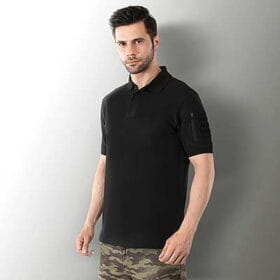
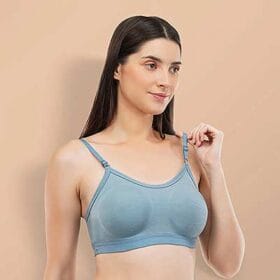
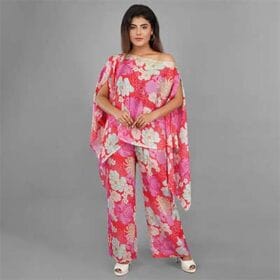
Fashion Photography Services
E-commerce Photography
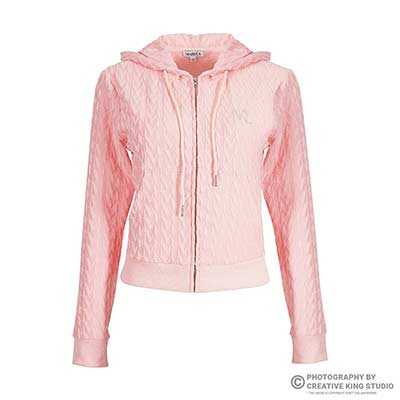
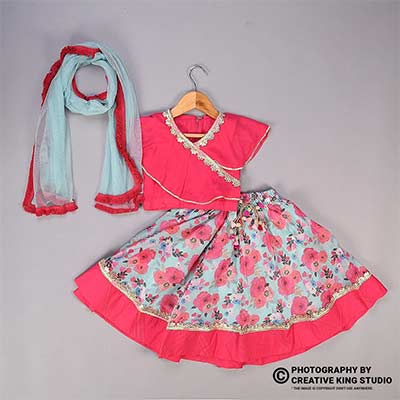
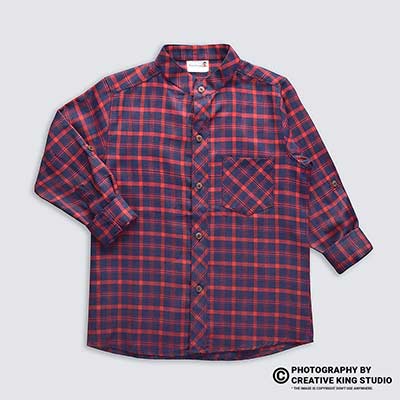
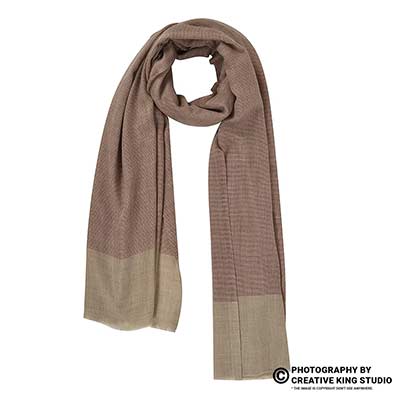
An insider’s blueprint from Ckstudio Delhi NCR — covering shot lists, model casting, styling, lighting, on-set workflow and marketplace-ready delivery for Amazon, Flipkart, Myntra, Ajio and Nykaa Fashion.
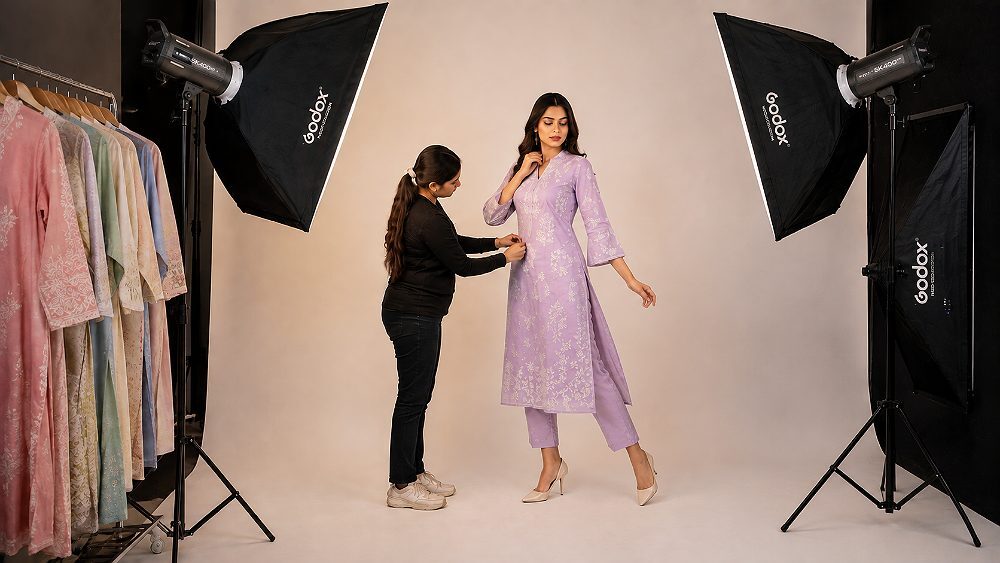
A Fashion Catalogue Shoot is a structured production run where garments are photographed at scale — usually 20–40 looks per day — for ecommerce listings, lookbooks and marketplace listings on Amazon, Flipkart, Myntra, Ajio and Nykaa Fashion. Planning it well means fixing your brief, shot list, models, styling, lighting and delivery formats before shoot day so you avoid reshoots, reduce marketplace rejection and hit launch windows on time.
A Fashion Catalogue Shoot is the single production activity that decides whether a season’s collection sells through or sits in warehouses. Every apparel line — womenswear, menswear, kidswear, ethnic, athleisure — eventually depends on the same short chain of decisions: what to shoot, who to shoot it on, how to light it and how to deliver it. At Ckstudio, we have handled over two hundred catalogue productions for D2C brands and marketplace sellers, and the pattern is the same every time. Brands that plan well finish under budget; brands that improvise pay for reshoots.
This guide walks through the full ecommerce fashion shoot workflow that a professional Delhi NCR studio follows, from the first creative brief to the final marketplace-ready JPEG. It is written for founders, brand managers and catalogue heads who want a repeatable production system, not a set of tips. If your brand ships on Myntra, Flipkart or Amazon Fashion, this playbook maps directly to the specs those platforms enforce.
Prince, who leads production at Ckstudio’s fashion photography studio, treats every catalogue project as three linked phases — pre-production, on-set and post — with clear owners at each stage. This structure is what makes 40-look days repeatable, and it is what this guide will teach you to run. For a wider view of platform-level standards you can also read our companion piece on ecommerce product photography standards for 2026.
A Fashion Catalogue Shoot is a planned photography production that captures every product in a brand’s collection — usually on-model, sometimes on ghost mannequin — in a consistent visual style suitable for ecommerce listings, marketplace uploads and lookbook material. Unlike a campaign shoot, which sells a mood, a catalogue photoshoot sells a specific SKU with enough visual information for a buyer to make a purchase decision confidently.
The output volume separates a catalogue shoot from most other formats. A campaign might deliver 8–12 hero frames from a full day of shooting; a catalogue day produces 25–40 finished looks, each with multiple angles — hero, back, detail, styled and sometimes lifestyle. Because volume is the goal, workflow discipline matters more than any single creative choice. This is why our detailed breakdown on catalogue consistency at scale stresses process over individual frames.
Most Indian fashion brands run three variations of an apparel photoshoot: on-model for hero PDPs, ghost mannequin for silhouette-only listings, and flat lay for accessory and add-on shots. A single production day can move between all three if scheduled correctly. Our teams at Ckstudio ecommerce photography services plan shoot days around these mode switches so that lighting and model changes align with cost-per-look targets.
The gap between a well-planned Fashion Catalogue Shoot and a rushed one shows up in three places: reshoot bills, marketplace rejection rates and time-to-launch. A reshoot typically runs at 30–40% of the original budget because you still pay for studio, model and crew but recover no new SKUs. Marketplace rejection is more insidious — a Myntra or Ajio listing rejected for image inconsistency delays the SKU by 7–14 days, which for a fast-fashion brand can mean an entire season.
There is also the invisible cost: brand consistency. When a customer scrolls a category page on Myntra Fashion or Nykaa Fashion, the eye reads image cohesion before it reads any single product. A collection shot across three different sessions, three different photographers and three different colour temperatures will always look weaker than a collection planned as one production run. This is one of the biggest arguments Prince makes to first-time clients — see our post on how better product images reduce returns on Flipkart and Amazon.
Planning also protects the launch window. Fashion is a calendar business — festive drops, marketplace sale events, brand campaign launches — and photography sits on the critical path. A shoot delayed by a week can miss a Diwali listing deadline, which is why smart brands lock studio dates 4–6 weeks in advance. To understand cost implications of poor planning, our detailed product photography pricing guide for India covers reshoot economics in more depth.
Pre-production is the phase most brands underinvest in and most successful Fashion Catalogue Shoot productions overinvest in. It covers the creative brief, mood board, shot list, model brief, timeline and call sheet — everything that turns an ambition into an executable plan. At Ckstudio, we schedule two pre-production sessions per project: one with the brand’s creative lead to fix aesthetic direction, one with the production manager to fix logistics.
The measurable output of pre-production is a call sheet and a shot list that a stranger could execute. If the on-set team needs to ask “what next” after each look, planning has failed. This is why our scaling guide from 50 to 500 SKUs treats pre-production documentation as the single biggest lever for cost control.
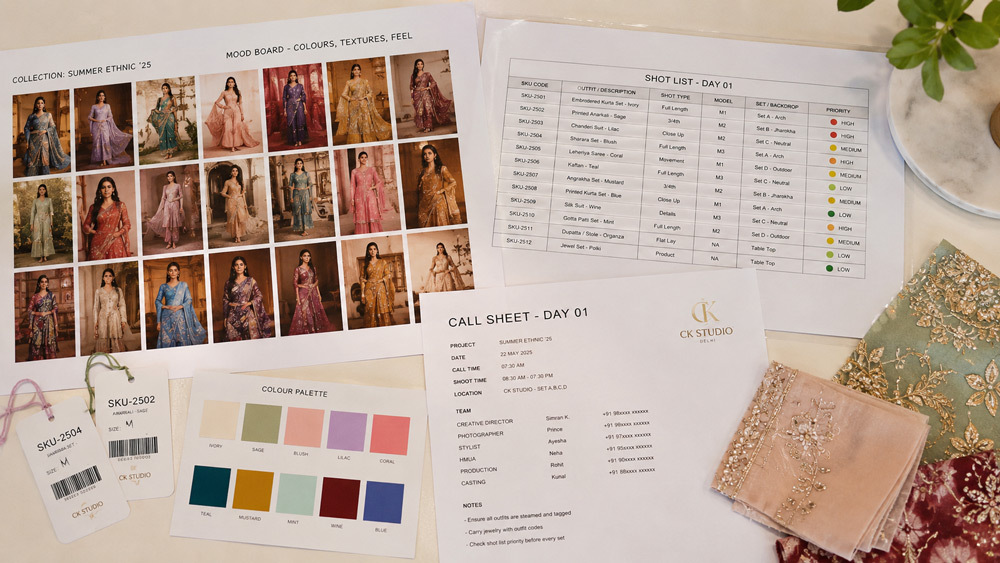
The brief captures three things: brand tone, target buyer and seasonal theme. Brand tone is aesthetic vocabulary — minimalist, editorial, playful, aspirational. Target buyer is demographic and mood — a 27-year-old Delhi buyer looking for office-to-drinks kurtas has different needs than a 42-year-old Mumbai buyer buying resort wear. Seasonal theme ties both together — festive, monsoon, wedding, summer basics.
A mood board is where the brief becomes visual. It should include 15–25 reference frames pulled from editorial magazines, competitor lookbooks and past brand campaigns. What it should not include: 100 loose Pinterest images with no annotation. Every reference on a mood board should be captioned with why it is there — “this lighting mood”, “this pose energy”, “this colour palette”. See how we structure this in our first-shoot preparation guide for new fashion clients.
The shot list is the single most important document of a catalogue photoshoot. It converts every SKU into a specific number of frames — typically 4 to 7 frames per SKU depending on marketplace and category. A well-built shot list assigns each frame a type (hero, back, detail, styled, lifestyle) and a priority ranking so that if the day runs short, the crew knows which shots to protect. Our internal template pulls directly from the practices explained in the Ckstudio ecommerce photography workflow.
The shot list also links each SKU to a look number and a model, so that wardrobe, styling and HMU can prep in parallel. For a 30-look day this document might run 15 pages, but every page prevents a decision on set that could cost 20 minutes. That’s how a well-run e-commerce fashion shoot stays on schedule.
Hero shots show the full garment from the front — this is the image the marketplace uses on category pages. Detail shots isolate craftsmanship: fabric texture, stitching, embroidery, hardware, print. Lifestyle shots place the garment in a real-world context — a model laughing, walking, sitting — and are used for lookbooks, social media and A+ Content on Amazon.
Marketplaces differ, but a defensible baseline is 1 hero + 1 back + 2 detail + 1 styled = 5 shots per SKU for standard ecommerce listings. Lookbook and campaign shoots add 2–3 lifestyle frames per look. Amazon Fashion sellers should budget an additional 3–5 A+ Content frames per hero SKU.
The call sheet is a one-page document with every arrival time, contact number, address, WiFi password, catering slot and equipment list on it. It goes to every crew member — photographer, assistant, stylist, HMU, models, brand rep — 48 hours before shoot day. Ckstudio’s Delhi NCR fashion photography operations treat the call sheet as non-negotiable — a missing call sheet is the single biggest predictor of a delayed shoot day.
Model casting is where most first-time brand founders overspend or under-cast. The instinct is to pick the most striking face; the correct instinct is to pick the model who best represents the actual buyer. A great catalogue model has consistent posing energy, professional set behaviour, garment-friendly proportions and — critically — the willingness to change looks 25+ times a day without energy drop. See our full breakdown in the Ckstudio model photoshoot services page.
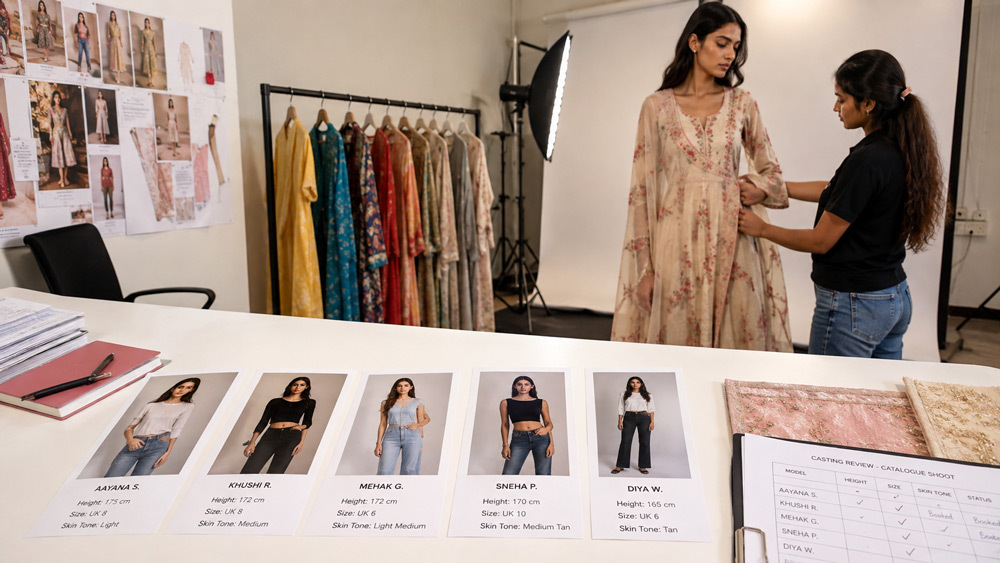
Agency models cost more but bring reliability, contracts and a comp card portfolio to preview. Freelance models — often booked via Instagram — cost 30–50% less but require the brand to handle contracts, releases and payment logistics. In-house brand models (usually influencers or brand ambassadors) work well for lookbook shoots but rarely have the endurance for a 30-look catalogue day. A well-briefed model catalogue photography plan mixes both — an agency model for hero SKUs and a freelance model for basics.
Brand fit is measurable — height range, size range, skin tone range, hair style — and every casting brief should specify these ranges rather than a single ideal. If the collection covers XS–XXL, you need at least two model sizes to represent the fit accurately. Marketplaces are increasingly penalising brands that only shoot on one body type, and buyer reviews reward brands that show real fit.
A fitting session is a 45–90 minute meeting where the booked model tries every garment before shoot day. This surfaces alteration needs — a hem too long, a sleeve too tight, a neckline that gaps — and lets the stylist pre-plan pinning, tucking and fit corrections. Skipping fitting is the fastest way to lose 30 minutes per look on shoot day, which on a 30-look day is 15 hours of lost time.
Styling is the department that most invisibly affects catalogue quality. On a great Fashion Catalogue Shoot, the stylist steams every garment before the model wears it, pins fit issues before the camera sees them, and ensures accessories, footwear and undergarments match the brand aesthetic. On a poor one, the stylist is on their phone while the photographer waits. Ckstudio treats styling as a lead role, not a support role — this is why our garment photoshoot services always include a senior stylist by default.
Garment prep begins the evening before shoot day. Every piece is unpacked, steamed, hung and checked for defects — loose threads, print misalignment, dye bleed, missing buttons. Defective garments are flagged for reshoot in a later batch, not sent back through the shoot day. Steaming continues on set — cotton and linen crease within minutes of wear, and a wrinkled hero shot is a rejected listing on Myntra or Ajio.
HMU consistency is what makes a 30-look catalogue read as one collection. The HMU brief should specify base makeup, lip family, eye tone and hair style range for the full day. Small changes are allowed — a lip colour shift for a bolder outfit — but major changes should be blocked at pre-pro because a model looking dramatically different across a category grid confuses buyers.
Accessory direction matters more than most brands assume. A hero product image on Nykaa Fashion or Ajio is judged against every other tile on the category page — a poorly matched shoe or dated handbag pulls the eye away from the garment. The stylist owns this. Props for lifestyle shots should be minimal and directly related to the buyer’s world.
Lighting is the technical department that separates a professional fashion catalogue photography studio from a rental space with cameras. The goal on a catalogue shoot is not dramatic mood — it is fabric colour accuracy, texture visibility and repeatability across 30+ looks. This means calibrated strobes, colour-checked backgrounds and disciplined light modifier choices. Ckstudio’s technical setups draw from best practices detailed in our behind-the-scenes production breakdown.
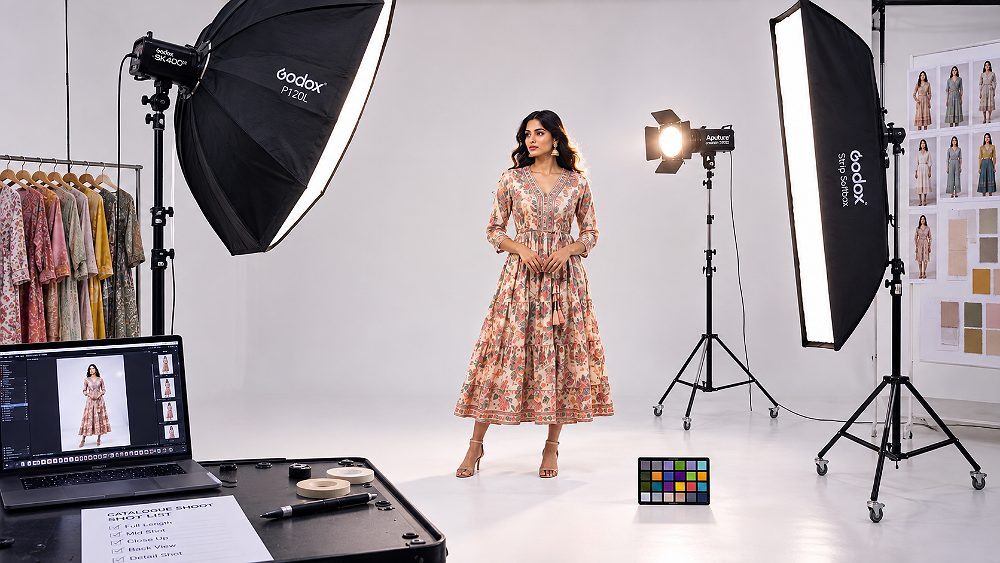
A cyclorama — the curved wall that eliminates the floor-to-wall seam — is the standard for on-model catalogue photography because it gives the retoucher a clean surround for cutting out the model. When a cyclorama is not available, seamless paper rolls in white, ivory, grey or brand-specific colours substitute effectively. The colour of the seamless matters — pure white blows out easily, ivory holds skin tone better, mid-grey is safest for colour-accurate garment representation.
Three-point lighting is the workhorse setup for on-model catalogue frames. A key light (main source, usually a large softbox or beauty dish 45° to the model) defines the primary look. A fill light softens shadows on the opposite side. A rim or hair light separates the model from the background. Ckstudio’s rig typically runs 4× Godox SK 400II strobes with 4× strip softboxes and 2× octaboxes, with a beauty dish reserved for editorial-toned frames.
High-key lighting — bright, low contrast, minimal shadow — is the standard for marketplace listings because it maximises garment visibility and colour accuracy. Low-key lighting — moody, high contrast, deep shadow — belongs on campaign and lookbook shoots, not catalogue days. Mixing both in a single production run creates inconsistency that hurts collection cohesion.
A well-run Fashion Catalogue Shoot day follows a rhythm: model arrives 90 minutes before first shot for HMU, garment steaming happens in parallel, lighting is pre-set the evening before, first look hits the frame within 90 minutes of the call time. Every subsequent look targets 15–25 minutes on set including wardrobe change. Deviations from this rhythm cascade — a look that takes 40 minutes eats into the buffer for the next 10 looks. This is the discipline that Ckstudio’s teams apply, drawing on frameworks explained in our production tips for higher ecommerce conversions.
The photographer’s job on set is not just shooting — it is orchestrating the team. Direction to the model, cues to the stylist for touch-ups, sign-offs to the brand rep on tethered monitor, and pace management. A quiet photographer means a slow set; a communicative photographer keeps the day on time.
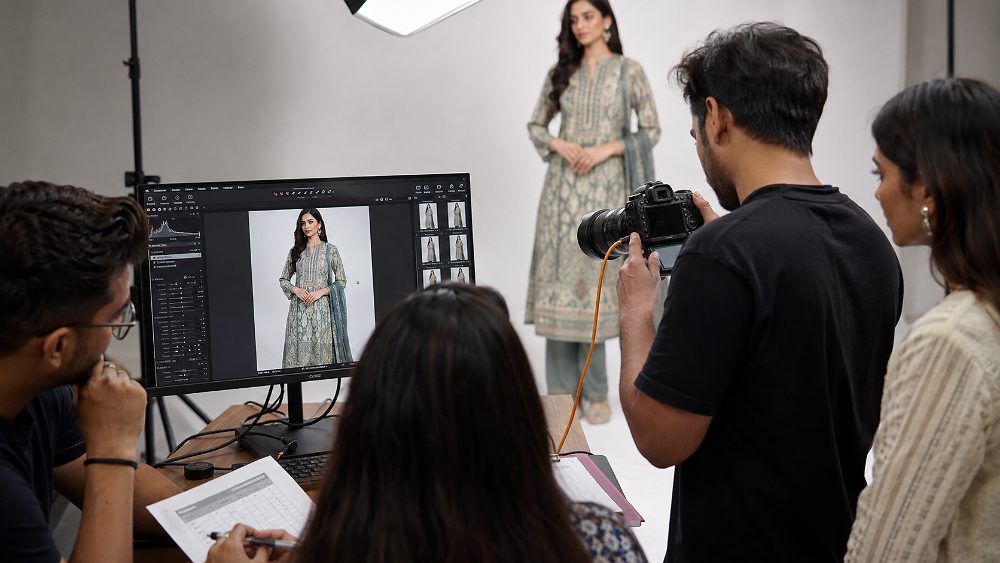
Tethered shooting connects the camera directly to a monitor — usually via Capture One or Lightroom — so every frame appears full-screen within a second of being shot. This lets the client, brand rep or creative director approve each frame before the model changes look. Reshoots caught on set cost nothing; reshoots caught in post cost a full second production day. Every serious ecommerce fashion shoot at Ckstudio runs tethered by default.
Continuity is what keeps a 30-look day feeling like one shoot. A continuity assistant tracks HMU state, accessory choices and jewellery per look in a shared document so nothing carries over from the wrong outfit. On multi-day shoots this is critical — a hairstyle that looked slightly different on day two can force reshoots of the whole grid.
Post-production is where a good shoot becomes a great catalogue. The phase covers culling (selecting keepers from every look), colour grading (matching colour across the full set), retouching (skin, garment, background clean-up) and delivery formatting. Turnaround at Ckstudio for a standard Fashion Catalogue Shoot is 3–5 working days for a 30-look production; premium and enterprise tiers offer 48-hour priority slots for time-sensitive marketplace launches. Standards align with the guidance in our Delhi image editing services page.
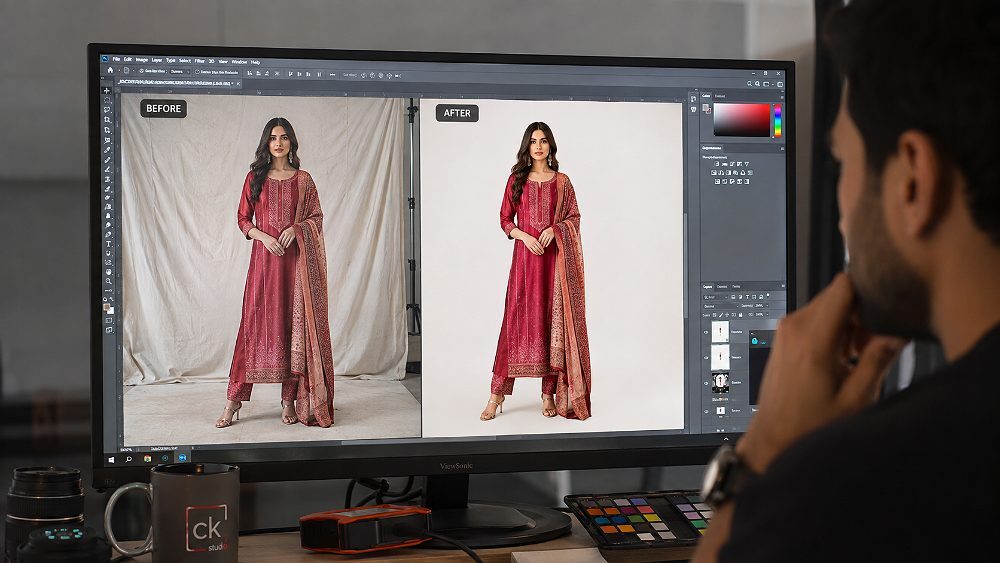
Culling is deceptively hard — a 30-look day can produce 1,500 raw frames, and picking the best 5 per look requires trained eyes. Colour grading matches every look to a master profile so the grid reads consistently. Retouching handles skin (light smoothing, blemish removal — never over-processing), garment (fold correction, colour truing) and background (dust, seam, spill clean-up). See our detailed process breakdown in the ghost mannequin editing workflow guide, which shares 80% of its post pipeline with on-model catalogue work.
Every marketplace enforces its own image specs. Myntra requires 2000×2667 pixels minimum, sRGB, JPEG under 1MB. Amazon India Fashion requires 1600×1600 minimum for zoom, pure white background for main image. Flipkart is more flexible but rewards higher resolution. Ajio matches Myntra closely. Nykaa Fashion prefers square 1080×1080 for social crossover. A single catalogue photoshoot should deliver every SKU in every relevant spec — asking for a re-export in three months costs another production cycle. For platform-level specs see the official Amazon Seller Central India image guidelines.
Files should be named to match the SKU code, not the shoot look number. A typical delivery folder contains SKU-01_hero.jpg, SKU-01_back.jpg, SKU-01_detail01.jpg. WebP versions for site speed, TIFF versions for print, PSD versions for future editing. This naming convention is what makes catalogue ingestion scriptable at the brand’s end. For deeper structure guidance see our detailed breakdown on how many product photos each listing needs.
Pricing for a Fashion Catalogue Shoot in India varies by three factors: number of looks, level of production and turnaround urgency. In Delhi NCR, a Basic tier day covering 15–20 looks starts around INR 35,000; a Standard tier covering 25–30 looks lands around INR 65,000–95,000; a Premium tier with 40+ looks and senior stylist plus HMU runs INR 1.2–1.8 lakh per day. Enterprise volume for full-collection productions is custom-quoted based on SKU count. Compare this benchmark against our detailed Delhi product photography cost breakdown and the 2026 ecommerce photography pricing guide.
Model rates in Delhi NCR range from INR 8,000 for freelance day rate to INR 25,000–40,000 for agency models. HMU day rates run INR 5,000–15,000. Studio rental — if not bundled — runs INR 10,000–25,000 per day. Retouching adds INR 300–800 per final image depending on complexity. Bundled packages hide these line items; itemised quotes let you optimise. For a category-level comparison see our companion piece on fashion catalogue photography vs ecommerce product photography.
| Shoot Type | Ideal For | Typical Setup | Cost Range (INR) | Turnaround |
|---|---|---|---|---|
| Ghost Mannequin | Silhouette listings, invisible-form ecommerce | 3-point lighting, mannequin, retouching-heavy | 25,000–60,000/day | 4–6 days |
| On-Model Studio | Standard ecommerce PDPs | Cyclorama, model, stylist, HMU | 65,000–1,50,000/day | 3–5 days |
| Lifestyle / Outdoor | Lookbooks, campaigns, social | Location, natural light, props | 1,00,000–3,00,000/day | 5–7 days |
| Lookbook | Brand storytelling, campaign PR | Editorial lighting, senior HMU, stylist | 1,50,000–4,00,000/day | 7–10 days |
| Format | Use Case | Resolution | Colour Profile | Marketplace |
|---|---|---|---|---|
| JPEG | Web listings, marketplaces | 2000–3000 px longest edge | sRGB | All ecommerce platforms |
| WebP | Site speed optimisation | Same as JPEG | sRGB | D2C Shopify, Magento |
| TIFF | Print catalogue, magazine | Full resolution | Adobe RGB or CMYK | Print media |
| PSD | Editable master file | Full resolution | Adobe RGB | Brand asset library |
After 200+ productions, the same mistakes repeat across brands. Recognising them in advance is the cheapest optimisation possible for any upcoming Fashion Catalogue Shoot. Prince reviews every new brief against this checklist before quoting.
Ckstudio has been running fashion catalogue photography for Delhi NCR brands for nine years. The studio infrastructure is built for volume — 6,000 sq ft, three simultaneous lighting bays, in-house cyclorama, tethered stations at every camera, HMU room and steaming station. Prince and the senior team have delivered catalogue productions for D2C womenswear, menswear, kidswear, resort wear and modest fashion brands, plus marketplace catalogue runs for hundreds of independent sellers. See sample work on the Ckstudio portfolio page and category-level detail on our lookbook photography services.
The equipment stack — Canon R10 and Sony A7R5 bodies, 50mm and 100mm workhorse lenses, 4× Godox SK 400II strobes and 2× Elinchrom FRX 400 units with strip softboxes, octaboxes and a beauty dish — is chosen for consistency across long production days, not for showpiece appearance. Read more about how Ckstudio’s tooling choices affect output in our Delhi NCR studio selection guide.
Client access is direct — Prince personally reviews every catalogue brief before it enters production, and the team offers WhatsApp support at +91-8700258773 and email at [email protected]. Brand founders can visit the Delhi NCR studio for pre-production sessions, tethered walk-throughs or portfolio reviews. For an outsider view on marketplace-ready sizing, the official Flipkart Seller Hub photography guidelines are also worth reading before your shoot.
These are the questions Prince and the Ckstudio production team answer most often during pre-production briefings. Each answer here mirrors the FAQPage schema on this page.
A packaged Fashion Catalogue Shoot at Ckstudio typically includes pre-production planning, studio hire, professional photographer, complete lighting setup, model coordination, styling assistance, tethered shooting, culling, retouching and marketplace-ready image delivery in the required formats for platforms like Myntra, Ajio, Amazon Fashion and Nykaa Fashion.
A well-planned Fashion Catalogue Shoot can produce 20 to 40 looks per day depending on garment complexity, number of models, styling turnaround time and whether the workflow involves ghost mannequin frames, on-model shots or lifestyle frames.
Pricing for a Fashion Catalogue Shoot in Delhi NCR depends on model day rates, number of looks, styling requirements and retouching depth. Ckstudio offers Basic, Standard, Premium and Enterprise packages starting from around INR 35,000 per day and scaling up for full-team premium productions.
Standard retouching turnaround for a Fashion Catalogue Shoot is 3 to 5 working days. Premium and Enterprise packages at Ckstudio offer 48-hour priority delivery slots for time-sensitive marketplace launches and campaign go-lives.
No. Ckstudio offers end-to-end Fashion Catalogue Shoot production including model casting, wardrobe styling, hair and makeup, and prop sourcing — brands only need to provide finished garments, a creative brief and any brand-specific reference material.