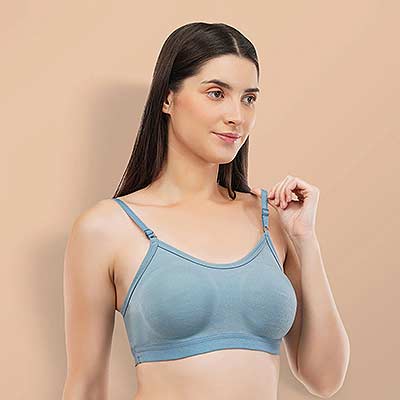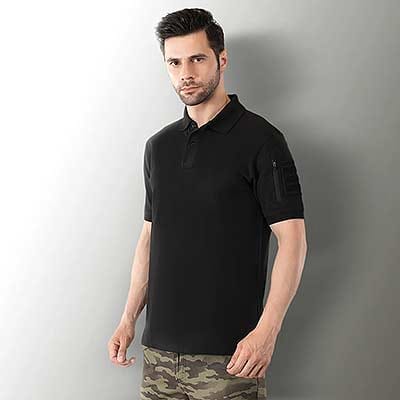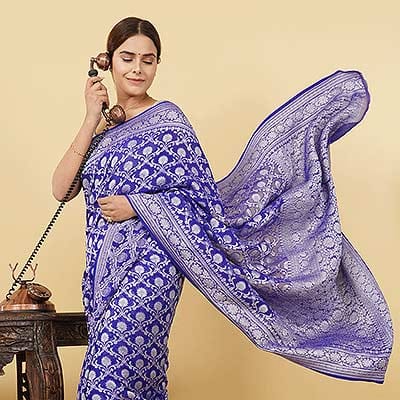
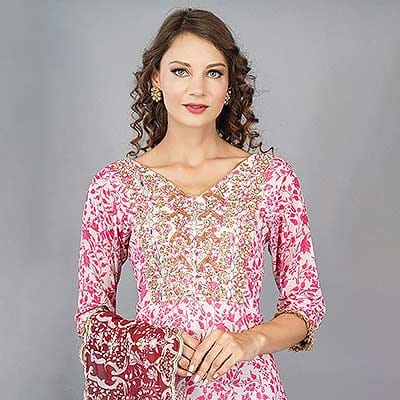
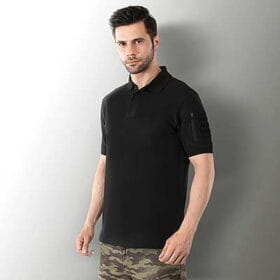
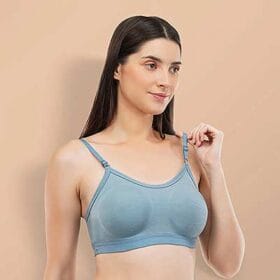
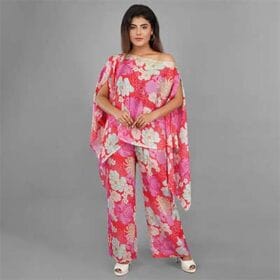
Fashion Photography Services
E-commerce Photography
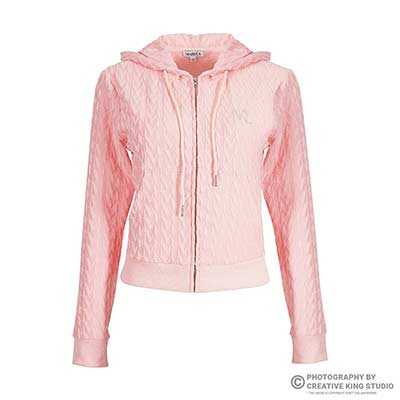
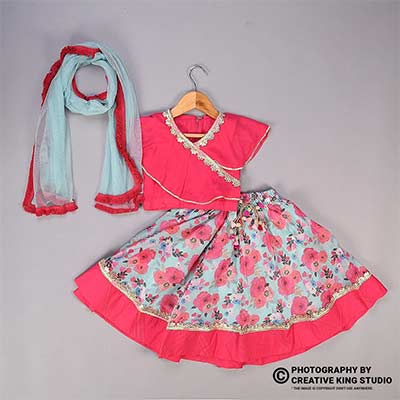
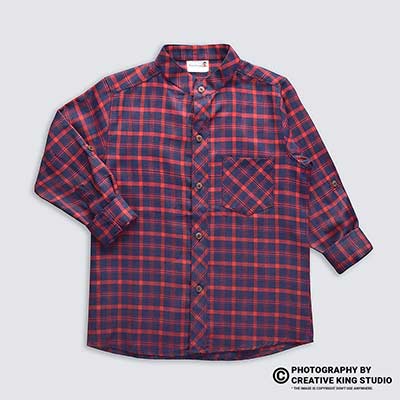
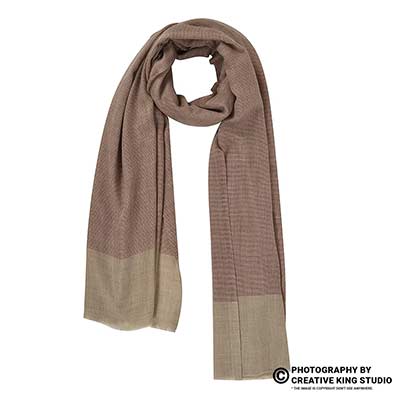
Shoot once. Deploy compliantly across every marketplace. The definitive Indian brand-side playbook from Ckstudio Delhi NCR.
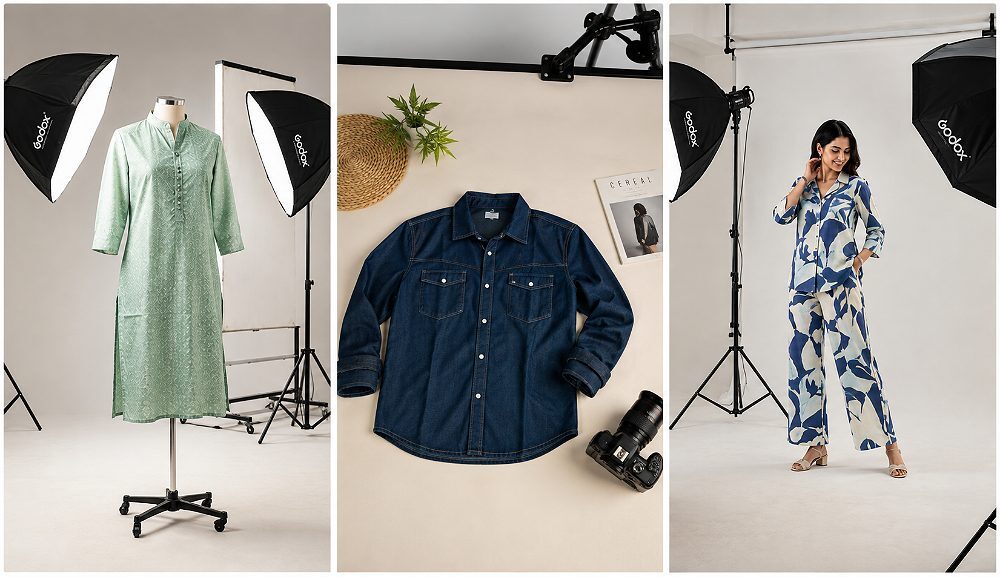
Two clothing brands sit side by side on the same marketplace search page. Same fabric, similar price, similar tags. One converts at 5.8%, the other at 1.9%. The only real difference is the imagery. That is the honest, uncomfortable arithmetic of Indian fashion e-commerce in 2026 — and it is exactly what disciplined Clothing Product Photography exists to solve. In this Ckstudio guide, you will learn how professional apparel imagery decides marketplace success, what Amazon India, Myntra, Flipkart and Shopify each demand, how a single studio workflow can supply all four compliantly, and where realistic pricing sits for Indian brands right now.
Prince, our lead photographer, has spent 9+ years shooting apparel catalogues at our ecommerce photography services studio in Delhi NCR — from small D2C launches to 4,000-SKU marketplace scale-ups. This is not a theoretical primer. Every spec, workflow and price point in this guide is drawn from live Amazon India, Myntra and Flipkart catalogues we handle every week. Where useful, we cross-link to detailed pillars like our standards guide across the top four platforms and our complete e-commerce photography services guide.
Shoot once at a compliance-first studio. Export four ways. Save 40–60% versus running separate shoots for Amazon, Myntra, Flipkart and Shopify — while keeping every listing approval-ready and every image visually consistent with your brand.
Amazon · Myntra · Flipkart · Shopify covered from one shoot
Per marketplace-ready image on the Starter plan
Working days for standard SKU volumes
Years shooting Indian apparel catalogues at Ckstudio
Marketplace shoppers do not read your product title first — they scan a grid of thumbnails. The image is the entire ad, the fit sample and the trust signal, compressed into one square. Baymard Institute’s ecommerce UX research and Amazon Seller Central’s own image guidance both agree on the same point: image quality has an outsized effect on click-through and conversion, and low-quality visuals disproportionately depress cart-add rates on apparel categories. Disciplined Clothing Product Photography is therefore not a design cost — it is a demand-generation asset.
The commercial gap between average and professional apparel ecommerce photography is now large enough to distort a brand’s unit economics. In a recent Ckstudio audit of a Delhi womenswear brand, reshooting 220 SKUs with M-Studio-compliant technique lifted Myntra CTR from 1.7% to 4.9% inside six weeks — the same effect as buying more traffic, at zero incremental media spend. Our detailed breakdown of how product photography improves conversions shows the same pattern across menswear and kidswear.
Compliance is the second lever. Every rejected listing is lost shelf time, and Myntra, Amazon and Flipkart all silently deprioritise sellers with repeated non-compliance flags. A brand paying for photography that also happens to pass marketplace QC on the first attempt is compounding two returns at once. Our field notes on reducing returns with better product images also show fewer size-and-colour disputes when the imagery honestly represents the garment.
Clothing Product Photography is the specialist discipline of producing garment imagery that meets both marketplace listing standards and brand storytelling requirements. It sits at the intersection of catalogue photography (repeatable, spec-driven, high-volume) and fashion editorial (styling, mood, aspirational fit). For Indian sellers on Amazon, Myntra and Flipkart, it is the visual layer that turns a SKU into a listing that ranks, converts and stays approved.
Technically, it covers ghost mannequin shots, flat lay and knolling, on-body model photography, and macro detail frames. Practically, at Ckstudio, it is a controlled studio pipeline: styling, steaming, tethered capture, lighting standardisation, and post-production that outputs marketplace-specific crops from a single master file. Our garment photoshoot service is built around this pipeline for volume catalogues, and our fashion photography service extends it into lookbook and campaign work for D2C brands.
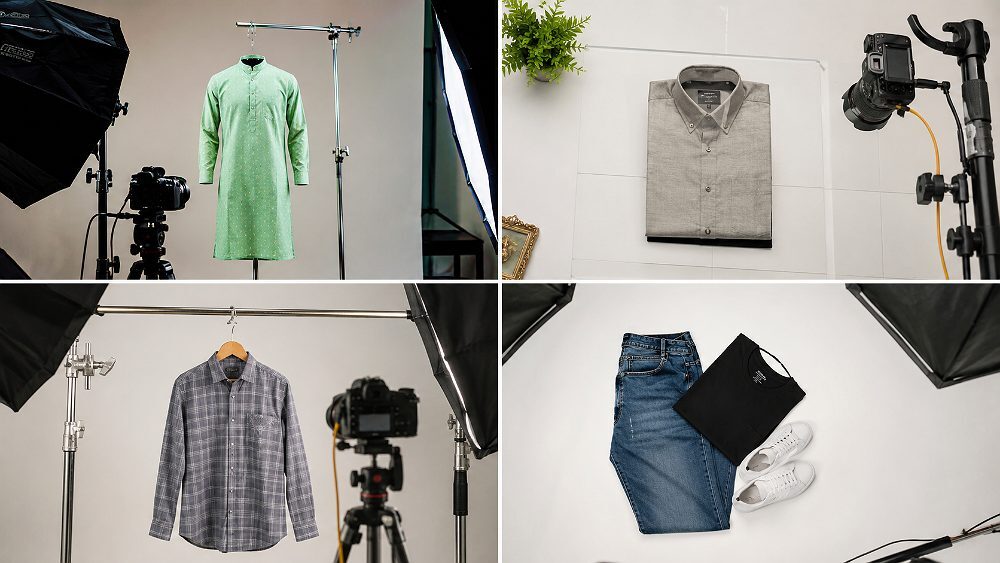
There is no single “correct” apparel imagery format — different platforms and different intent moments reward different treatments. Most Indian clothing brands operating across marketplace plus D2C need at least three formats per SKU: a hero on-body or ghost mannequin, a flat/back angle, and a fabric detail. Below are the four core types and where each earns its keep.
Ghost mannequin photography strips the mannequin out in post-production, leaving the garment looking as if it is floating in a 3D on-body shape. It is the fastest, cheapest and most consistent format for catalogue-heavy sellers on Amazon and Flipkart, and it is widely accepted by Myntra for many menswear and womenswear sub-categories. See our full ghost mannequin photography service and our practical ghost mannequin guide for Amazon, Myntra and Flipkart for setup specifics.
Flat lay photography places the garment flat on a neutral surface, shot from directly overhead. It is ideal for kidswear, innerwear, T-shirts, accessories and set combinations where fit does not need to be communicated. Ckstudio’s flat lay photography service uses standardised paper backdrops and diffused top-light so every SKU in a collection looks like it belongs on the same shelf — a critical ingredient in our catalog consistency at scale approach.
Model photography puts the garment on a real body to sell fit, drape and lifestyle context. It is mandatory for Myntra womenswear listings, expected for premium Shopify D2C brands, and increasingly rewarded by Amazon algorithms in fashion. Our model photoshoot in Delhi and male model photography teams are set up specifically for marketplace-scale on-body catalogues.
Detail shots — weave close-ups, stitch lines, button work, print texture — are the trust proofs that reduce returns. They also feed Amazon A+ modules and Shopify product-page zoom carousels. A brand’s detail frames are often the single strongest lever on size-and-quality complaint rates in our returns-reduction work.
Amazon India’s apparel listings live or die on their main image compliance. The main image must be a pure white background (RGB 255,255,255), the product must occupy at least 85% of the frame, and the file must be at least 1000px on the longer edge to unlock the zoom feature. That last point is not cosmetic — Amazon’s zoom function has a measurable lift on apparel conversion, and any main image below the threshold silently disables it.
Secondary images are where sellers actually win Amazon fashion. Angles, back views, styled context frames, and A+ Content lifestyle modules are all allowed to break the white-background rule, and they carry the storytelling load. Our Amazon product photography service and pillar Amazon product photography seller’s guide 2026 both work through the eight-image slot strategy that Ckstudio uses for menswear, womenswear, ethnic and streetwear categories.
Aim for 2000px on the longer edge for the master file, exported as sRGB JPEG. Keep the background pure white (RGB 255,255,255), avoid mannequins visible in the frame, and never include watermarks, logos, borders, size charts or promotional text on the main image. Amazon’s own Seller Central image requirements page is the authoritative reference; we mirror it in our Ckstudio internal QC checklist.
A+ Content unlocks lifestyle imagery, comparison charts, and brand story modules below the fold. For apparel, we typically shoot two A+ hero lifestyle frames, one fabric close-up, and one process/craft frame per product family. These images use editorial lighting and location context — a fundamentally different treatment from the catalogue main image. Our lifestyle product photography and lookbook photography services feed most A+ pipelines.
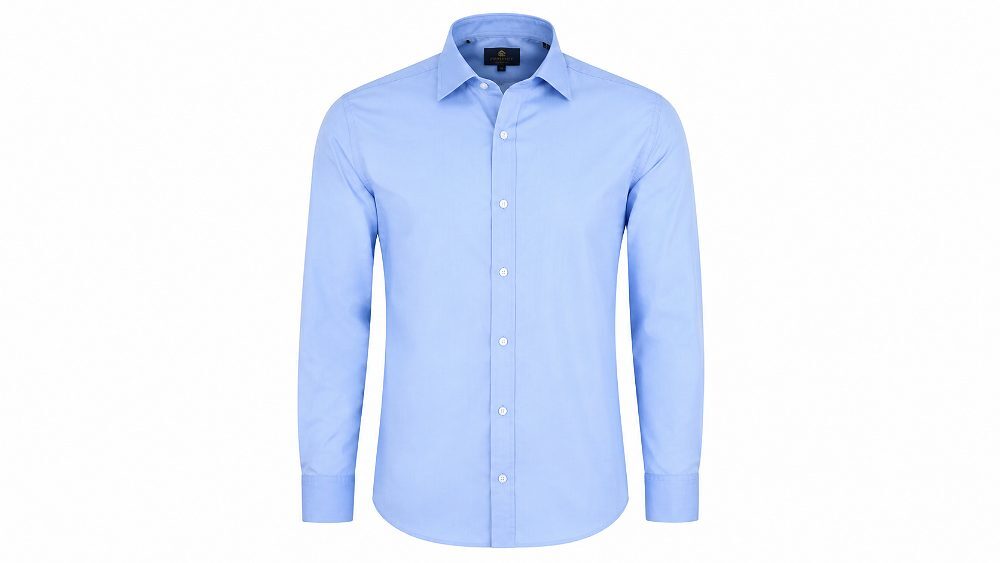
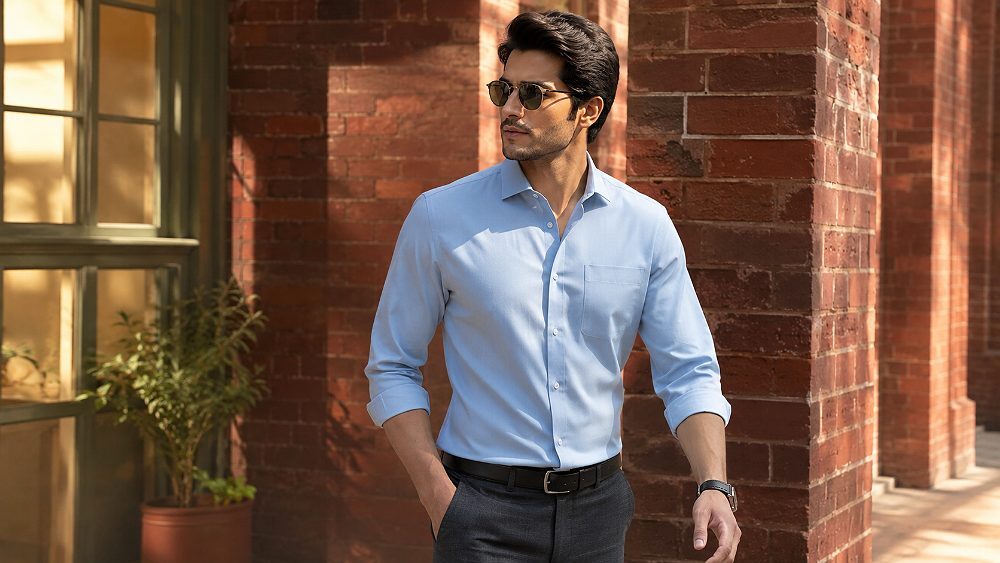
The main image is bound to the white background rule; secondary images (usually slots 2 through 7 or 8) are not. Use secondary slots to show back angle, detail zoom, size-scale reference, lifestyle context, and infographic overlays. This is where our Amazon infographic design layer plugs in for benefit callouts and dimension diagrams.
The four most common Ckstudio-seen Amazon rejection triggers are: off-white or grey backgrounds (fix: correct RGB in post), visible ghost-mannequin residue near neckline, product occupying less than 85% of frame (fix: recompose crop), and low-resolution files under 1000px. A pre-flight QC pass at the studio prevents almost all of these before upload.
Myntra runs the most opinionated apparel imagery programme of any Indian marketplace. Its M-Studio guidelines specify pose, background, aspect ratio, model grooming, and even the number of angles per SKU per sub-category. It is not optional — sellers who ignore M-Studio see rejection queues, catalog delays, and in extreme cases suppressed listings during peak sale windows like End Of Reason Sale.
The Myntra fashion marketplace photography aesthetic leans clean, model-forward, portrait-oriented, and colour-neutral. It is closer to a fashion catalogue than a warehouse product shot. Our Myntra product photography & ecommerce model shoot service is built to that exact brief, and pairs with our garment preparation guide to make first-attempt approval the default.
Myntra recommends portrait 3:4 aspect ratio, minimum 2000px on the longer edge, sRGB JPEG output, and a neutral off-white or light grey backdrop for on-model apparel. Model poses must show fit clearly, avoid heavy shadows on the garment, and follow category-specific angle counts. Grooming, hair and make-up remain neutral so the garment is the hero.
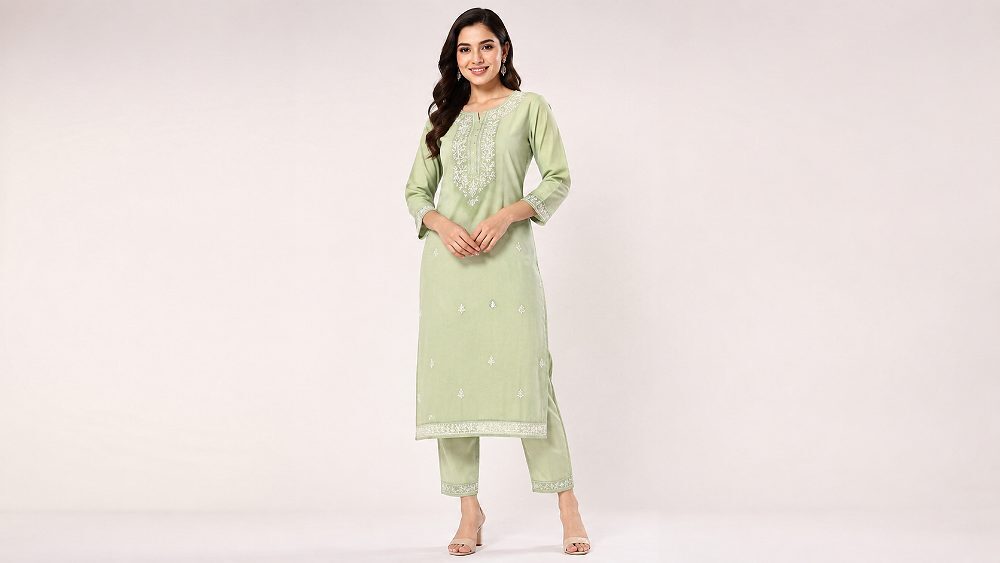
Portrait 3:4 · 2000px+ · neutral backdrop
Full-length on-body pose with the garment reading as hero. Soft key, minimal shadow, neutral grooming. This is the reference frame we shoot against for every Ckstudio Myntra womenswear catalogue — and the single biggest first-attempt approval lever.
Ghost mannequin is accepted by Myntra for many menswear categories (shirts, T-shirts, trousers) and select womenswear categories where fit on a live model is not commercially essential. Innerwear and swimwear carry stricter category rules. Sellers should always cross-check the current M-Studio brief for their sub-category before locking a shoot format.
Menswear generally accepts ghost mannequin plus optional model. Womenswear typically requires model-on-body plus flat back angles. Kidswear leans toward flat lay for infants and small size ranges, and model for older size ranges. Our fashion photography team in Delhi NCR maintains an internal category matrix per brand to reduce brief-to-brief confusion.
Common Myntra rejections we see: incorrect aspect ratio (portrait 4:5 uploaded instead of 3:4), coloured background bleeding onto the garment, excessive retouching that alters actual garment colour, insufficient angle count for the sub-category, and prohibited props in frame. A pre-shoot M-Studio brief lock-down eliminates almost all of these.
Flipkart’s fashion photography rules sit between Amazon’s strict white-background approach and Myntra’s editorial model brief. Flipkart Seller Hub asks for a minimum 500×500 image, but in practice, 1500–2000px on the longer edge is what actually performs on the app. Multi-angle images (front, back, side, detail, worn-on-model) are strongly favoured by Flipkart’s algorithm for apparel categories.
For Flipkart fashion photography, our Flipkart product photography & model shoot service ships six to eight compliant images per SKU as standard. That mix typically covers a white-background hero, three angles, one on-model context, one detail, and one styled lifestyle. Our Flipkart photography guidelines 2026 beginner’s guide and background selection guide cover the tactical detail.
Use 2000px on the longer edge for the master, export at sRGB JPEG under 500KB per image, and stay on a clean neutral background for main images. Flipkart’s Seller Hub keeps category-specific angle count requirements updated — ethnic wear usually needs one more back-view frame than western wear, for example.
Flipkart’s zoom-in behaviour on the app is aggressive, so fabric close-ups need to hold sharpness at 200% crop. We shoot at f/8–f/11 with a 100mm macro for texture frames and keep white balance colour-managed against a Datacolor Spyder to protect fabric colour truth between shoots and re-orders. Lifestyle frames follow the same rules as our lifestyle product photography service.
Shopify is different. There is no marketplace QC gatekeeper — the brand owns the storefront, the storytelling, and the visual system end to end. That freedom is a double-edged sword. D2C fashion brands who copy their marketplace imagery straight into Shopify usually end up with a store that looks like a wholesale catalogue and converts like one. Winning Shopify clothing images are editorial, brand-coded, colour-graded, and consistent with a lookbook aesthetic.
At Ckstudio, our Shopify D2C fashion photography clients typically brief a two-track shoot: a marketplace-safe track (ghost mannequin plus white-background hero) that gets re-purposed for Amazon, Myntra and Flipkart, plus a brand-storytelling track (editorial model, location, campaign) exclusively for the Shopify homepage, collection covers and product-page hero. Our lookbook photography for fashion brands and Instagram product photography services are usually bundled into this track.
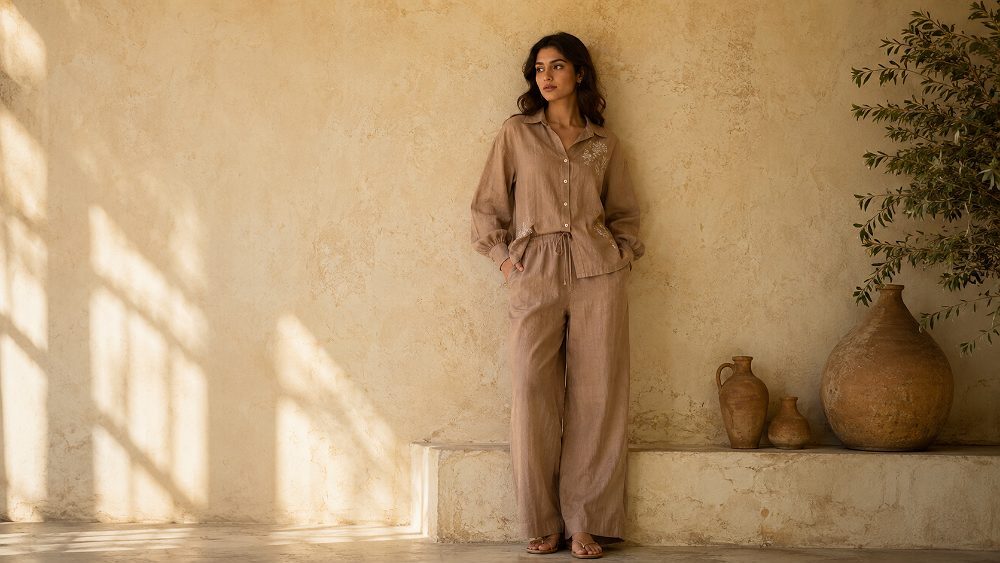
Shopify recommends 2048x2048px master images for pinch-zoom fidelity on mobile. Export as WebP where possible for page-speed gains, keep aspect ratio consistent across the product feed so collection pages read cleanly, and always include an on-body plus flat plus detail set per SKU. Alt text should be human-first, descriptive, and unique per image.
Shopify homepage banners are typically 16:9 or 21:9 wide crops that need editorial framing headroom the marketplace crops do not require. Collection covers benefit from square 1:1 or portrait 4:5 crops with breathing space around the model. Planning these framings during the shoot — not in post — is what separates a lookbook-grade Shopify store from a stitched-together marketplace re-export.
On Shopify, colour grade, film-inspired tones, controlled shadow and location context are all fair game. On the marketplaces, they are risks. The most efficient way to run both is to shoot the marketplace-safe frames first under strict standards, then unlock the creative frames in the same session with the same styling still in place.
The single largest cost-saving lever in Indian ecommerce fashion right now is workflow design. Brands that still commission separate shoots per marketplace burn 40–60% more on photography than brands using a unified pipeline. Our e-commerce photography workflow is built around a three-stage arc: pre-production, shoot day, and multi-platform post-production and export.
The mental model is simple. Every SKU is shot once, in one styling, with one lighting setup, in a single master aspect ratio wide enough to cover every downstream crop. The compliance work happens in post-production, not on set. This is how our Ckstudio catalogue team ships 300–500 SKU shoots without discovering marketplace rejections after upload.
Every catalogue starts with a barcoded SKU intake, garment steaming, size assignment against model roster, and a per-brand styling brief lock. Our garment preparation guide covers exactly what the brand needs to send in and how it is sequenced on shoot day.
We shoot tethered into Capture One, on a colour-calibrated monitor, against a floor-to-wall cyclorama for ghost mannequin work and a paper-sweep for flat lay. Lighting is standardised (4x Godox SK 400II with strip softboxes plus 2x Elinchrom FRX 400 with octabox and beauty dish) so re-orders match originals months later. Every frame is tagged with SKU, angle and category at capture time.
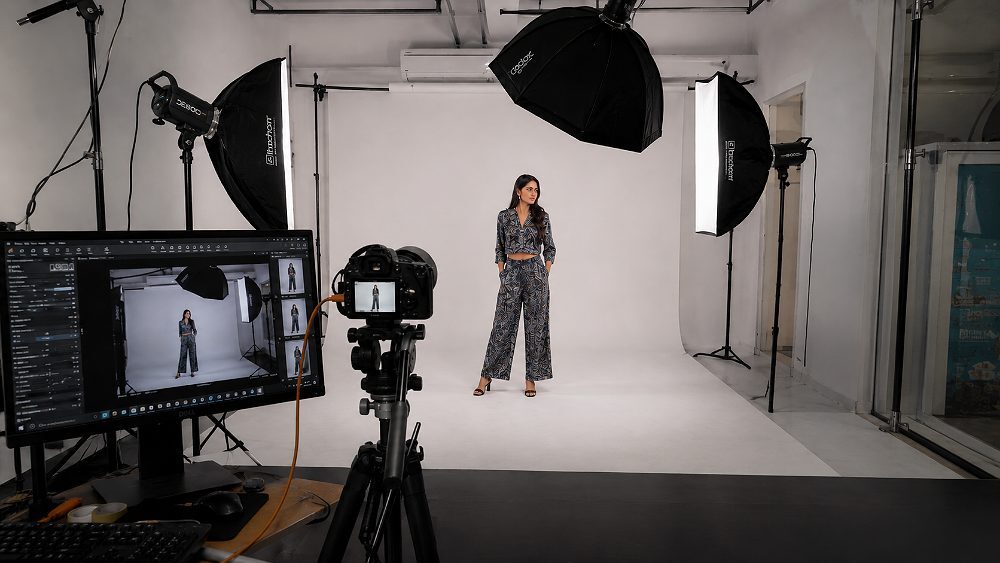
Post is where a master frame becomes four marketplace-ready assets. Our retouching pipeline runs clipping path, colour correction against fabric swatches, ghost mannequin neck-join, blemish clean-up, and then batch-exports platform-specific crops with the correct DPI, colour profile and file-size envelope. Our image editing services in Delhi handle this at volume for external clients too.
The single most useful reference for any Indian clothing brand is a side-by-side spec sheet. Below is the current Ckstudio working matrix — the numbers we build our multi-marketplace clothing photography export scripts against.
| Marketplace | Min Size | Recommended | Aspect Ratio | Background | Format | On-Model Rules |
|---|---|---|---|---|---|---|
| Amazon India | 1000px longer edge | 2000px, sRGB | 1:1 preferred | Pure white RGB 255 | JPEG | Allowed in secondary slots & A+ |
| Myntra (M-Studio) | 2000px longer edge | 2400px, sRGB | 3:4 portrait | Neutral off-white / light grey | JPEG | Mandatory for most womenswear |
| Flipkart | 500px longer edge | 1500–2000px, sRGB | 1:1 or 3:4 | Neutral / white | JPEG | Encouraged; multi-angle preferred |
| Shopify D2C | 800px longer edge | 2048×2048, sRGB | 1:1 (feed) · 16:9 (banner) | Brand-led (editorial) | WebP / JPEG | Fully brand-led |
Clothing product photography pricing in India ranges roughly from ₹149 to ₹799 per marketplace-ready image, depending on shoot type, retouching depth, volume commitment, and whether live models are involved. Our transparent e-commerce photography pricing guide 2026, city-level product photography cost in Delhi breakdown, and general India pricing benchmark all sit alongside the plans below.
20 SKUs min · ghost mannequin or flat lay · standard retouching.
50 SKUs min · ghost mannequin + flat + detail · premium retouch.
100 SKUs min · ghost + flat + on-model · advanced retouch + grade.
500+ SKUs · full production · lookbook & videography · production manager.
Per-image pricing works for small D2C launches under 20 SKUs. Package pricing works for anything from a 50-SKU seasonal drop to a 5,000-SKU manufacturer catalogue. Our internal rule of thumb: once you cross 100 SKUs per shoot cycle, package pricing plus a fixed production manager fee is meaningfully cheaper than per-image billing. Our scaling from 50 to 500 SKUs guide covers the exact cross-over economics.
Live model fees, reshoot charges for late garment changes, priority turnaround loading, and category-specific styling (ethnic drape, bridal, layered menswear) are the four line items brands most often miss. Ckstudio quotes these openly during the pre-production call. To brief a shoot cleanly, our product photography guide for Indian brands is the fastest primer.
Picking a studio partner is not just a rate-card decision — it is a compounding operational bet. The wrong choice shows up as inconsistent lighting between seasons, marketplace rejections that eat into peak-sale shelf time, and a portfolio of images that will not upgrade cleanly when your brand aesthetic evolves. Our full how to choose the best ecommerce photography company and Delhi NCR studio selection guide break this down step by step.
Ckstudio has spent 9+ years shooting apparel catalogues for Indian D2C brands, marketplace sellers and manufacturers — from small Delhi NCR launches to 4,000-SKU manufacturer scale-ups. Prince founded the studio around one operational principle: build a compliance-first pipeline that can shoot once and deploy everywhere, then let the creative work happen on top of that reliable base. That combination is why so many Indian clothing brands renew their catalogue contracts with us shoot after shoot.
Our capability stack covers ghost mannequin, model photoshoots, flat lay, lookbook, lifestyle, and Instagram-ready imagery from a single Delhi NCR studio. You can WhatsApp Prince directly on +91-8700258773 to walk your SKU list through the workflow, or email [email protected] for a written quote inside 24 hours.
Book a free 15-minute catalogue audit with Prince. We will look at your live Amazon, Myntra or Flipkart listings and tell you exactly which frames are costing you conversions.
Clothing product photography for these platforms is professional apparel imagery shot to each marketplace’s exact specifications — pure white backgrounds for Amazon, 3:4 portrait model shots for Myntra, multi-angle images for Flipkart, and editorial storytelling for Shopify — so brands can list compliantly and convert across every channel from a single shoot.
Clothing product photography in India typically ranges from ₹149 to ₹799 per image, depending on shoot type (ghost mannequin, flat lay or model), retouching depth, and volume. Ckstudio offers marketplace-ready packages starting at ₹149 per image for bulk catalogue shoots covering Amazon, Myntra, Flipkart and Shopify.
Yes. A professional studio like Ckstudio shoots once and exports platform-specific versions — 1000×1000 pure-white for Amazon, 3:4 portrait for Myntra, multi-angle for Flipkart, and 2048×2048 editorial crops for Shopify — from the same source files, saving brands 40–60% versus commissioning four separate shoots.
Ghost mannequin works best for Amazon and Flipkart neutral catalogue listings and is faster and more affordable. Model photography is mandatory for Myntra womenswear and preferred for Shopify D2C brands where lifestyle storytelling drives conversion. Most Indian clothing brands need both formats in the same shoot cycle.
Common Myntra rejection reasons include incorrect 3:4 aspect ratio, non-neutral backgrounds, cropped garment portions, models with prohibited poses, low resolution below 2000px on the longer edge, and incorrect ghost mannequin category use. Ckstudio’s M-Studio-compliant workflow eliminates these issues on the first attempt.
A safe multi-marketplace baseline is 6–8 images per SKU: one main hero, three angles (front / back / side), one on-model, one detail close-up, and one lifestyle or A+ frame. Shopify D2C brands typically add one to two editorial frames on top. Our how many photos per listing guide has the full category-by-category breakdown.
If you are shipping apparel across Amazon, Myntra, Flipkart or Shopify from India and your imagery is not carrying its weight, that is fixable inside one shoot cycle. Ckstudio’s Delhi NCR studio is booking new clothing product photography catalogues right now. Reach Prince on +91-8700258773, or email [email protected] with your SKU count and target marketplaces — you will get a costed proposal back inside 24 hours.
Comparing platforms? See how Amazon, Flipkart and Myntra differ in our marketplace seller hub.