Fashion Photography Services
E-commerce Photography
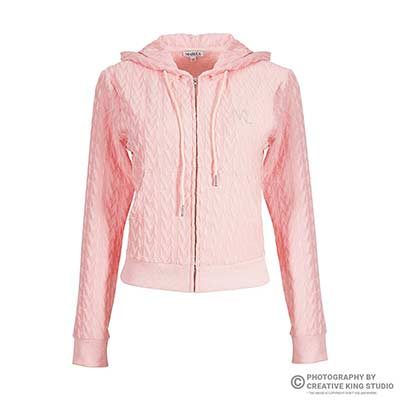
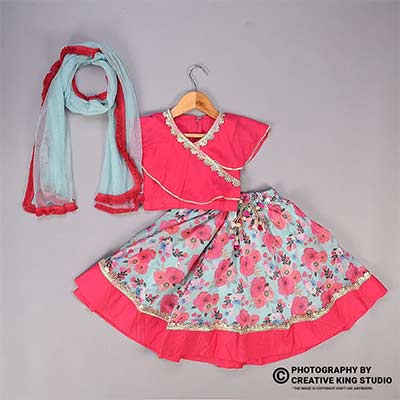
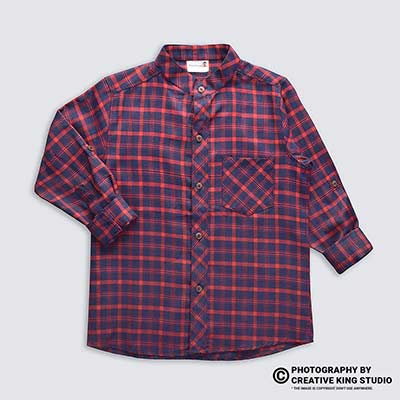
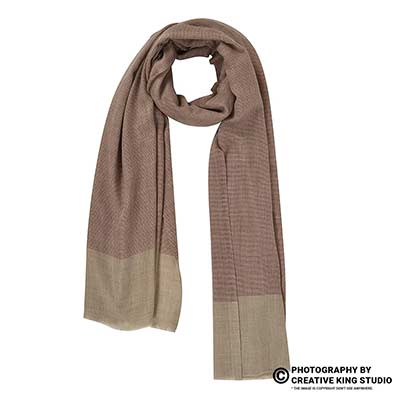
The exact shot list, lighting and styling decisions that make a sherwani look as rich on a phone screen as it does in the store.
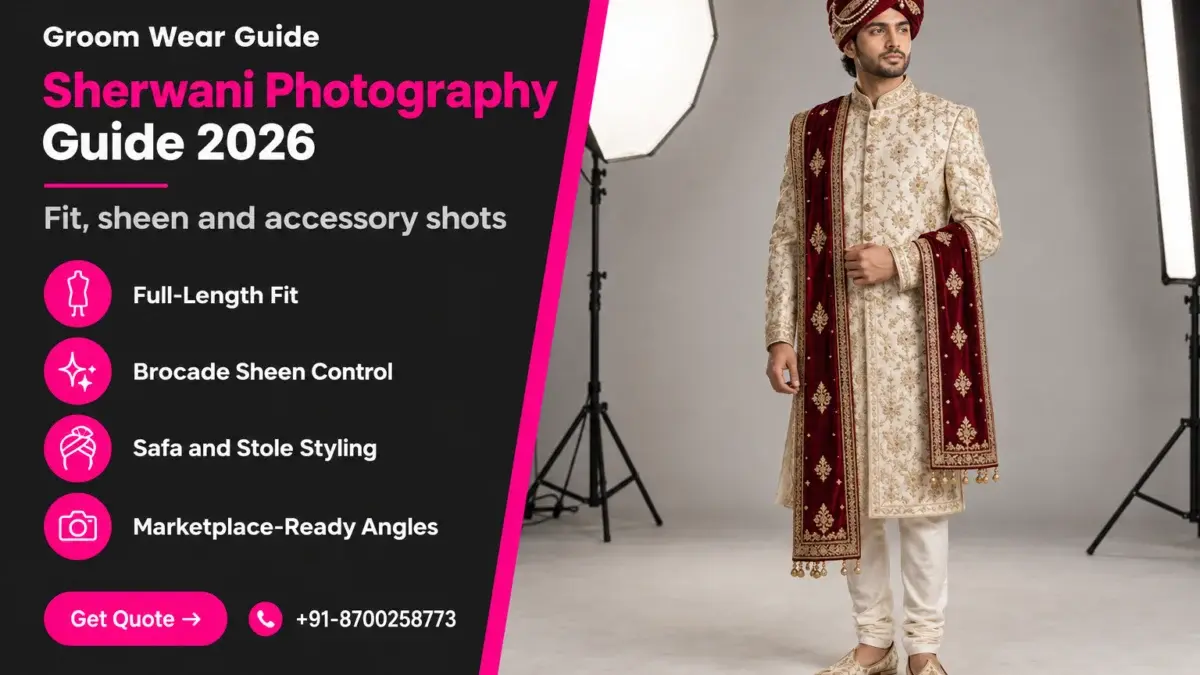
Sherwani photography is the hardest menswear brief in Indian ecommerce: a knee-length structured garment, metallic embroidery that flares under light, and three or four accessories that all need to read clearly in a 1:1 or 3:4 crop. When a buyer is spending on a once-in-a-lifetime outfit, every image has to answer one question, will this fit me and look this rich on the day? That is why most groom wear brands book male model photography for their hero images rather than relying on a flat product shot alone.
This guide is written for e-commerce menswear ethnic brands, sherwani manufacturers and marketplace fashion sellers getting their catalogue ready for the November to February wedding season. At Ckstudio, Prince and the team have shot product and fashion catalogues since 2015, and the nine shots below are the ones we plan for every groom wear catalogue shoot, along with the lighting, fit and styling decisions behind each of them. You will also find a marketplace spec table, a comparison of model, ghost mannequin and flat lay formats, and a list of the mistakes that quietly cost sherwani sellers conversions.
In this guide
Sherwani photography has to show three things a shirt or t-shirt shoot never does: a long structured silhouette from collar to knee, metallic or tonal embroidery that changes with the light angle, and a layered outfit of churidar, stole, safa and mojari. Getting all three right in one frame is a lighting, fitting and styling problem at the same time.
A regular menswear shoot is forgiving. A cotton shirt photographed at waist height with a soft key light looks accurate almost every time. A sherwani is different because the garment is long, heavy and constructed. The bandhgala collar has to sit flat against the neck, the front placket has to fall in a straight line, and the hem has to break cleanly above the knee or just below it, depending on the cut. If the camera sits too high, the legs shorten and the sherwani looks boxy; if it sits too low, the collar and embroidery on the chest lose detail.
The second difference is surface. Brocade, jacquard, raw silk, velvet and zari or dabka work all reflect light differently. Zari threads produce small hot highlights, velvet swallows light and goes flat black in the shadows, and raw silk shifts colour between ivory and gold as the model turns. Sherwani product photography is therefore mostly about controlling reflections, not adding more light.
Groom wear buyers are anxious about size more than about colour. Many will order two sizes and return one, or skip the purchase altogether if the images do not show how the shoulder and chest sit. That makes full-length, on-model frames the core of any sherwani listing, supported by detail crops that prove fabric quality. A menswear ethnic photoshoot that only delivers pretty mood images will look good on Instagram and still lose sales on a marketplace.
The third difference is layering. A complete groom look includes the sherwani, an inner kurta in some styles, churidar or straight pants, a stole or dupatta, a safa or pagdi, a mala and juttis or mojaris. Each accessory either sells separately or upsells the full set, so the catalogue has to show the outfit both as a whole and piece by piece without the frame looking cluttered.
For a broader view of how this fits with sarees, kurtis and other occasion wear, the ethnic wear photography guide for sarees and kurtis covers the women’s side of the same wedding-season catalogue.
A complete sherwani listing needs nine frames: full-length front, three-quarter turn, back, side profile, a seated or movement frame, a collar and placket close-up, an embroidery macro, an accessory flat frame and a full groom look. Together they answer fit, fabric and styling questions before the buyer has to ask.
For sherwani photography, the shot list is the brief. Most marketplaces allow between seven and nine images per listing, so this shot list maps neatly onto the image slots. The order matters too. The first three frames carry fit and silhouette; the next three carry fabric and detail; the last three sell the full look and the add-on accessories.
| # | Shot | What it proves to the buyer | Framing note |
|---|---|---|---|
| 1 | Full-length front | Overall silhouette, length and colour | Head to mojari, camera at chest height |
| 2 | Three-quarter turn | Shoulder structure and side drape | Model turned 30 to 45 degrees |
| 3 | Back view | Back panel, vents and fall of the hem | Stole moved off the back |
| 4 | Side profile | Chest depth and flare of the skirt | Arms relaxed, not covering the side seam |
| 5 | Movement or seated frame | How the fabric moves and creases | Mid-step, or seated on a plain stool |
| 6 | Collar and placket close-up | Bandhgala collar finish and buttons | Chin up slightly, chest-height crop |
| 7 | Embroidery macro | Zari, dabka or thread work quality | Raking light, 1:1 crop |
| 8 | Accessory frame | Safa, stole, mala and mojari included | Clean arrangement or on-model detail |
| 9 | Full groom look | The complete outfit as worn on the day | Styled, slightly warmer mood frame |
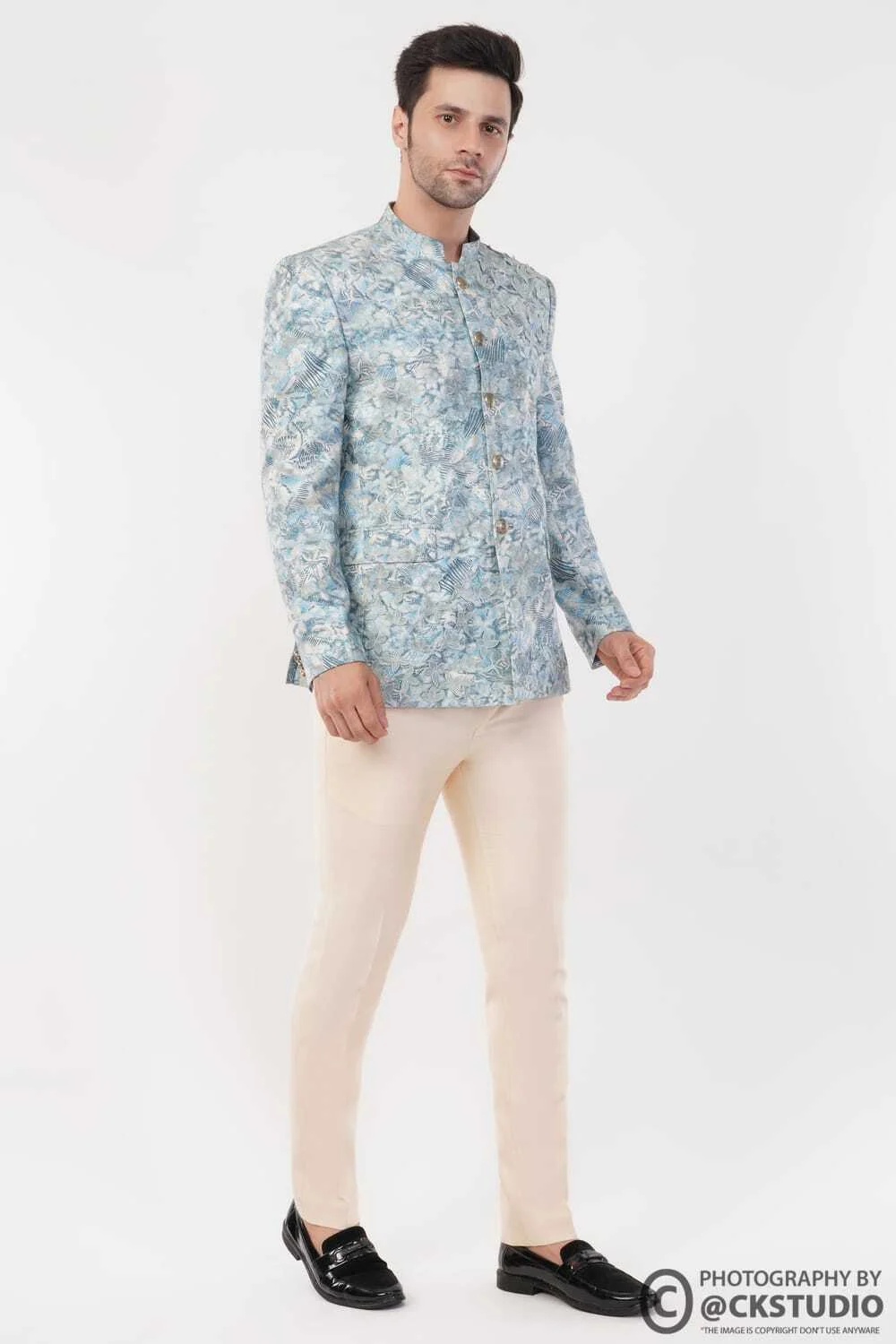
Put the full-length front first, then the three-quarter turn, then the back. A buyer scrolling a search page sees only the first image, so it has to show the complete outfit on a clean background. Detail shots work best in slots four to seven, where the buyer is already interested and wants proof. Keep the styled full groom look for the last slot, or for the brand store and social media where a warmer mood is welcome.
The same nine-frame structure works for bandhgala photography, achkans and Jodhpuri suits. Only the emphasis changes: a bandhgala needs more attention on the collar and button line, while an achkan or indo-western cut needs more side and movement frames to show the asymmetric drape.
Use one large soft key light at about 45 degrees, a strip light behind the model as a rim, and flags to stop light spilling onto the fabric from the front. Large soft sources keep zari highlights small and controlled, while the rim separates dark sherwanis from the background.
The most common lighting mistake in sherwani photography is too much frontal light. A flat on-axis light makes zari embroidery glow as a single white smear and turns velvet into a featureless dark shape. Moving the key to the side gives the embroidery texture, because each raised thread catches light on one side and casts a tiny shadow on the other.
From the studio floor
Our standard groom wear setup at Ckstudio is a 120 cm octabox as the key at roughly 45 degrees and slightly above head height, a 30 x 120 cm strip softbox behind the model on the opposite side as a rim, and a large white V-flat close to the shadow side as fill. We shoot full-length frames with a 50mm lens at around f/8 so the collar and the mojari are both sharp, and switch to a 100mm macro at f/11 for the embroidery crops.
Ivory and gold sherwanis are the most popular wedding choice and the easiest to overexpose. Expose for the brightest embroidery, not for the skin, and check the histogram so the highlights stop short of pure white. A slight underexposure of a third of a stop can be lifted in post-production, but blown zari cannot be recovered. A circular polariser on the lens helps cut glare on silk and satin without darkening the whole frame.
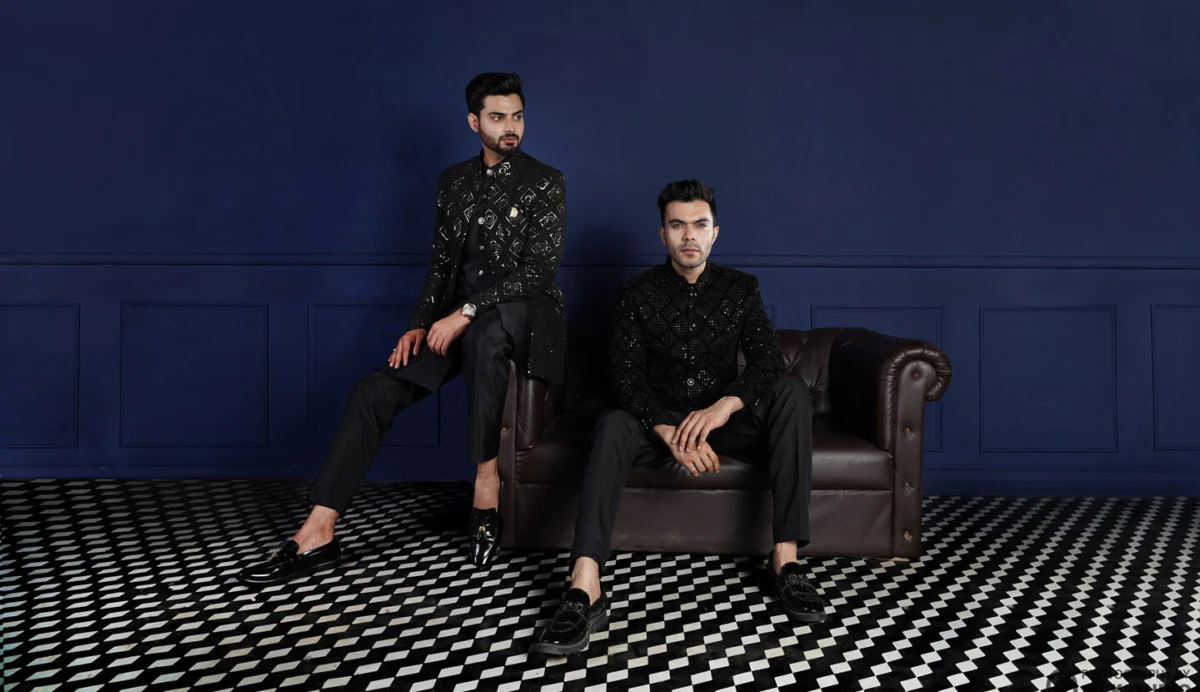
Maroon, bottle green and navy velvet need the opposite approach. Bring the rim light closer and raise it so it draws a clean outline along the shoulders and sleeves. Without that outline, a dark sherwani merges with the model’s hair and the background shadow, and the silhouette, which is the main selling point, disappears. A grey or light beige backdrop also gives dark fabric more separation than pure white in the styled frames.
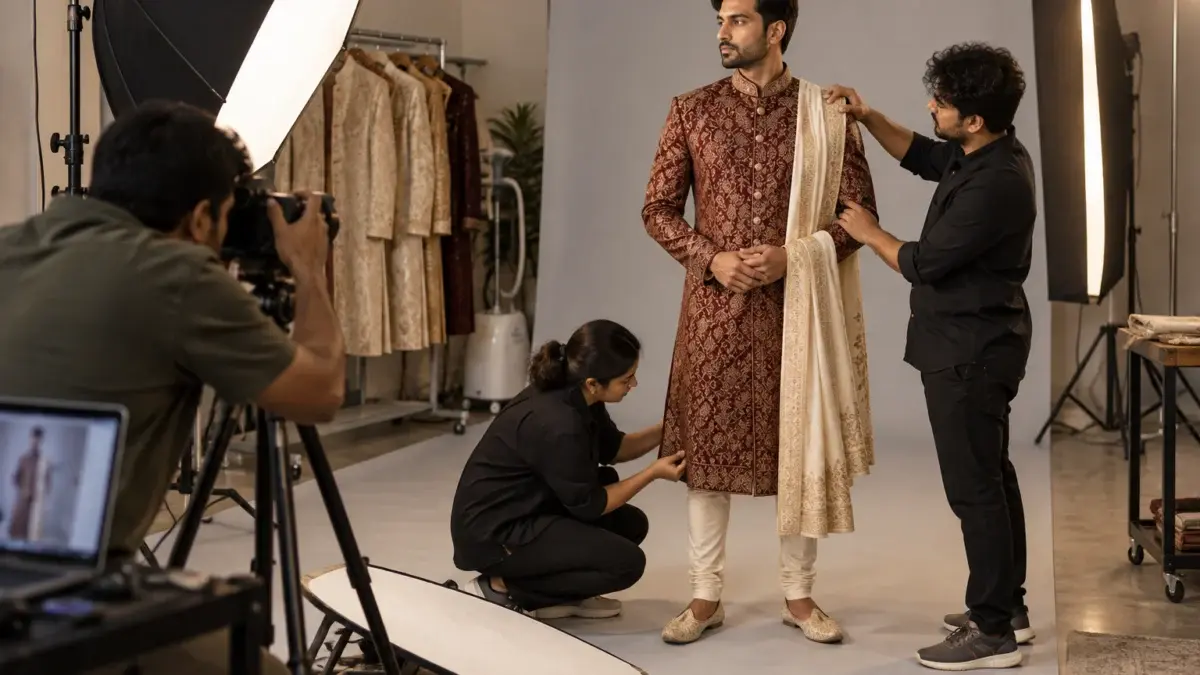
At Ckstudio, sherwani photography always starts with a colour checker card in the first frame of every new garment. Gold and ivory shift easily in post-production, and buyers return wedding outfits when the colour on arrival does not match the listing. A reference frame lets the retoucher lock white balance for each colour family across the whole groom wear catalogue shoot.
Fit the sherwani with back clips and hem pins before the first frame, then pose the model in a neutral stance with weight on one leg, shoulders square to the camera and hands kept off the chest embroidery. The goal is a straight placket, a clean collar and a hem that falls evenly.
Sample sherwanis rarely fit the model perfectly, which is why fitting takes more time than shooting in sherwani photography. A garment cut for a 40 chest on a model with a 38 chest will show folds at the waist and a collar that stands away from the neck. On a male model ethnic wear shoot, fitting is done from the back: clips along the back seam to remove the excess, a small pin under the collar to hold it close, and steaming of the front panels so the clipped fabric does not pull visible lines across the chest.
From the studio floor
Every sherwani is steamed on a hanger for 8 to 10 minutes before it reaches the model, then steamed again lightly on the body after clipping. We check four points in the tethered preview before shooting: the collar touching the neck all the way round, buttons sitting in a straight vertical line, the hem level with the floor, and the churidar gathering in 3 to 5 soft folds above the ankle rather than bunching.
Avoid crossed arms, hands in pockets that distort the side seams, and dramatic fashion poses on the main image. Those belong in the brand campaign, not the marketplace listing. Model choice also affects fit perception; a model with very broad or very narrow shoulders compared with the size you sell will make the garment look different from what buyers receive.
The short marketplace reel below shows the same principle on a simpler garment: steady, repeatable male model poses that keep fit and fabric in view across angles.
Style accessories in layers: shoot the bare sherwani first, then add the stole, then the safa, mala and mojari for the full look. This gives you clean product frames for the main slots and a complete groom frame that sells the set, without one accessory hiding another.
Accessories are where sherwani photography either upsells the full look or confuses the buyer. If the safa and stole are in every frame, buyers cannot tell whether they are included in the price. If they are in none, the listing looks plain next to competitors. The fix is a clear layering order on set and a short line in the listing that states what is included.
Drape the stole over one shoulder so it falls down the back and the front embroidery stays visible. Pin it discreetly under the shoulder so it does not slide between frames. For the back view, move it fully off the back or the buyer cannot see the back panel at all.
A pre-tied safa photographs better than a freshly tied one because the folds are even and symmetric. Check that the kalgi or brooch sits on the centre line of the face. Shoot one close frame of the safa on its own if it is sold separately; otherwise include it only in the full-look and three-quarter frames.
A long mala should hang to the centre of the chest, not swing to one side. Mojaris and juttis should be clean, new and colour matched; scuffed sample footwear is one of the most visible faults in full-length frames. For the accessory frame, a neat on-model detail of the hands, mala and stole edge often converts better than a separate product arrangement, because it shows scale.
Sellers who supply their own accessories should send them steamed and labelled with the SKU they belong to. The garment preparation checklist for model shoots explains labelling, packing and steaming so nothing gets mixed up on set.
Marketplaces expect a clean, light background on the main image, the full product visible and in focus, no text, logos or watermarks on the main frame, and enough resolution for zoom. Amazon publishes the most specific rules; Flipkart and Myntra follow similar principles through their seller portals.
Sherwani listing images fail marketplace checks for small, avoidable reasons, and good sherwani photography plans around them: a cropped mojari, a watermark in the corner, a coloured backdrop on the main image or a low-resolution file that cannot zoom into the embroidery. Before you plan the shoot, read the official image guidance for each platform you sell on, because rules change between seasons.
| Requirement | Amazon India | Flipkart | What it means for a sherwani |
|---|---|---|---|
| Main image background | Pure white (RGB 255, 255, 255) | White or light, plain background | Shoot the main frame on white seamless, keep grey or styled sets for later slots |
| Product in frame | Product fills about 85% of the image | Full product visible, centred | Head-to-mojari framing with a small margin, no cropped feet |
| Resolution for zoom | 1,000 px or more on the longest side enables zoom | High-resolution files recommended | Export at least 1,600 px so buyers can zoom into zari work |
| Text and logos | Not allowed on the main image | No watermarks or promotional text | Keep size charts and badges out of the main frame |
| On-model apparel | Adult apparel may be shown on a model | On-model images accepted for apparel | Full-length on-model front works as the main image |
Sources: the Amazon figures come from the Amazon Seller Central India product image requirements; Flipkart guidance is published inside the Flipkart Seller Hub catalogue help pages. Myntra shares its current apparel image specifications with onboarded partners through its partner portal, so check the latest sheet you received rather than an old copy.
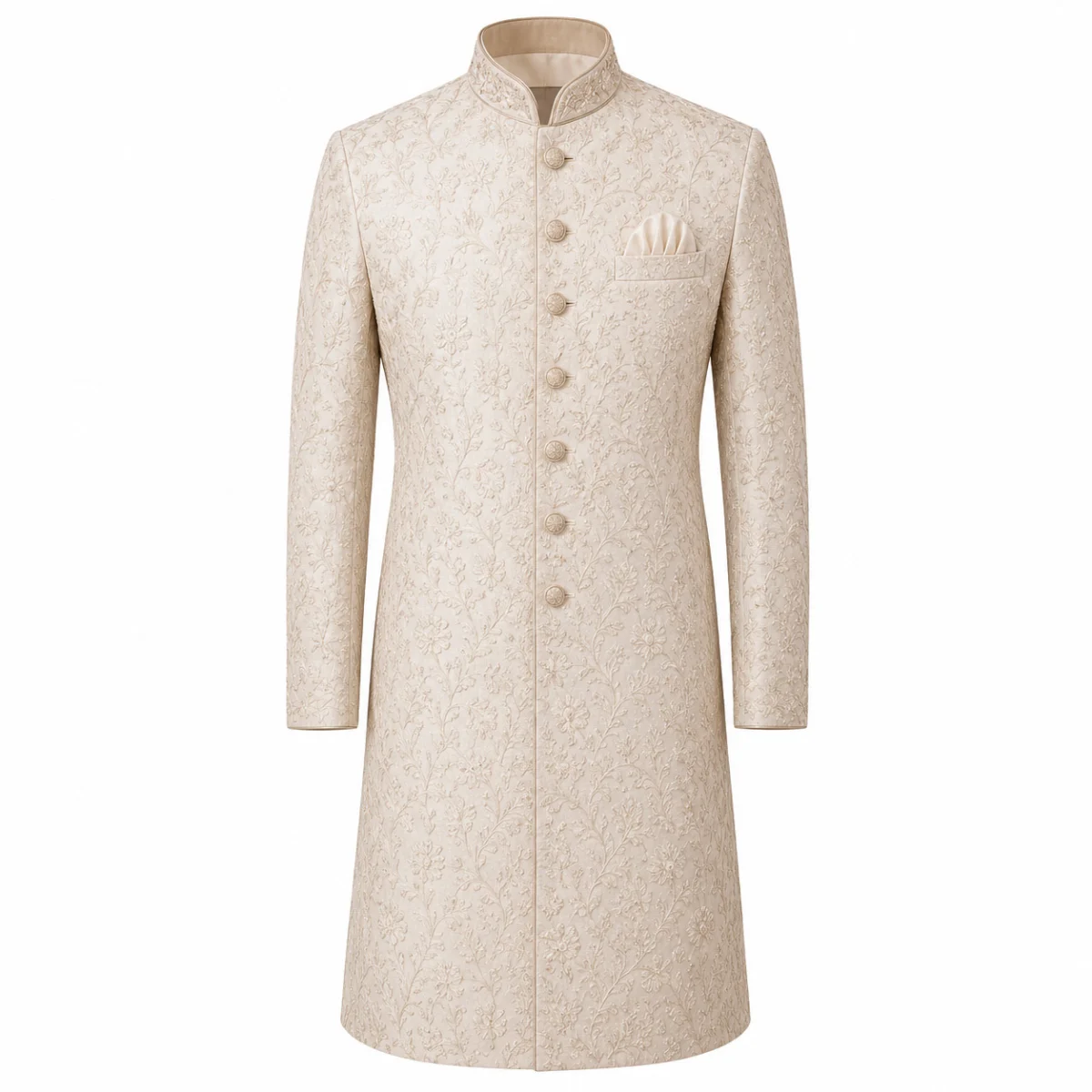
Some sellers prefer a product-only main image so every colour variant looks identical in search results. If listings keep looking inconsistent across colours, an invisible mannequin shoot for sherwani listings gives every variant the same shape, angle and white background, while the on-model frames sit in slots two to five. This combination is common on Amazon and Flipkart for sherwani product photography where a brand sells the same design in six or more colours.
A model shoot is best for fit and the full groom look, ghost mannequin is best for consistent colour variants and clean main images, and flat lay is best only for accessories and stoles. Most sherwani brands use model plus ghost mannequin together, and keep flat lay for add-ons.
| Format | Shows fit | Shows sheen and detail | Colour-variant consistency | Best use |
|---|---|---|---|---|
| Male model, full length | Strong | Good with a macro lens | Medium | Main or second image, full groom look |
| Ghost mannequin | Medium (shape only) | Strong | Strong | Main image for multi-colour ranges |
| Flat lay | Weak for long garments | Medium | Strong | Stoles, safas, malas, mojaris |
| Styled lifestyle set | Medium | Medium | Weak | Brand store, ads, social media |
A knee-length sherwani does not flat lay well, so sherwani photography for the garment itself is almost always on a model or mannequin. Laid on a table, the skirt spreads, the collar collapses and the garment looks shorter and wider than it is. That is the main reason flat lay works for the accessory frame but rarely for the sherwani itself. Bandhgala photography and short nehru jackets are the exception, since they are short enough to hold shape when carefully stuffed and pinned.
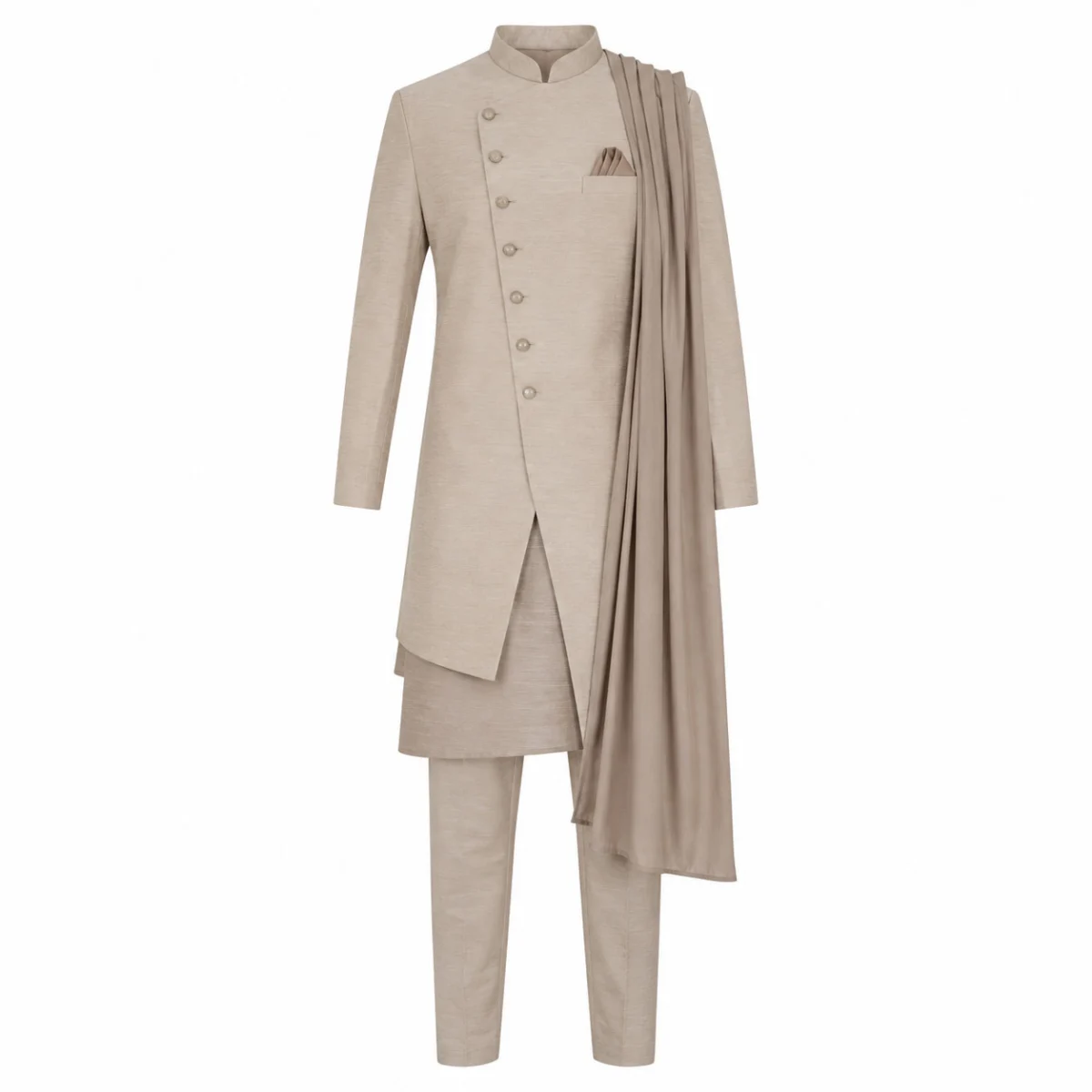
Indo-western sherwanis have asymmetric hems, attached drapes and dhoti or draped pants. For an indo western photoshoot, add a side profile and a slow walking frame to the shot list so buyers can see how the drape falls and where it is stitched. A static front view alone makes many indo-western cuts look like a plain long kurta.
Brands that sell kurta sets, nehru jackets and sherwanis together usually get the best cost per image by grouping them into one booking. Kurta sets and jackets can move through apparel photography on mannequin or hanger quickly, while the model time is reserved for the sherwanis and the hero looks where fit drives the purchase decision.
Plan sherwani photography backwards from your listing date: finalise the SKU list and shot list, fit-check samples, book one model whose size matches your sample size, and schedule sherwanis by colour family so lighting changes are minimal. Leave time for retouching and colour checks before the wedding-season traffic starts.
Example scenario
Imagine a menswear brand with a 40-SKU groom capsule: 10 hero sherwanis and 30 colour variants. In this illustrative plan, the 10 hero designs get the full nine-frame list (90 frames), and the 30 variants get front, back and embroidery macro (90 frames), so the shoot delivers about 180 final images from 40 SKUs. Grouping the 40 SKUs into four colour families means the lighting is changed four times instead of forty.
This is also where a short brand film earns its place. The fashion reel below shows how on-model movement and styling translate into video, which works well for a brand store or the video slot on listings that support it.
From the studio floor
Our QC pass for groom wear checks every frame at 100% zoom for clip marks, pin heads, loose threads and lint on velvet. Colour is matched against the checker frame for each family, and files are delivered as sRGB JPEGs at 2,000 px on the long side, plus marketplace crops, so zoom works on every platform listed above.
If you want help building the plan, email [email protected] with your SKU list, or send it on WhatsApp at +91-8700258773 and the Ckstudio team will suggest a shot list per design.
The most common mistakes are blown-out zari highlights, unfitted samples with waist folds, cropped footwear, accessories hiding the embroidery and inconsistent colour across variants. Each one has a simple fix on set or in post-production, and fixing them reduces both rejected listings and size-related returns.
A subtle mistake in sherwani photography is using a model who looks nothing like your buyer. Groom wear is bought by grooms and their families, and they compare their own build with the model’s. A slim fashion model in a sherwani sold mainly in larger sizes sets an expectation the product cannot meet, which shows up later as returns.
Another common problem is AI-generated or heavily composited sherwani images. They often get embroidery patterns, button counts and fabric texture wrong, and a buyer comparing the delivered garment with the listing will notice. Real sherwani photography of the actual sample, the way Ckstudio shoots it, remains the safer choice for occasion wear where trust matters most. Call +91-8700258773 if you want a second opinion on your current images before the season peaks.
Plan nine images for a hero design: full-length front, three-quarter, back, side, movement, collar close-up, embroidery macro, accessories and the full groom look. Colour variants of the same cut can often use three frames: front, back and an embroidery macro.
Use both if you can. A male model shows fit and the complete groom look, while a ghost mannequin keeps colour variants identical in shape on a white background. Many brands put the mannequin frame first for multi-colour ranges and the on-model frames in slots two to five.
Move the key light to the side at about 45 degrees, use a large softbox, add a polariser and expose for the brightest embroidery. Shooting a colour checker frame for each colour family helps the retoucher keep gold consistent across the catalogue.
Pure white for the main image on Amazon and a white or light plain background on Flipkart. Light grey or warm beige works well for the later on-model and styled frames, especially for dark velvet sherwanis that need separation from the backdrop.
No. Shoot the bare sherwani first, then add accessories in layers. If the safa and stole are not included in the price, keep them out of the main image and state clearly in the listing what comes with the outfit, so buyers are not misled.
Book sherwani photography well before the wedding-season traffic you are targeting, so there is time for fitting, shooting, retouching and marketplace uploads. For the November to February season, most brands finalise samples and shoot dates in the preceding months.
Good sherwani photography is not about a dramatic set. It is a controlled sequence: fit the garment properly, light the fabric from the side, layer the accessories in order and deliver clean, consistent frames for every marketplace slot. Get those right and your listing answers the buyer’s fit and quality questions before they reach the size chart. Prince and the Ckstudio team can help you plan the shot list for your next groom wear range; write to [email protected] or message +91-8700258773 on WhatsApp.
Next step: once your shot list is ready, read how choosing the right model for your sizes cuts returns in our model selection rules for fashion shoots.
Ckstudio shoots on-model, ghost mannequin and detail frames for menswear ethnic brands selling on Amazon, Flipkart, Myntra and Ajio. Share your SKU list and we will suggest a shot list and format for each design.
Call Prince: +91-8700258773Or explore our male model photoshoot service.