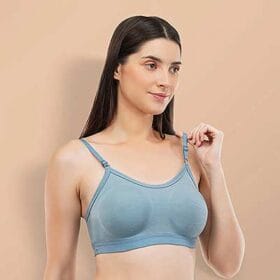
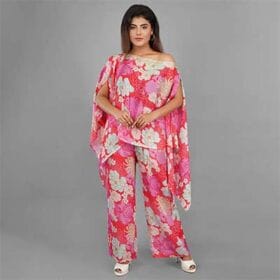
Fashion Photography Services
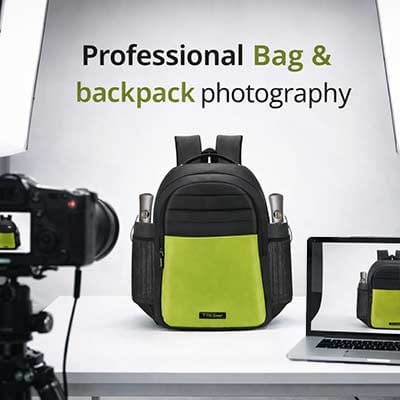

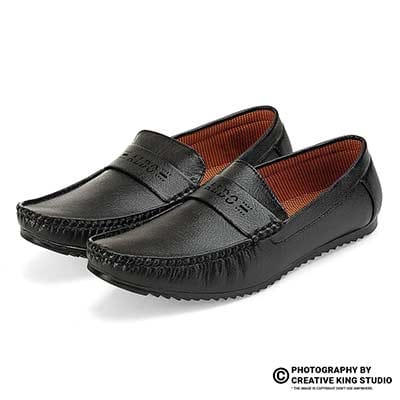
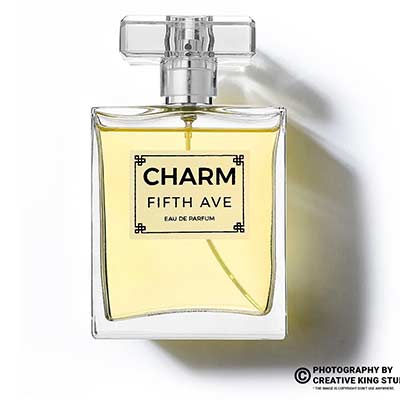
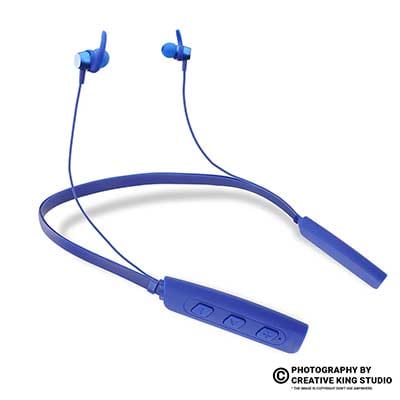
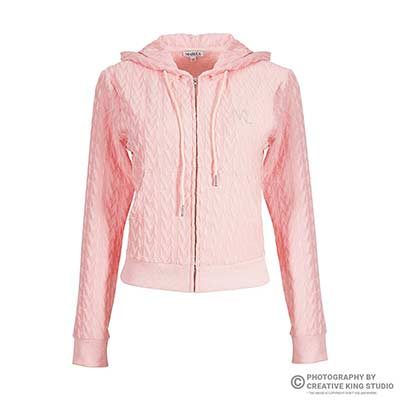
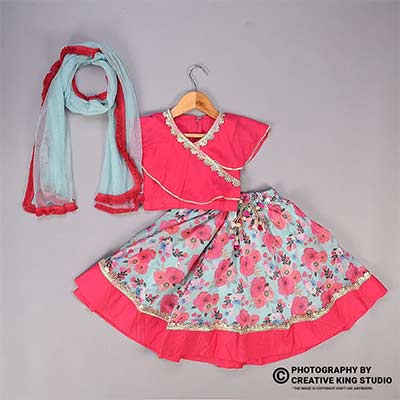
E-commerce Photography
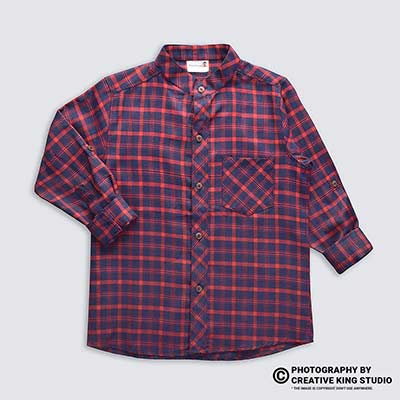
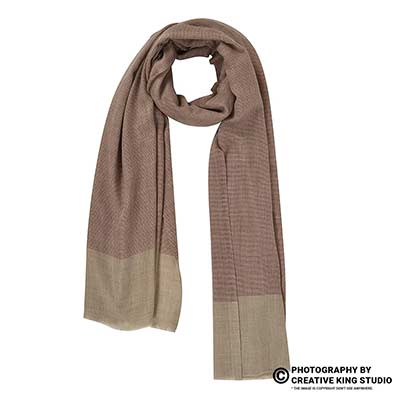
A practical way to decide how much of your Instagram Reels budget goes to creator-style UGC and how much to studio footage — and how to prove the split with your own numbers.
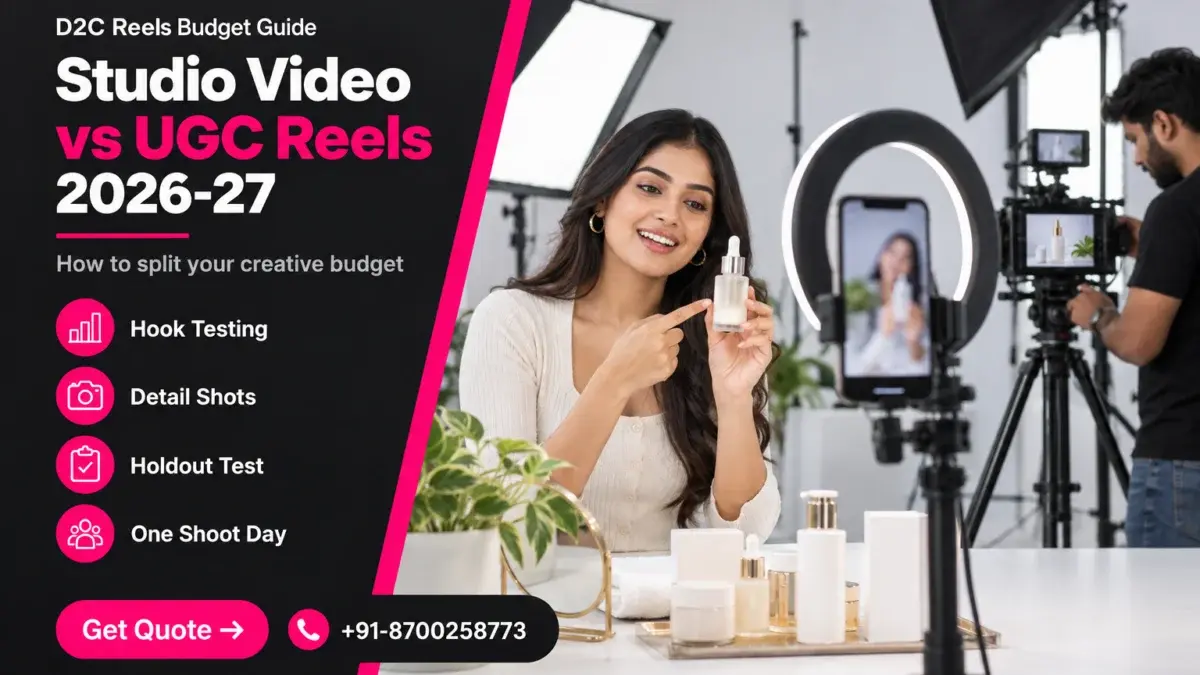
The studio video vs UGC Reels question is not really about which format is better — it is about how a D2C brand should split one creative budget so that Instagram Reels get enough fresh hooks to test and enough clean product footage to stay credible. If you are planning that split right now, start with what each format is actually good at, then let a simple test decide the ratio for your category.
Most Indian D2C and e-commerce teams that call Ckstudio already run some creator content. The problem is usually the opposite one: the account is full of talking-head clips that all look alike, and nobody can show a buyer what the fabric, the serum texture or the clasp looks like up close. Our page on UGC video creation for ecommerce covers the production side; this guide covers the decision that sits before it — how much of each format to buy, and in what order.
Below, Prince and the Ckstudio video team share how we plan Reels shoots, how hooks get tested in rough-cut form, where studio footage still earns its cost, and how to run a holdout test instead of trusting anyone’s headline ROAS figure — including ours.
In this guide
Studio video does best at showing the product exactly as it is — true colour, texture, fit and scale — and at keeping that look identical across every Reel, ad and listing. It builds the visual library your brand reuses for months, not the scroll-stopping first second.
A studio Reel is planned shot by shot: a controlled light setup, a fixed white or coloured backdrop, a product stylist, and a camera that can hold a macro push-in without hunting for focus. That control is what lets a buyer see the weave of a cotton kurta, the shimmer in a highlighter or the stitching on a laptop bag. On a phone in a living room, those details either clip to white or turn muddy, and the buyer has to guess.
The second thing studio footage does well is consistency. When a D2C brand launches twelve shades of a lipstick, the shades must read correctly side by side. Under mixed window light, two creators filming on two different days will give you two different reds. Under a calibrated studio setup, shade 04 looks like shade 04 in every clip, which also protects you from the “colour not as shown” return reason.
Think of a studio day as building a brand video library: hero packshots, 360-degree turns, texture macros, application or wearing shots, and clean B-roll that an editor can cut into dozens of formats. The same library feeds Instagram Reels, Meta ads, the Amazon or Flipkart listing video slot, your website product page and WhatsApp catalogue shares.
What studio video does not do well on its own is feel native in the Reels feed. A polished 20-second product film with music and no face often looks like an ad within the first second, and viewers treat it like one. That is why the studio video vs UGC Reels decision is rarely either/or; the studio library is the raw material, and creator-led framing is often the delivery format.
From the studio floor
For a Reels-focused product day we light the table with two large softboxes at roughly 45 degrees, add a strip box behind the product for an edge highlight, and shoot on a full-frame mirrorless body at 4K so the editor can reframe a vertical 9:16 crop from a 16:9 clip without losing sharpness. Every SKU gets the same five moves — static hero, slow push-in, 360 turn, texture macro, in-hand scale shot — so the clips cut together across the whole range.
UGC does best at the first three seconds: a real face, a spoken problem and a natural setting that looks like the rest of the feed. It is the cheapest way to produce many different hooks, angles and voices, which is exactly what Reels ad testing needs.
A creator holding a serum and saying “I stopped using this for a week and here is what happened” earns attention that a packshot cannot. The format borrows trust from the way real people talk about products. For an Instagram Reels product video, that native look matters because the feed is full of friends and creators; anything that looks like a TV commercial gets skipped faster.
UGC also scales sideways. One script can be recorded by three creators of different ages, skin tones or body types, in Hindi, English and Hinglish, with five opening lines each. That gives a performance marketer fifteen distinct openings to test for the cost of one modest shoot. Our guide on UGC production for Instagram and Meta ads covers formats and placements in more detail.
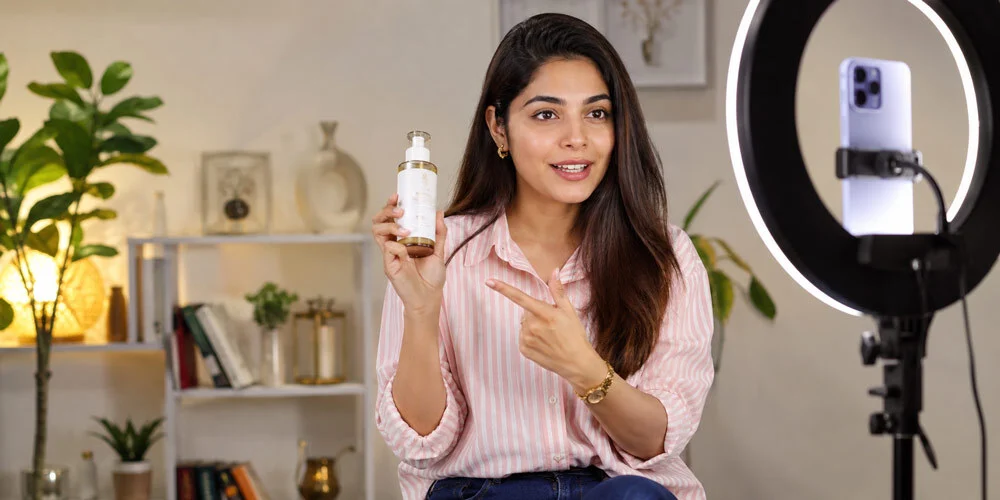
The weakness of pure UGC is the product itself. Phone sensors under a ring light flatten texture, push skin tones warm and blow out glossy packaging. Fit is hard to judge when the creator is seated, and fine details — a zip pull, a stone setting, a fabric blend — are rarely in focus. Creator clips also go stale quickly; the same face and room start to fatigue an audience after a few weeks of spend.
There is a compliance angle too. In India, creator content used as advertising should carry clear disclosure; the Advertising Standards Council of India publishes guidelines for influencer advertising in digital media that brands should read before running creator ads. Studio-produced UGC with hired talent is still advertising, so the claims in the script must be ones you can support.
Studio video wins on product accuracy, reuse and premium feel; UGC wins on native look, hook volume and speed of iteration. Most D2C brands need both, in a ratio set by their category and stage, not by a vendor’s average.
Here is the comparison the Ckstudio team uses when a founder asks for a quick read on UGC vs studio video India budgets. It is a planning aid, not a performance claim — your own test decides the final split.
| Factor | Studio video | UGC (creator-style) |
|---|---|---|
| Main job in Reels | Show the product truthfully; build a reusable library | Stop the scroll; test many hooks and angles |
| Colour and texture accuracy | High — controlled, calibrated light | Variable — depends on phone and room light |
| Hook variety per shoot | Low to medium | High — multiple creators and openings |
| Shelf life | Long — reused across ads, listings, website | Short — creative fatigue sets in faster |
| Best funnel stage | Retargeting, product page, premium launches | Prospecting, cold audiences, social proof |
| Reuse on marketplaces | Strong — clean, no voice claims | Limited — depends on platform video rules |
| Main risk | Looks like an ad, gets skipped | Misrepresents product, invites returns |
Beauty is the category where creator content usually leads prospecting, because application on real skin is the proof. But shade accuracy decides returns, so shade swatches, texture macros and packshots belong in the studio. A sensible starting split for beauty is creator-led Reels for cold audiences, with studio texture inserts cut into those same Reels.
For apparel, fit and fabric are the purchase questions. A creator “try-on” Reel answers “will this suit me”, while a studio walk, turn and fabric macro answers “what exactly am I buying”. Bags, watches and jewellery lean further towards studio, because hardware, finish and scale are hard to read on a phone.
Treat these as starting points. The reels ad creative mix that works for a premium footwear label will not be the mix that works for a value FMCG brand, and only a structured test tells you where your brand sits.
Test hooks cheaply first: record several openings for the same body, cut rough versions, and run them with a small, equal budget each. Only scale and polish the hooks that hold attention, then rebuild them with better footage.
UGC hooks testing works because the first one to three seconds decide most of a Reel’s fate. If you film one 30-second script with five different openings — a problem statement, a bold claim you can support, a before/after visual, a question, and a reaction — you can learn which opening earns attention before you spend on full edits.
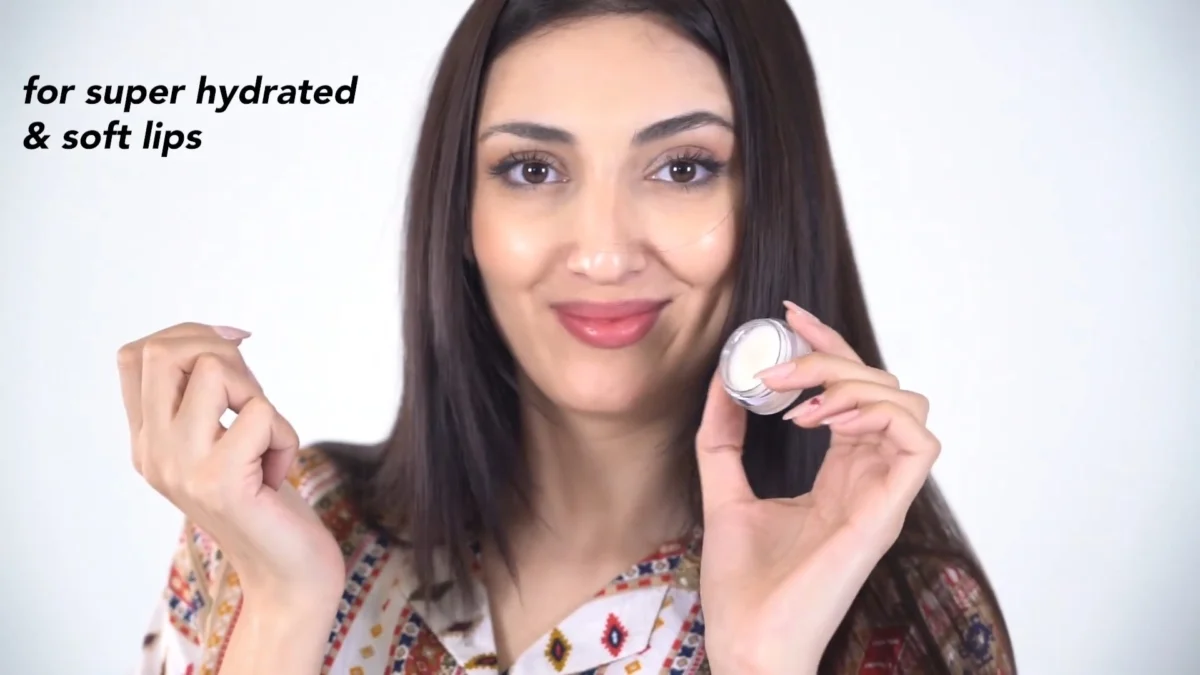
The fifth step is where the two formats meet. A winning creator hook often gets better, not worse, when the product close-ups inside it are replaced with clean studio footage, because the buyer now sees the real texture after the hook has earned their attention. That is why we plan both kinds of footage on the same day whenever we can.
From the studio floor
When we record hook variants, the creator does all five openings back to back in one lighting state, then the body twice. We slate each take on camera by holding up fingers for the hook number rather than using a clapper board, so the editor can sort fifteen takes in minutes. Rough cuts go out as 1080 x 1920 vertical MP4 files with burned-in captions sitting in the middle third of the frame.
One caution: many vendors quote big ROAS or CTR jumps for UGC over studio footage. Some of those numbers may be true for the campaigns they came from, but they are vendor claims, not independent research, and they rarely say what was being compared. Treat them as a reason to test, not as a forecast.
Studio footage still wins wherever the buyer’s doubt is about the product itself — texture, colour, finish, fit or scale — and wherever the brand needs a premium, consistent look across a range. In those moments a creator’s phone clip cannot replace controlled light and a proper lens.
Three situations come up again and again in our shoots. The first is detail: fabric weave, stitching, a serum’s viscosity, the sparkle of a stone. These need a macro lens, controlled highlights and a steady move. The second is premium positioning: a brand priced above the category average has to look the part, and a shaky handheld clip undermines the price. The third is consistency across a range, where every colourway and size must look like part of one family.
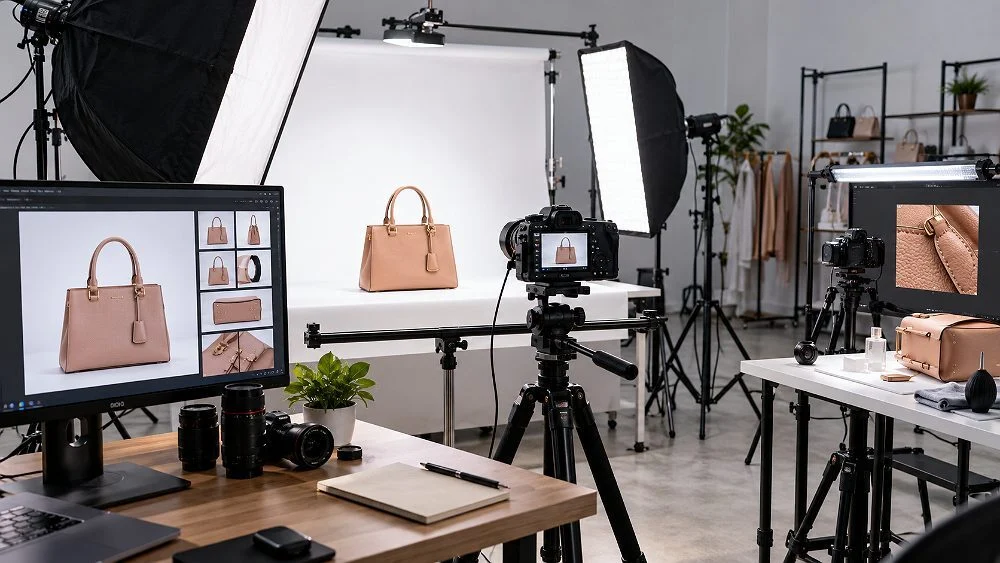
If your Reels keep getting comments like “what is the material?” or “is the colour really this?”, the gap is product footage, not more creators. In that case, product video production on a lit set fixes the doubt at the source, and the clips can be dropped into your existing creator Reels as inserts.
The cosmetic shoot below shows what that looks like in practice: controlled light on small reflective packaging, slow moves, and texture shots that a creator setup rarely captures cleanly.
Studio footage only helps if it is shot for the vertical frame. Meta’s Ads Guide lists the current Reels ad specifications; check it before every shoot, because limits change.
| Reels requirement | What it means on set | Source |
|---|---|---|
| 9:16 vertical aspect ratio | Frame for vertical or shoot 4K wide and reframe in the edit | Meta Ads Guide |
| 1080 x 1920 recommended resolution | Export vertical masters at this size or higher | Meta Ads Guide |
| Interface overlays at top and bottom | Keep product, faces and captions in the central area | Meta Ads Guide (safe zones) |
| Sound on by default for many viewers | Record clean audio or plan music and voiceover | Meta Ads Guide |
Run both formats against the same product, audience and budget for a fixed period, keep a small control group that sees neither new creative, and judge on cost per purchase and incremental sales rather than clicks. That tells you your split; no blog average can.
A holdout test removes the guesswork that vendor claims add. It is not complicated, but it does need discipline: one product, one offer, one landing page, and creative as the only variable. Meta Ads Manager has built-in A/B testing, and larger accounts can request lift studies; smaller brands can approximate the idea with clean campaign splits.

Look beyond the ad dashboard. A Reel that wins on cost per purchase but drives more “not as shown” returns is not a winner. Track return reasons by creative where your platform allows it, and read the comments: questions about material or colour signal a footage gap, while questions about results signal that the hook is working but proof is missing.
Finally, write the result down as a ratio for that product type, then re-test each quarter. Creative fatigue, a new audience or a festive season can shift the answer, and the d2c video ad creative mix should move with it.
Plan one day with two zones on the same floor: a lit product table for studio footage and a styled creator corner for UGC, sharing the same products, stylist and shot list. One day then produces hero footage, creator hooks and inserts that cut together.
This is the most practical answer to the budget question, and it is how Ckstudio schedules most Reels work. Instead of buying a studio film from one vendor and creator clips from another, you get both from one set, one product prep and one colour pipeline. The creator clips and studio inserts then match, which makes hybrid Reels look intentional instead of stitched together.
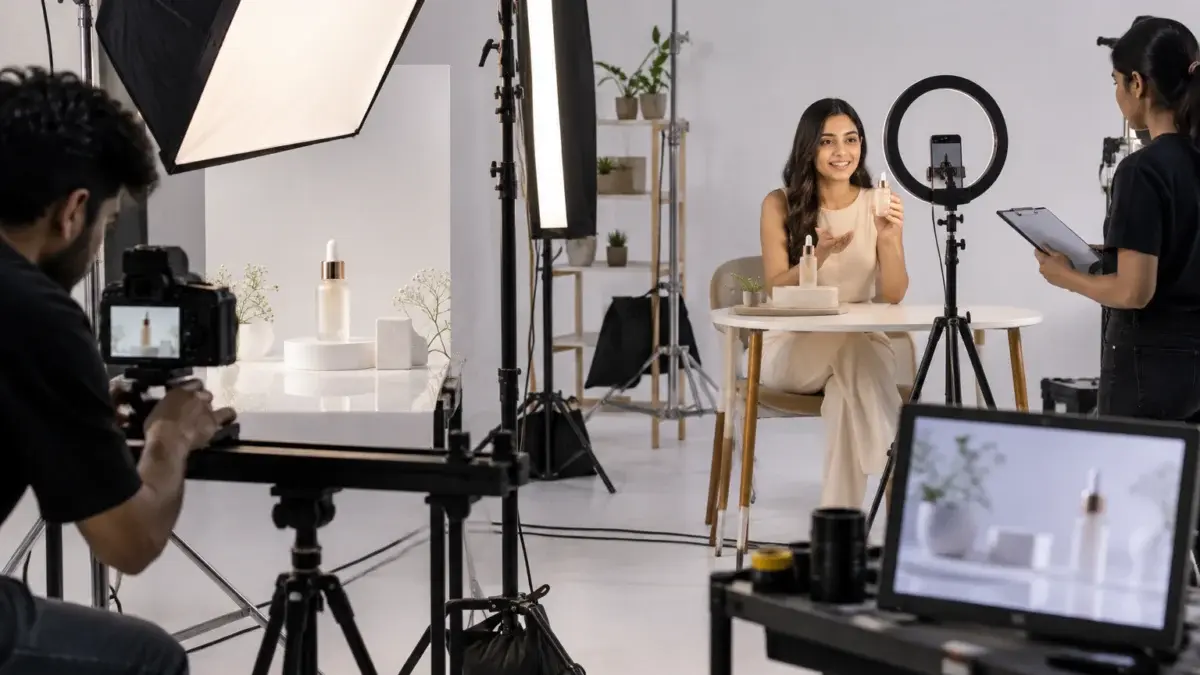
A typical day runs in four blocks. Morning is product prep and studio footage — hero, macro, 360 turn and in-hand scale for every SKU. Late morning moves the creator into their corner for hooks and body takes. After lunch comes wearing or application shots, where the creator and studio camera work together. The last block is pickups: anything the editor flags as missing from the shot list.
Example scenario
Example: a skincare brand with 6 SKUs plans one Reels shoot day. Studio block: 5 moves per SKU, so 30 clean clips. Creator block: 2 creators, 1 script, 5 hooks each, so 10 openings. Edit plan: 10 rough hook tests, then 6 hybrid Reels that pair winning hooks with studio inserts, plus 6 silent product loops for listings. The illustrative budget split for the first month is 60 percent creator-led testing and 40 percent studio library — to be adjusted after the holdout test, not fixed in advance.
The second video shows how a single apparel shoot produces marketplace-ready product videos alongside social cuts — the same footage serving more than one channel.
If you are deciding who should run that day, our comparison of studio-backed UGC versus freelance creator UGC walks through the trade-offs of each route.
From the studio floor
On a dual-format day at Ckstudio we lock white balance at one Kelvin value for both zones and shoot a colour checker at the start of each block, so creator clips and studio inserts grade to the same skin tone and product colour. Files are named SKU, zone, move and take, and the editor receives a shared shot list with every clip ticked before the creator leaves the set.
The usual mistakes are buying one format only, trusting averages instead of testing, and shooting studio footage that does not fit the vertical feed. Each has a simple fix that costs less than another month of guessing.
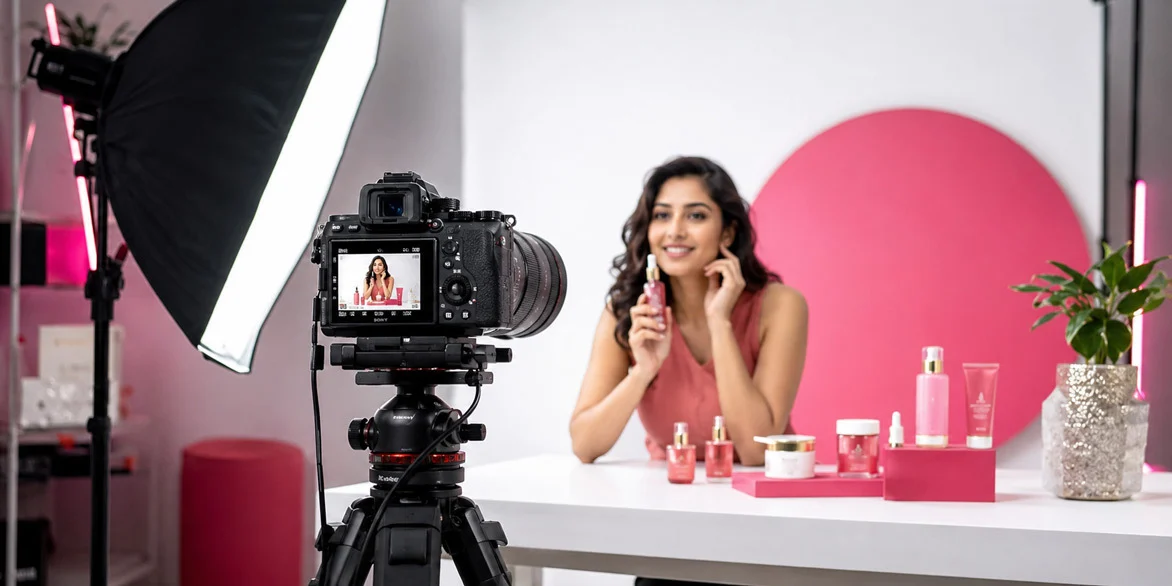
One more quiet mistake: briefing the creator and the studio team separately. When the two briefs disagree on product claims, colour names or the key benefit, the hybrid Reel contradicts itself. One shared brief, one shared shot list, one set of approved claims prevents that.
If you want help planning that day, Ckstudio can scope a dual-format Reels shoot for your range. Call +91-8700258773, message us on +91-8700258773 on WhatsApp, or email [email protected] with your SKU list.
No. UGC usually earns attention faster in cold audiences, but studio video shows the product more accurately and lasts longer. Most D2C brands get the best results from creator hooks combined with studio product inserts, with the ratio set by a test.
Start with a creator-heavy split for hook testing plus a small studio library for your hero SKUs, then adjust after a four-week holdout test. The right ratio depends on category, price point and how often buyers question the product itself.
Usually yes. Clean studio clips without spoken claims are the easiest footage to adapt for marketplace video slots, as long as they follow each platform’s current video guidelines. Creator clips with voice claims need more checking before reuse.
Three to five openings on the same body is a practical starting point. Keep the middle and the call-to-action identical so the hook is the only variable, and give each version an equal budget.
Treat them as unverified. Most come from vendors describing their own campaigns without a stated comparison. Use them as a reason to run your own studio video vs UGC Reels holdout test rather than as a forecast.
Yes, if the day is planned with two zones, one shared shot list and locked colour settings. That produces hero footage, creator hooks and inserts that match in the edit.
The short version: buy UGC for attention, buy studio footage for truth, and let a holdout test decide the ratio. Ckstudio plans Reels shoots this way because one set and one colour pipeline make the two formats work together instead of competing for the same budget. Prince and the team are on +91-8700258773 and [email protected] if you want to talk through your range.
Next step: once you know your split, write a creator brief that keeps every claim and shot aligned — use our UGC creator brief template for Indian brands.
Share your SKU list and goals, and the Ckstudio team will suggest a shot list covering creator hooks and studio inserts in one day. WhatsApp +91-8700258773 or see our UGC video service.
Call Prince: +91-8700258773