




Fashion Photography Services




E-commerce Photography

Read every line of your AJIO payout, match it to orders and returns, and stop small deductions from quietly eating your margin.

An AJIO settlement statement is the order-by-order record that explains why the money in your bank is smaller than the value of what you sold. It lists each forward order, each return, every fee and every tax withheld, and ends with the net amount AJIO actually transferred. If you only check the final bank credit, you never see where the gap opened.
This guide is part of the Ckstudio AJIO Seller Hub, where we cover registration, image rules and catalog QC for fashion brands. Here the focus is narrower and more practical: how to read the AJIO settlement statement, reconcile it against your own order and return data, and spot the deductions that keep repeating. Prince and the Ckstudio catalogue team see the same pattern with apparel brands every season: most of the leakage traces back to returns, and a good share of returns traces back to the listing itself.
In this guide
An AJIO settlement statement shows, for one payout period, every order and return that affected your balance, the fees and taxes deducted against each, and the net amount paid. Think of it as the bridge between your sales report and your bank statement.
Column names change with your business model and with updates to AJIO Seller Central, so treat the list below as a map of what kind of information to look for, not as AJIO’s official column headers. Download your own export from the payments area of Seller Central and label each column against this map once; after that, every month gets faster.
| Block | What it tells you | What to match it against |
|---|---|---|
| Order or shipment reference | Which customer order the line belongs to | Your order export and dispatch log |
| Style code, SKU or EAN | Which product and size sold or came back | Your catalog template and stock sheet |
| Invoice or sale value | The amount the customer paid for that line | Your tax invoice for the order |
| Marketplace fee or commission | AJIO’s charge as per your agreement | The rate card in your seller agreement |
| Logistics or shipping charges | Forward and reverse delivery costs, where applicable | Weight, zone and model terms |
| Return or reversal lines | Sale value taken back for customer returns | Your return receipts and QC notes |
| TCS and TDS | Taxes withheld and deposited in your name | GST portal and Form 26AS / AIS |
| Adjustments and penalties | One-off debits or credits | Emails, tickets and claim outcomes |
| Net payout and UTR | What reached the bank and its transfer reference | Your bank statement |
The single most useful habit is to keep one row per order line in your own working sheet. A summary view that only shows totals hides the two or three styles that cause most of the deductions. When the AJIO settlement statement is broken down by style code, finance can hand catalogue a short list instead of a vague complaint that “returns are high”.
For most AJIO sellers the statement is the third document in a chain: the sales or order report tells you what was sold, the returns report tells you what came back, and the settlement statement tells you what AJIO paid for the net of the two. Reconciliation simply means proving that chain closes. If an order shows as delivered but never appears in any settlement, or a return is deducted twice, the chain breaks and you have a claim to raise.
Keep a short notes column beside each line for anything unusual: a damaged return, a size exchange, a delayed dispatch. These notes become your evidence later, and they make the next month’s AJIO payout reconciliation much faster because the same issues tend to repeat.
The AJIO seller payment cycle depends on the business model in your agreement: marketplace, sale-or-return or outright. Each model changes who owns the stock, who carries unsold risk and when cash arrives, so the settlement statement looks different for each.
AJIO, run by Reliance Retail, onboards sellers through the Reliance supplier portal and evaluates the brand before opening catalog access. That evaluation also decides which models are open to you. Payment timelines quoted on blogs vary a lot, and we have not found an official public page that fixes them for every seller, so the only reliable source is your signed terms sheet. Read it with the settlement statement open beside it.
| Business model | Who holds stock | What the statement mostly shows | Reconciliation focus |
|---|---|---|---|
| Marketplace | You | Per-order sales, fees, returns and taxes | Order-level matching and return reversals |
| Sale or return (SOR) | Stock placed with AJIO | Units sold from placed stock, returns of unsold stock | Stock reconciliation plus sales settlement |
| Outright | AJIO buys the stock | Purchase-order based payments and debit notes | PO terms, debit notes and credit notes |
In the marketplace model you hold inventory and ship against each order, so every forward shipment and every customer return is its own line. This is where most AJIO seller deductions show up, and where a clean order-level sheet pays off fastest. A delivered order with no matching credit, or a return reversed against the wrong size, is easy to catch when your sheet uses the same order reference as the statement.
Under sale or return, the question shifts from “which order?” to “which units are still with AJIO, and which have been sold or sent back?”. Reconcile your placed-stock quantity against sold and returned units before you look at money. Under outright, payment follows purchase orders, so the documents to check are the PO, your invoice, and any debit or credit notes raised after inward QC. A debit note for short or rejected units deserves the same scrutiny as a return deduction.
Whatever the model, write down three dates per payout: the period covered, the date the AJIO settlement statement was generated, and the date the money landed. After two or three cycles you will know your real cash rhythm, which is far more useful for planning than a figure copied from a forum. If you are still choosing a model, the business-model section of the AJIO hub is the place to compare them before you sign.
Export the AJIO settlement statement, your order report and your return report for the same period, join them on order reference and style code, then compare expected net value with actual net value for every line. The differences are your list of questions.
This is the method we recommend because it is easy to repeat every cycle. It works in a spreadsheet; you do not need accounting software to start, although it helps once volumes grow.
Example scenario
Imagine a 40-style kurta label on the marketplace model with 120 forward order lines in one settlement period, worth Rs 2,40,000 in sale value. Twenty-two lines came back as customer returns, worth Rs 44,000. The founder expected a net figure based on the fee rates in the agreement, but the AJIO settlement statement came in lower. After joining the files, 14 of the 22 returns traced to just three styles, all with the reason code for colour or size, and two delivered orders were missing from the settlement entirely. These numbers are illustrative, not from a real brand, but the shape is typical: a few styles and a few missing lines explain most of the gap.
Notice that the example ends with two different actions. The missing orders are a finance issue and go to AJIO as a ticket. The three styles with colour and size returns are a catalogue issue, and no ticket will fix them. That split is the real value of AJIO payout reconciliation: it tells you which problems to chase with the marketplace and which to fix in your own listing.

The usual AJIO seller deductions are the marketplace fee or commission, logistics charges, return reversals, taxes withheld (TCS under GST and TDS under income tax) and occasional adjustments or penalties. Each one has a different source document to check it against.
The fee percentages and logistics slabs differ by category and business model and are fixed in your agreement, which is why we do not quote them here. What we can do is show what to check each deduction against, and where the tax figures come from, because those two are set by law rather than by AJIO.
| Deduction | How to check it | Source of the rule |
|---|---|---|
| Commission or marketplace fee | Recalculate on sale value per line using your category rate | Your AJIO seller agreement |
| Logistics charges | Compare with model terms; check reverse charges on returns | Your AJIO seller agreement |
| Return reversal | Match each reversal to one physical return received | Return report and warehouse receipt |
| TCS under GST | 0.5% of net taxable value of supplies made through the platform | Section 52, CGST Act; rate per Notification 15/2024–Central Tax, 10 July 2024 |
| TDS on e-commerce sales | 0.1% of gross sales value when PAN is furnished | Section 194-O, rate reduced from 1% with effect from 1 October 2024 |
| Adjustments and penalties | Ask for the reason and the order reference for each | Tickets, emails and policy notices |
E-commerce operators collect GST TCS under Section 52 and file it monthly, after which it reflects for the seller on the GST portal, where you accept it and it moves to your electronic cash ledger. Compare the TCS total on your statements with what AJIO has reported; a gap usually means a GSTIN mismatch or a timing difference between months.
TDS deducted on e-commerce sales should appear against your PAN in Form 26AS and the Annual Information Statement on the Income Tax e-filing portal. Note that the Income-tax Act, 2025 applies from 1 April 2026, so the section number your CA uses for this deduction may differ from older guides; the check itself stays the same.
Commission and logistics need a closer look on return lines. When a customer sends a kurta back, check whether the fee charged on the original sale was reversed, partly reversed or retained, and whether a reverse logistics charge was added. Your agreement decides which is correct. The point is not to assume an error, but to know which outcome the agreement promises and to flag lines that do not follow it. One recurring difference across many lines is worth a single, well-documented ticket, and that is the approach the Ckstudio team suggests to every brand that asks.
Every customer return reverses the sale value and can carry its own fees, so a high return rate drains net payout twice: once through the lost sale and again through return-related charges. In fashion, many returns come from colour, fit and fabric surprises that the listing could have prevented.
When we read return reason codes alongside a brand’s listings, the same three causes come up again and again: the colour on screen did not match the garment, the size chart did not match the actual measurements, or the fabric looked heavier, shinier or softer than it really was. None of those is a finance problem, yet each one shows up on the AJIO settlement statement as a return deduction.
This is where images do the heavy lifting. If shoppers keep sending a style back because the colour looked different, a reshoot of that style with calibrated ecommerce photography removes the cause instead of treating the symptom. For drape and fit questions, honest on-model fashion photography with front, side, back and detail frames gives the shopper the information a fitting room would.
From the studio floor
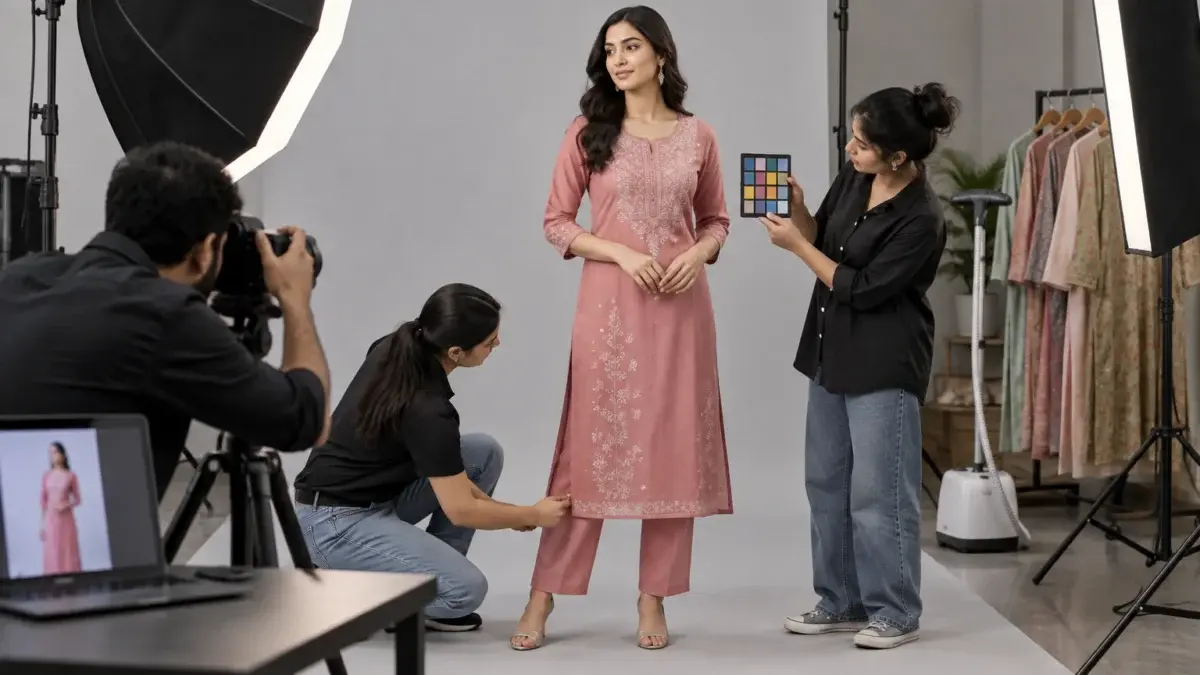
For apparel that keeps coming back for colour, we shoot a colour-check card in the first frame of every style under the same 5600K flash setup, then match the final files to the physical garment on a calibrated monitor before export. AJIO frames go out at 1600 × 2000 px in sRGB, under 1 MB, with a separate true-colour fabric crop for the SWATCH field. That swatch is often the image that settles a shopper’s doubt about shade.
The clip below shows how a marketplace apparel shoot captures fit and fabric in motion, which answers the questions that still frames sometimes leave open.
For a deeper look at the link between listings and returns across platforms, read our guide on reducing returns with better product images. It covers the shot list we recommend for apparel, footwear and accessories.
Raise a ticket from AJIO Seller Central with the order references, the line values you expected, the values you received and your evidence attached. Group similar issues into one ticket so the support team can resolve them in one pass.
Disputes go faster when the evidence is ready before the ticket is opened. For a missing settlement, that is proof of delivery and the order reference. For a wrong return deduction, it is your warehouse receipt, inward QC photos and, ideally, an unboxing video recorded when the return parcel was opened. For a fee mismatch, it is the clause or rate card from your agreement and a calculation for each affected line.
Wrong or damaged returns deserve special attention. If the parcel that came back is not your product, or arrives used or damaged, the claim process and its deadlines are set by AJIO’s policies for your account, so check the current window in Seller Central and file inside it. A return accepted into stock without a photo is very hard to dispute afterwards.
From the studio floor
Every file we deliver is named by style code, colour and angle, for example STYLE-COLOUR-01 to STYLE-COLOUR-05 plus a SWATCH file, so the catalog template, the stock sheet and the settlement statement all speak the same language. When finance flags a style for returns, catalogue can open the exact five frames that shoppers saw in under a minute, instead of hunting through folders named by shoot date.
That same Ckstudio naming discipline helps in disputes. If AJIO’s QC rejected a style or flagged an image, you can show which file was live on which date. It also helps when you compare a style’s return rate before and after a reshoot: the style code ties the old frames, the new frames and both months of settlement lines together.
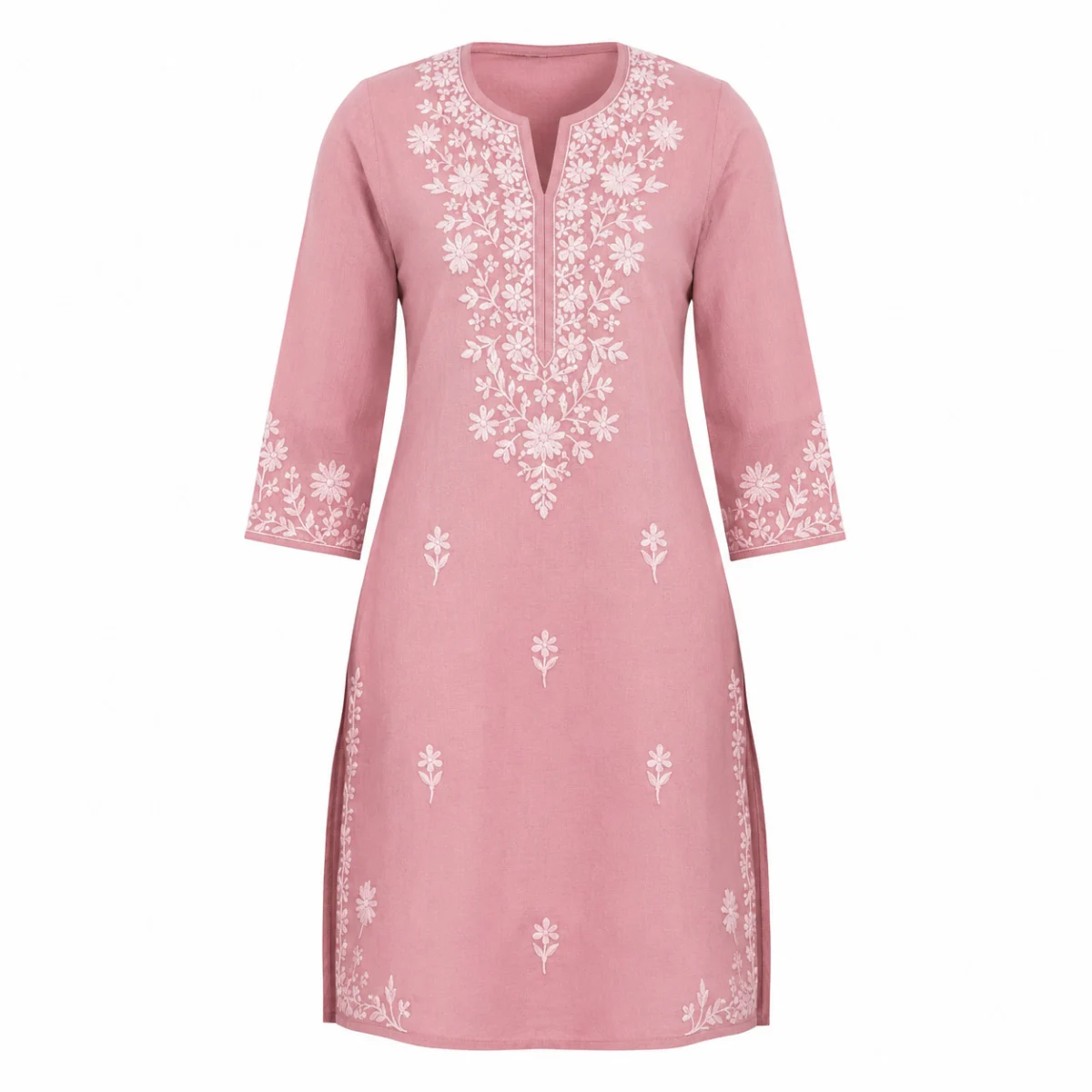
The most common mistakes are reconciling totals instead of lines, using calendar months instead of settlement periods, ignoring size-level codes, and treating every return as a finance problem. Each has a simple fix.
The last mistake is the expensive one. A finance team can recover a missing payout with one ticket, but a style with a misleading first image will keep generating return deductions every cycle until someone reshoots it. In our experience at Ckstudio, the brands that improve fastest treat the settlement statement as a catalogue feedback report as well as a finance document.
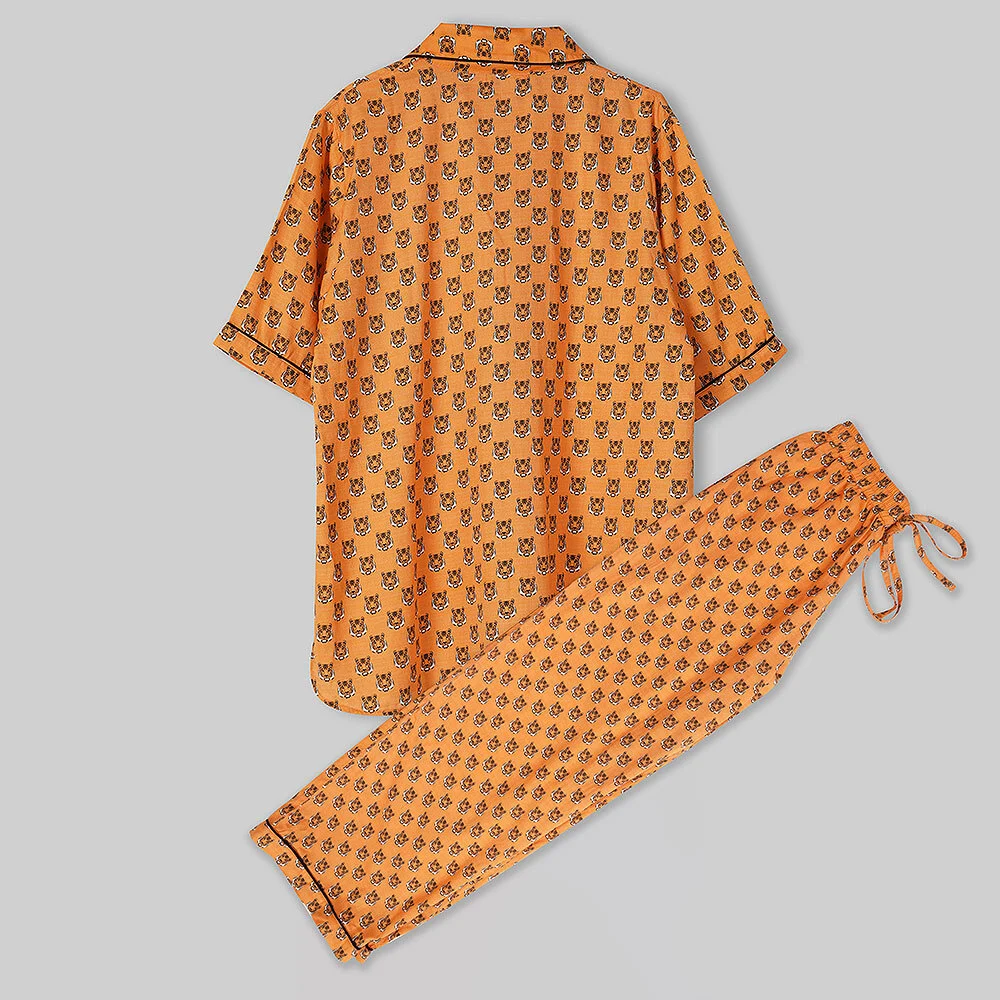
Another mistake is skipping the return reason codes because they feel vague. Even broad codes such as “size”, “colour” or “quality” become meaningful when you count them per style. If one co-ord set has most of its returns tagged “colour”, while a similar set in the same fabric does not, the difference is almost always in how the two were photographed or edited. Sellers who already follow the AJIO seller image guidelines for ratio and fill can still lose margin if the colour drifts between shoots.
Set a fixed day after each payout to download the statement, run the line-by-line match, accept tax credits, file grouped tickets and send a short return report to the catalogue team. Thirty to sixty focused minutes per cycle is usually enough once the sheet is built.
A routine beats a heroic year-end clean-up. Settlement data is freshest in the days after a payout, return parcels are still in the warehouse, and claim windows are still open. Here is the order we suggest to the brands we shoot for.
From the studio floor
When a style is flagged for size returns, we re-measure the actual garment flat on the table, chest, waist, length and sleeve, at two points per measurement, and send those numbers to the client for the size chart before we reshoot. On set we check that the garment fills 80–85% of the 1:1.25 frame on main angles and 100% on the detail frame, so the fabric weave is visible at zoom.
Some return causes can be fixed without a full reshoot. If the original frames were sharp and well lit but the colour drifted during editing, colour-accurate image editing against the physical sample is often enough. If the frames themselves are weak, a reshoot is the cleaner option.
The clip below follows a marketplace product shoot from setup to final frames, which is the stage where most colour and detail problems are prevented.
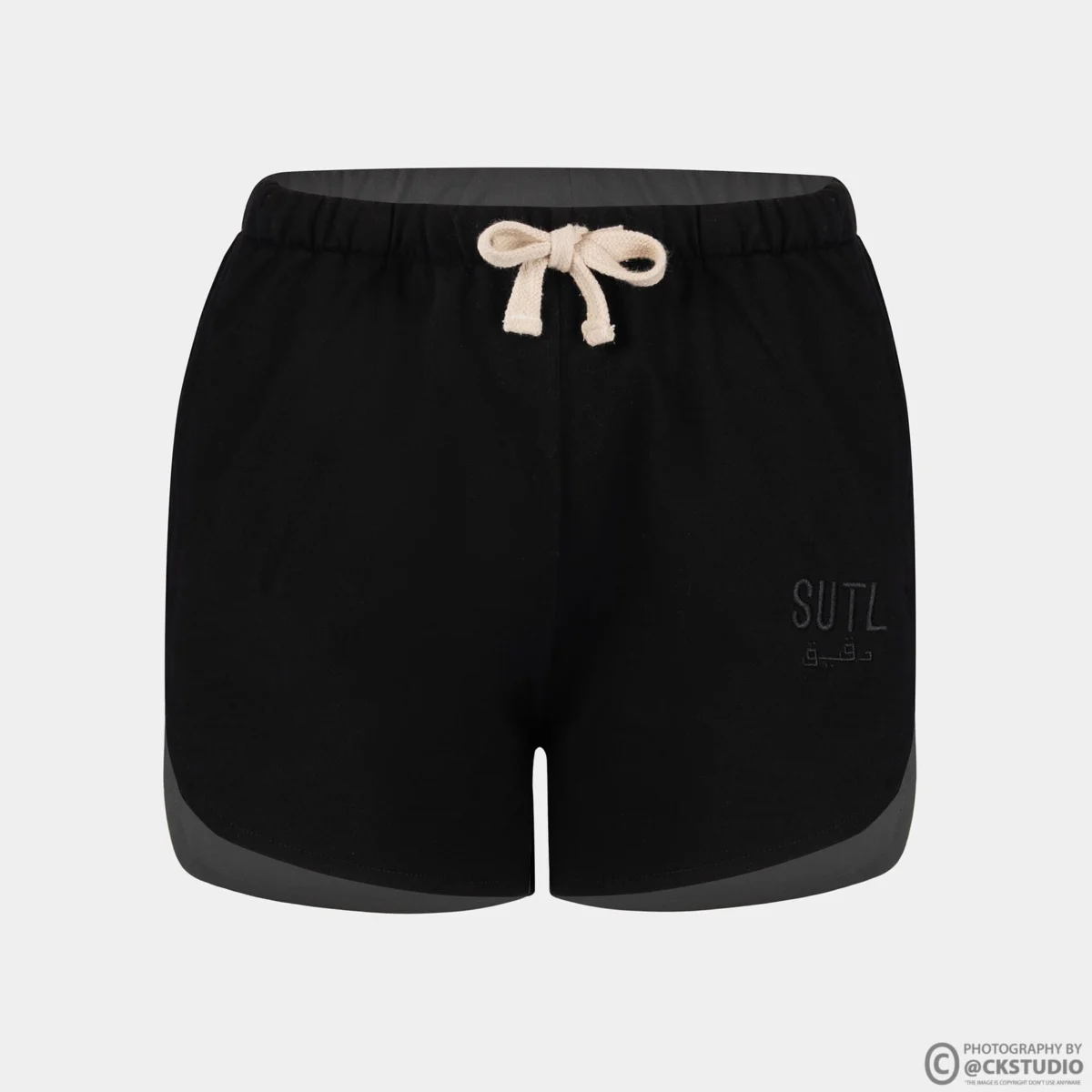
Questions about your own catalogue? Call or WhatsApp +91-8700258773, or email [email protected] with a list of your highest-return style codes, and the Ckstudio team will tell you which ones look like an image problem.

Sellers manage listings, orders and payments in AJIO Seller Central. Download the AJIO settlement statement from the payments area for each payout period, along with the order and return reports for the same dates.
Net payout is sale value minus the marketplace fee, logistics charges, return reversals, TCS and TDS, plus or minus any adjustments. Returns are usually the largest single reason for the gap in fashion categories.
It depends on your business model and the terms in your seller agreement. Marketplace, sale-or-return and outright models settle differently, so rely on your terms sheet rather than timelines quoted on blogs.
GST TCS under Section 52 is 0.5% of the net taxable value of supplies since 10 July 2024. Income-tax TDS on e-commerce sales has been 0.1% since 1 October 2024 when PAN is furnished. Check both on your AJIO settlement statement and on the government portals.
Raise a ticket in Seller Central with the order reference, the expected and actual values, and proof such as warehouse receipt, condition photos or an unboxing video. File within the claim window shown for your account.
Yes, when the returns are driven by colour, fit or fabric expectations. True-colour frames, a fabric swatch, a measured size chart and on-model angles answer the questions that otherwise turn into returns and deductions.
Reconciliation is not glamorous, but it is the only way to know what each style truly earns on AJIO. Build the sheet once, run it every cycle, and let the AJIO settlement statement tell you which problems belong to the marketplace and which belong to your catalogue. If you want a second pair of eyes on the catalogue side, call Prince on +91-8700258773.
Next step: once you know which styles drive your return deductions, plan a returns-proof catalogue shoot.
Send Ckstudio your top return style codes and categories. We will suggest an angle plan, a swatch and size-chart check, and AJIO-ready 1:1.25 files named by style code.
Call +91-8700258773, WhatsApp +91-8700258773 or email [email protected]. Hours: 10 am to 7 pm.
Call Prince: +91-8700258773