
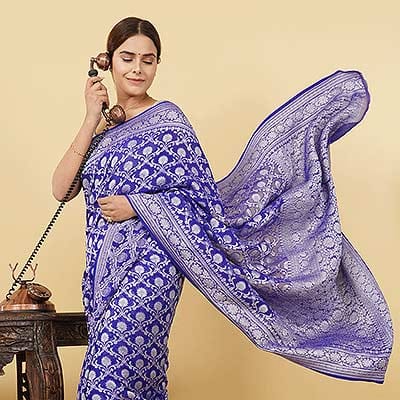
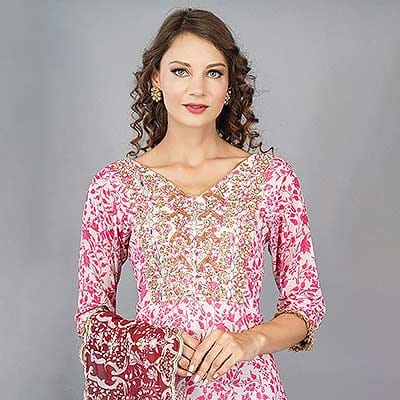





Returns are silently eating Indian e-commerce profits alive. For most sellers on Flipkart and Amazon, the return rate sits between 15% and 35% — and in fashion categories, it can spike past 40%. Every returned package is not just a refund; it’s reverse logistics fees, repackaging costs, quality re-inspection, lost selling fees, marketplace penalties, and a dent in seller performance metrics.
Here’s the part most sellers miss: the single biggest cause of avoidable returns is poor product imagery. When buyers receive a product that looks different from what was shown on screen — different color, size, texture, fit or finish — they hit return. And no amount of better packaging, faster delivery, or polite follow-up can fix that gap.
At Ckstudio, we’ve spent the last nine years working with hundreds of D2C brands and marketplace sellers, and one pattern shows up again and again: better product photography is the highest-ROI fix for return reduction. Not ad spend. Not pricing tweaks. Photography. This complete guide walks you through exactly how to use product images to bring your return rate down — step by step, platform by platform, mistake by mistake.
Why Returns Happen — And Why Images Are at the Center
Before fixing returns, you need to understand what’s actually triggering them. Industry data from across Indian marketplaces consistently points to the same shortlist of reasons:
Notice the pattern? Almost every leading return cause is something photography can directly solve. When the buyer can clearly see the real color, real fabric, real scale and real construction before clicking “Buy Now,” their expectation matches reality on delivery. That’s the entire game.
Marketplaces themselves now actively reward sellers with better images. Flipkart’s listing quality score, Amazon’s main image compliance, and Myntra’s catalogue grading all factor heavily into search visibility. Sellers using professional e-commerce photography not only reduce returns — they get more impressions, more clicks, and better organic ranking.
The Hidden Cost of a Single Return
Most sellers track only the obvious cost: refund + return shipping. The real economics are far worse:
- Reverse logistics fee: ₹80–₹250 per unit depending on platform and zone
- Repackaging cost: ₹40–₹120 for fresh polybags, tags, inserts
- Quality re-inspection time: 8–15 minutes of manpower per unit
- Lost selling fee: Marketplace commission already paid is non-refundable in most cases
- Inventory locked in transit: 4–10 days of capital stuck in reverse pipeline
- Account health damage: Higher return rate = lower Buy Box win rate, lower search ranking
For a ₹999 product, the true cost of a single return often crosses ₹400–₹500. Multiply that by 100+ returns a month, and the maths gets painful very fast. This is why every rupee invested in Amazon-grade product photography typically pays back within the first quarter.
Talk to Prince at Ckstudio — we’ll audit your current listings free and show you exactly which images are driving your returns.
Real Photos vs AI-Generated Images: The Returns Reality
This section deserves its own chapter because the AI-image trend is quietly destroying seller account health across India. Many sellers, tempted by free or cheap AI tools, are now using generated images for live listings. The short-term saving feels great. The long-term return rate is brutal.
Here’s what really happens when you use AI-generated product images on Flipkart, Amazon, Meesho or Ajio:
| Aspect | Real Professional Photography | AI-Generated Images |
|---|---|---|
| Color Accuracy | ✓ Matches actual product 95%+ | ✗ Hallucinated tones, frequent mismatch |
| Texture Representation | ✓ True fabric weave, finish, grain captured | ✗ Plastic-looking, generic textures |
| Scale & Proportion | ✓ Accurate size relative to environment | ✗ Often distorted, misleading dimensions |
| Marketplace Compliance | ✓ Passes Amazon/Flipkart QC checks | ✗ Risk of suspension, listing takedowns |
| Customer Trust | ✓ Builds credibility, repeat buyers | ✗ Low trust signals, higher review issues |
| Return Rate Impact | ✓ Reduces returns 20–40% | ✗ Increases returns 15–30% |
| SEO & Discoverability | ✓ Original image = better search ranking | ✗ Algorithm flags duplicate/synthetic patterns |
Our straightforward recommendation: never use AI-generated images for live product listings. Use them for moodboarding, storyboarding, or pre-visualisation if you want — but the moment a buyer is making a purchase decision, only real photography from a professional commercial photography studio should be on screen. The cost difference between real and AI images is recovered within 30–60 days through return reduction alone.

8-Step Image Strategy to Slash Your Return Rate
This is the operational playbook. Each step is independently powerful, but the magic happens when you implement all eight as a system. Sellers who follow this end-to-end consistently report return-rate drops between 22% and 41% within 90 days.
Get Color Accuracy Right — From Capture to Upload
The number one cause of “product looks different” returns is poor color management. Use 5500K daylight-balanced lighting, calibrated cameras, and reference color charts during the shoot. After capture, edit in a color-managed workflow (sRGB profile for web). When the on-screen color matches the physical product within 5% accuracy, color-related returns nearly vanish. This single discipline is the easiest win in professional image editing.
Show Every Angle — Minimum 6 to 8 Images Per Listing
A single hero shot is never enough. Buyers want to inspect the product the way they would in a physical store. Standard angle set: front, back, left side, right side, top, bottom, in-use/lifestyle, and detail/macro. For Amazon, use the maximum 9-image slot; for Flipkart, fill all 8 slots. Empty image slots are a silent return-trigger because uncertainty drives both abandonment and post-purchase regret.
Communicate Scale With Confidence
Size confusion is the #2 return reason on apparel and #1 on home & kitchen. Solve it by including scale references — a model wearing the apparel, a hand holding the bottle, the product placed beside a familiar object, or an annotated dimension graphic. For furniture and large items, lifestyle context is non-negotiable. Lifestyle product photography directly turns dimension descriptions into visual certainty.
Capture Texture, Material & Finish in Macro Detail
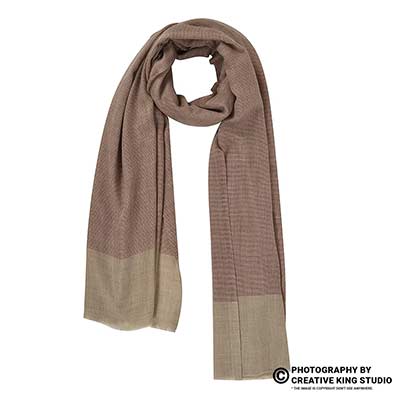
For apparel, leather, jewellery, electronics, beauty packaging — texture is everything. Include at least one macro shot per listing showing fabric weave, stitch quality, surface finish, or material grain. Buyers form a “quality expectation” from these shots, and meeting that expectation on delivery directly stops “quality not as expected” returns.
Use Ghost Mannequin + Model Photography Together (Apparel)
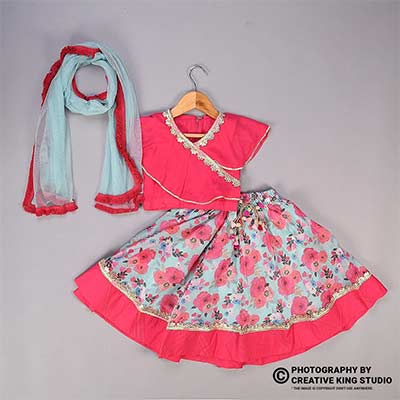
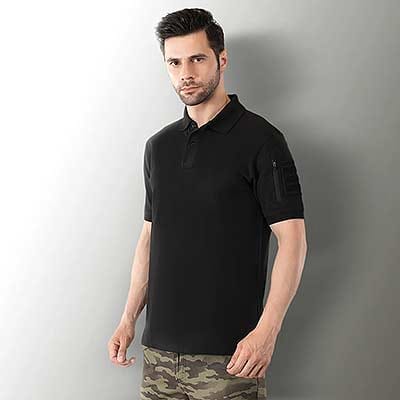
For garments, this combo is the proven formula: ghost mannequin photography communicates the true silhouette and structure (no model body distortion), while model photoshoot images show fit, drape, and styling context. Ajio and Myntra sellers using this dual approach consistently see 25–35% lower fit-related returns. For premium brands, add an editorial lookbook photography set for category banners.
Add Infographic Overlays With Specs & Features
Slot 4–7 on most listings is best used for infographic-style images: dimension callouts, key feature highlights, comparison vs competitors, what’s-in-the-box visuals, certification badges, and material composition. Amazon product infographic design is one of the most underused weapons against returns — it pre-answers buyer doubts before checkout.
Optimise Per Platform — Don’t Use the Same Image Everywhere
Each marketplace has different image requirements: Amazon demands pure white background on the main image at minimum 1000×1000px, Flipkart prefers 2000×2000px squared images, Myntra has strict model and styling guidelines, Meesho favors lifestyle-rich imagery, and eBay/Etsy reward editorial composition. Repurposing without optimisation causes listings to look unprofessional and inflates returns. Reference Amazon’s official rules at Amazon Seller Central India and Flipkart’s catalog standards at Flipkart Seller Hub.
Add Product Video for the Final Trust Push
Listings with product video see 12–18% lower return rates compared to static-only listings, according to multi-platform internal data we’ve tracked at Ckstudio. A 30–60 second video showing real-world use, scale, and texture removes any remaining buyer uncertainty. Authentic creator-style clips work especially well here — explore UGC video creation for Amazon, Flipkart & Meesho sellers, or pair it with stills via professional video production for maximum effect.
Category-Specific Image Strategies That Cut Returns
Different product categories have different return triggers. Here’s how to tailor your imagery for the categories most affected by high returns in India:
Apparel & Fashion
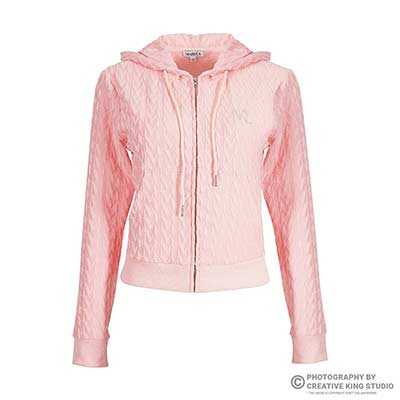
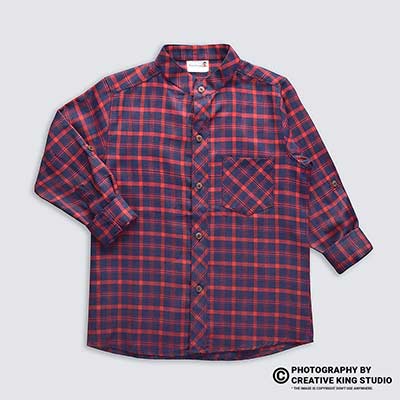
Returns driver: size mismatch, fabric texture confusion, color difference. The fix is a specialised garment photoshoot that includes ghost mannequin (for true shape), on-model fit (for drape), flat lay (for styling), and macro detail (for fabric quality). Add a measurement-overlay infographic showing chest, waist, length per size. For premium and contemporary fashion, our professional fashion photography services and experienced modeling agencies in Delhi deliver editorial-grade shots that build buyer confidence.
Footwear
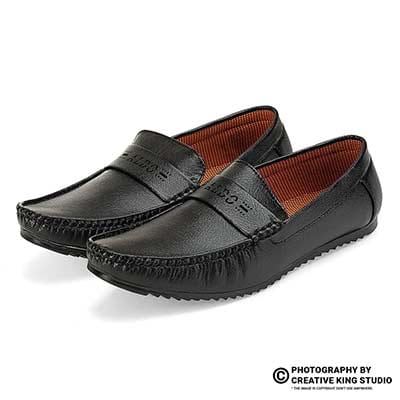
Returns driver: size, comfort expectation, finish. Solution: top, bottom, side, three-quarter, sole tread close-up, and lifestyle “on-foot” shot. Footwear photography done right reduces returns dramatically because buyers can mentally try on the shoe.
Jewellery
Returns driver: scale and material clarity. Always include a hand/ear/neck shot for true scale, plus 1:1 macro shots for finish. Jewellery photography requires specialised lighting and macro lensing — generic studios will hurt your conversion and inflate returns.
Watches & Accessories
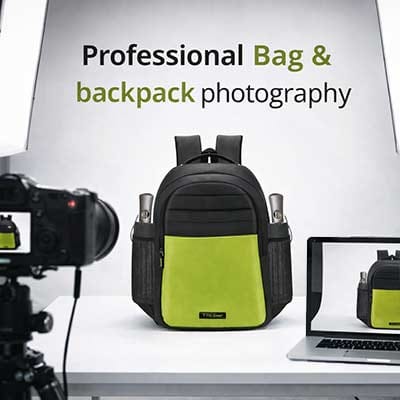
Watch photography needs dial detail, strap close-up, side profile (case thickness), and on-wrist scale. For bags, capture inside view, strap, and on-shoulder context — see bags and handbag photography for the full setup.
Beauty & Cosmetics
Returns driver: shade mismatch, package damage expectation. Solution: pack-shot with cap on/off, swatch on skin (for foundation, lipstick), texture shot (for cream, balm). Beauty and cosmetic photography with calibrated swatch shots cuts shade-mismatch returns by half.
Home, Kitchen & Furniture
Returns driver: scale and material. Lifestyle context is mandatory — a sofa in a styled living room, a kitchen tool in actual use. Furniture photography and kitchen product photography done in real-set environments perform far better than studio-only shots.
Electronics & Mobile Accessories
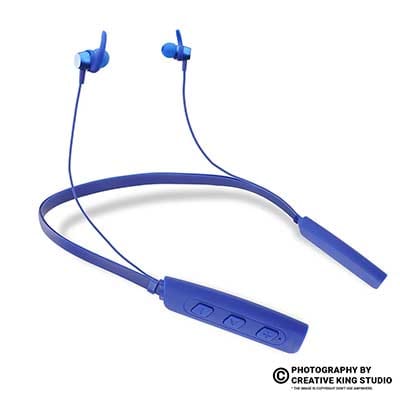
Returns driver: spec mismatch, compatibility, build quality. Use detailed electronic product photography with port close-ups, scale shots, packaging contents, and infographic overlays. For phone cases, headphones and chargers, mobile accessories photography with device-in-context shots is critical.
Common Image Mistakes That Quietly Increase Returns
These are the patterns we see again and again in seller audits — each one is a silent returns-multiplier:
Heavy Filters & Over-Saturation
Punching up colors in editing makes the listing look attractive but the product look dull on arrival. Stick to natural saturation that matches reality. Filters belong on Instagram, not on a marketplace listing.
Inconsistent Lighting Across Image Slots
Slot 1 looks warm, slot 3 looks cool, slot 5 looks blue. This visually confuses buyers about the actual color and dramatically increases color-related returns. Maintain identical lighting through the entire shoot.
Missing Scale or Size Reference
Showing a product floating against a white background gives no sense of size. A 6-inch bottle and a 12-inch bottle look identical without context. Always include at least one shot with scale (hand, model, comparable object).
Stock Photos & Manufacturer Catalogue Images
Reusing the same supplier images that 50 other resellers use kills your originality, search ranking, and trust. It also creates expectation gaps because supplier shots are often from earlier batches with slight variations.
Skipping Ghost Mannequin for Apparel
Flat-lay-only listings hide construction details. Ghost mannequin shows the true 3D silhouette, helping buyers understand fit before ordering — directly cutting size-related returns.
Low Resolution & Compressed Images
Below-spec image resolution disables zoom on Amazon and Flipkart. Buyers who can’t zoom feel uncertain and either abandon or buy with low confidence — both bad for your returns metric.
Hiding Defects or Real Color Variations
If your product has a visible texture variation, slight color difference between batches, or a particular finish quirk — show it honestly. Buyers who know what they’re getting return less than those who feel surprised.
Tools & Equipment We Use to Deliver Return-Reducing Imagery
For sellers serious about going pro in-house, here’s the equipment baseline we use across our shoots at Ckstudio. For sellers who prefer outsourcing, this is also a useful checklist when evaluating studios — make sure your photography partner is shooting on professional gear, not phone cameras with ring lights.
Full-frame mirrorless / DSLR — Canon R10 and Sony A7R5 for high-resolution, color-accurate captures suitable for marketplace zoom requirements.
100mm macro for jewellery & details, 50mm prime for general products, 24-70mm zoom for lifestyle, 85mm for model portraits.
4× Godox SK 400II strobes + 2× Elinchrom FRX 400 with strip softboxes, octabox, and beauty dish for soft, even, color-accurate light.
X-Rite ColorChecker + monitor calibration tools to ensure on-screen color matches the physical product within 5% accuracy.
Adobe Photoshop, Lightroom Classic, and Capture One for tethered shooting and color-managed retouching workflows.
Calibrated tripods, motorized 360° turntables for 360-degree product photography, and mannequins for ghost-effect shots.
“We’ve seen sellers go from 28% return rate to under 14% within four months — purely by upgrading their imagery system. Photography is no longer a cost line; it’s the highest-leverage profit driver in your e-commerce business.”
— Prince, Founder, Ckstudio
Ckstudio specialises in conversion-focused product photography for Indian marketplace sellers. Get a custom quote tailored to your category and listing volume.
Your Return-Reduction Image Checklist
Use this checklist before you publish or refresh any listing. Tick each box — and watch your return rate fall over the next 60 days.
📋 Pre-Listing Image Audit
Where Product Imagery Is Heading in 2026 & Beyond
For sellers planning the next 12–18 months, here’s what’s coming — and where to invest:
1. AR Try-On Integration: Amazon and Flipkart are expanding augmented-reality previews for apparel, eyewear, and home decor. Sellers with high-quality 3D-ready images will get prioritised. 360-degree product photography is the practical first step.
2. AI-Assisted Color Verification: Marketplaces are deploying AI tools that flag color mismatches between listing image and customer review photos. Sellers with accurate imagery will benefit; sellers using filters or AI generation will be flagged.
3. Video-First Listings: By late 2026, listings without product video will see meaningfully lower visibility. Short-form, creator-led formats are leading this shift — see how UGC video creation for ecommerce drives engagement, because investing in video now is no longer optional for serious sellers.
4. Standardised Sustainability Imagery: Eco-conscious buyers — a growing segment — increasingly look for material origin, packaging, and certification visuals. Including these reduces “expectation gap” returns.
5. Hyper-Local Lifestyle Shots: Generic studio shots are being outperformed by lifestyle imagery that reflects Indian homes, lifestyles, and use contexts. Sellers in NCR can leverage local on-ground shoots like our Noida product photography service for authentic, region-relevant visuals. Authenticity converts and retains.
Frequently Asked Questions
Sellers who upgrade to professional, accurate product photography typically see a 20–40% reduction in return rates within 60–90 days. The exact number depends on your category — apparel and footwear see the largest drops, while electronics and home goods see 15–25% reductions. Either way, the ROI is consistently positive within one quarter.
Three reasons dominate, in this order: color mismatch (“the actual color is different”), size confusion (“smaller/larger than expected”), and missing material/texture details (“quality not as expected”). All three are directly solvable through better photography, lighting, and image variety.
No. AI-generated images frequently misrepresent texture, color, and scale, which leads to higher returns, customer complaints, listing-quality penalties, and even account warnings on Amazon and Flipkart. The short-term cost saving is wiped out within weeks by the increased reverse logistics expense. Always invest in real photography from a professional studio like Ckstudio.
Amazon allows up to 9 images plus 1 video per listing; Flipkart accepts 8 images. Always upload the maximum allowed, with a diverse angle mix: 1 main, 4–5 product angles, 1–2 detail/macro, 1 infographic, 1 lifestyle. Empty image slots are a silent return-trigger because they create buyer uncertainty.
Yes — significantly. Ghost mannequin photography clearly communicates garment shape, fit, and 3D structure without the distraction of a model’s body type. Sellers using ghost mannequin shots on Myntra, Ajio, and Flipkart consistently report 25–35% lower fit-related returns compared to flat-lay-only listings.
A 4–5 light professional setup with diffused softboxes (5500K daylight balanced) combined with calibrated color charts (X-Rite ColorChecker) gives the most reliable color accuracy. The post-production must use a color-managed workflow in sRGB. Phone-camera shots under mixed household lighting are the leading cause of color-related returns.
Most sellers see measurable improvements within 30 days (better CTR and conversion), with full return-rate reduction visible by day 60–90. The marketplaces’ algorithms reward listings with better images quickly, and the buyer-expectation alignment compounds over time as reviews and ratings improve.
Absolutely. Most professional shoots at Ckstudio pay back within the first 60 days through return reduction alone. We offer category-specific packages for SMB sellers — from ₹350 per product for basic e-commerce shots to fully bundled multi-angle + ghost mannequin + lifestyle packages. Reach out on WhatsApp at +91-8700258773 for a quote tailored to your scale.
The Bottom Line: Photography Is Your Highest-ROI Lever
If you take only one thing away from this guide, let it be this: every rupee you invest in better product photography earns more than every rupee you spend on ads, influencers, or discount campaigns — because photography fixes the root cause of returns instead of treating the symptoms.
The Indian e-commerce market is getting more competitive every quarter. Buyers are increasingly demanding, marketplaces are increasingly strict, and reverse logistics costs are climbing. The sellers who win in 2026 and beyond will be the ones who treat imagery as a profit centre, not an expense line.
At Ckstudio, we’ve helped hundreds of sellers turn their listings into return-resistant assets. From Amazon and Flipkart to Myntra, our team delivers conversion-focused, return-reducing imagery that scales across categories — apparel, footwear, jewellery, beauty, electronics, FMCG, home decor, and more.
Your move next: pick three of your worst-performing listings, run them against the checklist above, identify the gaps, and fix the photography first. Track your return rate over the next 90 days. The results will speak for themselves — and once you see them, you’ll never look at imagery the same way again.
Talk to Prince directly. Whether you’re a single-SKU seller or a 10,000-listing brand, Ckstudio has a return-reduction photography solution sized for your business.
Explore Our Photography & Video Services Across NCR
UGC & Video: UGC Video Creation for Ecommerce · UGC Video Production in Delhi · Product Video Production
City Product Photography: Noida · Gurgaon · Faridabad · Ghaziabad · Panipat · Sonipat · Meerut · Agra · Jaipur · Chandigarh
City Fashion Photography: Noida · Gurgaon · Faridabad · Ghaziabad · Panipat · Sonipat · Meerut · Agra · Jaipur · Chandigarh
City Ecommerce Photography: Noida · Gurgaon · Faridabad · Ghaziabad · Panipat · Sonipat · Meerut · Agra · Jaipur · Chandigarh