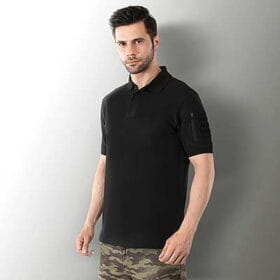
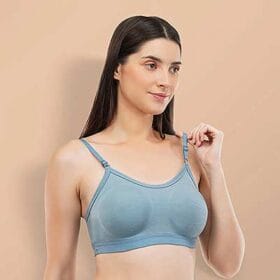
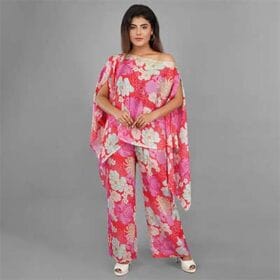
Fashion Photography Services

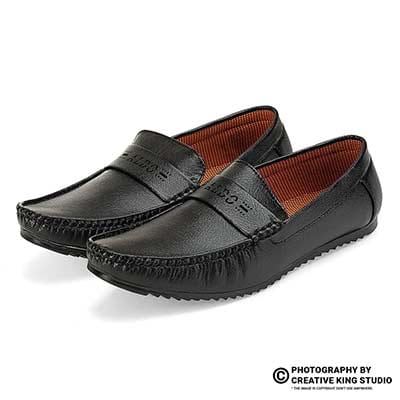
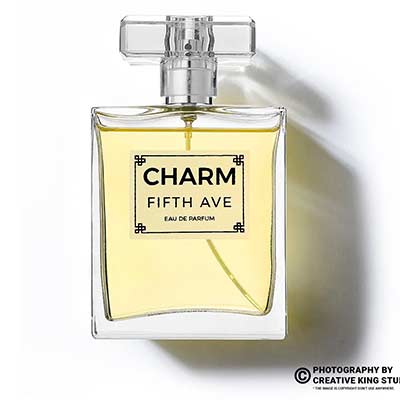
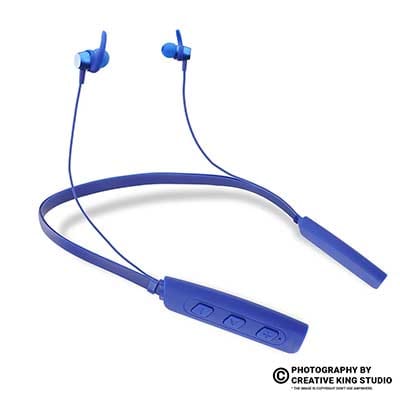
E-commerce Photography
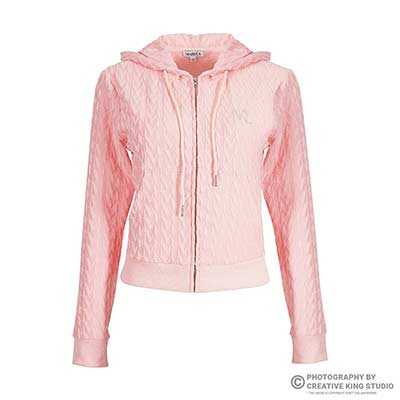
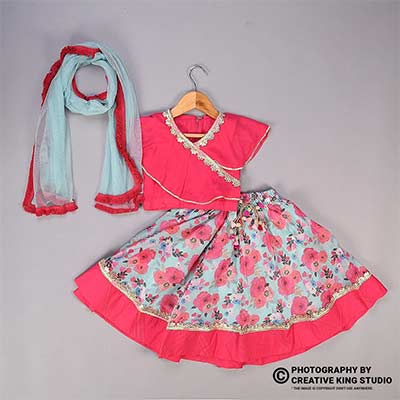
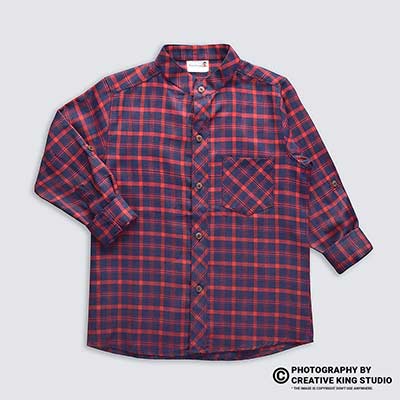
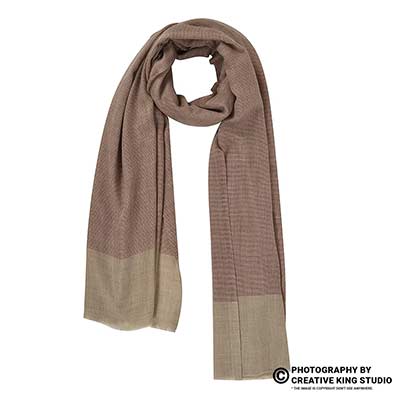
Cost, speed, quality, marketplace approval — the honest 2026 comparison from the only Delhi studio that shoots both. No hype. Just what actually converts.
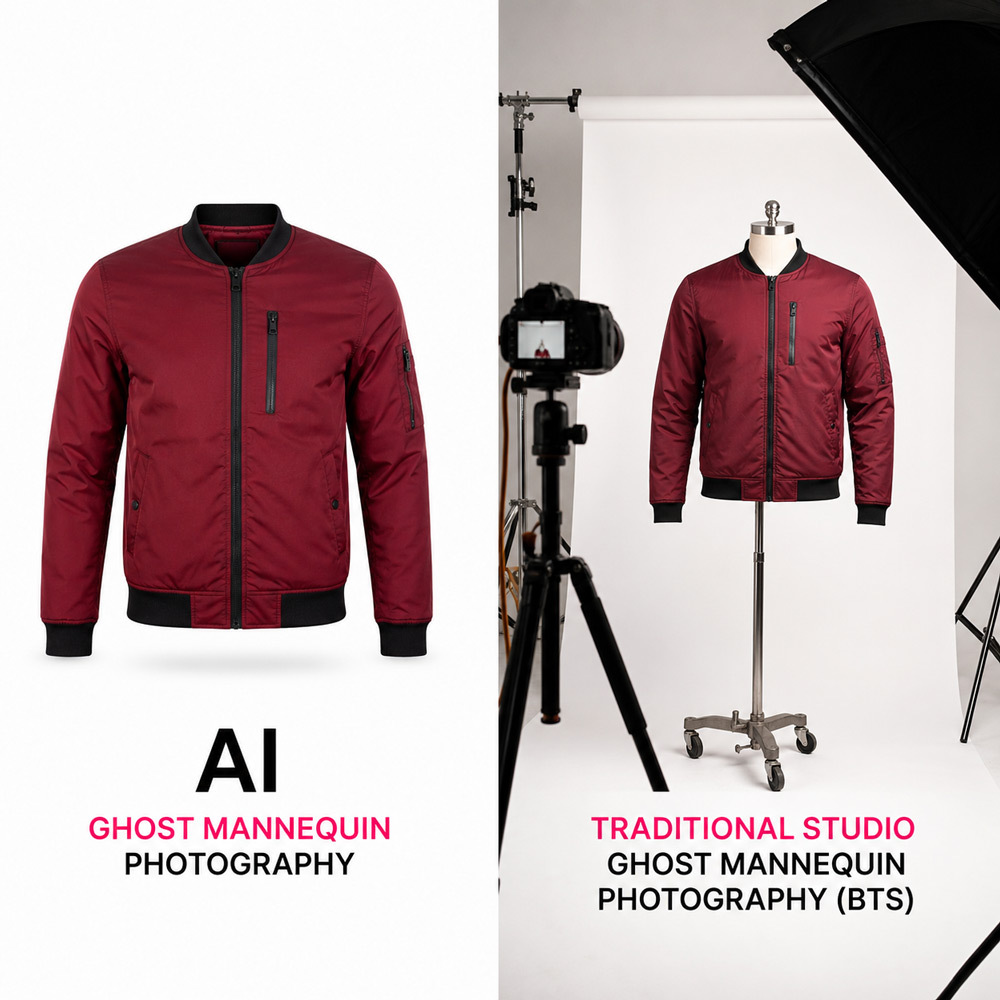
AI ghost mannequin photography vs traditional photography is no longer an either/or question in Delhi NCR. AI wins on plain-fabric basics and bulk marketplace catalogs (60–70% cheaper, same-day turnaround). Traditional still wins on ethnic wear, embroidered fabrics and export catalogs where texture accuracy is non-negotiable. The real winner in 2026 is the hybrid photography workflow — hero SKUs shot traditionally, variants generated with AI, human QC on top. That is the model most serious Delhi brands are quietly switching to.
Before we compare, let us define both. Traditional ghost mannequin photography is a decades-old technique where a garment is photographed on an invisible mannequin inside a lit studio, then edited so the mannequin disappears and only the “worn” shape of the clothing remains. AI ghost mannequin photography replaces most of that physical workflow with diffusion-model software that generates the same worn-shape image from a flat-lay or on-model reference in minutes. Both target the same end result — a clean, marketplace-ready hero image — but the paths, costs and quality ceilings differ dramatically. At Ckstudio, we run both pipelines in-house, which is precisely why this comparison is honest: we have nothing to sell you except the truth.
For context, roughly 78% of Indian D2C apparel brands still run traditional ghost mannequin shoots as their default, according to industry catalog benchmarks from mid-2025. But the AI product photography market is projected to cross USD 1.4 billion globally by 2027, and Delhi NCR is one of the fastest-adopting regions in India. That growth is why every founder asking about a garment photoshoot now also asks whether they should just skip the studio and go AI. Our answer, and this post, is more nuanced than either camp will admit.
A traditional shoot at any serious Delhi studio follows a tight physical process. The garment is steamed, pinned and dressed on an invisible mannequin against a seamless cyclorama wall. Softbox lighting is set on both sides at controlled ratios, a tethered mirrorless camera captures 4–6 frames per SKU, and post-production stitches the neck-joint so the inside collar is visible without the mannequin. The result is a photo that respects real fabric drape, real shadow and real colour. This is still the method behind most premium ghost mannequin photography engagements and every ecommerce photography project for brands that care about a physical proof of quality. Turnaround typically runs 3–5 working days for 20–50 SKUs.
The AI workflow flips the physics. A single flat-lay or on-model reference photo is uploaded to a diffusion-model tool trained on millions of apparel images. The software generates a synthetic ghost mannequin version in 5–8 minutes, running an automated clipping path, background clean-up and neck-joint fill. Bulk uploads let a seller push 500 SKUs through the pipeline overnight. It sounds miraculous, and for the right categories it truly is — but for the wrong ones, it produces images that get rejected on Myntra Studio and returned by real buyers. That gap between the demo and the deliverable is where most Delhi brands get burned.
Here is the honest side-by-side across the seven parameters that actually decide whether a brand’s ecommerce catalog converts. These are numbers from real 2026 Ckstudio production data, not vendor marketing decks. Where AI wins, we say so. Where it fails, we say so louder — because our reputation for premium fashion photography was built on being straight with our clients.
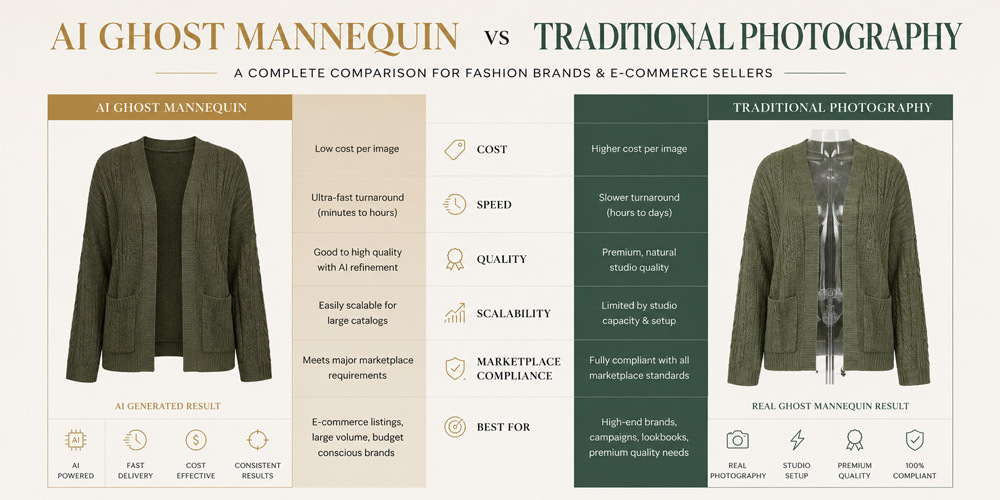
In Delhi NCR in 2026, a traditional ghost mannequin image from a mid-tier studio runs ₹250–₹450 per SKU depending on volume, styling complexity and post-production tier. A pure AI-generated image lands between ₹49–₹99 per SKU. On paper that is a 60–70% saving, and for a 500-SKU seller pushing catalogs to Amazon product photography and Meesho, that gap turns into a real six-figure decision. But the sticker price hides the truth: AI catalogs need aggressive reshoot rates (12–18% in our data) once the images meet real buyers, and every reshoot costs the seller in returns before the correction lands. Compare deeper cost data in our full breakdown of product photography cost in Delhi. To get real numbers matched to your catalog, message us on WhatsApp at +91-8700258773 and we will send tier-wise pricing within the hour.
Speed is the loudest AI selling point, and honestly, it is legitimate. A pure-AI pipeline delivers 500 SKU images in a single overnight batch. Our traditional studio pipeline delivers the same volume in 4–5 working days, factoring in styling, shoot, backup and retouch. If your marketplace deadline is tomorrow and your SKUs are plain fabric, AI wins. If your buyer is a merchandiser at an export house who will hold your invoice for a quality objection, that 8-minute image will cost you three weeks of back-and-forth. Speed only matters if the output survives quality control on the other end.
This is where the honest comparison gets uncomfortable. On plain cotton tees and single-colour polos, our internal A/B tests show AI ghost mannequin photography vs traditional photography running at 96% quality parity — genuinely indistinguishable to a scrolling shopper. On embroidered kurtas, printed silks, sequinned lehengas and structured leather, AI accuracy crashes to 62% or lower. Threadwork gets smoothed. Colour depth flattens. Fabric drape looks “plastic” in the words of one Delhi merchandiser we consult with. That is not a training-data problem AI vendors can fix in a quarter — it is a fundamental limit of generating apparel imagery without real fabric physics. Reviewers are increasingly aware of the gap: read the pattern in our detailed piece on real photography vs AI generated product images.
Every platform has its own image bar, and AI ghost mannequin images do not clear all of them. Amazon India and Flipkart accept them cleanly today, with the same background, DPI and border rules as studio shots. Meesho is even more permissive. Myntra Studio remains the strictest gatekeeper — their catalog editors reject AI ghost mannequin submissions at a materially higher rate than studio submissions, especially for premium and ethnic categories. If Myntra is a core channel, your Myntra product photography should stay traditional or hybrid. For channels like Flipkart where the bar is more forgiving, the calculus flips, and our Flipkart product photography plans lean hybrid by default. Poor image choices, whether AI or traditional, also drive returns — the fix framework is in our post on reducing returns on Flipkart and Amazon with better product images.
Scalability is AI’s second real strength. A 1,000-SKU seasonal drop that would jam a traditional studio for two weeks can move through an AI pipeline in a night. But scalability only helps if consistency holds — and on bulk AI runs, subtle drift creeps in: skin-tone shifts on the visible collar edges, mismatched shadow angles across a size run, colour temperature that wanders between the 200th and 800th image. Traditional shoots hold consistency because the same lights, same camera and same team run the whole session. When we scale a catalog with our hybrid pipeline, we anchor every batch to a master reference image — a technique we describe in more detail in our guide on choosing the best product photography studio in Delhi NCR.
Serious brands do not just want images — they want a visual identity that compounds across drops. Traditional photography lets a brand lock lighting angles, backdrop tones and framing that become recognisable in a customer’s feed. AI, out of the box, does not respect that lock. Every batch trends toward the model’s “average” of its training set unless a brand invests in careful prompt engineering and reference libraries. For a fast-moving marketplace seller that gap is fine. For a D2C label building equity, it is a slow bleed of distinctiveness. Our lookbook photography and lifestyle product photography engagements deliberately stay traditional for exactly this reason.
Both sides hide costs. AI hides them in reshoot rates, prompt-engineering time, licensing fees on the underlying platform, and the human QC layer that the good pipelines actually staff. Traditional hides them in styling, model booking, studio rental and post-production tiers. When we run apples-to-apples numbers for a client, the pure-AI total often lands 45% below traditional (not 70%), and the hybrid workflow lands 41% below traditional with substantially lower reshoot risk. The framing “AI is 68% cheaper” is technically true and practically misleading. For SKU-level economics you can trust before you sign a contract, connect with Prince directly on +91-8700258773.
The Delhi brands that will win 2026 are not the ones who pick AI or traditional. They are the ones who understand which SKU category deserves which method — and route accordingly.— Prince, Founder, Ckstudio
Any studio that says “AI is a scam” is protecting revenue, not telling the truth. AI genuinely wins in specific, definable use cases — and any brand ignoring that is leaving money on the table. Equally, any AI vendor promising universal replacement of traditional shoots is selling a fantasy that will hit a wall the first time it faces a Banarasi silk. Here is the honest matrix.
Fast fashion basics — plain tees, polos, joggers, unbranded innerwear. High-SKU marketplace catalogs above 300 pieces where per-image economics dominate. Meesho and Amazon Basics-tier sellers with tight margins. Colour-variant expansion where the base garment already has a real shoot and only new shades need coverage. AI ghost mannequin photography lands at 90%+ quality on these categories.
Embroidered ethnic wear — kurtas, sherwanis, lehengas, sarees. Structured fabrics — leather, denim with rivets, tailored blazers. Premium and luxury D2C where fabric texture is the sales pitch. Export catalogs where buyers audit fibre-level detail. On these, AI misses 30–40% of the fabric information the buyer actually wants. Traditional studio work stays the only responsible answer.
An honest self-audit for founders: if 4 or more of your product categories fall in the “AI wins” column above, running AI or hybrid on that segment will materially improve unit economics. If your catalog is majority ethnic, luxury or export, the money you save on cheap images will come back to you in returns and rejected listings. Our team’s approach to that self-audit is in our post on how product photography improves conversions on Amazon and Flipkart. For an ethnic-wear-heavy brand specifically, prep matters as much as method — see our checklist on preparing garments for an ecommerce model photoshoot.
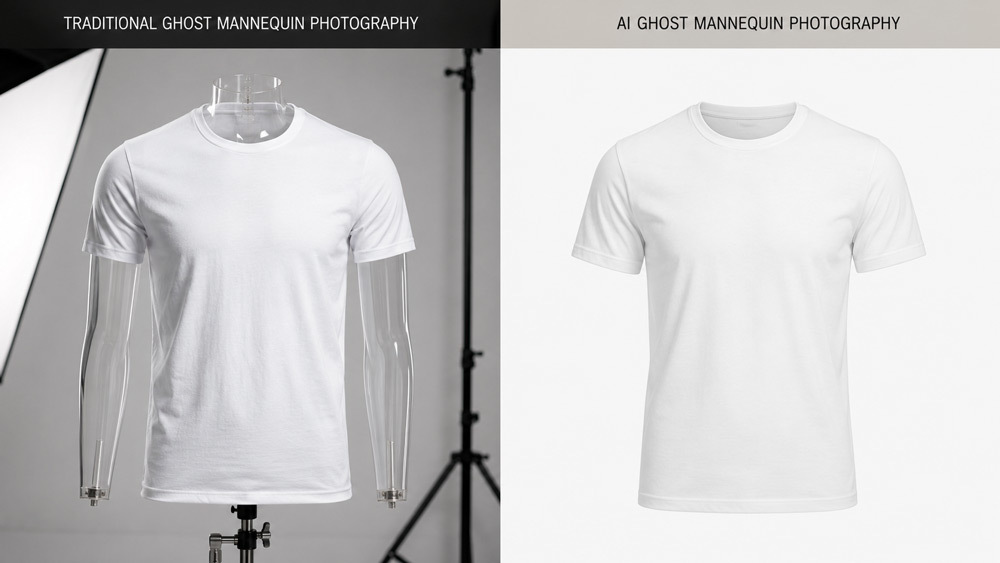
The truth AI vendors avoid: traditional ghost mannequin photography is not obsolete. In several high-revenue segments it is still the only professionally acceptable choice, and the gap is not shrinking as fast as headlines suggest. Fabric physics remain hard to simulate, and human buyers remain unforgiving of “off” images in premium categories.
Export merchandisers audit stitching, weave and colour at a level generative models do not currently satisfy. In an ongoing 2025 survey of member apparel exporters, roughly 34% of AI-generated images submitted in trial catalogs were rejected for insufficient texture fidelity. That is a rejection rate no exporter can absorb. Traditional shoots remain the default here, and our commercial photography engagements for export houses have not moved.
The buyer of a ₹80,000 bridal lehenga is not scrolling — she is scrutinising. Every embroidered motif and every shadow line contributes to her purchase decision. AI simplification of these details, however subtle, removes the exact information that closes the sale. High-end jewellery photography, luxury model photoshoot work, and bridal editorial all belong in a real studio. This is not sentiment — it is unit economics on a high AOV product.
Season lookbooks that go to retail buyers, mood boards for a licensing pitch, campaign hero images for a brand launch — none of these tolerate the “AI feel.” They live in traditional territory and will for the foreseeable future. Our approach is documented in our note on the behind the scenes of product photography, and the same philosophy underpins premium fashion photography pricing in Delhi.
Here is the quiet trend serious Delhi NCR brands have adopted through 2025 and 2026: a hybrid photography workflow that gets the cost of AI and the trust of traditional. It works because it respects where each method actually shines. At Ckstudio, this is now the default recommendation for any brand with more than 100 SKUs across mixed fabric categories.
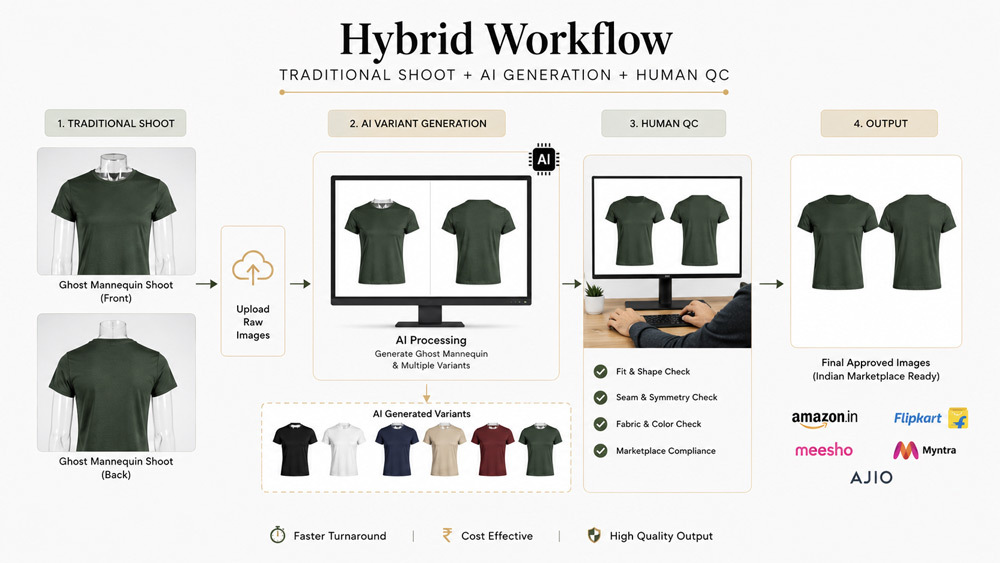
Stage one: the brand’s hero SKU per style is shot traditionally in our Delhi studio on cyclorama with softbox lighting — the standard ghost mannequin photography pipeline that captures real fabric detail. Stage two: that shoot produces a master reference for each style. Stage three: colour and size variants are generated via AI, prompt-anchored to the master so drape, lighting and colour temperature stay locked. Stage four: every AI-generated image passes through a human QC layer — a Ckstudio retoucher who checks for fabric drift, marketplace compliance and brand-lock adherence. Stage five: delivery in Amazon, Flipkart, Myntra and Meesho-specification sizes. Total time: 40–60% faster than traditional. Total cost: 41% lower. Rejection rate on marketplaces: statistically identical to full traditional.
Between January and June 2026, the 22 Delhi NCR brands running hybrid workflows through Ckstudio reported an average catalog production cost 41% below their previous traditional-only baseline. Average time-to-live on marketplaces dropped 58%. Amazon listing CTR held or improved in every case — because the hero image, the one that carries most of the persuasion weight, stayed traditional. This is the model we recommend by default to founders exploring product photography for Indian brands and to sellers focused on increasing ecommerce sales. Email us on [email protected] and we will share the redacted case data.
Numbers, tier by tier. All prices reflect June 2026 Ckstudio Delhi NCR rates. Volume discounts apply above 200 SKUs. For a quote matched to your catalog, ping our team.
| Parameter | AI Ghost Mannequin | Traditional Studio | Hybrid (Ckstudio) |
|---|---|---|---|
| Cost per Image | ₹49–₹99 | ₹250–₹450 | ₹129–₹199 |
| Turnaround | Same-day | 3–5 days | 24–48 hours |
| Quality Score | 6.5–8.5 / 10 | 9.5 / 10 | 9.0 / 10 |
| Marketplace Approval | 82% first pass | 98% first pass | 97% first pass |
| Best For | Basics, Meesho | Premium, ethnic, luxury | Mixed D2C catalogs |
| Revisions Included | 1 free | 3 free | 2 free |
| Sample Shoot | 10 free images | 1 free image | 3 free images |
Before going further, a note on who this comparison is written for and why. This post targets a specific commercial-investigation intent — Delhi NCR founders and catalog managers researching which photography method delivers better ROI, quality and speed for their 2026 production. It is not written for casual browsers.
Commercial investigation and comparison — brands actively weighing AI, traditional and hybrid pipelines for real production budgets in 2026.
Ckstudio’s unique position — running both traditional and AI pipelines under one roof — is what makes this comparison bias-free. Studios pushing pure AI or pure traditional have a book to defend. We do not. We just want the right method matched to the right SKU.
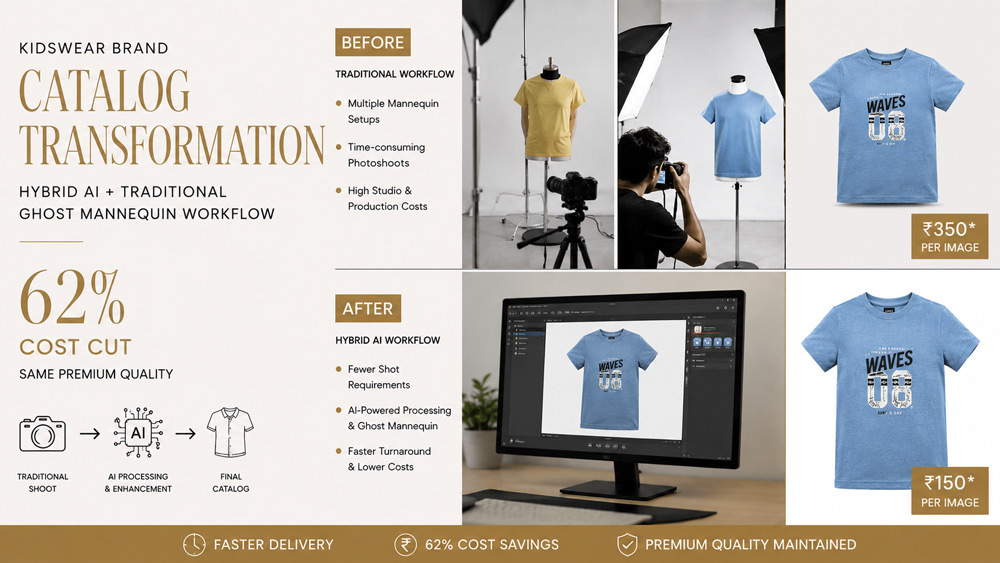
One anonymised example that captures the pattern. A Delhi NCR kidswear D2C brand approached Ckstudio in Q4 2025 with an 850-SKU catalog problem. They were spending ₹2.8 lakh per season on traditional shoots, hitting 14-day production cycles that missed Amazon and Flipkart drop windows, and starting to lose organic visibility on lagging listings. Their internal team had trialled a pure-AI vendor and rolled back after Myntra rejected 38% of the submissions.
We proposed a hybrid pipeline. Every unique style silhouette got a traditional Ckstudio shoot — 62 SKUs. The remaining 788 colour and size variants ran through AI variant generation locked to those master references, then a human QC pass. Total production cost dropped from ₹2.8 lakh to ₹1.06 lakh — a 62% cut. Catalog time-to-live dropped from 14 days to 3.5 days, letting the brand catch two additional drop windows that season. Amazon listing CTR rose 18% on the new catalog compared to their older traditional-only baseline, likely because faster time-to-live captured trend windows the previous cycle missed. Return rate held flat. Myntra approval rate rose from 62% (pure AI) to 96% (hybrid). This is the pattern we now see across categories from footwear to home & furnishing — a workflow explained further in our guide on choosing the best product photography studio in Delhi NCR, alongside our broader coverage of top product photographers in Delhi and specific rate context in the ghost mannequin photography price guide for Delhi NCR.
In 2026, the honest answer to AI ghost mannequin photography vs traditional photography is: neither wins across the board. AI wins on plain-fabric basics and high-volume marketplace catalogs where cost per image dominates the equation. Traditional wins on embroidered ethnic wear, luxury, bridal and export catalogs where fabric fidelity determines the sale. For roughly 70% of Delhi NCR D2C brands with mixed catalogs — the majority — the hybrid photography workflow delivers the best combined outcome on cost, speed and quality without compromise on any of the three. Choose AI if your catalog is >80% basics. Choose traditional if it is >60% ethnic, luxury or export. Choose hybrid if you are anywhere in between, which is where most brands actually live.
The studio decision is bigger than the method decision. A studio running only AI will push you toward AI. A studio running only traditional will push you toward traditional. Look for one that runs both — you will get honest routing and end up with a catalog matched to your actual product mix.
For a broader framework across categories including footwear photography, beauty and cosmetic photography, and handicraft product photography, see the Ckstudio portfolio and case studies for real Delhi client work.
Send us 3 garments. Get AI, traditional and hybrid samples back — free. Then decide with your eyes, not a spec sheet.
Book Free Sample Shoot Call Prince: +91-8700258773AI ghost mannequin photography is better for high-volume marketplace catalogs and basics, offering 60–70% cost savings and same-day turnaround. Traditional photography still wins for premium fabrics, ethnic wear and export catalogs where texture and colour accuracy matter. Most Delhi brands now use a hybrid workflow to get both benefits.
In Delhi NCR in 2026, AI ghost mannequin photography costs ₹49–₹99 per image, while traditional ghost mannequin photography costs ₹250–₹450 per image. Hybrid photography workflows fall between at ₹129–₹199 per image while delivering studio-grade quality on hero SKUs.
Amazon India, Flipkart, Meesho and most D2C platforms accept AI-generated ghost mannequin images as of 2026. Myntra Studio, premium D2C sites and export catalogs still prefer traditional studio shoots for quality-critical categories like ethnic wear, bridal and luxury apparel.
Not entirely. AI reliably replaces traditional photography for plain-fabric basics, T-shirts and simple silhouettes. But for embroidered ethnic wear, silk sarees, leather and export-grade catalogs, traditional Delhi studio photography still delivers 30–40% higher accuracy in fabric detail and colour fidelity.
A hybrid photography workflow combines traditional studio shoots for hero SKUs with AI-generated variants for size and colour combinations, plus a human QC layer. Ckstudio’s hybrid workflow delivers 41% cost savings and 58% faster turnaround while maintaining premium quality — the reason it is becoming the default choice for Delhi D2C brands in 2026.
Referenced authority sources: Amazon Seller Central India for marketplace image compliance benchmarks, and the Apparel Export Promotion Council (AEPC) for export catalog quality standards.