


Fashion Photography Services


E-commerce Photography
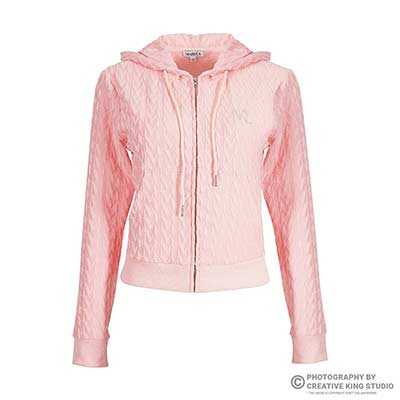
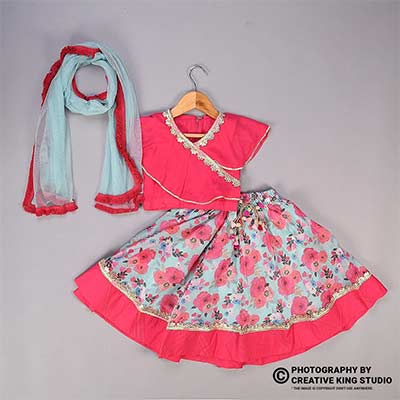
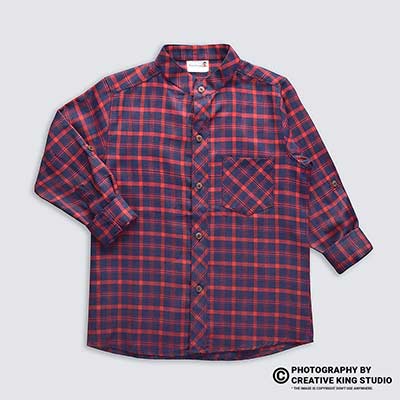
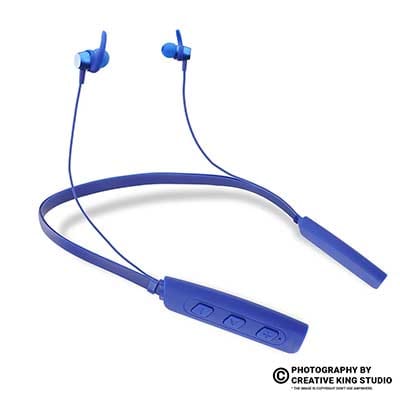
Sharper images, higher trust, more add-to-carts. These are the exact product photography tips our team at Ckstudio uses to help Delhi ecommerce sellers and D2C brands turn plain listings into scroll-stopping, sales-ready pages.
Online, your photos are your shop. A shopper cannot touch, weigh or try your product, so the picture does all the convincing. That is exactly why smart product photography tips matter so much for ecommerce sales — the right image builds instant trust, while a dull one quietly sends buyers to a competitor. In this guide, our studio shares 15 practical, field-tested product photography tips that lift ecommerce sales, reduce returns and make every online store listing look like it belongs on the first page. Whether you shoot in-house or plan to outsource, these ideas from our ecommerce photography services team will sharpen your first impression fast.
Most shoppers form an opinion about your product in seconds, and that opinion is built almost entirely on the main image. Strong product photography tips directly influence your conversion rate because a clear photo answers the buyer’s silent questions — colour, size, texture and quality — before they even read the title. When images look cheap or inconsistent, the add-to-cart button gets ignored and trust drops, so applying solid product photography tips is one of the highest-return changes a seller can make. On the other hand, crisp, well-lit visuals reduce hesitation and returns, since customers receive exactly what they saw. Research from platforms like Shopify consistently shows that stronger imagery lifts conversions, and our own team has watched Delhi sellers grow sales simply by reshooting a hero image with these product photography tips — which is why we treat photography as a revenue tool, not a cost. For a deeper cost breakdown, our product photography pricing guide for 2026 shows how image quality maps to real returns.
“A great product photo does not just show the item — it removes doubt. Remove doubt, and the sale follows.” — Prince, Founder, Ckstudio
Here are 15 actionable product photography tips you can start using today. Each one is simple on its own, but together these product photography tips transform an ordinary listing into a confident, high-converting page.
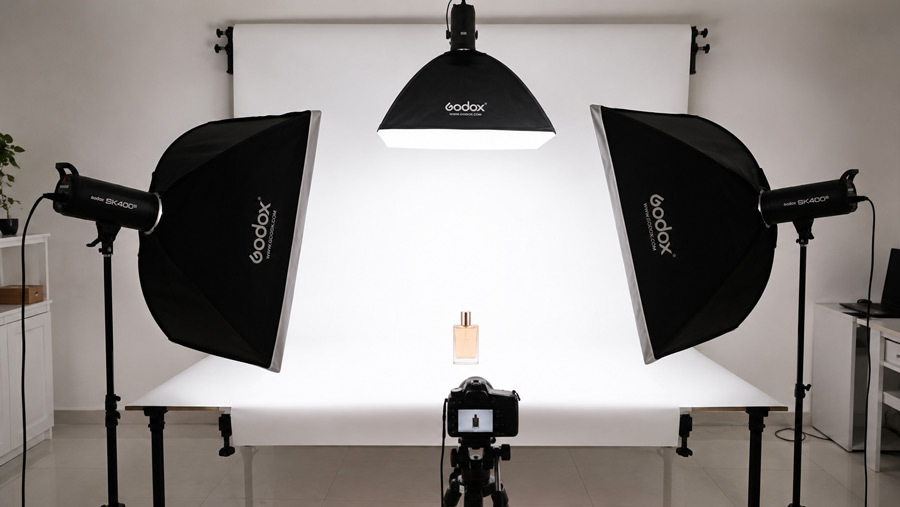
Lighting is the single biggest lever in product photography. Soft, even light removes harsh shadows and shows true texture, which is why a softbox or diffused window light beats a bare bulb every time. Position your key light at 45 degrees and fill the opposite side to avoid dark patches. Good lighting alone can make a budget camera look professional. If you want a repeatable studio-grade result, our commercial photography team in Delhi builds lighting setups tuned to each product type.
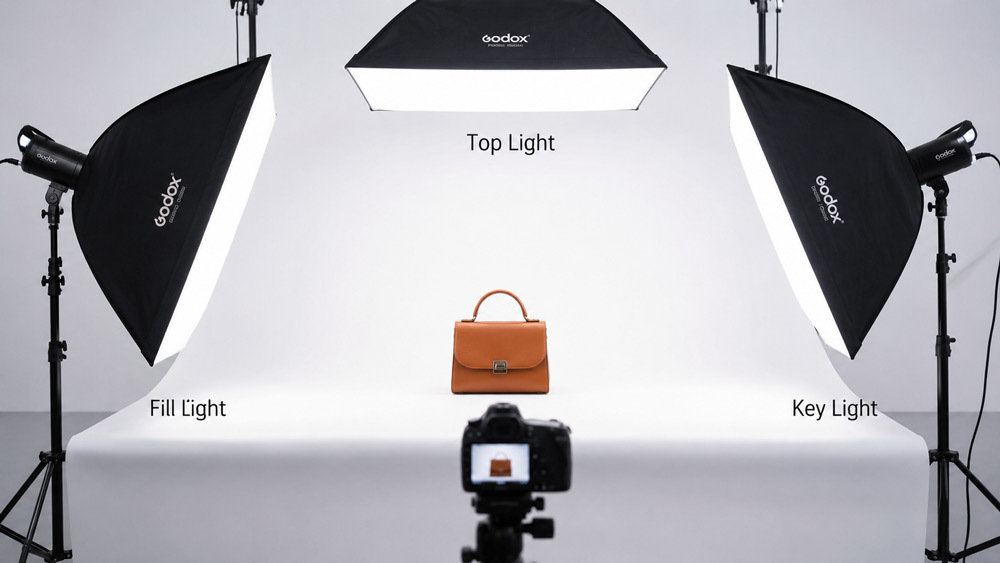
For most marketplace listings, a clean white background is the safest, most conversion-friendly choice because it keeps attention on the product. Use a seamless sweep so there is no visible floor-to-wall line. Consistency across your catalogue signals professionalism and helps your brand look established. When you need a softer, editorial mood instead, a subtle textured backdrop works — a technique we detail in our guide on choosing the right background for fashion ecommerce.
Handheld shots introduce tiny blurs and inconsistent framing that quietly cheapen a listing. A tripod locks your composition so every product sits in the same spot, at the same height, with pin-sharp focus. This consistency is what makes a 200-SKU catalogue look like one cohesive brand. It also lets you shoot at slower shutter speeds in low light without losing clarity.
Buyers want to inspect a product the way they would in a physical store. Capturing front, back, side, top and detail shots answers their questions and builds buyer confidence, which measurably reduces returns. For fashion and apparel, add a worn or draped angle so customers understand fit. Our garment photoshoot and ghost mannequin photography workflows are built around showing every angle that matters.
The best product photography tips mean little if your settings fight you. Use a low ISO to keep images clean, a mid-range aperture (around f/8) for edge-to-edge sharpness, and a tripod to allow slower shutter speeds. Shoot in RAW so you retain full control in editing. Dialling these in once and saving them as a preset keeps your entire shoot consistent and fast.
Wrong colours are one of the top reasons for returns — a buyer orders navy and receives what looks black. Setting correct white balance, ideally with a grey card, ensures the colour on screen matches the real product. Accurate colour protects both your rating and your refund margin. This single habit can noticeably cut return-related losses, as we explain in our piece on reducing returns with better product images.
White-background images sell the facts; lifestyle shots sell the feeling. Showing your product in use — a bag on a shoulder, a mug on a breakfast table — helps buyers imagine owning it, which lifts desire and average order value. Blend one or two context images with your clean shots for the best of both. Explore how we stage these in our lifestyle product photography work.
Fingerprints, dust, loose threads and crooked labels are silent conversion killers. Clean and steam every product before it faces the camera, and style each item the same way so your catalogue reads as one confident brand. Consistency in props, spacing and framing is what separates a hobby store from a trusted shop. This discipline matters most as you scale, a challenge we cover in managing product photography at volume.
Every platform has its own rules — Amazon wants a pure white main image filling most of the frame, while Flipkart and Myntra have their own resolution and framing specs. Meeting these guidelines improves listing quality scores and prevents rejections. Always export at the recommended resolution so buyers can zoom into detail. You can verify current specs on Amazon Seller Central India and, for platform-specific help, our Amazon product photography team handles compliant delivery.
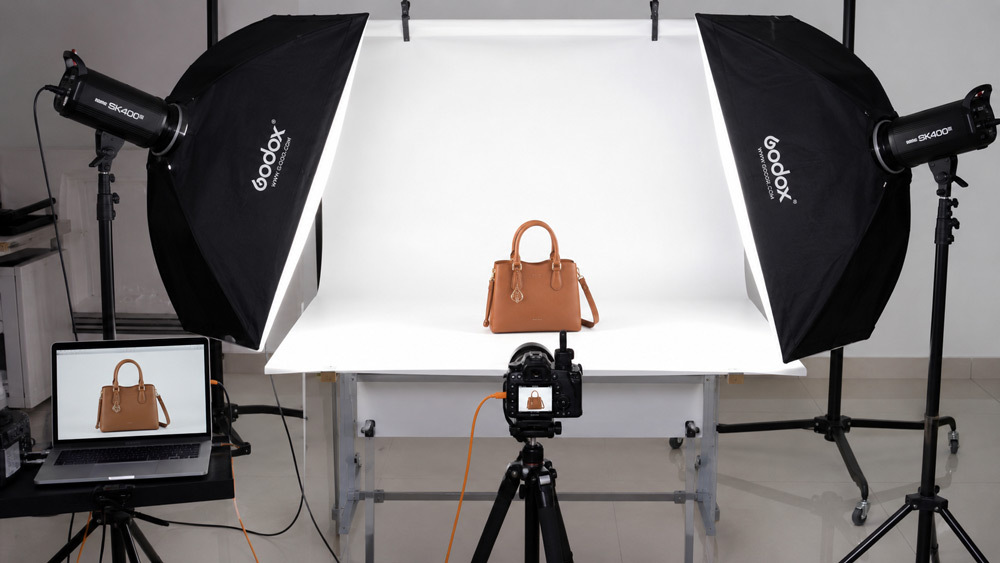
A simple white reflector — even a foam board — bounces light back into shadowed areas, softening contrast without extra lamps. This is the cheapest upgrade in product photography and instantly makes images look more expensive. Angle it opposite your key light and watch harsh shadows melt away. It is especially useful for reflective items like jewellery and glassware.
You do not always need a DSLR to start. Modern smartphones shoot excellent DIY product photography when paired with good light, a tripod mount and a clean background. Lock focus and exposure, avoid digital zoom, and shoot in the highest resolution. It is a smart, budget entry point — though for scale and premium finish, a studio still wins, as our comparison of real photography versus AI images makes clear.
Editing is where a good shot becomes a great listing. Careful retouching — clean backgrounds, balanced exposure, dust removal and true colour — polishes images without making them look fake. Among all product photography tips, restraint in editing matters most — avoid over-editing that misleads buyers, since that only drives returns. If in-house editing is slowing you down, our image editing services in Delhi deliver marketplace-ready files at volume.
Interactive 360-degree images and high-resolution zoom let buyers explore a product as if it were in their hands, which builds confidence and cuts hesitation. These formats are especially powerful for detailed items like footwear, watches and accessories. Export large, sharp files so zoom reveals real texture rather than pixels. See how we produce spin sets in our 360° product photography service.
When every image shares the same lighting, angle and crop, your store looks curated and credible. A consistent catalogue style also makes category pages visually calm, so shoppers browse longer and buy more. Document your setup as a simple shoot guide and follow it for every SKU. This is the backbone of a scalable brand image, and it is what our product photography guide for Indian brands is built around.
DIY works up to a point, but growing catalogues and premium brands need speed, consistency and finish that only professional product photography delivers. A studio handles lighting, styling, editing and marketplace specs so you can focus on selling. If your images are holding back conversions, that is the signal to outsource. You can compare local rates in our product photography cost guide for Delhi, or simply talk to Prince and the team about a plan that fits your volume.
Both paths can work — the right choice depends on your volume, budget and how much your visuals affect sales. DIY product photography is great for testing products and tight budgets, while professional product photography earns its cost once consistency and scale start driving revenue. Either way, the product photography tips in this guide apply — the table below makes the trade-off clear.
| Feature | DIY | Professional (Ckstudio) |
|---|---|---|
| Image quality | Variable | Consistently high |
| Catalogue consistency | Hard to maintain | Standardised across SKUs |
| Time cost | High (your hours) | Low (fully managed) |
| Equipment cost | Ongoing | Included in service |
| Marketplace-ready | Needs learning | Delivered compliant |
Pricing in Delhi depends on shoot type, product complexity and volume. Basic white-background shots are the most affordable, while lifestyle, model and 360-degree packages sit higher because they need more setup and styling. Bulk catalogue shoots usually bring the per-image cost down significantly, and the right product photography tips ensure you get maximum value from every shoot. For transparent, up-to-date numbers, our Delhi product photography cost guide breaks down each tier, and you can always call +91-8700258773 for a quick custom quote.
| Package | Best For | Includes |
|---|---|---|
| Basic | Small stores | White background, basic edit |
| Standard | Growing sellers | Multiple angles, light retouch |
| Premium | D2C brands | Lifestyle, 360°, advanced retouch |
| Enterprise | Large catalogues | Bulk volume, priority turnaround |
Even good sellers lose sales to a few avoidable errors. Watch for these:
Applying the product photography tips above to fix even two of these errors often produces a visible bump in conversions, which is why our Amazon infographic design and imaging teams audit these first on every project.
Start with soft, even lighting, a clean white background, a steady tripod and multiple angles. These four basics instantly make product photos look professional and build buyer trust before you invest in any advanced gear.
Clear, high-quality images help shoppers judge products confidently, which raises add-to-cart rates, reduces returns and builds trust — directly lifting conversions and sales across marketplaces like Amazon and Flipkart.
Yes. With natural window light, a white sweep background, a smartphone and free editing apps, beginners can create clean, sales-ready photos. For scale and premium finish, a professional studio still delivers stronger results.
Prices vary by shoot type and volume. Basic white-background shots start affordably, while lifestyle and 360-degree packages cost more. Ckstudio offers flexible plans — call +91-8700258773 for a custom quote.
Hire a professional when you have a growing catalogue, need consistent marketplace-ready images, or run a premium D2C brand where visual quality directly affects sales and return rates.
Better images are the fastest way to lift ecommerce sales without spending more on ads. At Ckstudio, our team turns everyday products into confident, marketplace-ready visuals with proven product photography tips for sellers and D2C brands across Delhi. Ready to upgrade your listings? Reach out on WhatsApp at +91-8700258773, email [email protected], or call us directly.