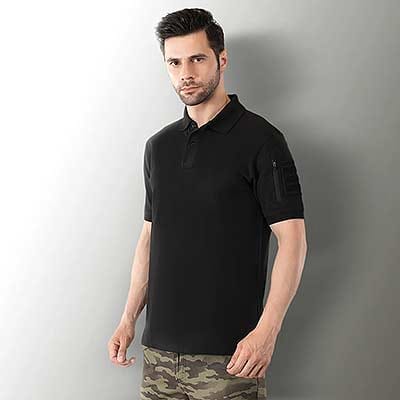




Fashion Photography Services
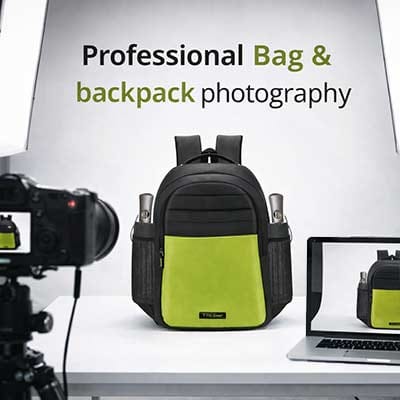
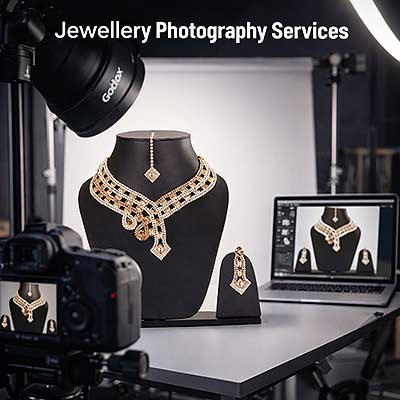


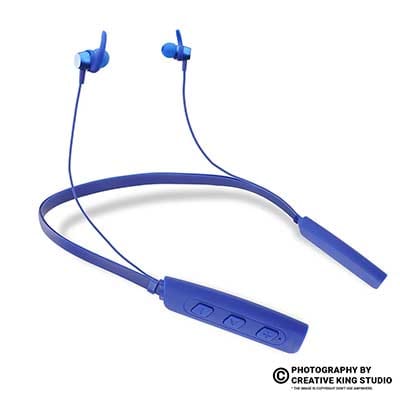
E-commerce Photography

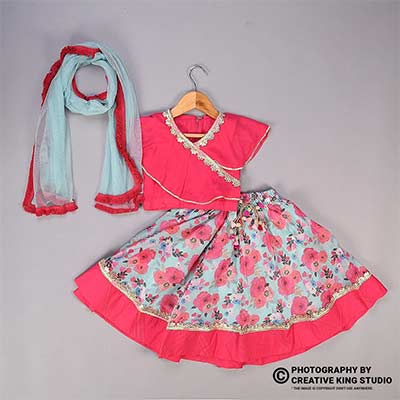
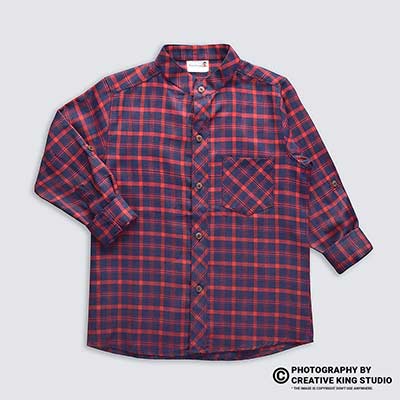
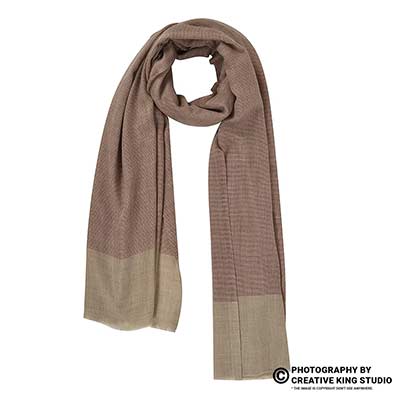
Ever wondered what actually happens between an empty studio and a flawless product shot? Here is the honest, step-by-step process our team follows every single shoot day.
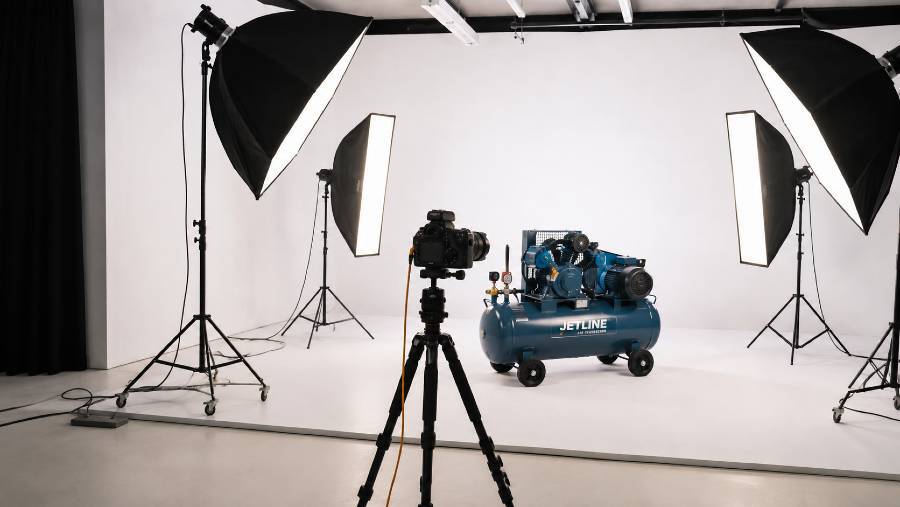
Inside the studio: a real behind-the-scenes moment during an ecommerce catalogue shoot.
Most sellers only ever see the final image — clean, bright, perfectly lit. What stays hidden is everything that goes into it. This is a real look behind the scenes of product photography, walking you through the exact product photography shoot process our team runs at Ckstudio, from an empty shooting table to a platform-ready file. Understanding this workflow helps you judge quality, avoid hidden costs, and know precisely what you are paying for when you hire professional product photography in Delhi.
The behind the scenes of product photography is far more structured than most people imagine. It is not one person casually snapping pictures — it is a repeatable product photography shoot process where setup, camera, lighting, capture, editing and quality control each play a defined role. When these stages are handled properly, the result is consistent, sharp, colour-accurate imagery that sells. When any stage is rushed, it shows immediately on the listing. Our approach to ecommerce product photography treats every step as non-negotiable, which is exactly why professional product photography Delhi brands rely on repeatedly delivers predictable results across large catalogues.
Why does this matter to you as a seller? Because your product image is often the very first thing a shopper judges, well before they read a title or price. Studies on visual commerce consistently show that image quality directly shapes trust and conversions, a pattern echoed across research by the Baymard Institute. If you want the full commercial picture, our guide on product photography tips to increase ecommerce sales connects each stage below to real buyer behaviour.
Every shoot begins long before the first frame. The product photography studio setup is where we build a controlled environment: a sturdy shooting table, a clean seamless backdrop, and a considered arrangement of lights and modifiers. For most catalogue work this means a crisp white sweep; for lifestyle sets we style surfaces and props to match the brand. Getting this foundation right is what makes studio product photography look deliberate rather than accidental, and it is the stage that quietly determines how fast the rest of the day flows.
Setup time varies by product type — a simple accessory might take minutes, while a reflective or multi-part item demands careful staging. This is also where planning pays off; brands following our product photography guide for Indian brands arrive with prepped, steamed and sorted stock, which keeps a shoot day efficient and predictable.
Good gear does not make good images on its own, but the right product photography equipment removes obstacles. Our kit runs on professional full-frame bodies paired with continuous and strobe lighting, softboxes, reflectors and an assortment of light modifiers to shape and bounce light. For close, detailed categories like jewellery photography, a macro lens and precise diffusion become essential to capture texture without harsh glare.
Backgrounds do more than sit behind a product — they set the mood and meet platform rules. Clean white background product photography keeps listings compliant and distraction-free, while textured surfaces add warmth to lifestyle frames. Thoughtful product styling and a well-chosen seamless backdrop are what let a single item feel premium, an approach we apply across every lifestyle product photography set.
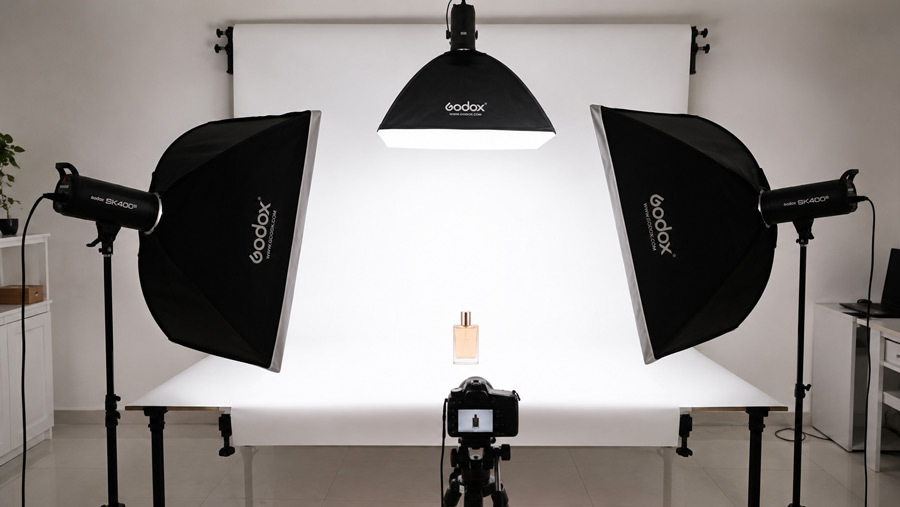
A controlled lighting setup on the shooting table — the backbone of consistent catalogue images.
Step 02Once the set is built, we move to capture. A key part of the behind the scenes of product photography is choosing the right camera body and lens for the job. A high-resolution full-frame sensor gives us the detail and cropping freedom that ecommerce platforms reward, while lens choice is dictated by the product: a macro lens for small, intricate items and a standard prime for general categories. Crucially, we work with tethered shooting — the camera feeds directly into a computer so every frame is reviewed at full size on the spot, not squinted at on a tiny screen.
This tethered workflow is what keeps large jobs consistent and is central to how we handle Amazon product photography at scale. For sellers weighing the commercial upside, our breakdown of how product photography improves conversions on Amazon and Flipkart shows why that extra precision earns its place in the process.
Sharpness is engineered, not lucky. We shoot in RAW files to preserve maximum detail and colour data, use a controlled aperture for edge-to-edge focus, and apply focus stacking when a product’s depth would otherwise leave parts soft. These camera settings for product photography ensure the final image holds up when a shopper zooms all the way in — the exact moment a purchase decision is often made.
Step 03If one stage separates amateurs from professionals, it is light. Product photography lighting is where the mood, texture and accuracy of an image are truly decided. We build around soft, directional light using a softbox and diffuser to wrap the product gently, then sculpt shape and depth with careful shadow control. Too flat and the product looks lifeless; too harsh and every flaw is exaggerated. The goal is light that flatters the product while staying honest about how it actually looks in a buyer’s hands.
Different materials demand different lighting logic, which is why our lighting approach adapts across categories from apparel to electronic products. This craft is a genuine part of the studio workflow that most tutorials skip entirely.
There is no single correct rig. Some products sing under a broad, single-source light modifier, while others need a two- or three-light arrangement with fill and reflectors to lift shadows. Mastering these product photography lighting techniques is what lets us reproduce the same clean look across hundreds of items in a catalogue without drift.
Glass, chrome and glossy packaging are the classic challenge. Reflective product photography and glass product lighting rely on controlling what the surface reflects — using large diffused sources, flags and precise angles so the product reads clearly instead of mirroring the room.
Now the studio comes alive. During the live capture — the most visible part of any product shoot — we work through each product methodically, locking framing, angles and composition. Tethered shooting means every shot appears instantly on a large monitor, so focus, reflections and styling are reviewed and corrected in real time rather than discovered later. We typically capture multiple angles per item to give listings the variety that platforms and buyers both prefer.
This iterative rhythm is what keeps quality high on high-volume days, whether we are photographing apparel, accessories or full ecommerce catalogue runs. Speed without sacrificing consistency is the entire point of a disciplined shoot.
Step 05A great capture is only half the story. In editing, RAW files are transformed into polished, platform-ready images through careful product photography editing. This stage covers image retouching to remove dust and imperfections, colour accuracy correction so the product matches reality, and clean post-production to perfect the background. Done well, retouching is invisible — the product simply looks like the best honest version of itself.
Because editing quality can make or break a listing, it deserves the same rigour as the shoot. Sellers who want to understand where their budget goes will find our product photography cost in Delhi guide useful, as editing depth is one of the biggest variables in any quote.
Our product photography editing workflow moves in a fixed order: RAW processing, retouching, precise colour grading, background clean-up and final shadow control to keep depth natural. Standardising these steps is how we deliver an entire batch that looks like it belongs to one cohesive brand — essential for professional image editing at scale.
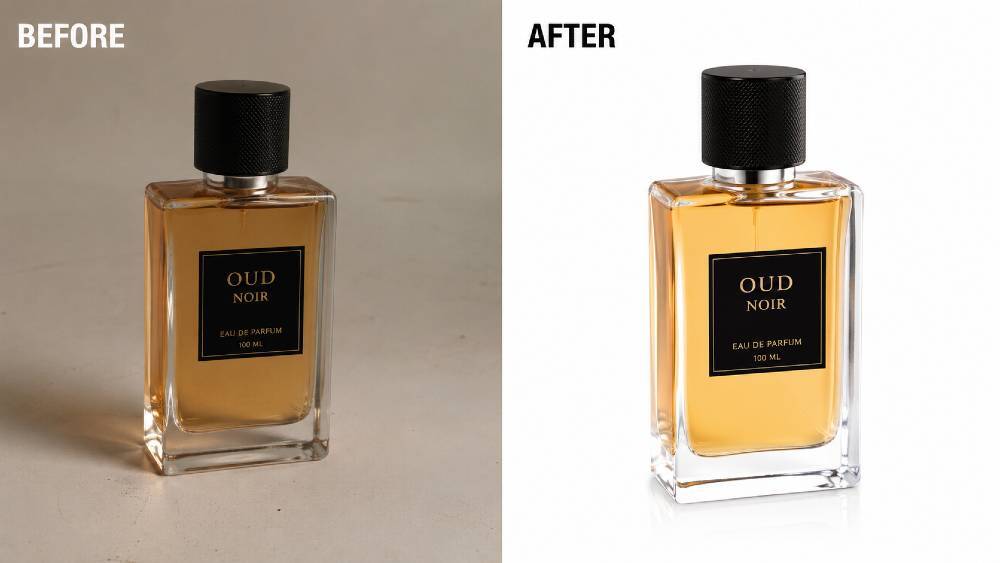
From RAW to retouched: careful editing turns a good capture into a listing-ready image.
Step 06This is the stage sellers rarely see but always benefit from. Our quality control in product photography checks every image for colour accuracy, correct image resolution, sharpness and visual consistency before anything is signed off. On a large job, even small drifts in tone or crop compound across a catalogue, so a dedicated QC pass ensures the final deliverables feel like one unified set. It is the difference between a listing that looks professional and one that looks patched together.
Rigorous QC is precisely why brands trust us with big, repeatable catalogues — the same discipline underpins our Amazon infographic work, where accuracy and clarity are equally critical.
Step 07The last stage closes the loop. We export the approved images as platform-ready catalogue images in the correct formats and resolutions, then hand them over within an agreed turnaround time. Clear product photography deliverables — including web-optimised and print-ready versions where needed — mean you can publish straight away without chasing revisions. Reliable delivery is as much a part of professional service as the photography itself.
Smartphone photography has its place, but the gap becomes obvious the moment products sit side by side on a competitive marketplace. Professional product photography brings controlled lighting, accurate colour, expert editing and consistency that DIY setups struggle to match. For serious sellers on Amazon, Flipkart or Myntra, that difference translates directly into trust and conversions — the core promise of proper studio product photography.
| Feature | DIY / Smartphone | Professional (Ckstudio) |
|---|---|---|
| Lighting | Inconsistent, room-dependent | Controlled softbox & modifiers |
| Editing | Basic filters | Full retouch & colour correction |
| Consistency | Varies shot to shot | Uniform across full catalogue |
| Resolution | Compressed, limited crop | High-res, zoom-ready |
| Turnaround | Unpredictable | Agreed, reliable schedule |
Honest pricing depends on scope. Product photography cost in Delhi is shaped by the number of products, the shot types required and the depth of editing involved. We keep product photography services Delhi sellers rely on transparent, with tiered packages so you only pay for what your catalogue actually needs. Below is an indicative structure — for an exact figure, a quick conversation is always more accurate than a table.
Planning a larger rollout? Our detailed product photography cost guide for Delhi breaks down exactly what drives each quote, so there are never any surprises.
A product shoot involves studio setup, camera and lens selection, lighting, the live capture, editing and retouching, and quality control before final delivery. Each stage ensures sharp, consistent, professional images.
Professionals use a DSLR or mirrorless camera, macro and prime lenses, softboxes, diffusers, reflectors, a seamless backdrop and tethered shooting to a computer for precise, high-resolution product shots.
RAW files are colour-corrected, retouched, cleaned up, background-adjusted and resized to platform specs, then passed through quality control to ensure colour accuracy and consistency across the set.
Costs depend on the number of products, shot types and editing level. Ckstudio offers tiered packages from basic white-background shoots to full catalogue production, so pricing scales with your actual needs.
A professional studio delivers consistent lighting, accurate colours, expert editing and quality control, improving conversions and brand trust far beyond DIY smartphone photos.
Ready to see the difference a real process makes? Prince and the Ckstudio team handle everything from setup to final delivery, so you get flawless, listing-ready images without the guesswork. Talk to us and let’s plan your shoot.
Or email [email protected] — we usually reply the same day.