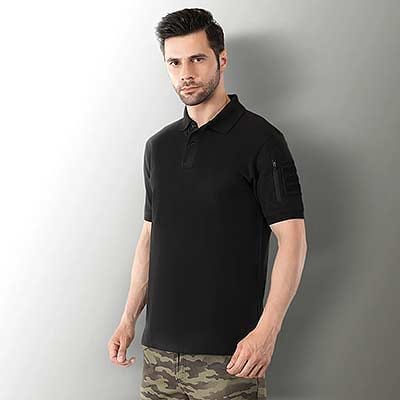
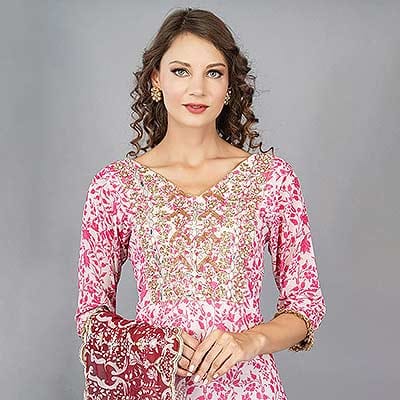


Fashion Photography Services
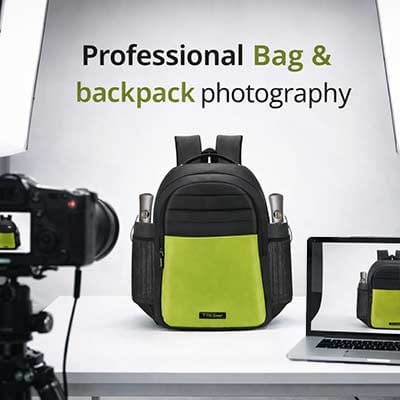

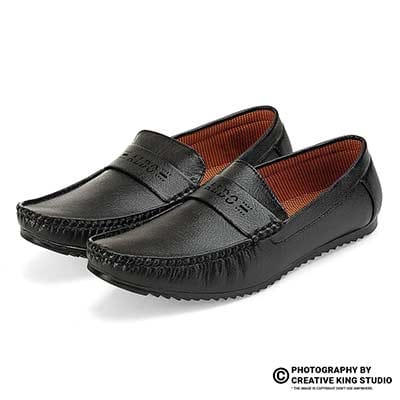

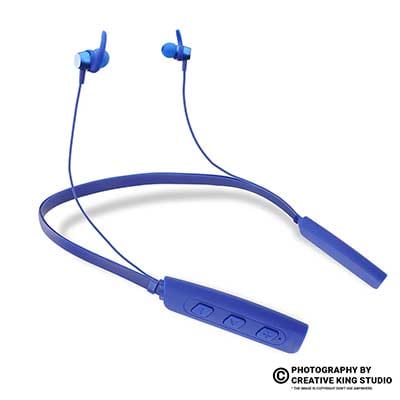
E-commerce Photography
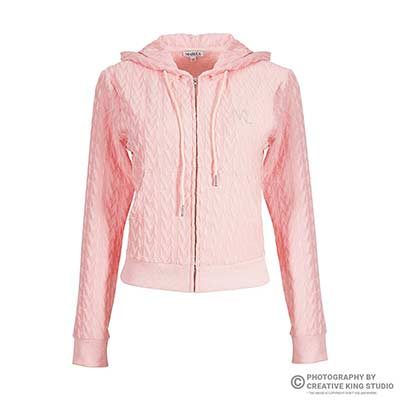
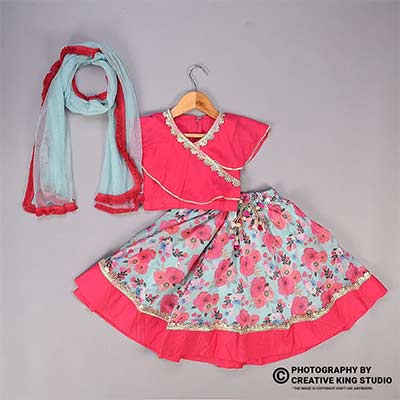
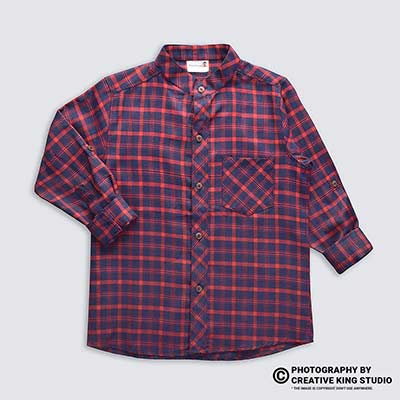
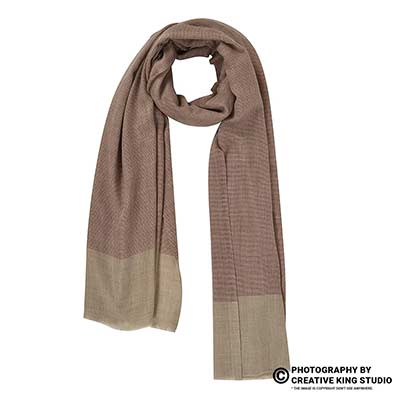
Why professional images out-sell amateur photos on Indian marketplaces — the main image, gallery, white background, lifestyle, infographic and A+ Content tactics that turn browsers into buyers, with before/after examples.
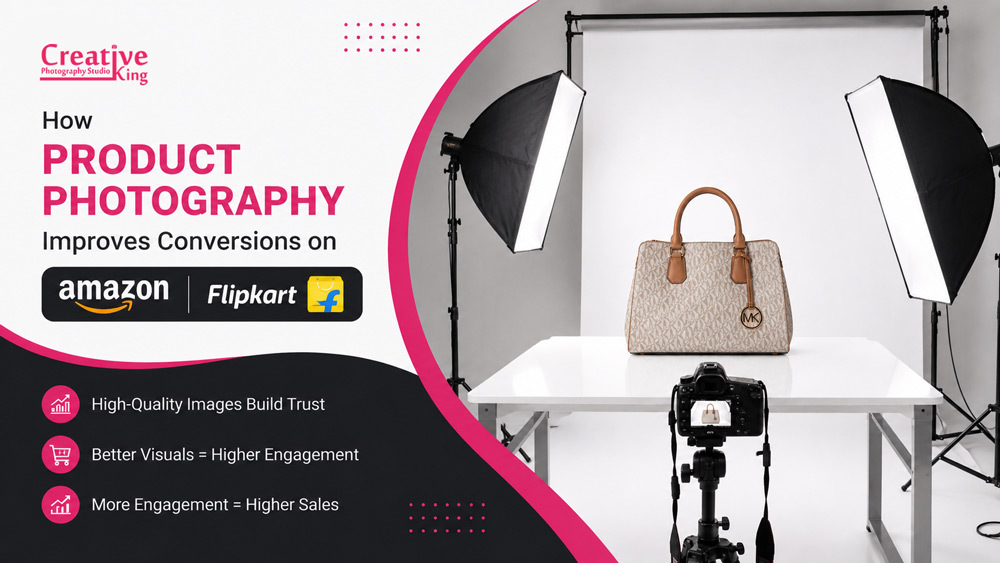
Product photography improves conversions on Amazon and Flipkart in two places: it wins the click in search results and it closes the sale on the product page. A sharp, compliant white background main image lifts your click-through rate (CTR), while a well-ordered gallery of scale, detail, lifestyle and infographic images — backed by A+ Content — answers the questions that would otherwise make a buyer leave. At Ckstudio, we have watched two listings with the same product, price and title perform completely differently purely because of photo quality.
Quick answer: Professional product photography improves conversions by raising click-through rate at the thumbnail stage and closing the sale in the gallery — clearer main images win the click, while lifestyle shots, infographics and A+ Content build the trust that turns a visit into an order.
Below you will see how the main image controls CTR, why white background is the marketplace baseline, how lifestyle and infographic images lift add-to-cart rate, where A+ Content multiplies results, and what actually changes when a listing is reshot. With 9+ years shooting for online sellers, Prince has seen these principles hold across categories, and our complete photography guide for Indian brands is a useful companion read.
A conversion is the moment a shopper moves from viewing to buying, and conversion rate is the share of visitors who complete that action. On a marketplace, every listing runs through a funnel: an impression in search, a click on the thumbnail, a scroll through the gallery, an add-to-cart, and finally the order. Photography acts at every stage of that funnel, which is why better images move results more reliably than almost any copy tweak.
Shoppers consistently rank images as one of the top factors in an online purchase decision, ahead of description text, because a photo communicates quality instantly. When a buyer can zoom in and see stitching, texture or finish clearly, hesitation drops and the add-to-cart rate climbs. This is exactly the outcome we design for in our ecommerce product photography services, and the same thinking underpins our tips to increase ecommerce sales through better photos.
Think of your listing as a two-stage sale. The first sale happens in the search grid, where your thumbnail competes against a dozen rivals for a single click — this is your click-through rate. The second sale happens on the product page, where the full gallery either resolves the buyer’s doubts or lets them slip away. Get the first stage wrong and no one ever sees the rest. This is why we treat the main image as a performance asset, not decoration, across every project including our Amazon product photography and Flipkart product photography work. For the full shot list and image rules, see our Amazon product photography guide for 2026.
Your main image is a tiny thumbnail at the moment it matters most, so clarity at small size is everything. A frame-filling product, crisp focus and a pure white background read instantly, while a cluttered or dim photo simply gets scrolled past. We crop tight, remove distractions and light for edge-to-edge sharpness so the product still reads at thumbnail scale. The key numbers to hit on Amazon:
Once a shopper clicks, the remaining gallery slots do the persuading. A proven formula is six to seven images: the white background hero, a scale shot, detail close-ups, an in-use image, and a feature infographic. Each frame answers a question the buyer would otherwise abandon over. Our Amazon infographic design slots directly into this sequence, and for apparel a well-planned model photoshoot shows fit and drape that flat shots simply cannot.
On the major marketplaces, a white main image is not a style choice — it is a rule. Amazon requires the primary image on a pure white background (RGB 255,255,255), and Flipkart applies a similar white-background standard for most categories, with some apparel categories allowing a light grey background. You can read the exact specification on Amazon Seller Central’s image guidelines, check category rules on the Flipkart Seller Hub, and see how we apply them in our Flipkart product photography guide.
Beyond passing the listing check, true white makes every product in your catalogue look consistent and premium, which quietly builds buyer confidence across your entire storefront. Achieving genuinely pure white — not grey, not blown-out — takes controlled lighting and careful retouching, which is where professional product image editing earns its place. Ckstudio delivers marketplace-ready white background files that pass validation the first time.
White background sells the facts; lifestyle imagery sells the feeling. When a buyer sees a product in a real setting — a mug on a sunlit table, a bag worn on the shoulder — they picture owning it, and that emotional bridge is what pushes the add-to-cart button. Lifestyle shots also communicate scale and use-case far better than an isolated object ever can. This is why our lifestyle product photography is one of the most requested add-ons for brands moving beyond bare compliance shots.
For fashion and home categories especially, blending styled context with clean studio frames gives the best of both worlds. A considered fashion photography set lets a buyer judge fabric, fit and styling in one glance, reducing the guesswork that leads to returns — something we cover in detail in how to reduce returns on Flipkart & Amazon with better product images.
Most shoppers skim rather than read, so an infographic that turns key features into icons and short callouts communicates value in a single glance. Dimensions, materials, key benefits and a quick comparison can all live inside one well-designed image, doing the work of a paragraph most buyers would skip. That makes infographics especially valuable for technical or spec-heavy products — our electronic product photography and kitchen product photography shoots lean heavily on this format to explain features fast.
If white background is the baseline and lifestyle is the upgrade, A+ Content is where photography truly compounds. A+ modules replace a plain text description with rich, branded image blocks — comparison charts, lifestyle grids, feature banners and brand-story visuals — and Amazon’s own data shows this typically lifts conversion rate by around 5 to 10 percent. You can see the module types explained on Amazon’s A+ Content help pages, and our Amazon A+ Content guide for 2026 walks through planning each module. Building these well is a photography job first and a design job second, which is why Ckstudio treats A+ as a core part of a listing, not an afterthought.
The highest-performing A+ layouts usually combine a hero banner, a comparison module that positions your product against alternatives, a lifestyle grid showing real use, and a clean tech-spec block. Each module is an opportunity to remove one more reason to hesitate. Whether it is a jewellery photography close-up that proves craftsmanship or a footwear photography detail that shows material quality, the imagery inside A+ is what carries the persuasion.
| Image Type | Primary Purpose | Best Marketplace Fit | Conversion Impact |
|---|---|---|---|
| White Background | Compliance & clarity | Amazon, Flipkart | Wins the click (CTR) |
| Lifestyle | Emotion & scale | Myntra, Ajio | Lifts add-to-cart |
| Infographic | Feature communication | Amazon, Meesho | Reduces hesitation |
| A+ Content | Brand storytelling | Amazon | +5–10% conversion |
| 360° Spin | Full inspection | Flipkart, Amazon | Reduces returns |
A Delhi-based kitchenware seller came to Ckstudio with DIY phone photos and a stalling conversion rate. We reshot their top 20 SKUs with compliant white background mains, added scale and detail secondaries, built feature infographics, and designed a full A+ set for their hero products. Within a few weeks their listings looked like an established brand rather than a side hustle. Nothing about the products changed, yet the way buyers perceived them changed completely. Poor images cap conversion no matter how much ad spend flows in, so improving the visuals unlocks performance that was always there.
Here is what typically changes, slot by slot, when we take a listing from DIY photos to a marketplace-ready set. These are representative examples of the fixes we make, not figures from a single client.
| Listing Element | Before (DIY) | After (Professional) | Why It Converts |
|---|---|---|---|
| Main image | Phone photo on an off-white sheet, product small in frame, soft edges | Pure white (RGB 255) background, product filling ~85% of frame, edge-to-edge sharp | Stands out at thumbnail size and passes validation |
| Gallery | 2–3 similar front-facing angles | 6–7 planned slots: hero, scale, details, in-use, infographic | Answers size, quality and use questions before the buyer asks |
| Features | Listed only in bullet text | Feature infographic with icons and short callouts | Skimmers get the key benefits in one glance |
| Description | Plain text block | A+ modules: hero banner, comparison chart, lifestyle grid | Builds brand trust and positions against alternatives |
| Colour accuracy | Warm or cool cast from room lighting | Colour-corrected under controlled studio light | “Looks different from the photo” returns drop |
| Feature | DIY / Phone | Professional (Ckstudio) |
|---|---|---|
| Resolution & sharpness | Inconsistent | High, zoom-ready |
| Catalogue consistency | Varies per shot | Uniform across SKUs |
| Marketplace compliance | Often rejected | Passes first time |
| Retouching & finish | Minimal | Professional grade |
| Turnaround at volume | Slow, ad-hoc | Planned & scheduled |
Off-white or grey backgrounds. A background that only looks white will still fail marketplace validation and cheapen your listing.
Too few gallery images. Stopping at one or two photos leaves the buyer’s questions unanswered and kills add-to-cart rate.
Ignoring lifestyle and infographics. White background alone rarely closes the sale on its own for considered purchases.
Using AI-generated images that misrepresent the product. Fabricated visuals break trust and drive returns — always show real, professional photos of the actual item. Our comparison of real photography vs AI product images explains where the line is.
Ckstudio delivers marketplace-ready product photography for Amazon and Flipkart sellers across Delhi and pan-India. Talk to Prince about your catalogue today.
Call Prince: +91-8700258773 WhatsApp UsPricing scales with the work involved, so packages range from simple white background shoots to full A+ Content sets. The right tier depends on your catalogue size, the mix of image types you need, and your turnaround expectations. For a detailed breakdown of rates, start with our Delhi cost guide or the wider product photography pricing in India 2026 guide, and you can always call Prince on +91-8700258773 for a quote tailored to your SKUs.
The main cost drivers are image quantity, the number of angles and styling required, whether models are involved, and the depth of retouching. Adding lifestyle sets, 360° spins or A+ module design increases scope, while bulk catalogue shoots often improve the per-image rate. Being clear about these variables up front lets Ckstudio quote accurately and keeps your project on budget.
Look for a studio with a portfolio in your category, genuine marketplace experience, and a clear process for revisions and turnaround. Ask how they handle compliance, whether they deliver A+ ready files, and how they keep quality consistent across large catalogues. You can browse our portfolio to see the standard we hold, or reach out through our contact page to discuss your specific requirements. For any questions, email us at [email protected].
Yes. A sharp, compliant main image raises click-through rate in search, and a complete gallery of detail, lifestyle and infographic images raises conversion rate on the product page, because shoppers judge quality from the photos before they read a word.
Amazon requires a pure white (RGB 255,255,255) main image, and Flipkart applies a similar white-background rule for most categories. It keeps catalogues consistent, builds shopper trust and renders sharply as a search thumbnail, which protects your CTR.
A+ Content replaces the plain text description with rich image modules — banners, comparison charts and lifestyle grids — and typically lifts conversion rate by around 5 to 10 percent through stronger visual storytelling.
Yes. Lifestyle images show scale and real-life use, boosting add-to-cart rate by helping buyers picture owning and using the product in their own space.
Ckstudio pricing depends on image count, styling and retouching. Packages scale from basic white-background shoots to full A+ Content sets — our Delhi cost guide has the detailed breakdown.
You have probably optimised titles, keywords and ads already — but if your images are holding the listing back, all of that effort leaks away at the exact moment a buyer decides. Strong, compliant, well-planned imagery is the one upgrade that lifts CTR, add-to-cart and conversion together, which is why product photography improves conversions more dependably than almost anything else you can change this quarter. Prince and the Ckstudio team build exactly these listings every day for Delhi and pan-India sellers.
Ready to turn browsers into buyers? Call Prince on +91-8700258773, message us on WhatsApp, or email [email protected] to start your shoot.
Comparing platforms? See how Amazon and Flipkart differ in our marketplace seller hub.