
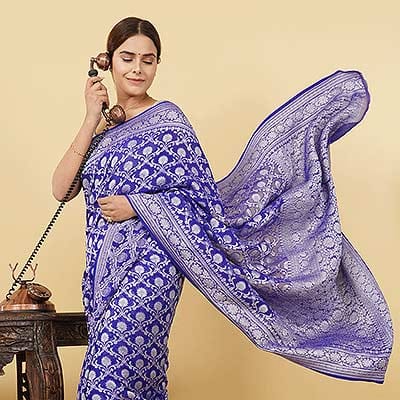
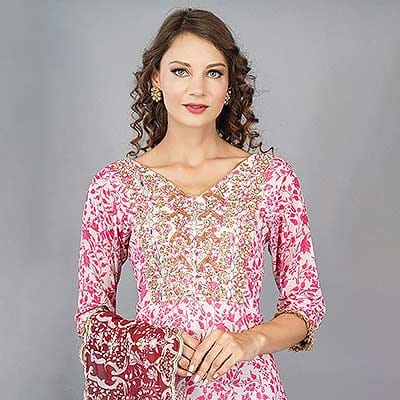
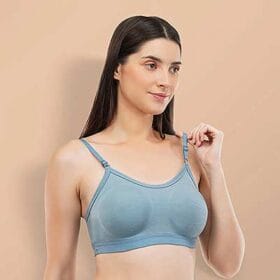
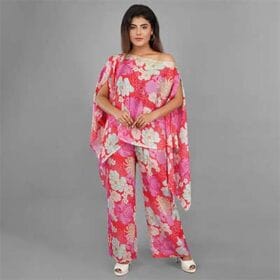
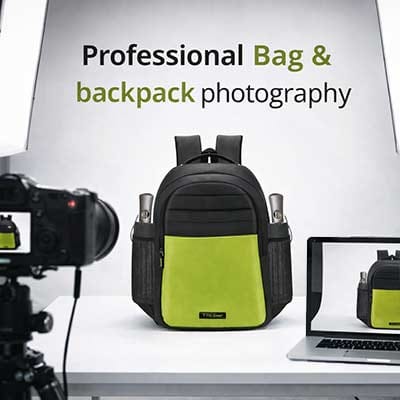

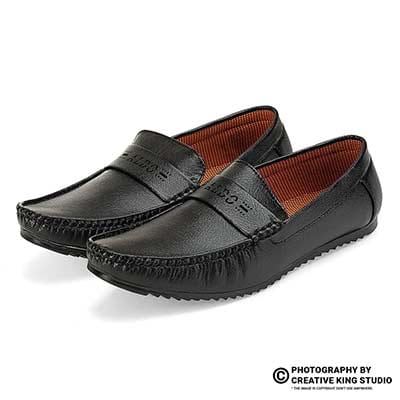
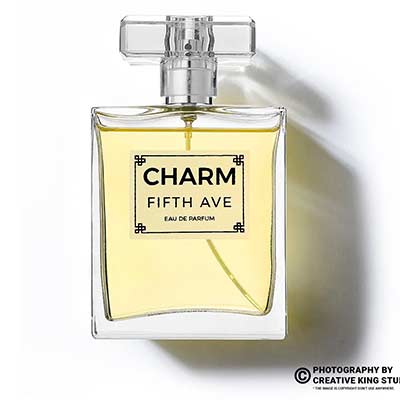
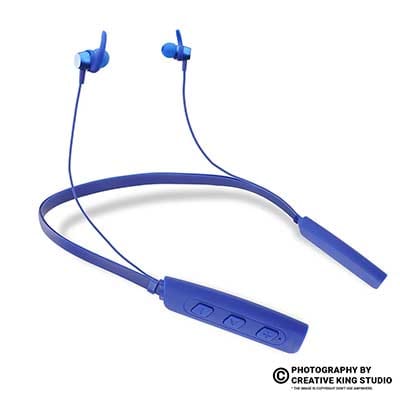
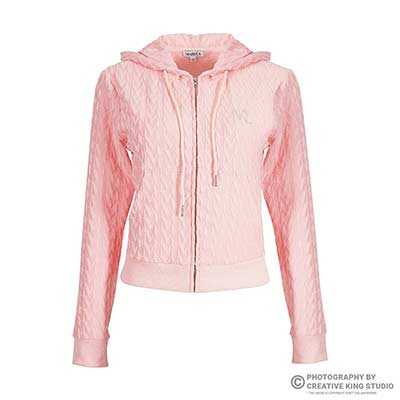
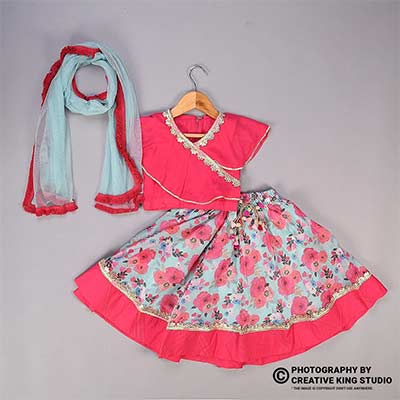
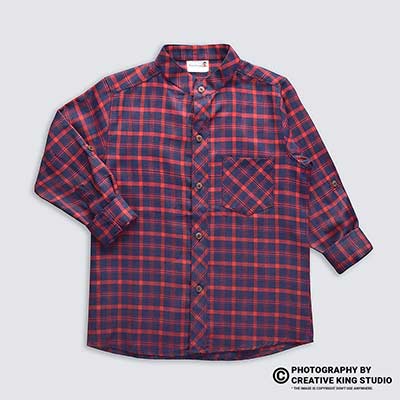
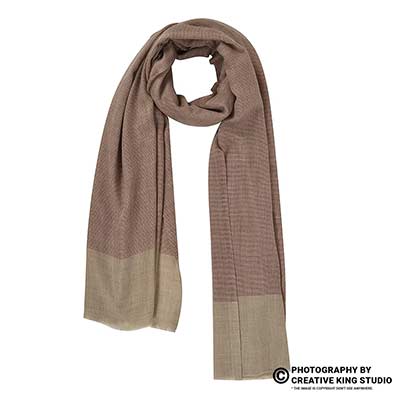
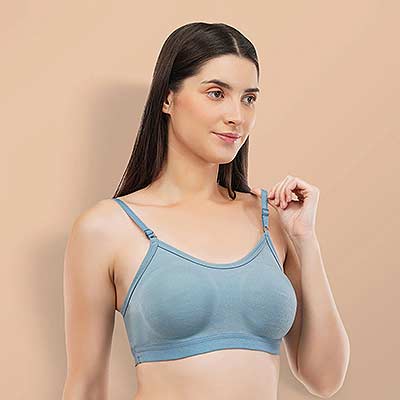
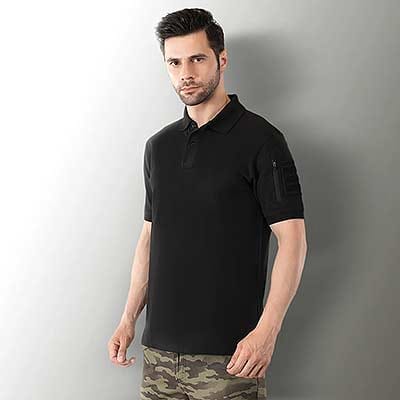

Professional fashion photography studio setup at Ckstudio — seamless backdrop with calibrated lighting
Choosing the right background for fashion e-commerce photography is one of the most underrated decisions a fashion brand makes — yet it directly impacts click-through rates, conversion percentages, and brand perception on every marketplace listing. A wrong background can flatten an expensive garment; the right one can make a ₹999 kurta look like a ₹2,999 premium piece.
After photographing over 12,000 fashion products across Myntra catalog photography, Flipkart Fashion listings, and Amazon Fashion campaigns, the team at Ckstudio has identified a clear pattern — successful fashion brands don’t choose backgrounds randomly. They follow a decision framework that aligns marketplace compliance, brand identity, and conversion psychology.
This guide walks you through exactly that framework — six background types, when to use each, how to avoid AI-generated background traps, and a complete checklist you can apply to your next photoshoot.
🎯 Key Takeaways
- Pure white background (#FFFFFF) is mandatory for primary catalog images on Amazon, Flipkart, and Myntra — non-negotiable for marketplace approval
- Lifestyle and contextual backgrounds increase engagement by 60–80% on secondary images and social campaigns
- AI-generated backgrounds fail 7 out of 10 marketplace QC checks due to fabric distortion and unrealistic shadows
- The right background system uses 2–3 styles per product: white for catalog, lifestyle for hero, detail for trust-building
- Brand consistency in background choice increases customer recall by up to 3x across listings
Understanding Fashion E-commerce Background Fundamentals
Before choosing a background, fashion sellers must understand what a “background” actually does in an e-commerce context. It’s not just an empty space behind the product — it’s a visual environment that influences three critical factors: marketplace approval, perceived value, and emotional connection.
In professional fashion photography, the background performs four key jobs:
- Isolates the product — directs visual focus to the apparel without competing distractions
- Communicates brand positioning — minimalist white = premium, lifestyle = relatable, textured = artisanal
- Establishes context — tells the customer where and how this garment fits into their life
- Ensures platform compliance — every marketplace has specific background requirements that affect listing visibility
For Indian fashion brands, the challenge is balancing all four — especially when selling across multiple marketplaces simultaneously. Myntra and Ajio favour clean, well-lit catalog images with subtle styling. Amazon Fashion enforces strict pure-white backgrounds for the main image. Meesho prioritises bright, high-contrast images that catch attention in scrolling feeds.
The 70-20-10 Background Distribution Rule
Successful fashion sellers follow what we call the 70-20-10 rule in their image sets:
- 70% white/neutral background — for catalog and primary listing images
- 20% lifestyle/contextual — for hero shots and brand storytelling
- 10% detail/macro — for fabric texture, stitching, and craftsmanship close-ups
Why Background Choice Matters for Fashion Conversions
Background selection isn’t aesthetic preference — it’s conversion engineering. Internal data from Ckstudio’s fashion brand case studies shows measurable differences when brands switch from generic backgrounds to a strategic background system.
+47%
Average CTR increase on Myntra after switching to optimised white-background catalog images
+62%
Engagement lift on lifestyle hero images vs flat catalog-only listings on Flipkart Fashion
3.1x
Brand recall multiplier when consistent background style is maintained across 50+ SKUs
Beyond numbers, background choice affects three psychological levers: perceived quality (clean = premium, cluttered = cheap), trust (consistent = professional, random = amateur), and desire (contextual = aspirational, isolated = informational). A boutique selling handloom sarees on Ajio cannot use the same background system as a fast-fashion brand on Meesho — their psychological targets are completely different.
💡 Pro Insight
When Ckstudio reshot a Delhi-based ethnic wear brand’s catalog using a unified pearl-grey background instead of mixed white-and-textured backdrops, their Myntra listing CTR jumped from 2.1% to 3.8% within 30 days — without any change to product, price, or title.
Real Photography vs AI-Generated Backgrounds: The Truth
In 2026, AI background generators are everywhere — promising “studio-quality backgrounds in seconds” for ₹0. The temptation is real, especially for new fashion sellers watching their photography budget. But the reality on marketplaces tells a different story.
✓ Real Professional Photography
What Ckstudio Delivers
- Accurate fabric texture — silk reflects, cotton absorbs, denim shows weave
- True-to-life colour reproduction with calibrated lighting
- Realistic shadows that follow the laws of physics
- Marketplace compliance approval rate of 99%+
- Customer trust — no “looks different in real life” returns
- Editorial-grade resolution suitable for hoardings, lookbooks, A+ content
✗ AI-Generated Backgrounds
What AI Tools Produce
- Distorted fabric edges where AI “guesses” the boundary
- Floating shadows that don’t match light source direction
- Plastic-looking skin and unrealistic model rendering
- Frequent QC rejections on Myntra, Amazon, Flipkart
- High return rates due to product mismatch perception
- Watermark or low-resolution issues in commercial use
The economics are misleading too. An AI tool may cost ₹0 upfront, but the hidden costs — listing rejections, reshoots, return refunds, brand reputation damage — typically exceed the cost of professional photography by 5–8x within the first 6 months. Investing in real garment photoshoots is not an expense; it’s risk mitigation.
⚠️ Real Case
A Jaipur-based ethnic wear seller used AI backgrounds for 240 SKUs to save ₹85,000 in photography. Within 60 days, Myntra flagged 168 listings for “image quality issues,” return rate spiked from 12% to 31%, and the brand had to reshoot everything — final cost: ₹2.8 lakh in reshoots + lost sales. Ckstudio handled the reshoot using product photography services and proper lifestyle backgrounds.
The 6 Fashion Background Types: Complete Decision Guide
Every fashion product needs a background system, not just a background. Here are the six core types Ckstudio uses across e-commerce photography projects, when to use each, and how they impact specific marketplaces.

Pure White Seamless Background (#FFFFFF)
When to use: Primary catalog images, Amazon main image, Flipkart listing thumbnail, Myntra primary shot. This is the marketplace-mandated standard.
Best for: Catalog photography, ghost mannequin shots, accessory close-ups, jewellery, footwear. Anything where the product must speak first.
Pro execution: True white requires the backdrop to be lit independently from the product (typically 2 stops brighter) to achieve clean #FFFFFF without spillover. Cheap “white” shoots usually deliver #F2F2F2 grey — which marketplaces auto-flag.
Soft Neutral Backgrounds (Beige, Pearl Grey, Cream)
When to use: Premium fashion brands, ethnic wear, formal collections, designer wear on Ajio Luxe and Myntra premium tiers.
Best for: Building a “premium” perception without breaking marketplace rules. Beige and pearl grey are widely accepted as “near-white” alternatives for secondary images.
Brand examples: Most premium kurta brands, sustainable fashion labels, and boutique designers use soft neutral backgrounds for their lookbook photography and seasonal campaigns.
Lifestyle Backgrounds (Real Locations, Sets, Interiors)
When to use: Hero images (image 2–4 in listing), Instagram, Amazon A+ content, Flipkart “More from this brand” sections, brand campaigns.
Best for: Telling the “where would you wear this” story. A linen co-ord set photographed in a Goan villa converts dramatically better than the same set on white background — once the customer has already clicked. The same logic applies to motion: pairing lifestyle stills with professional product video production deepens the “where would you wear this” story.
Watch out: Lifestyle shots should never be the primary listing image on most marketplaces. They support, never replace, the catalog image. Pair with a strong model photoshoot for maximum lifestyle impact.
Contextual/Conceptual Backgrounds
When to use: Brand campaigns, social media, festival/seasonal launches, Diwali/Eid/wedding collections.
Best for: Building a strong narrative — a wedding lehenga photographed against a marigold-strung haveli backdrop. A streetwear hoodie shot against graffiti walls. These backgrounds own a moment.
Production note: Contextual backgrounds need styling, props, and creative direction — not just a backdrop swap. Lifestyle product photography done right requires pre-production storyboarding.
Textured Backgrounds (Concrete, Wood, Linen, Marble)
When to use: Flat-lay photography, accessories, jewellery, handbags, footwear styling shots, social commerce on Meesho and Instagram.
Best for: Adding character without overwhelming the product. Wood textures suggest warmth and craftsmanship; marble feels luxe; linen feels organic and sustainable.
Application: Most effective in flat-lay photography for accessories or in editorial-style apparel detail shots.
Outdoor/Natural Light Backgrounds
When to use: Resortwear, summer collections, athleisure, sustainable fashion, brands with strong outdoor brand identity.
Best for: Authentic lifestyle storytelling. Beach backgrounds for swimwear, mountain trails for athleisure, urban streetscapes for streetwear.
Trade-off: Less control than studio. Weather, time of day, and location permits add complexity. But the visual authenticity is hard to replicate in a studio. For brands selling on platforms like Ajio and Nykaa Fashion where lifestyle imagery dominates the feed, outdoor shoots are worth the investment.
Background Type vs Marketplace: Quick Reference Table
This decision matrix shows which background works best for each major marketplace and image position. Use it as your photoshoot brief checklist.
| Background Type | Best Marketplace Use | Image Position | Conversion Impact |
|---|---|---|---|
| Pure White | Amazon, Flipkart, Myntra (Primary) | Image 1 (Main) | Mandatory — affects approval |
| Soft Neutral | Ajio Luxe, Myntra Premium, D2C Sites | Image 1–2 (Premium feel) | +18% premium perception |
| Lifestyle | Amazon A+, Flipkart, Instagram Shop | Image 2–4 (Hero) | +62% engagement |
| Contextual | Brand Campaigns, Festive Launches | Hero / Banner | +85% emotional connect |
| Textured | Meesho, Instagram, Flat-lay Listings | Image 3–5 (Detail) | +34% scroll-stop rate |
| Outdoor | Ajio, Nykaa Fashion, D2C, Social | Hero / Lifestyle | +71% authenticity score |
Confused which backgrounds suit your fashion brand?
Get a free 15-minute consultation with Prince. Share your product range, target marketplace, and brand vibe — receive a custom background strategy designed for maximum conversions.
Real-World Examples: How Top Fashion Brands Choose Backgrounds
Theory becomes useful when you see it applied. Here are three anonymised case scenarios from Ckstudio’s fashion clients showing how the right background system transformed their marketplace performance.
Case 1: Ethnic Wear Brand (Ajio + Myntra)
A Jaipur-based ethnic wear brand selling Anarkalis priced ₹2,500–₹6,500 was struggling with a 1.4% CTR on Myntra. Audit revealed they were using mixed backgrounds — some pure white, some textured wooden, some studio grey — creating a “scattered” brand feel.
Solution: Ckstudio reshot 84 SKUs with a unified system — pure white for primary, soft beige for secondary lifestyle, and one detail shot per SKU on textured raw silk fabric. CTR moved from 1.4% to 3.2% in 45 days.
Case 2: Streetwear D2C Brand (Own Website + Instagram Shop)
A Delhi-based streetwear label needed images that worked for both their D2C website and Instagram Shop. Their initial all-white catalog felt sterile and didn’t match the brand’s urban, rebellious identity.
Solution: Mix of concrete-textured backgrounds for catalog (still clean enough for the website’s product grid) and contextual urban backdrops (graffiti walls, metro stations) for Instagram and hero images. The brand’s add-to-cart rate increased by 41%.
Case 3: Sustainable Fashion Brand (Multi-Platform)
A sustainable cotton-wear brand selling on Amazon, Flipkart, Ajio, and their own website needed background consistency that communicated “natural, organic, conscious” while meeting marketplace rules.
Solution: Pure white for marketplace primary (compliance), warm cream-textured linen background for secondary catalog, and outdoor natural-light shoots in handloom workshops for hero campaigns. Result: cohesive brand storytelling across 4 platforms with 2.3x return on photography investment.
Common Background Mistakes to Avoid
Even brands that invest in good photography make these recurring background mistakes. Each one costs measurable conversions — the same compliance discipline carries over to UGC video creation for marketplace sellers on Amazon, Flipkart and Meesho.
- Inconsistent white tones across SKUs — using #F8F8F8 for some products and #FFFFFF for others creates a “patchy” listing page
- Heavy shadows on white backgrounds — usually caused by single-source lighting; marketplaces flag this as “low quality”
- Cluttered lifestyle backgrounds — too many props compete with the garment for attention
- Using Pinterest aesthetics for marketplace catalogs — what looks great on Instagram fails on Amazon’s grid view
- Mixing studio and outdoor without a plan — random switching feels amateur
- AI background swapping for premium products — distortion is most visible on textured fabrics like silk and brocade
- Ignoring platform-specific aspect ratios — a perfect 1:1 white background gets cropped weirdly on Myntra’s 3:4 frame
- Reflective backgrounds for shiny products — glass and metallic surfaces create unwanted reflections in jewellery and accessory shoots
Advanced Pro Tips from Ckstudio’s Studio Floor
These insights come from 9+ years of solving real fashion photography problems — the kind that aren’t taught in tutorials.

1. The “Backdrop Distance” Trick
For pure white backgrounds, position the model 6–8 feet away from the backdrop, not against it. Distance creates depth and prevents shadow contamination on the white. This single adjustment cleans up shadow artefacts that Amazon’s QC system flags.
2. Colour Temperature Consistency Across Backgrounds
When using multiple background types in one shoot, lock your white balance at 5500K daylight. Mixed temperatures (some shots warm, some cool) make a listing feel inconsistent even when colours are technically “correct.”
3. The “Brand Signature Background” Strategy
Top fashion brands develop one signature secondary background — a specific texture, colour, or location — used across all hero images. Customers start recognising the brand by background alone. This is brand equity built one photoshoot at a time.
4. Reference Print Tests
Before approving a final edit, print one image at A4 size on a basic colour printer. If colours and contrast hold up on cheap paper, they’ll hold up on every customer’s phone screen. This old-school test catches problems Photoshop doesn’t show.
5. The 3-Second Rule
A customer scrolling Myntra spends 0.8–1.2 seconds per listing. The background must be readable as “this product is what you searched for” within that window. Backgrounds that require interpretation lose the click. Test your images by glancing at them for 1 second — if you can’t immediately identify the product category, the background is failing.
Equipment & Tools Ckstudio Uses for Background Excellence
Background quality is 30% backdrop, 70% lighting and execution. Here’s the equipment Ckstudio relies on for consistent professional fashion backgrounds.
Cameras & Lenses
- Canon EOS R10 and Sony A7R5 — full-frame mirrorless bodies for editorial-grade resolution
- 50mm f/1.4 for general apparel and ghost mannequin work
- 100mm macro f/2.8 for jewellery, accessories, and fabric detail shots
- 24-70mm f/2.8 for model photography and lifestyle setups
Lighting Setup
- 4× Godox SK 400II studio strobes for primary illumination
- 2× Elinchrom FRX 400 for high-end editorial fashion shoots
- 4× strip softboxes for clean edge lighting on ghost mannequin work
- 2× octabox modifiers for soft, even model lighting
- 1× beauty dish for fashion editorial and model close-ups
Backdrop Materials
- Seamless paper rolls (Savage Universal) in white, super white, beige, grey, and bone
- Muslin and canvas backdrops for textured studio work
- Custom-built lifestyle sets for contextual shoots
- Portable green screen for digital background flexibility (used sparingly, only when justified)
Your Pre-Shoot Background Decision Checklist
Before your next fashion photoshoot, run through this 12-point checklist. Tick each item to ensure your background system is marketplace-ready and conversion-optimised.
✅ Background Decision Checklist
2026 Fashion Photography Background Trends
The fashion e-commerce visual landscape is shifting fast. Here’s what Ckstudio is observing in 2026 across India’s leading fashion marketplaces.
Trend 1: Return to Pure Minimalism
After years of heavy lifestyle imagery, leading brands are returning to clean, minimalist backgrounds — but with elevated execution. Think gallery-style framing, perfect symmetry, and obsessive attention to lighting precision.
Trend 2: Cinematic Lifestyle Imagery
Lifestyle shots are becoming more cinematic — wider aspect ratios, deeper shadows, film-grain treatments. This is replacing the bright, saturated “Instagram lifestyle” look that dominated 2022–2024, a shift mirrored in short-form UGC video production in Delhi for fashion brands.
Trend 3: Cultural-Specific Contextual Backgrounds
Indian heritage backdrops — chettinad architecture, Rajasthani havelis, Kerala backwaters — are seeing renewed interest, especially for ethnic and bridal collections targeting Indian and diaspora audiences.
Trend 4: AI-Augmented (Not AI-Generated)
Smart fashion brands are using AI for background cleanup (removing studio dust, refining edges) but keeping the actual photography 100% real. This hybrid approach is the responsible use of AI in 2026.
Trend 5: Sustainable Studio Backdrops
Eco-conscious fashion brands are demanding reusable, sustainable backdrop materials — recycled paper, organic cotton muslins, plant-based dyes — aligning their photography supply chain with their brand values.
Frequently Asked Questions
Ready to elevate your fashion catalog with the right background strategy?
Ckstudio has worked with 200+ fashion brands across India. From garment photoshoots to full lookbook campaigns, we deliver photography that ranks, converts, and builds brand recall.
Conclusion: Background Is Strategy, Not Decoration
Choosing the right background for fashion e-commerce photography isn’t a styling decision — it’s a strategic business decision that affects your marketplace approval, customer perception, conversion rate, and long-term brand equity. The brands that win on Myntra, Ajio, Flipkart, and Amazon Fashion treat their background system with the same rigour as their product design.
Start with marketplace compliance (pure white where required), build outward through brand identity (signature secondary background), and finish with storytelling layers (lifestyle, contextual, outdoor). Avoid AI shortcuts that promise speed but deliver returns and rejections. Test, measure, and refine.
When done right, your background becomes invisible — customers don’t notice it, but they feel its impact on their decision to click, trust, and buy. That invisible influence is what separates ₹10 lakh fashion brands from ₹10 crore ones.
If you’d like a custom background strategy tailored to your fashion brand and target marketplaces, the team at Ckstudio is just a WhatsApp message away. Reach Prince directly at +91-8700258773 or email [email protected] — every consultation begins with a real conversation about your products, audience, and goals.
External resources for further reading: Always cross-check the latest seller image guidelines on Amazon Seller Central India and Flipkart Seller Hub before every major catalog refresh — marketplace policies update quietly, and compliance saves rework.