




 Real 2026 pricing benchmarks from working with 500+ Indian e-commerce brands.
If you have ever asked a product photography studio in India for a quote in 2026, you have probably noticed something strange — the same shoot can cost anywhere from ₹250 to ₹1,500 per product. That kind of price spread is enough to make any seller pause. Is the cheaper studio cutting corners? Is the premium one overcharging? Or are you simply comparing apples to oranges?
At Ckstudio, Prince and his team have spent the last nine years building visual content for sellers across Amazon India, Flipkart, and Myntra — and the single biggest source of seller confusion is pricing. This guide breaks down exactly what shapes product photography pricing in India in 2026, what real numbers look like across categories, and where smart sellers should invest versus where they should hold back.
🎯 Key Takeaways — What You’ll Learn
- Real 2026 rates: Per-product, per-day, and package pricing for every major product category.
- Six pricing factors that decide whether you pay ₹250 or ₹1,500 per product — and how to spot quality.
- Hidden costs sellers forget: Editing rounds, model fees, prop charges, and rush turnaround surcharges.
- Real photography vs AI-generated images: Why cheap shortcuts cost sellers more in the long run.
- ROI framework to calculate exactly when premium photography pays for itself in 30–60 days.
Why Product Photography Pricing in India Confuses Most Sellers
The Indian product photography market is fragmented. On one side, there are freelancers operating from their bedrooms quoting ₹250 per product. On the other side, premium studios with calibrated lighting and dedicated retouchers quote ₹1,500 plus per product. Sellers see both quotes and naturally ask — “Same product, same white background. Why such a huge difference?”
The answer lies in what you cannot see in a quote: the camera body, the lens, the lighting setup, the retoucher’s skill, the marketplace compliance knowledge, the post-production rounds, and the consistency across hundreds of SKUs. A ₹250 per product and a ₹1,500 per product are not the same product — they are entirely different services priced for different outcomes.
This guide will not just give you numbers. It will give you the framework to read any photography quote in India and instantly know whether you are getting a deal, paying fair market rates, or being undercharged in a way that signals trouble ahead.
The 6 Factors That Decide Product Photography Pricing in India
Before looking at any rate card, every seller should understand what actually drives photography pricing. These six factors explain 95% of the variation you will see in quotes.
1. Product Category
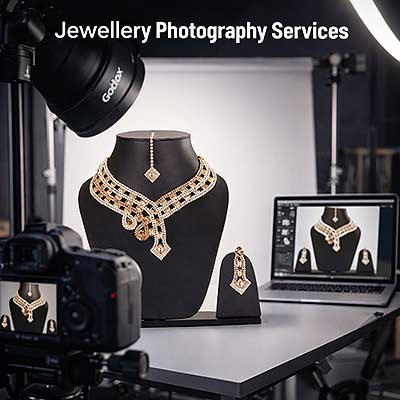
A plain T-shirt and a diamond ring need wildly different setups. Apparel can often be shot with a single softbox and a model. Jewellery demands macro lenses, precision tweezers, focus stacking, and a retoucher who understands metal and stone reflections. Naturally, jewellery photography costs three to five times more per image than basic apparel shots.
2. Shoot Type
Flat-lay is fastest and cheapest. Ghost mannequin needs cleanup editing. Model photoshoots bring in casting fees, makeup, styling, and hair — multiplying total cost. 360-degree photography requires specialised turntable rigs. Each format has its own labour and equipment footprint.
3. Output Volume
Photography is a fixed-cost service with strong volume economics. Shooting 10 SKUs in one day versus 100 SKUs across five days has very different per-product costs. Studios reward bulk bookings — a seller shooting 300 SKUs at Ckstudio pays significantly less per image than someone shooting only 20.
4. Post-Production Depth
“Basic editing” means colour correction, background cleanup, and dust removal. “Advanced retouching” means skin retouching, fabric texture work, jewellery dodging-and-burning, and creative compositing. The difference between basic and advanced editing alone can swing pricing by 60–100%.
5. Studio Tier and Equipment Grade
A studio shooting on a Canon R5 mirrorless with Godox SK 400II and Elinchrom strobes is investing lakhs into equipment. That investment shows up in image sharpness, colour accuracy, and consistency across thousands of shots. Mid-tier and budget studios use older bodies and entry-level lighting — fine for very basic work, limiting for premium brands.
6. Marketplace Compliance Requirements
Amazon, Flipkart, and Myntra each have different image specifications, background rules, model usage policies, and aspect ratios. A studio that has shot for all three platforms — like Ckstudio — builds compliance into the workflow. Less-experienced studios often deliver images that get suppressed, forcing reshoots that quietly inflate true cost.
 The six pricing factors visualised — every quote you receive reflects some combination of these six variables.
Real Product Photography vs AI-Generated Images: The True Cost Comparison
In 2026, AI image generators have flooded the market with offers like “₹25 per AI product image.” On paper, this looks like a revolution for sellers. In practice, it is one of the most expensive mistakes a serious e-commerce business can make.
Here is the honest comparison every seller deserves to see:
✅ Real Professional Photography
Upfront cost: ₹250–₹1,500 per product
Marketplace policy: Fully compliant on Amazon, Flipkart, Myntra, Ajio, Meesho.
Buyer trust: Real product, real fabric, real colour — buyers convert with confidence.
Returns: Lower return rate; what buyers see is what they get.
Long-term: Builds brand equity and visual consistency across years.
⚠️ AI-Generated Images
Upfront cost: ₹25–₹100 per image (deceptively cheap)
Marketplace policy: Violates Amazon’s authenticity rules; risk of listing suppression and account warnings.
Buyer trust: Buyers spot fake products quickly — leads to bad reviews.
Returns: 30–60% higher return rate due to mismatched expectations.
Long-term: Damages brand reputation; expensive cleanup later.
For any seller serious about scaling on Amazon, Flipkart, Myntra, or their own D2C site, the recommendation is simple and unchanged: always use real, professional e-commerce product photography. The few hundred rupees saved per image with AI is dwarfed by the hidden cost of suppressed listings, returns, and lost buyer trust.
“In e-commerce, your product photo is your product. The day you cheap out on visuals is the day your conversion graph stops growing.”
— Prince, Founder, Ckstudio2026 Product Photography Pricing in India: The Detailed Breakdown
Below are honest 2026 rate ranges based on what professional studios across Delhi, Mumbai, and Bangalore are charging. These are not Ckstudio-specific rates — they are market benchmarks that help you read any quote you receive.
Per-Product Pricing (Most Common Format)
| Service Type | Budget Tier | Mid-Tier | Premium / Studio Grade |
|---|---|---|---|
| Basic White Background (Apparel, FMCG) | ₹250–₹500 | ₹500–₹750 | ₹750–₹1,000 |
| Ghost Mannequin Photography | ₹250–₹400 | ₹400–₹600 | ₹600–₹800 |
| Lifestyle / Styled Shots | ₹500–₹700 | ₹700–₹1,200 | ₹1,200–₹2,000 |
| Jewellery (Macro) | ₹300–₹500 | ₹500–₹800 | ₹800–₹1,250 |
| Footwear & Accessories | ₹250–₹400 | ₹400–₹600 | ₹600–₹1,000 |
| 360° Product Photography (per image/spin) | ₹100–₹250 | ₹250–₹400 | ₹400–₹600 |
| Amazon Infographic / A+ Visual | ₹250–₹500 | ₹500–₹750 | ₹750–₹1,000 |
Package & Day-Rate Pricing
Many sellers prefer package pricing for predictability. Here is what you can expect to invest:
| Package Type | What’s Included | 2026 Price Range |
|---|---|---|
| Starter SKU Pack | 10 SKUs, basic white background, 5 images each | ₹2,500 – ₹4,000 |
| Amazon Listing Pack (per SKU) | 1 main + 6 secondary + infographic | ₹3,500 – ₹8,000 |
| Half-Day Studio Shoot | 3–4 hours, 1 photographer, basic setup | ₹8,500 – ₹15,000 |
| Full-Day Studio Shoot | 8 hours, photographer + assistant, multiple setups | ₹20,000 – ₹35,000 |
| Model Shoot Day (Personal Photoshoot) | 1 (Female / Male) Model, 10–15 outfits, makeup, photographer | ₹35,000 – ₹85,000 |
| Lookbook / Campaign Shoot | 2 models, location, full creative team | ₹1,00,000 – ₹2,50,000+ |
Working with a specialist Amazon product photography studio often delivers better per-SKU economics than hiring freelancers because the workflow is already optimised for marketplace compliance.
 Category-wise pricing visualised — premium categories like jewellery and lifestyle command higher rates due to specialised equipment and editing.
Category-Wise Photography Pricing for Top E-commerce Niches
Apparel & Fashion Photography Pricing
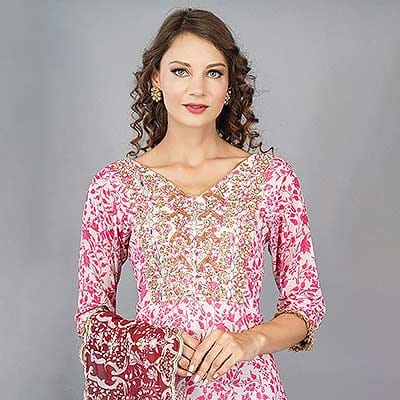
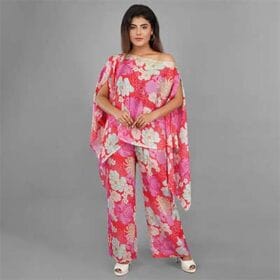
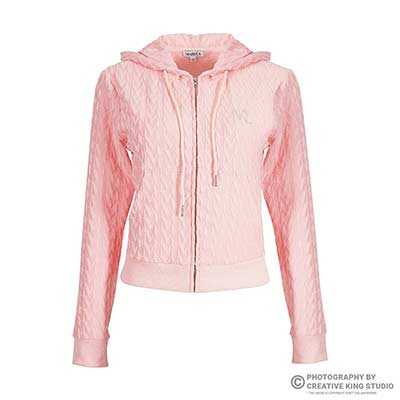
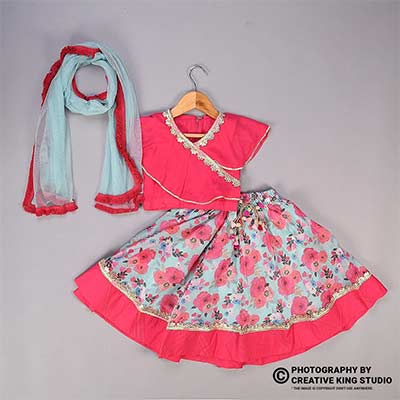
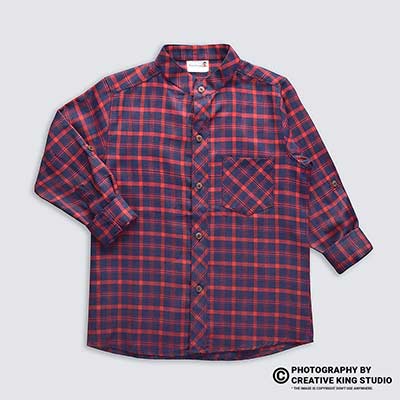
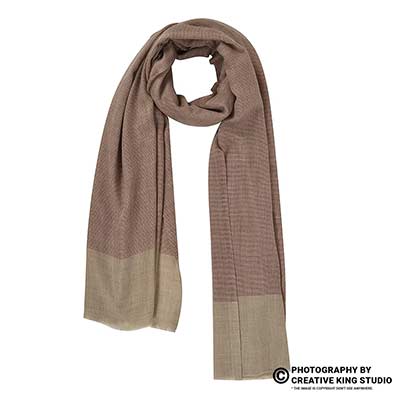
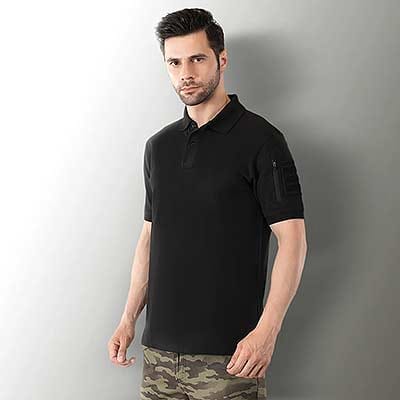
Garments are India’s largest e-commerce category. Pricing varies sharply between flat-lay, ghost mannequin, and full fashion photography with models. A typical garment photoshoot in 2026 ranges between ₹200–₹400 per product for flat-lay, ₹250–₹500 per image for ghost mannequin, and ₹400–₹750 per product when shot on a model. Myntra-style aspirational shoots sit at the higher end because of styling and post-production demands.
Jewellery Photography Pricing
Premium category, premium pricing. Jewellery requires macro lenses, specialised lighting tents, focus stacking, and expert metal-and-stone retouching. Expect ₹250–₹1,000 per product in 2026. Bulk bookings of 100+ pieces bring the per-piece cost down meaningfully.
Footwear Photography Pricing
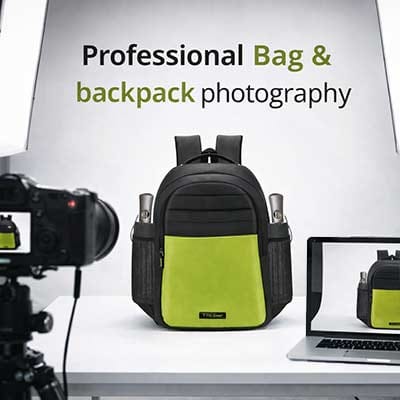
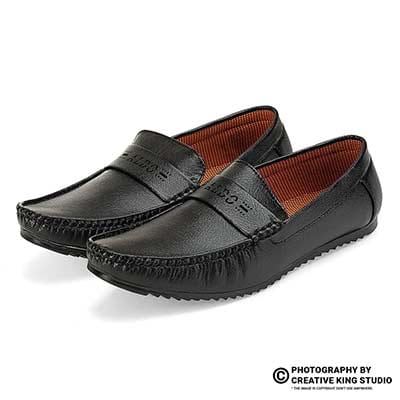
Mid-complexity category. Shoes need creative angle work, sole shots, detail shots, and sometimes ghost mannequin / floating effects. Per-product rates for footwear photography range from ₹250–₹750 depending on shoot complexity. Similar mid-complexity categories like bags and backpack photography follow comparable pricing.
Beauty, Cosmetics & FMCG
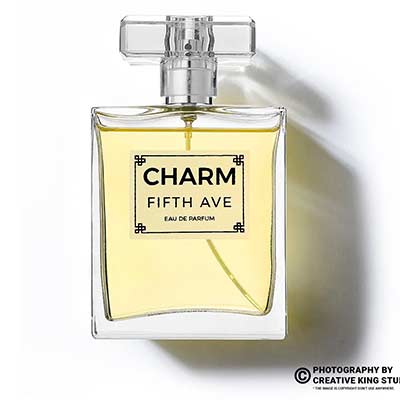
These categories often need both clean white background shots for marketplace listings and lifestyle visuals for D2C sites or Instagram. Plan for ₹250–₹1,000 per product. Beauty and cosmetic photography with reflections, glycerin droplets, and ingredient styling sits at the upper end.
Furniture & Home Decor
Larger products mean larger studios, bigger sweeps, and more expensive setups. Furniture photography typically costs ₹500–₹1,500 per product, with set-built lifestyle shots sitting even higher.
Electronics & Mobile Accessories
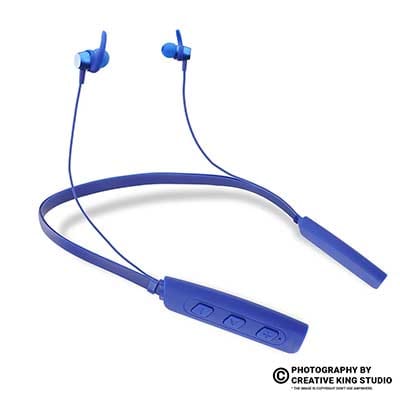
Reflective surfaces are the challenge here. Glass, metal, and screens demand polariser-based lighting and skilled retouching — which is why specialised electronic product photography sits at a higher rate band. Expect ₹400–₹1,000 per product for clean shots, more for hero compositions.
📸 Need a Custom Quote for Your Products?
Share your SKU count, category, and platform — Prince personally reviews every brief and sends a transparent line-by-line quote within 24 hours.
Hidden Costs Sellers Always Forget When Comparing Photography Quotes
The headline rate on a quote is rarely the final number you pay. Smart sellers ask about these hidden charges before signing any agreement:
- Additional editing rounds: First round is usually included. Second and third rounds may be billed separately at ₹50–₹200 per image.
- Rush turnaround surcharge: 24–48 hour delivery typically attracts a 25–50% premium.
- Model retainer & overtime: If the shoot runs beyond contracted hours, model fees scale upward.
- Prop and styling charges: Custom backdrops, foliage, accessories, and styling props are usually billed separately.
- Storage & re-delivery fees: Some studios charge for raw file storage beyond 30–60 days, or fees for re-sending old delivered images.
- Travel or location fees: If the shoot moves outside the studio, location rentals and team transport are additional.
- Format conversion / resizing: Marketplace-specific resizing (Amazon, Flipkart, Myntra each need different specs) — confirm whether this is included.
At Ckstudio, Prince’s team builds these into transparent line items in every quote. No surprise invoices later — and that transparency itself is one reason 80% of clients return for repeat shoots.
Cheap vs Professional Photography: The Real ROI Math Every Seller Should Run
This is the most important section of this guide. Most sellers never run this calculation, which is why they keep choosing the wrong photography partner.
The Calculation Framework
Take any active SKU on Amazon or Flipkart with 100+ monthly sessions. Compare two scenarios:
Scenario A — Cheap Photography (₹100 per image, 7 images): ₹700 spent per SKU. Conversion rate sits at industry average — say 8%.
Scenario B — Professional Photography (₹250 per image, 7 images): ₹1,750 spent per SKU. Conversion rate lifts to 12% (a typical 30–50% lift seen across Ckstudio’s clients in apparel, beauty, and FMCG).
If that SKU drives 1,000 sessions a month at an average order value of ₹800:
- Scenario A revenue: 1,000 × 8% × ₹800 = ₹64,000/month
- Scenario B revenue: 1,000 × 12% × ₹800 = ₹96,000/month
- Extra revenue from professional photography: ₹32,000/month, every month, for the life of the SKU.
- Additional investment required: ₹1,750 − ₹700 = ₹1,050 per SKU.
The additional ₹1,050 investment pays back in almost immediately — typically within the first few days of sales. Across 50 SKUs, the compounding revenue impact becomes enormous.
This is why investing in proper Flipkart photography or Amazon infographic design is not a cost — it is one of the highest-ROI investments any e-commerce seller can make.
7 Common Pricing Mistakes Sellers Make in 2026
- Choosing the cheapest quote without portfolio review — saves ₹500 today, costs ₹50,000 in conversions later.
- Not asking about included editing rounds — ends up paying double on revisions.
- Comparing per-product rates across categories — jewellery and apparel are simply not the same product.
- Skipping marketplace compliance discussion — leads to suppressed listings and reshoot costs.
- Treating photography as one-time expense — best results come from long-term studio partnerships.
- Booking models without buffer time — overtime fees can double the day rate.
- Falling for AI image shortcuts — the cheapest option upfront, the most expensive in returns and bans.
Pro Tips: How to Maximise Every Rupee of Your Photography Budget
1. Plan Shot Lists Before Booking
Every minute the photographer waits for direction is a minute you are paying for. A clear shot list with reference images cuts shoot time by 30–40%.
2. Batch Seasonal Products
Shooting Diwali, wedding, and festive collections in one block instead of three separate shoots saves on studio setup fees and gives strong volume discounts.
3. Build Long-Term Studio Relationships
Studios reward loyalty. Returning clients at Ckstudio get priority scheduling, retained brand templates, faster turnarounds, and 10–25% volume discounts on annual contracts.
4. Choose Format by Funnel Stage
Marketplace listings need clean, compliant white-background shots. Instagram and D2C sites benefit from lifestyle product photography and Instagram-ready visuals. Don’t pay premium lifestyle rates for SKUs that only need basic listing shots.
5. Invest in Hero Products
Spend more on your top 20% of revenue-driving SKUs. Save on the rest. Pareto applies brutally to e-commerce photography ROI.
6. Lock Editing Standards Upfront
Define exact background colour codes, shadow style, image dimensions, and file formats in writing before the shoot. This prevents costly back-and-forth post-delivery.
What’s Behind the Pricing: Tools & Equipment Used at Premium Studios
Sellers often wonder what justifies premium photography rates. Here is what professional studios like Ckstudio invest in — costs that ultimately get distributed across every image:
- Cameras: Full-frame mirrorless bodies — Canon R10 for tethered work, Sony A7R5 for high-resolution detail shots.
- Lenses: 100mm macro for jewellery and small product detail; 50mm and 70–200mm for general apparel and lifestyle work.
- Lighting: Four Godox SK 400II strobes plus two Elinchrom FRX 400 units — combined with four strip softboxes, two octaboxes, and a beauty dish for fashion and model shoots.
- Computing: Calibrated Eizo / BenQ monitors for accurate colour grading; tethering software for instant client review.
- Software: Capture One Pro for tethering, Photoshop and Lightroom for retouching, Helicon Focus for focus stacking on jewellery and watches.
This equipment ecosystem is what allows a senior photographer to deliver consistent, marketplace-compliant images at scale across hundreds of SKUs — and is exactly what budget freelancers cannot replicate.
✅ Ready-to-Use Photography Vendor Evaluation Checklist
2026 Pricing Trends & Future Outlook for Indian Sellers
Three trends are reshaping product photography pricing in India through 2026 and into 2027:
1. Premium-isation of Studios
Top studios are moving upmarket — investing in larger spaces, bigger teams, and broader services like video. Mid-tier studios are slowly being squeezed. Expect a clearer split between budget freelancer market (under ₹450/product) and premium studio market (above ₹750/product), with less in between.
2. Video-First Pricing Models
With Meta and Amazon prioritising video, many studios are bundling photography and video together — including UGC-style videos for ecommerce sellers that convert on product listings. Expect to see more “photo + video” packages at 1.4× to 1.6× pure photography pricing — strong value for D2C brands. Working with a full-service video production company alongside photography is increasingly the norm.
3. Subscription & Retainer Models
Mature brands are moving from per-shoot billing to monthly retainers — guaranteed shoot days, fixed pricing, priority slots. Expect more studios in 2026 to offer ₹50,000–₹2,00,000 per month retainer packages.
For Meesho and emerging marketplace sellers, this is good news — the market is more transparent, more bundled, and more value-aligned than ever before. For a deeper cost breakdown on the video side, see our guide on UGC video cost in India 2026.
🚀 Stop Guessing. Start Scaling With Right-Priced Photography.
Get a transparent, line-by-line quote for your category. No hidden costs, no surprises, just honest pricing built around your SKU count and growth plan.
How to Choose the Right Photography Partner for Your Brand
Pricing is only one part of the decision. The right photography partner protects your conversion graph, brand consistency, and time. Here is how to evaluate any studio in 2026:
- Category specialisation: Has the studio shot products like yours? Generalist studios spread thin; specialists deliver sharper work.
- Marketplace track record: Ask for examples of live Amazon, Flipkart, or Myntra listings shot by them.
- Process transparency: A good studio walks you through the workflow before quoting — sample shoot, editing review, final delivery format.
- Communication discipline: Quotes within 24 hours, dedicated point of contact, clear timelines.
- Equipment grade: Full-frame cameras, professional strobes, calibrated monitors — basic but non-negotiable for premium output.
- Post-production depth: In-house retouchers beat outsourced editing every time on quality and speed.
Working with a commercial photography studio in Delhi like Ckstudio that ticks every box is what separates sellers who scale from sellers who stay stuck at ₹10 lakh monthly revenue.
Frequently Asked Questions: Product Photography Pricing in India 2026
The average cost of product photography in India in 2026 ranges from ₹250 to ₹750 per product for basic e-commerce shots, ₹400 to ₹1,500 per image for premium category products like jewellery and apparel with models, and ₹19,000 to ₹85,000 for full-day shoot packages depending on category, output quality, and post-production complexity.
Professional studios like Ckstudio invest in full-frame cameras, calibrated lighting setups, dedicated retouchers, marketplace-compliant editing, and quality control — costs that freelancers typically cannot absorb. The price difference reflects ROI: professional images consistently deliver 30–80% higher conversion rates on Amazon, Flipkart, and Myntra.
For Amazon listings in 2026, sellers should budget ₹500 to ₹1,500 per SKU for a complete image set (5 images including main, lifestyle, infographics, and A+ content visuals). Budget sellers can manage at ₹400–₹1,000 per SKU but with limited shot variety.
Six core factors determine pricing: product category (jewellery costs more than FMCG), shoot type (model vs flat-lay vs ghost mannequin), output quantity, post-production depth (basic edit vs creative compositing), studio reputation and equipment grade, and marketplace-specific compliance requirements (Amazon, Flipkart, Myntra each have different specs).
Yes — professional photography delivers measurable ROI. Sellers who upgrade from low-cost photography to professional studios typically report 40–70% conversion lift, lower return rates, and stronger brand perception. The cost difference (often ₹500–₹1,500 per product) pays back within 30–60 days for active SKUs.
Ghost mannequin photography in India costs ₹250 to ₹750 per image in 2026, depending on complexity, retouching depth, and turnaround time. Premium studios offering invisible mannequin effects with hollow-man editing typically charge ₹500–₹1,200 per piece.
A standard model photoshoot package for e-commerce includes professional models (male/female), studio rental, lighting, photographer, basic styling, multiple poses per outfit, and post-production retouching. Pricing ranges from ₹25,000 to ₹45,000 per day based on model tier, outfit count, and brand requirements.
AI-generated images appear cheaper upfront but cost sellers more in the long run. They violate Amazon and Flipkart’s authenticity policies, trigger listing suppression, mislead buyers, and increase return rates. Professional real photography remains the only marketplace-compliant and conversion-friendly choice for serious sellers.
Reduce costs by bundling multiple SKUs in one shoot day, choosing flat-lay over model shoots where appropriate, planning shot lists in advance, batching seasonal products together, and partnering with a long-term studio like Ckstudio for volume discounts.
Choose a Delhi product photography studio based on: portfolio quality across your category, marketplace compliance experience (Amazon, Flipkart, Myntra), turnaround time guarantees, post-production depth, transparent pricing, and verified client reviews. Ckstudio combines all these factors with 9+ years of e-commerce specialisation.
Conclusion: Pay for Outcomes, Not Just Images
Product photography pricing in India in 2026 is not really about per-image rates. It is about cost per converted customer. The seller who pays ₹250 per product and converts at 6% is paying far more — in lost revenue, returns, and brand erosion — than the seller paying ₹1,200 per product and converting at 12%.
The smartest decision a seller can make this year is to stop comparing photography quotes by per-product price and start comparing them by per-product revenue impact. That single mental shift is what separates the sellers who scale to ₹1 crore and beyond from those stuck spinning their wheels.
If you are ready for that shift, Prince and the Ckstudio team are here to help — with transparent pricing, marketplace-tested workflows, and 9+ years of experience scaling Indian e-commerce brands. Reach out for a custom quote, a portfolio walkthrough, or just an honest conversation about your category.
📞 Ready to Scale Your E-commerce Brand With Right-Priced Photography?
Book a free 15-minute consultation with Prince. Walk away with a clear pricing roadmap — whether you choose Ckstudio or not.
We are also active in the following cities:
Product Photography: Noida · Gurgaon · Faridabad · Ghaziabad · Panipat · Sonipat · Meerut · Agra · Jaipur · Chandigarh
Fashion Photography: Noida · Gurgaon · Faridabad · Ghaziabad · Panipat · Sonipat · Meerut · Agra · Jaipur · Chandigarh
Ecommerce Photography: Noida · Gurgaon · Faridabad · Ghaziabad · Panipat · Sonipat · Meerut · Agra · Jaipur · Chandigarh