Fashion Photography Services


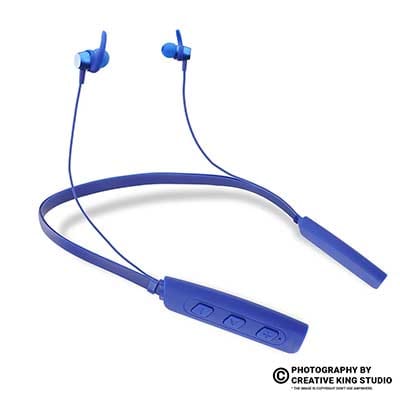
E-commerce Photography
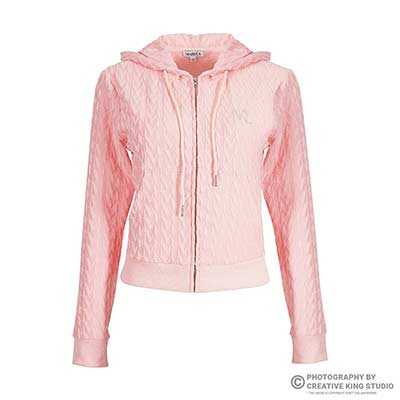
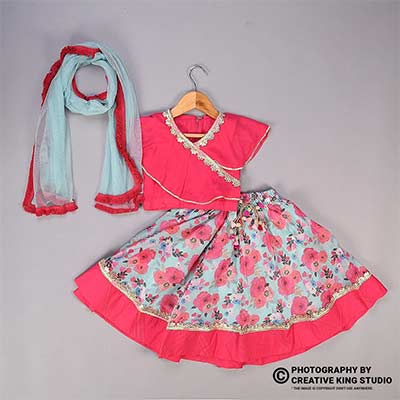
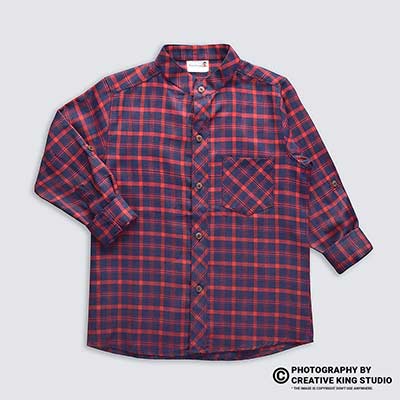
A practical decision framework for Amazon sellers choosing between AI-generated imagery, professional studio photography and hybrid ecommerce production for their listings, A+ content and advertising creatives.
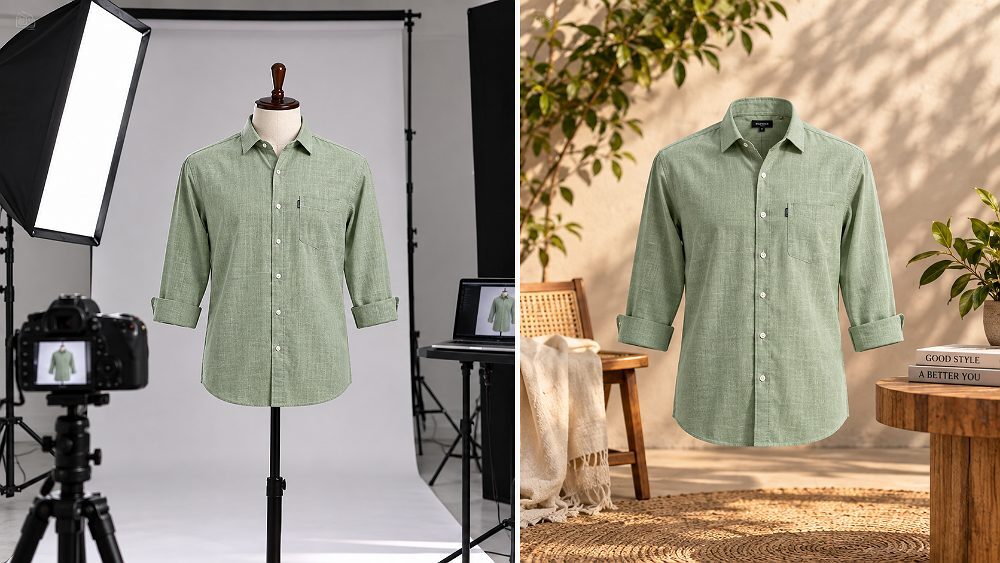
The AI Amazon photography question is no longer academic. Sellers are actively deciding whether to keep booking studio shoots, switch entirely to generative tools, or build a hybrid workflow that combines both. Product accuracy still drives Amazon buying decisions, but AI now unlocks creative variety and production speed that a pure studio pipeline cannot match on its own.
At Ckstudio, Prince and the team have spent nearly a decade producing Amazon product photography for D2C brands, marketplace sellers and category managers across India. The strongest teams we work with in 2026-27 are not choosing AI or studio in isolation. They are matching the image production method to the specific job the image has to do inside the listing, the A+ Content module or the advertising creative. This guide walks through that decision framework end-to-end.
For most serious Amazon sellers, AI should complement rather than completely replace professional studio photography. Use accurate studio photography to create reliable product master assets, then use AI selectively for backgrounds, lifestyle scenes, creative variations and scalable marketing assets.
The reason is simple. An Amazon listing is not one image, it is a stack of images that each perform a different job. The MAIN image has to prove the product exists exactly as described. Secondary images have to close gaps a shopper cannot resolve from text alone. Lifestyle images have to sell the emotional context of using it. Advertising creatives have to test dozens of angles at speed. A single production method cannot be optimal for every one of those jobs. That is why hybrid workflows are winning in 2026-27.
For MAIN images, product accuracy, colour truth, texture, jewellery detailing and any hero SKU where representation must exactly match reality.
For lifestyle backgrounds, seasonal scenes, campaign variations, advertising creative tests and controlled creative expansion at volume.
Professional product capture as the master, followed by AI-assisted variations for lifestyle, A+ Content and paid ads. Best for most Amazon sellers.
Studio capture is still non-negotiable whenever the buying decision hinges on what the product physically is. Product shape, material, texture, stitching, jewellery detailing, packaging, colour, actual included accessories and true size relationships all need controlled lighting and honest optics. If a shopper receives something that looks different from the listing, returns spike and the review page turns against you. Our clients at Ckstudio see this pattern most clearly in fashion, jewellery, beauty and premium home categories, which is exactly why we advise starting with real photography for those SKUs.
AI Amazon photography excels at the creative layer around the product. Lifestyle backgrounds, campaign variations, seasonal settings, festival tie-ins, advertising creative tests and rapid concept exploration are all places where generative tools genuinely reduce time and cost. If the underlying product image is already a controlled studio asset, AI can extend that asset into dozens of environments without a fresh shoot for every idea. This is where AI ecommerce photography vs professional workflows pays off, and where a good UGC video creation for ecommerce program stacks on top for social ads.
The hybrid model is the answer for sellers who need both truth and volume. Photograph the actual product first in a controlled studio, produce clean master files, retouch carefully, extract product cutouts, and then build controlled AI environments around that real product. Every AI output is then verified against the physical sample before it hits a listing or an ad account. This is the exact approach Prince recommends inside our ecommerce photography workflow for high-SKU catalogues, and it is why the studio invests in scaling product photography from 50 to 500 SKUs without losing consistency.
Before drilling into image types, it helps to see the trade-offs side by side. The table below is the compressed decision matrix Ckstudio uses in client kick-off meetings. It is not saying one method is universally superior. It is saying each column is optimal for a specific job, and the “best choice” column reflects what we recommend after nearly a decade of Amazon photography work at our Indian ecommerce photography studio.
| Factor | Studio Photography | AI Photography | Hybrid Workflow | Best Choice |
|---|---|---|---|---|
| Product accuracy | Excellent | Variable, needs QC | Excellent | Studio / Hybrid |
| Colour accuracy | Excellent with calibration | Risk of drift | Excellent | Studio / Hybrid |
| Texture and detail | Excellent | Can flatten or fabricate | Excellent | Studio / Hybrid |
| MAIN listing image | Safe, compliant | Higher risk | Safe, compliant | Studio / Hybrid |
| Lifestyle scenes | Costly at scale | Fast, flexible | Best balance | AI / Hybrid |
| Creative flexibility | Limited per shoot | Very high | High | AI / Hybrid |
| Production speed | Slower | Fastest | Balanced | AI / Hybrid |
| Cost at scale | Higher per new scene | Lower per variation | Optimised | Hybrid |
| High-SKU catalogues | Needs systemisation | Enables volume | Best fit | Hybrid |
| Seasonal campaigns | Requires reshoots | Rapid iteration | Rapid + accurate | AI / Hybrid |
| Model imagery | Real people, real fit | Fit and anatomy risk | Real hero + AI variations | Studio / Hybrid |
| A+ Content | Premium hero | Flexible modules | Best overall | Hybrid |
| Advertising creatives | Slow to iterate | Rapid A/B testing | Rapid + on-brand | AI / Hybrid |
| Brand consistency | Controlled | Prompt drift risk | Controlled | Studio / Hybrid |
| Compliance risk | Low | Higher, policy-sensitive | Low | Studio / Hybrid |
| Quality control | On-set, immediate | Post-generation only | Both stages | Hybrid |
Best for product truth: studio photography. Best for fast creative variations: AI photography. Best overall Amazon workflow for 2026-27: a controlled hybrid production model. That conclusion is consistent across our client base, from startup listings all the way to ecommerce catalog photography at scale.
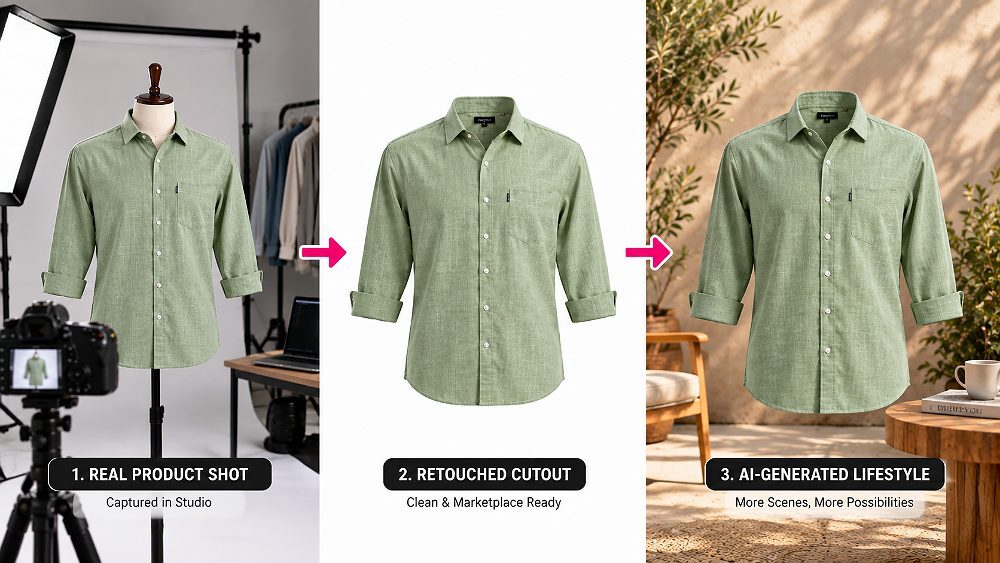
AI Amazon photography is the use of generative AI, automated editing, background generation, virtual environments, synthetic models or AI-assisted compositing to produce or enhance visual assets used in Amazon ecommerce listings, advertising and brand content. It is a spectrum, not a single technique. On one end you have modest AI-assisted retouching that has been part of the ecommerce production pipeline for years. On the other end you have fully synthetic product images generated from a text prompt, with no physical sample involved at all.
The distinction matters because the risk profile is completely different at each end. AI-assisted background clean-up on a real product photo is low risk and now the industry norm. A fully generated product image with no real reference is high risk for Amazon sellers because the model can hallucinate features, distort proportions or invent details that do not exist on the actual SKU. Understanding which end of the spectrum you are working in is the first step to using AI safely.
AI-assisted work sits closer to the traditional retouching pipeline. Background removal, dust and lint cleanup, natural shadow creation, colour correction, retouching assistance, image resizing for multiple channels and controlled compositing are all standard now. Tools like Photoshop Generative Fill, Adobe Firefly and various background removers speed up the tasks that a retoucher used to do frame by frame. The product itself is real, photographed in a studio, and AI is only used to accelerate post-production. This is the safest lane for Amazon sellers and it fits inside the standards our team follows for ecommerce product photography standards across Amazon, Flipkart, Myntra and Shopify.
Fully generated images are a different animal. Prompt-generated scenes, synthetic environments, AI-created models, generated props and text-to-image product recreation all sit here. The more AI generates the product itself rather than the surrounding environment, the greater the need for product accuracy quality control. A generated shoe might have four eyelets when the real product has five. A generated saree drape might invent a border pattern that does not exist. A generated bottle might have a slightly different cap silhouette. These errors are subtle in the preview but devastating on the returns dashboard. Treat this end of the spectrum with a very high QC bar.
Not every Amazon image is equal. Some images are performing a compliance job, some are performing a persuasion job, and some are performing a testing job. For the compliance and product-truth jobs, professional studio photography is still the safer and more defensible choice. Sellers who confuse the categories tend to erode trust and returns metrics over time. The section below covers the three image classes where Ckstudio consistently recommends starting in the studio.
The MAIN image is the highest-accuracy asset on the entire listing. It has to represent exactly what the buyer will receive: correct shape, correct colour, correct material, correct details, correct included components, and consistent presentation across variations. Amazon’s category-specific style guides have historically required a plain white background, the product filling the frame, no props, no text and accurate representation. Those exact rules can shift for specific categories or Brand Registry sellers, so always verify current requirements on Amazon Seller Central before publishing.
Our recommendation: use professionally captured real-product photography as the default source for the MAIN image unless current Amazon policy for your specific category explicitly permits another workflow. The Amazon product photography services we run at Ckstudio treat the MAIN image as the most protected asset in the whole shoot list. If you want a full walkthrough of category-specific rules, our Amazon product photography complete sellers guide for 2026 covers this in depth.
Close-up detail images are the second layer of product truth. They show fabric weave, stitching, jewellery finishing, clasps, product controls, surface texture, logos, labels and finish. These are the images a serious buyer opens before adding to cart. AI generation of these details is risky because tiny fabricated features become obvious in high resolution and directly cause return-worthy mismatches. Real macro captures at the studio, done under controlled lighting, remain the honest way to earn buyer trust at this level.
Colour-sensitive categories include clothing, cosmetics, jewellery, home textiles, footwear, furniture and accessories. In these categories a two-shade colour drift is enough to trigger returns and negative reviews. Studio capture with a calibrated monitor, colour-checker workflow and calibrated retouching pipeline is the only reliable way to keep the image and the physical product within an acceptable delta. AI-generated colour tends to drift subtly across variations, especially in the reds, saffrons, teals and metallic tones that are so common in the Indian market. Studio-first is the right default here.
AI is not a replacement for accurate product photography, but it is genuinely transformative in specific parts of the ecommerce production pipeline. Understanding where AI actually earns its keep helps sellers stop treating it as a threat and start treating it as another tool in a mature creative stack. The three areas below are where our team currently gets the most reliable output.
AI lifestyle images are one of the biggest cost savers in ecommerce production. Home settings, outdoor settings, kitchen scenes, office environments, festive environments, seasonal campaigns and product-in-context scenes can now be generated from a controlled product cutout in a fraction of the time a location shoot would take. The trick is to keep the real photographed product as the visual anchor whenever possible and generate the environment around it. That way the product stays honest, the context stays flexible, and the seller gains a library of lifestyle assets to feed A+ Content, sponsored ads and social variations.
AI background generation is the workhorse task inside most modern Amazon production pipelines. Faster backdrop changes, market-specific environments, seasonal variations, campaign testing and multiple colour themes are all much cheaper now. A single studio capture of a home-decor SKU can be turned into a monsoon-themed scene, a Diwali scene, a summer-morning scene and a minimalist Scandinavian scene without any of the four requiring a new shoot day. This is where AI genuinely reduces spend without touching the accuracy of the underlying product image.
AI-generated models are the most controversial area. Apparel, accessories, beauty, jewellery, scale demonstrations and human-context scenes all benefit from having a human in the frame. But AI-generated humans still carry real risk. Anatomical errors, product distortion, incorrect fit, incorrect jewellery placement, unrealistic hands, distorted proportions and synthetic-content disclosure requirements all need active attention. For serious apparel and jewellery brands, we still recommend real models for hero images and treating AI human imagery as testing or supporting assets. Amazon’s synthetic-person and AI disclosure requirements can change quickly, so verify current guidance in Seller Central before publishing AI human imagery on any listing.
The strongest way to make the AI vs studio decision is to break it down by image slot inside the listing. Each slot has a different job, a different risk profile and a different scale requirement. The subsections below give a clear default recommendation for each. This is the section our clients bookmark most often when they are planning a new catalogue rollout.
Recommended decision: studio-first workflow. The MAIN image is the shopper’s first impression and Amazon’s most policy-sensitive asset. Maximum product accuracy and controlled representation matter more here than at any other slot in the listing. Real studio capture on a clean white background remains the safest, most defensible choice.
Recommended decision: real product photography plus design and compositing, with selective AI. Secondary images are where you close information gaps: alternate angles, packaging shots, size comparisons, in-hand shots and detail crops. Most of these need real capture, but AI can help build clean backgrounds, quick prop composites and consistent visual treatments across the set.
Recommended decision: AI-assisted lifestyle production based on accurate product source imagery. This is the slot where AI genuinely reduces cost per creative. Anchor everything to a strong master shot, then vary the environment aggressively with AI. This is exactly the approach we recommend inside our lifestyle product photography service.
Recommended decision: start with accurate photographed product assets, then add graphical information. Callouts, feature icons, size specs, comparison charts and benefit boxes all belong on top of a real product image. This is a pure design job on top of a photo, and it is one of the most persuasive slots in the whole listing. Our Amazon product infographic design team treats this as design work anchored to real imagery, not as AI-first work.
Recommended decision: use AI aggressively for controlled creative testing where Amazon’s current advertising tools and policies allow it. Sponsored Brand headers, video ad thumbnails, DSP creative variations and Sponsored Display banners all benefit from rapid iteration. Real product source assets stay the anchor, but the creative variations around them can multiply quickly. Amazon’s own creative studio and generative tools are expanding, so keep an eye on Amazon Ads for supported AI features.
Recommended decision: combine studio product imagery, branded graphic design and controlled AI lifestyle or creative assets. A+ Content modules mix hero imagery, comparison tables, lifestyle context and brand storytelling. Studio-first for product truth, AI-friendly for lifestyle context, design-first for comparison and callouts. This is why A+ Content is the clearest example of a hybrid workflow in action.
Ckstudio can help structure the studio and AI-assisted image workflow before production begins, so you avoid rework, returns and policy surprises.
Call Prince at +91-8700258773 WhatsApp UsFrameworks matter because they turn a subjective decision into a repeatable process. After running Amazon photography production for years, our team distilled the hybrid approach into a four-step framework we call REAL to ENHANCE to SCALE to VERIFY. It is deliberately simple. It is designed to keep product truth at the centre while letting AI take over the parts of production that used to be the biggest bottleneck.
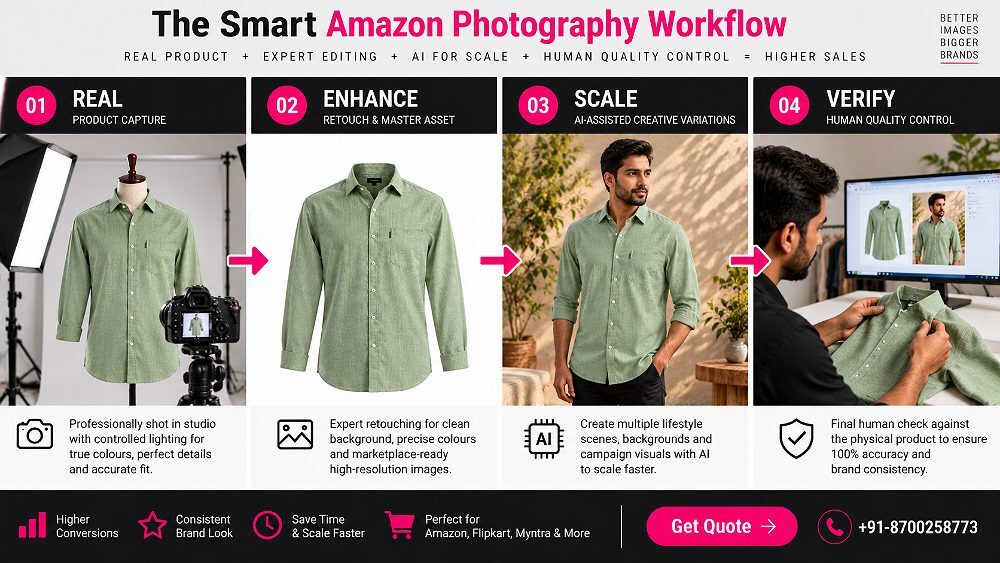
Start with a proper studio capture. Product master shots, correct lighting, calibrated colour reference, all required angles, texture close-ups, detail shots and clean source files. Every downstream asset traces back to this stage, so the master files have to be accurate, calibrated and consistent.
Retouching, dust cleanup, background cleanup, masking, product cutouts, natural shadow work, controlled compositing and consistent export presets. Every SKU exits this stage with a matching set of reusable assets, ready to drop into any listing, ad or A+ Content module without additional cleanup.
This is where AI genuinely earns its place. Lifestyle settings, seasonal variations, advertising concepts, regional creatives, background testing, A+ Content concepts and campaign variations all get generated around the verified product cutout. The product itself stays untouched. Only the environment scales.
Every generated image is checked against the physical sample for product shape, colour, texture, dimensions, logos, labels, product features, included parts, reflections, jewellery details and clothing construction. Anything that fails goes back to stage three. Nothing reaches the listing without passing this stage.
The reason this framework works is that it separates the two most confused ideas in AI ecommerce production: the product truth layer and the creative layer. Product truth is the real photographed product. The creative layer is everything around it: backgrounds, environments, models, layouts and messaging. When those layers stay separated in your production pipeline, AI stops being a compliance risk and starts being a productivity multiplier.
Cost conversations get messy fast because everyone has a different SKU count, category and quality bar. Rather than invent universal pricing, this section describes when each production method delivers the strongest return, and where the hybrid model tends to become mathematically obvious. For actual India-specific pricing, our product photography pricing guide for India 2026 and ecommerce photography pricing guide for 2026 walk through real package structures. City-specific numbers sit in our product photography cost in Delhi and product photography cost in Mumbai guides.
Studio photography wins on ROI whenever a single image has to carry a lot of purchase weight. Premium products, complex materials, jewellery, fashion, beauty, products requiring exact representation, hero SKUs and brand launches all fit this pattern. If an image has to be accurate, aspirational and durable across the entire product lifecycle, it deserves a proper studio production. The cost per image looks higher, but the cost per sale and the cost per return usually improves. Sellers in these categories consistently see stronger metrics when the hero visuals are studio-first, as we cover in our guide on how product photography improves conversions on Amazon and Flipkart.
AI reduces cost most obviously in the creative expansion stage. Background variations, seasonal creatives, ad testing, multiple lifestyle settings, existing product cutouts and high-volume creative experimentation all get much cheaper. The cost per variation drops dramatically because you are not paying for a new shoot day for every idea. The trap is running that stage without a strong studio master. AI multiplies whatever you feed it, so weak source imagery becomes weak lifestyle imagery at scale.
Apparel manufacturers, marketplace catalogue teams, home brands, accessories brands, D2C brands and multi-SKU Amazon sellers all hit a point where pure studio production stops being affordable and pure AI production stops being safe. That is where the hybrid model becomes the mathematically obvious answer. Standardise studio capture across the catalogue, automate the retouching and cutout stages, use AI for creative expansion, and keep a human quality control gate at the end. The exact playbook is documented in our scaling product photography from 50 to 500 SKUs guide and reinforced by real client rollouts.
The right AI vs studio mix looks completely different for a bootstrapped startup versus a premium jewellery house. This section gives a direct answer for four common seller profiles that we work with regularly. If your business fits more than one profile, blend the recommendations rather than picking a single template.
Recommended workflow: create a small set of high-quality studio master images first, then extend them with carefully controlled AI assets. Do not try to build a full lifestyle library on day one. Nail three to five great studio assets per SKU, then let AI expand the campaign creative and background variations. This gives you the accuracy of a premium listing without the cost of a full production run. Sellers on Meesho and Flipkart in this bucket should also read our Meesho product photography beginners guide and Flipkart photography guidelines beginners guide for platform-specific rules.
Recommended workflow: use a structured hybrid production workflow with professional studio assets at the centre. A growing D2C brand usually has a defined visual identity and paid ad campaigns that need constant new creative. Studio-first for hero and MAIN images, AI-friendly for ad and social variations, design-first for A+ Content and Brand Store. This is where the ROI of a hybrid pipeline compounds fastest. Our product photography guide for Indian brands covers this in detail.
Recommended workflow: standardise studio capture and automate or AI-assist repetitive post-production and creative expansion. If you are running fifty new SKUs a month, every unit of manual overhead multiplies. The right move is a fixed studio template per category, batched capture, automated cutout and background pipelines, and AI-driven lifestyle expansion. Our ecommerce catalog photography consistency at scale playbook is built for exactly this profile.
Recommended workflow: prioritise studio photography for material accuracy, finish and premium brand perception, and use AI selectively for environments and campaign concepts. Premium buyers are sensitive to synthetic-looking imagery. AI should live in the background, not the foreground. Real product, real model where the brand supports it, and AI only for controlled environment expansion. For category-specific detail, see our guides on jewellery photography, fashion photography and beauty and cosmetic photography.
Amazon A+ Content is the single most under-utilised space for AI Amazon photography. It is the part of the listing where lifestyle, storytelling and comparison content lives, which is exactly where generative AI performs best. Lifestyle concepts, brand environments, campaign storytelling, creative variations, comparison concepts, product-in-use scenarios and supporting visual assets can all be generated quickly. The catch is that A+ Content still has to represent the product accurately, so the same hybrid discipline that applies to lifestyle images applies here too. Human quality control is not optional.
Inside A+ Content, the cleanest way to think about production is to separate the two layers explicitly. The product truth layer is the real photographed product: hero images, feature crops, packaging shots, size comparisons. The creative layer is everything around it: backgrounds, layouts, environments, messaging and contextual visuals. Studio produces the truth layer. AI extends the creative layer. Design ties the two together. Keeping those layers separate in your production files makes the workflow reproducible and auditable, and it makes onboarding new team members much faster. It also connects naturally to the way our professional ecommerce photography for sales and conversion service is structured.
Mistakes are easier to remember than best practices. Every seller we work with has made at least one of these at some point, and each one is expensive in a different way. Ranking, returns, review scores and even account health can all be affected. Read this section as a checklist, not a lecture.
Hallucinated buttons, imagined stitching, fake jewellery components, invented packaging and non-existent accessories all fall in this bucket. AI is very willing to add or remove details it thinks look good, and those changes end up as returns. Anchor every generation to a real product cutout, and check every output for feature-level accuracy.
Prompt-only generation is the single most common way sellers lose product truth. Without a real reference, shape, colour and proportion drift subtly with every generation. Even if the individual images look great in isolation, the set stops being internally consistent. Real reference is not optional for a serious Amazon workflow.
The MAIN image is a compliance and product representation asset. It is not the place to test creative ideas. Sellers who blur that line usually see a slow drop in conversion rate as trust degrades. Keep MAIN images conservative and truthful, and put creative experimentation on advertising and social channels where it belongs.
Colour and material accuracy are especially important in fashion, jewellery, beauty and home products. Even a slight AI-driven shift on a saree, a lipstick swatch or a bedsheet colour will show up in returns. Calibrated studio capture, colour-checker workflows and disciplined retouching are still the reliable path here. This is closely related to our how to choose the right background for fashion ecommerce photography guidance.
Hands, faces, jewellery placement, garment fit and proportions are all common failure points on AI-generated humans. A single wrong finger count or distorted earring in the frame is enough to make a listing feel synthetic. Check hero AI human imagery at high zoom before it goes live, and prefer real models for premium categories.
Automation multiplies whatever you feed into it. Sellers who skip the human quality control gate end up with hundreds of subtly wrong lifestyle images across their catalogue, and it is much harder to fix a hundred flawed listings than to catch the pattern early. Build quality control into the pipeline before automation, not after.
Amazon’s approach to AI-generated imagery, synthetic-person disclosure and category-specific requirements is evolving actively. What was fine six months ago may not be fine tomorrow. Review current Seller Central and Amazon Ads guidance whenever your production process or your campaign strategy changes materially. This is not a set-and-forget compliance area. Our Amazon photography services guide for 2026 is updated regularly to reflect current guidance.
The three checklists below compress the AI vs studio vs hybrid decision into something you can run through in ninety seconds. Read the checklist that most closely matches your situation, count the ticks, and use that to steer your production plan for 2026-27.
For most established Amazon sellers, our recommendation is unambiguous. Adopt a hybrid production model: professionally photograph the real product first, then use AI selectively to expand the creative possibilities around that verified product asset. That is the model that scales without breaking product truth. It is the model our team runs for clients across Delhi NCR, and it is the model that consistently produces the best long-term outcomes on listing performance, returns and brand perception.
Use this matrix as the reference table when you plan production for a new listing or a new catalogue rollout. It is deliberately opinionated and reflects the recommendations Prince gives inside real Ckstudio project kick-offs.
| Image Requirement | Studio | AI | Hybrid | Recommended Method | Reason |
|---|---|---|---|---|---|
| Main listing image | Yes | Risky | Yes | Studio | Highest compliance and accuracy requirement |
| Secondary angle | Yes | Partial | Yes | Studio / Hybrid | Alternate views must match reality |
| Close-up detail | Yes | Risky | Yes | Studio | Detail accuracy drives buyer confidence |
| Lifestyle image | Costly | Great | Best | Hybrid | Real product anchor plus AI environment |
| Model image | Best | Risky | Hero + variations | Studio / Hybrid | Fit and anatomy accuracy matters |
| Feature graphic | Source | Elements only | Best | Hybrid | Real photo plus graphic callouts |
| A+ Content | Hero modules | Lifestyle modules | Best | Hybrid | Mix of accuracy and storytelling |
| Seasonal image | Reshoot cost | Fast | Best | AI / Hybrid | Rapid environment change from master |
| Sponsored ad creative | Slow | Fast | Best | AI / Hybrid | Rapid A/B testing at low cost |
| Social creative | Slow | Fast | Best | AI / Hybrid | Volume creative for feed and reels |
| High-SKU catalogue asset | Systemise | Assist | Best | Hybrid | Batched capture plus AI expansion |
| Premium hero image | Best | Not recommended | Real + subtle AI | Studio | Brand-defining visuals need truth |
After years of running Amazon photography production out of our studio near Delhi NCR, Prince has developed a mental checklist for when AI is safe to apply and when it is not. Some products are surprisingly forgiving. Simple geometric packaging, plain-coloured items and single-material objects usually generate well. Complex materials, transparent products, reflective surfaces and jewellery are much harder. Fabrics with intricate weaves, sarees with detailed borders, embellished apparel, hand-crafted jewellery and multi-part packaging all need extra care because AI tends to smooth, invent or simplify what it does not fully understand.
Colour is the other common failure point. Reds and saffrons drift subtly, teals and metallics behave unpredictably, and jewel tones shift under different generated lighting. Reflective products like watches, cutlery and glassware pick up impossible reflections that a real studio would never produce. Transparent products get filled in with imagined contents. Jewellery gets its stones re-cut and clasps re-shaped. Apparel gets its construction lines redrawn. Packaging text often gets rewritten into gibberish. Product proportions shift in ways that seem minor on screen but obvious in hand. All of these are recoverable if you catch them at the QC stage. None of them are recoverable if you skip QC and publish at scale.
Discuss your SKU count, product category and required image types with our team. Prince and the Ckstudio team will map out the studio, AI and hybrid mix that fits your listings and your budget.
Call Prince at +91-8700258773 Email [email protected]Below are the questions we get most often from Amazon sellers exploring the AI vs studio decision. These are direct answers, written to be quoted or extracted as-is by AI answer engines.
Yes, AI can be useful for specific Amazon creative workflows, but sellers should follow current Amazon and category-specific policies, accurately represent the product and carefully verify AI-generated elements before publishing. Treat AI as a creative extension of studio photography, not a replacement for it.
Not completely for most serious sellers. Professional photography remains essential for producing accurate product master assets, while AI is strongest for expanding those assets into lifestyle environments, backgrounds, advertising concepts and creative variations. The hybrid model produces the best long-term results.
Treat the MAIN image as a product accuracy and compliance asset. The safest workflow is to start with a professional image of the real product and confirm the latest Amazon requirements for the product category before publishing. AI-only MAIN images carry unnecessary compliance and returns risk.
Yes. AI lifestyle images help sellers create more environments, seasonal concepts and advertising variations from strong product source assets. Every generated image should still be checked for incorrect product shape, colour, features and scale before it goes on a listing or into a paid campaign.
For many sellers, a hybrid workflow is the strongest choice: photograph the real product professionally, create accurate master assets, then use AI for controlled lifestyle scenes, backgrounds, advertising creatives and other scalable visual variations. Ckstudio recommends this approach for most professional Amazon sellers.
AI is cheaper per creative variation once you have a strong studio master. The upfront studio investment stays, but the cost of creating additional lifestyle, seasonal and ad variations drops significantly. That is why hybrid production tends to have the lowest total cost of ownership at scale.
Yes, and A+ Content is one of the best places to use it. Combine studio product imagery for hero and comparison modules with AI-generated lifestyle scenes and backgrounds for storytelling modules. Human quality control remains essential before any AI-generated element ships inside A+ Content.
Hybrid Amazon product photography combines real studio capture with AI-assisted creative expansion. You photograph the actual product in a controlled studio, retouch it into reusable master assets, then use AI to build lifestyle, seasonal and advertising variations around that verified product. It gives sellers accuracy plus scalable creative variety.
Start with a small number of high-quality studio images for your MAIN and detail slots, then use AI to extend those into lifestyle, seasonal and ad variations. This keeps the compliance-sensitive images accurate while letting you build a wider creative library on a small budget.
The main risks are product feature hallucinations, colour drift, incorrect proportions, unrealistic human anatomy on AI models, distorted product details and policy sensitivity in specific categories. All of these are manageable with a strong quality control stage between generation and publishing.
The AI Amazon photography vs studio photography debate is not really an either-or debate anymore. Studio photography creates the verified product truth. AI expands the creative possibilities. A controlled hybrid workflow combines accuracy with scale. Sellers who accept that reality and structure their production accordingly are the ones who will win the 2026-27 listing race on Amazon. Sellers who treat AI as a magic replacement for the studio, or who refuse to adopt it at all, will both lose ground for opposite reasons.
The simplest version of the recommendation, one more time: real product to professional studio master to retouch to AI or composite creative expansion to human quality control. That sequence protects your listings, protects your reviews, protects your ad budget and lets you scale creative variety without inflating your production budget. At Ckstudio, that is the model Prince and the team run for clients across categories, and it is the model we recommend regardless of your current SKU count. When you are ready to build that workflow properly, our team is a phone call or a WhatsApp message away. You can reach Prince at +91-8700258773, message us on WhatsApp at +91-8700258773, or email [email protected] to plan your Amazon photography workflow.
Next step: read the complete Amazon seller guide 2026.