
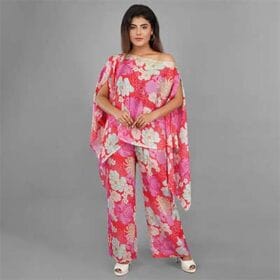
Fashion Photography Services
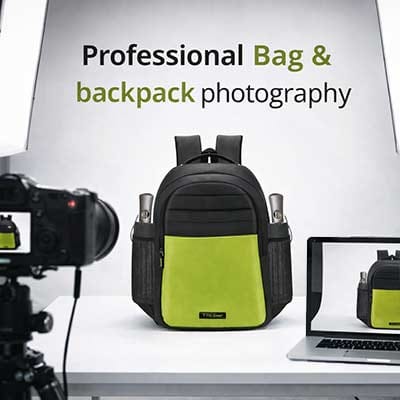

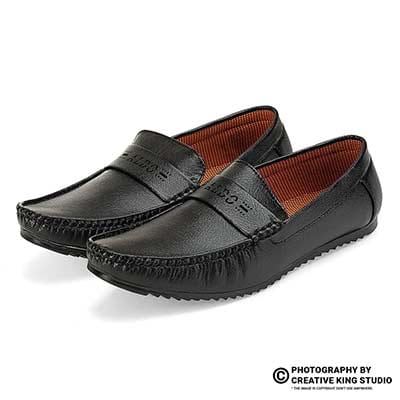

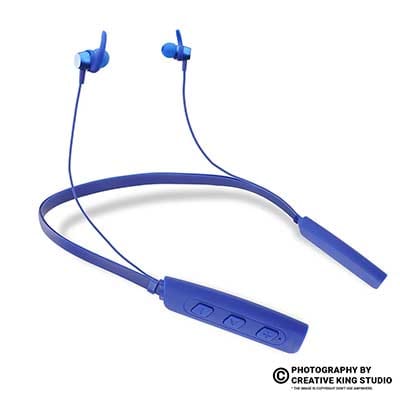
E-commerce Photography
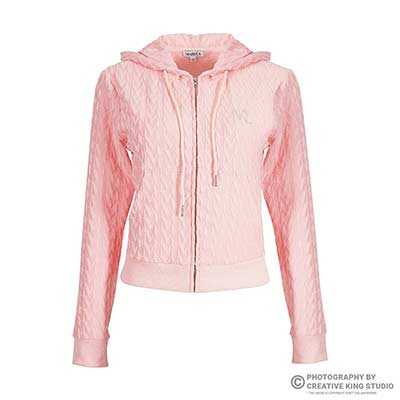
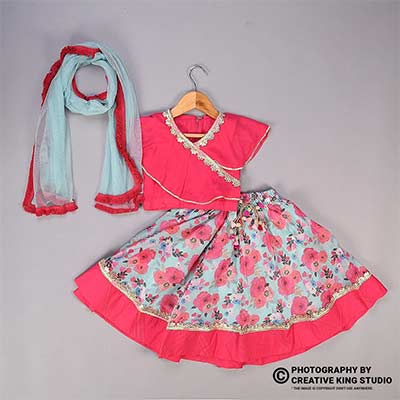
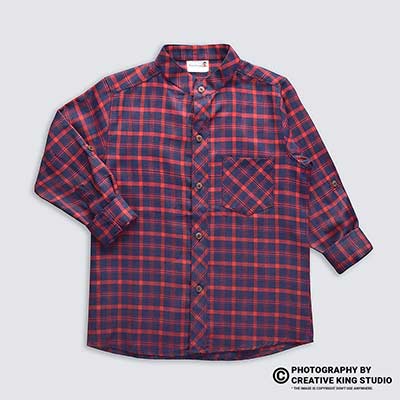
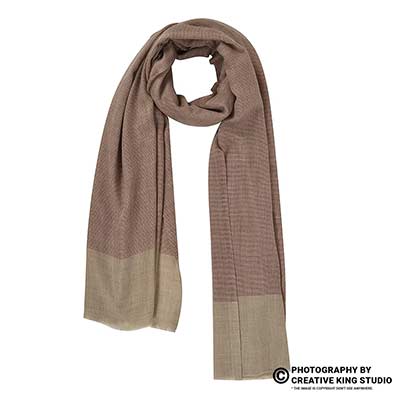
A practical, India-focused pillar guide from the Ckstudio production floor — for new Amazon sellers, marketplace managers and D2C brands.
Amazon product photography in 2026 is no longer just about a clean white background — it is a full visual sales system that decides whether a shopper clicks, adds to cart or scrolls past your listing. This guide covers Amazon image requirements, a complete listing shot list, technical export settings, Amazon photoshoot charges in India, professional Amazon product photography services in Delhi, common mistakes that trigger listing suppression, and the conversion best practices we use at Ckstudio every day. Whether you are a new seller uploading your first ASIN or a catalogue manager refreshing 500 SKUs, this is the practical playbook we build for our own clients.

Amazon product photography requires clear, accurate images that comply with Amazon’s technical and main-image standards. The main image should display the actual product against pure white, fill at least 85% of the frame and avoid promotional text, graphics or watermarks. Images should be large enough to support Amazon zoom (1000+ pixels on the longest side), while secondary images can demonstrate different angles, features, scale, use cases and lifestyle context.
Before you plan a single shoot, understand what Amazon actually demands. Amazon product photography requirements sit at the intersection of two things — technical file specifications and main-image presentation rules. Getting either wrong can trigger listing suppression, hurt your Best Seller Rank, or quietly kill your conversion rate. At Ckstudio, before we press a single shutter, we run every SKU brief against the current Amazon Seller Central India image requirements so nothing gets flagged after upload.
Amazon image requirements have tightened steadily since 2023, and 2026 continues that pattern with stricter zoom expectations, better mobile clarity and more granular category style guides. Sellers who treat these rules as guidelines rather than laws end up rebuilding entire catalogues.
Amazon accepts product images with a minimum of 500 pixels on the longest side, but the practical minimum for a competitive listing is 1,000 pixels — that is the threshold at which Amazon activates its zoom feature. Zoom directly influences buyer confidence, and listings without zoom feel visibly cheaper on both desktop and mobile.
For professional ecommerce photography, we shoot masters at much higher resolution and downscale on export. The current sweet spot is production files between 2,000 and 3,000 pixels on the longest side, saved as high-quality JPEG in sRGB. Amazon also supports TIFF and PNG for certain flows, but JPEG remains the safest default across mobile app and desktop. Keep sharpening restrained, avoid pixelation from over-scaling, and follow a consistent file-naming convention like ASIN-01.jpg through ASIN-07.jpg. Category-specific requirements — apparel, jewellery, food packaging — still override these defaults, so always cross-check the relevant style guide.
For deeper technical settings, our ecommerce image optimization guide breaks down colour space, compression and export presets in more detail.
The main image is the single most important asset in your listing. It is the thumbnail on the search results page, and it competes with dozens of other main images side by side. Amazon’s rules for it are strict and non-negotiable.
Your main image must show the actual product being sold against a pure white background — RGB 255, 255, 255 or hex #FFFFFF. The product must fill at least 85% of the frame, be sharp, be properly exposed and reflect true colour. Prohibited elements include promotional text, graphics, borders, watermarks, unrelated props, mannequin faces on many apparel categories, and accessories that are not included in the sale. Any of these can trigger automatic suppression through Amazon’s image scanning systems.

We see rejection patterns almost every week on new client onboarding — usually caused by faint background gradients, drop shadows that aren’t truly white, or accidental inclusion of price stickers. Our Amazon product photography services include a compliance QC pass before every delivery, and our complete Amazon seller’s guide shows real before-and-after examples of images that failed compliance.
Once the main image is compliant, secondary images give you real creative freedom. This is where most Amazon conversions are actually won or lost. Additional images can include different angles, macro detail shots, product-in-use photographs, lifestyle contexts, feature demonstrations, scale references, packaging shots and infographic-style callouts explaining benefits.
Category still matters — apparel needs on-model or ghost mannequin views, electronics benefit from port and interface close-ups, and beauty demands ingredient or texture shots. Read our comparison of ecommerce product photography standards across Amazon, Flipkart, Myntra and Shopify to see how these differ platform by platform.
Amazon publishes category-specific style guides that override the general defaults. Apparel has rules about ghost mannequin usage and colour swatches, jewellery requires macro clarity and consistent scale, beauty needs ingredient legibility, electronics wants clear input/output visibility, footwear expects specific angles, and grocery/food packaging demands nutrition-panel legibility.
Before every large catalogue project, we log into Amazon Seller Central, open the seller’s specific category style guide, and screenshot the current rules — because they change without public notice. This one habit prevents most Amazon photography rejections.
The Amazon product photography shot list is the single most useful document you can build before a shoot. It transforms photography from a creative exercise into a predictable production system. A structured seven-image list — plus optional variants — covers every question a shopper might ask before adding to cart. Every listing image should have a specific job. If it doesn’t, cut it.

This is your storefront. Shoot the strongest selling angle — usually front-facing or the angle that best communicates what the product actually is. Use pure white, accurate colour and maximum sharpness. Avoid dramatic reflections or aggressive shadows. For Amazon main image photography, we prefer a slightly elevated 5–10 degree tilt for products that benefit from dimensional depth.
Give shoppers the rear, side, three-quarter or top view — whatever the product’s core geometry demands. For apparel this might be a back view. For skincare, the back-label ingredient side. For electronics, port visibility. This image quietly answers the question “what does this actually look like from the other side?”
Show texture, stitching, buttons, materials, finish quality, engravings or construction details. This is trust-building imagery. A close-up separates a premium product from a knock-off in the shopper’s mind — and it drastically reduces post-purchase disappointment and return rates.
Use secondary image space to visually explain a top benefit. This can be a light infographic overlay, an exploded view or a labelled callout image. Amazon allows text and graphics on secondary images — use that freedom wisely. Focus on the one benefit that separates you from the competition.
Place the product in its real-world context — a kitchen counter for a blender, a vanity for skincare, a lookbook environment for apparel. Lifestyle imagery bridges imagination and purchase. Model photography for fashion, homeware and beauty categories consistently outperforms studio-only listings on click-through.
Buyers repeatedly complain about products being “smaller than expected” — the shot they wanted was a dimensions image. Show the product beside a reference object, on a hand, next to a labelled ruler diagram, or in a stepwise how-to composite. This image directly reduces size-related returns.
Show every component the buyer receives — the box, the manuals, the accessories, the pouch, the freebie. This image handles the final buyer objection: “am I actually getting what I think I’m getting?” It builds trust for gifting purchases and premium categories.
Amazon allows up to nine images plus a main image and a video slot. Use the additional slots when the product is complex, when apparel variants need multiple on-model views, when premium categories need mood-driven storytelling, or when assembly and use demonstrations genuinely help the buyer. For sellers scaling large catalogues, our guide to scaling product photography from 50 to 500 SKUs covers repeatable frameworks. Complementing your image set with an Amazon product video or A+ content module lifts conversion further.
Even sellers who understand Amazon image requirements still see main images rejected — because compliance is a photography problem before it is a policy problem. If the lighting, framing or retouching is off, the image will fail either Amazon’s automated review or the human eye of a shopper who scrolls past it.
Studio lighting is the difference between an e commerce image that looks retail-grade and one that looks like a phone snapshot. At Ckstudio, we shoot Amazon main image photography with soft, controlled sources — typically two large softboxes for even fill, one accent light for dimension and a reflector for shadow control. This produces a neutral white background, natural highlights on the product, and colour that matches what the buyer will actually receive. Poor lighting is the number one reason white backgrounds turn out grey after export.

The 85% product-fill rule is often misunderstood. It doesn’t mean crop tight — it means the product should occupy the majority of the visible frame without clipping. Leave a small breathing margin, keep the product horizontally and vertically balanced, and avoid awkward orientation. Products floating in a sea of white look small on mobile search results and lose the click.
Retouching should elevate the product without lying about it. Clean up dust, stray threads, background imperfections, mild reflections and minor blemishes. Do not smooth away textures that would appear in the actual product, do not over-saturate colours beyond reality, and do not composite features that don’t exist. The line between professional finishing and misrepresentation is where returns and negative reviews live. Our approach mirrors the principles in our post on real photography vs AI-generated product images — accuracy always wins over embellishment.
The Amazon product image size question comes up in every seller consultation. The short answer: bigger master files, smart exports. Amazon accepts images between 500 pixels and 10,000 pixels on the longest side, and zoom activates at 1,000 pixels. The professional answer is to shoot masters far above those minimums so you can repurpose the same asset across Amazon, Flipkart, Myntra, your own D2C site, and paid ads.
Our practical workflow at Ckstudio for every SKU: shoot RAW at maximum resolution, edit non-destructively in the master file, then export marketplace-ready JPEGs. We keep master files at 2,500–3,000 pixels on the longest side in sRGB colour space, then export listing-ready versions at either 2,000 pixels or 2,500 pixels JPEG quality 82–90. This delivers sharp zoom on both desktop and mobile without inflating file weight to the point where the mobile app compresses badly.
The single most important export setting is colour space — always sRGB for marketplace uploads. Adobe RGB or ProPhoto files often display with slightly muted colour on Amazon’s rendering pipeline. Keep master files archived; you’ll thank yourself in six months when you need to repurpose them for a new campaign. Our full ecommerce photography workflow post explains this pipeline end-to-end.
| Requirement | Amazon Guidance | Ckstudio Production Target | Why It Matters |
|---|---|---|---|
| Longest-side minimum | 500 pixels | 2,000+ pixels | Enables sharp mobile display |
| Zoom threshold | 1,000 pixels | 2,500 pixels standard | Zoom lifts buyer confidence and conversion |
| Maximum dimension | 10,000 pixels | Master file 3,000 pixels | Reusable for A+ content and ads |
| Main image background | Pure white RGB 255,255,255 | Verified with eyedropper QC | Prevents automatic suppression |
| Product frame coverage | Minimum 85% | 85–90% for most SKUs | Improves search thumbnail visibility |
| Preferred format | JPEG, TIFF, PNG, GIF | JPEG quality 82–90 sRGB | Best compatibility across mobile app |
| Image sharpness | Professional quality | Studio lighting + tripod | Reduces zoom-time buyer doubt |
| Colour accuracy | Accurate representation | Calibrated monitor + colour target | Cuts colour-based return rate |
Cross-check the ecommerce image dimensions in our how many ecommerce product photos per listing guide before finalising your shoot brief.
Amazon photoshoot charges in India vary dramatically depending on category, styling and volume, but the pricing landscape is more transparent than it was two years ago. Understanding what drives the cost helps you budget realistically — and helps you know when a quote is fair, overpriced or too cheap to trust. At Ckstudio, we structure quotes around real production time, not arbitrary per-image rates that ignore the actual complexity of the SKU.
The cost of professional Amazon product photography is driven by a predictable list of factors:
For city-specific benchmarks, see our detailed guides on product photography cost in Delhi, Mumbai pricing, and the national product photography pricing India 2026 report.
Below is an indicative pricing framework we share with Ckstudio clients. Actual quotes vary by category and requirements, so call Prince at +91-8700258773 or WhatsApp us on +91-8700258773 for a firm number on your specific catalogue.
| Package | Best For | Images/SKU | Editing | Lifestyle | Turnaround | Indicative Price | CTA |
|---|---|---|---|---|---|---|---|
| Basic | New Amazon sellers | 3–4 images | Standard cleanup | No | Standard 5–7 days | Entry-level ₹ per image | Get Quote |
| Standard | Growing ecommerce brands | 5–7 images | Advanced editing | Optional | Priority 3–5 days | Mid-range custom quote | Get Quote |
| Premium | Conversion-focused brands | 7+ images + video | Premium retouching | Available | Priority 3–5 days | Premium custom quote | Book Shoot |
| Enterprise | Large catalogues & agencies | Custom shot list | Batch retouching | Optional | Custom SLA | Volume pricing | Request Proposal |
Pricing varies by product type, SKU volume, styling, model requirements and retouching complexity. Request a final quotation from Ckstudio for your specific catalogue. All prices in Indian Rupees (₹).
Per-image pricing works when you have a small, straightforward catalogue and want budget clarity. Per-SKU packages work better for growing brands because they align photography output with your listing structure — one SKU gets one complete shot list, one video slot, one A+ content module. Per-SKU pricing also encourages photographers to build a proper visual sales system per product, not just tick off image counts. Our ecommerce photography pricing guide 2026 breaks down when each model makes sense.
Every seller asks this question at some point: should I shoot my own Amazon product images or hire a professional studio? The honest answer is it depends on the stage and scale of your business. Below is how we help clients decide.
DIY works when you have a small catalogue of simple, non-reflective products, a controlled lighting environment (a well-lit table by a window or a basic softbox kit), some technical patience, and limited launch budget. Sellers testing a new SKU idea or listing under ten products for validation can absolutely start with DIY. Our product photography tips for ecommerce post is a good starting point for beginners.
Hire a professional studio when SKU counts cross fifty, when products are reflective or transparent (glassware, jewellery, watches), when apparel needs on-model or ghost mannequin production, when colour accuracy affects returns (beauty, home decor), when lifestyle imagery is central to the brand, when catalogue consistency across hundreds of SKUs matters, when turnaround has to be predictable, and when marketplace compliance is business-critical.
The tipping point is usually around SKU 30 — that’s when the hidden cost of DIY (rework, inconsistency, opportunity cost, and the buying cycles you lose while shooting) exceeds the cost of professional ecommerce photography services. Our own case studies and portfolio at Ckstudio’s portfolio page show what a professional shoot delivers versus in-house attempts. For a nuanced comparison of studio-grade production versus emerging AI generation, our post on AI Amazon photography vs studio photography is essential reading.
The best Amazon photography looks effortless, but it rides on a strict production workflow. Here’s the exact process our team follows at the Ckstudio Delhi NCR studio for every marketplace client — the same workflow we use whether we’re shooting three SKUs or three hundred.

We collect product samples, category information, Amazon listing goals, competitor listings, target audience, colour references and any pending category style guide notes. This front-end brief prevents 90% of post-shoot revision requests.
Every SKU gets a defined shot list — main image, alternative angle, detail, feature, lifestyle, scale and packaging. For large catalogues we standardise the list per category to keep the visual identity consistent across the storefront.
Products are cleaned, steamed (for apparel), dust-blown, styled and prepared for the camera. Prep quality directly determines how much retouching time is needed downstream. A 15-minute prep saves an hour of Photoshop work.
Studio lights are set for the specific product category — softboxes for even fill on packaging, focused sources for jewellery, mixed lighting for apparel. Every shot is tethered to a calibrated monitor so we catch issues live rather than in editing.
Backgrounds are cleaned to pure white, colour is corrected against real product samples, dust and imperfections are removed and shadows are refined. Batch retouching workflows keep the catalogue visually consistent across every SKU.
Files are exported at listing-ready dimensions, checked against Amazon image requirements (background, framing, resolution, file format), named according to ASIN conventions and delivered to the seller with an upload-ready checklist. Compliance is verified before we send the delivery.
Sellers who want to see this pipeline in more depth can read our behind-the-scenes look at product photography or the wider product photography guide for Indian brands.
These are the ten most common Amazon product photography mistakes we see on client audits — many of them silently killing conversion long before Amazon flags them officially.
For more on how better imagery reduces returns and lifts trust, read our post on reducing returns with better product images and how product photography improves conversions.
Rules and requirements are the floor. Best practices are what push a compliant listing into a top-performing listing. These are the habits we apply on every Ckstudio Amazon shoot.
A shopper spends roughly one second on your search-result thumbnail. If they can’t identify the product at a glance — what it is, what colour, what scale — you have lost the click. Choose the angle that most clearly communicates the product’s identity, not the angle that looks most artistic. Instant recognition beats visual sophistication on Amazon.
Before shooting, list the top eight questions a buyer would ask before purchase. Then assign each question to a secondary image. This turns your image gallery into a systematic objection-handler. When the shopper scrolls through your gallery, every image should answer a question rather than repeat information.
Buyers cannot touch the product. Photography is the only sensory input they have. Detail shots for texture, scale references for size, and macro imagery for finish quality collectively substitute for physical inspection. Listings that skip these details punch below their price bracket.

Storefront consistency is a silent brand signal. When every product in your catalogue has matching lighting, backgrounds, colour treatment and framing, the store reads as premium and trustworthy. Our post on ecommerce catalog photography consistency at scale covers the systems we use to maintain this across hundreds of SKUs.
More than 70% of Amazon India shoppers now buy on mobile. Design listing images to work at thumbnail size first, then desktop second. Text on secondary images should be legible on a 375-pixel-wide screen. Products should be identifiable when the image is 200 pixels tall. Mobile-first framing is the single easiest optimisation most sellers ignore.
From the Ckstudio Production Floor: When we onboard a new marketplace client, the first fix is almost never a new shoot — it is a re-crop and colour correction of their existing main image. Framing changes alone can lift click-through meaningfully before we shoot a single new SKU. — Prince, Founder Ckstudio
Run every SKU through this checklist before hitting upload. It takes two minutes and prevents both listing suppression and quiet conversion loss.
Ckstudio is a Delhi NCR-based product and ecommerce photography studio built specifically for marketplace sellers, D2C brands and catalogue-heavy ecommerce businesses. Our Amazon product photography services cover the complete listing — main white-background hero images, alternative angles, close-up detail shots, feature and infographic-style secondary images, lifestyle photography, model shoots for fashion and beauty categories, and marketplace-ready retouching with strict Amazon compliance QC. We have shot over 50,000 products for 500+ Indian brands and have a repeatable production system for scaling from a single SKU to a 500-SKU catalogue refresh.
Our team works daily with Amazon, Flipkart and Myntra sellers across categories — apparel, jewellery, footwear, beauty, home decor, electronics accessories, kitchenware and FMCG. Every delivery includes marketplace-ready exports, an upload checklist and a compliance review. Whether you need a single hero image or a full quarterly catalogue refresh, Prince and the Ckstudio team can quote and schedule your shoot. Call us at +91-8700258773, WhatsApp +91-8700258773 or email [email protected].
Send Prince your product category, SKU count and required images per product. We’ll respond with a firm quote, a shot list and a production schedule within one working day.
Our Amazon photography services are designed for new sellers launching their first ASINs, D2C brands scaling to marketplaces, manufacturers moving from B2B to B2C, marketplace agencies managing multiple client catalogues, catalogue managers refreshing seasonal collections, and fashion, jewellery, beauty and home & lifestyle brands where visual quality directly influences conversion. If you’re comparing agencies, our post on how to choose the best ecommerce photography company and how to choose the best studio in Delhi NCR are worth reading first.
To get an accurate Amazon photoshoot quote from Ckstudio, share these details up front:
New sellers can also benefit from our related Flipkart photography guidelines, Meesho beginners guide and Ajio seller image guidelines. For sellers building a full ecommerce visual strategy, our complete 2026 ecommerce photography services guide is the umbrella resource.
Amazon product images should accurately represent the item, be sharp and professionally presented. The main image should use a pure white background (RGB 255,255,255), show the actual product and fill at least 85% of the frame without promotional text, graphics or watermarks. Secondary images can include lifestyle scenes, close-ups, feature graphics and scale references — subject to category-specific style guides in Amazon Seller Central.
Amazon accepts images from 500 pixels on the longest side, while images of at least 1,000 pixels support zoom. For professional listings, create high-resolution master images at 2,500–3,000 pixels and export marketplace-ready JPEGs at 2,000+ pixels in sRGB colour space. This keeps zoom sharp on mobile and desktop while giving you flexibility to reuse the same asset on Flipkart, Myntra and D2C sites.
Amazon requires at least one product image, but a strong listing plans a complete seven-image shot list — main image, alternative angle, close-up detail, feature image, lifestyle image, scale image and packaging or what’s-in-the-box image. Amazon allows up to nine images plus a video slot, and complex or premium categories should use the full allowance.
Amazon photoshoot charges in India depend on product type, SKU quantity, images per product, styling, retouching, models and lifestyle requirements. Basic white-background product photography costs less than complex jewellery, fashion or lifestyle production. For firm pricing on your specific catalogue, request a quote from Ckstudio at +91-8700258773 or [email protected].
Amazon requires a pure white background (RGB 255,255,255) for the main image only. Secondary images can use lifestyle contexts, coloured backgrounds, infographic overlays and creative styling. The white-background rule is strict for the main image because it standardises the search results grid and prevents visual clutter across the marketplace.
No. Amazon main images cannot contain promotional text, price stickers, “Best Seller” badges, watermarks, brand logos as overlays, coloured borders or graphic embellishments. Text and graphics are only permitted on secondary images, where they can be used to explain features, dimensions and benefits.
Ckstudio provides professional Amazon product photography in Delhi NCR for ecommerce sellers, brands, manufacturers and agencies. Services include white-background product images, detail and close-up shots, lifestyle photography, model photography, retouching and marketplace-ready exports for Amazon, Flipkart and Myntra. Contact Prince at +91-8700258773 or WhatsApp +91-8700258773 to book your Amazon shoot.
Next step: read the complete Amazon seller guide 2026.