Fashion Photography Services
E-commerce Photography
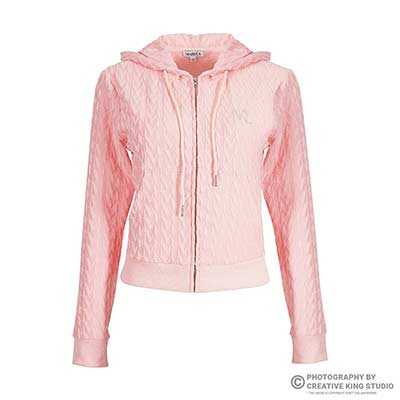
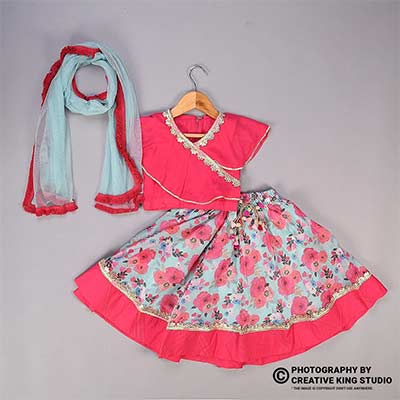
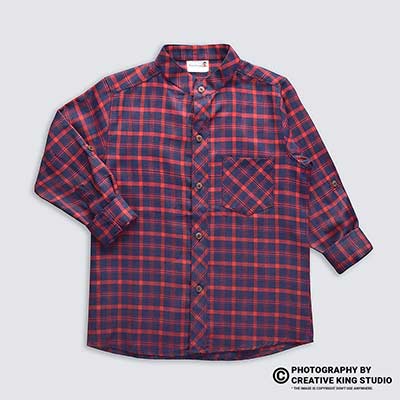
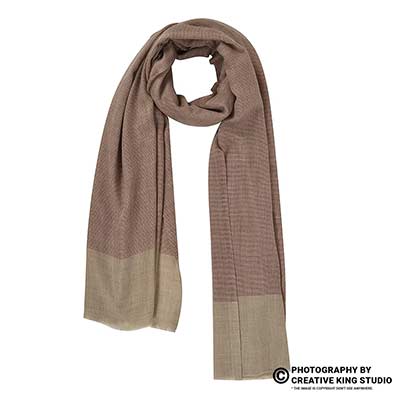
Delhi NCR’s most detailed marketplace-compliant ghost mannequin photography playbook — dimensions, pricing, common rejection reasons and Ckstudio’s field-tested workflow for Amazon, Myntra and Flipkart sellers across India.
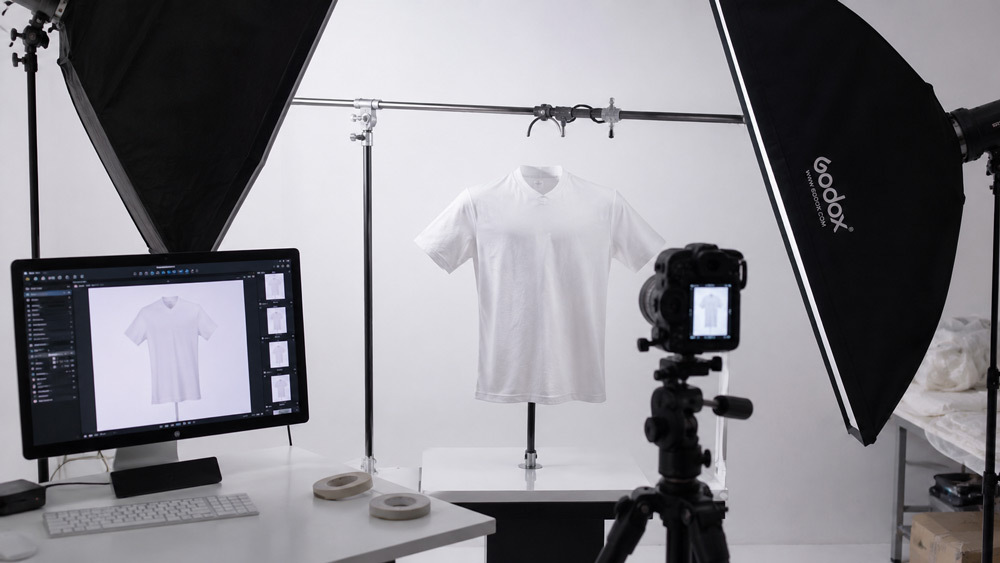
Ghost mannequin photography for ecommerce has quietly become the single most powerful catalog upgrade for apparel sellers on Amazon, Myntra and Flipkart. At Ckstudio, our team has shot lakhs of ghost mannequin frames for Delhi NCR fashion exporters, D2C brands and marketplace-first sellers — and the same question keeps surfacing: “Which platform wants what exactly?” This is the answer, packed into one honest, marketplace-approved playbook by Prince — 9+ years product photographer and founder of Ckstudio.
You will learn the exact image dimensions, background specs, angle requirements and rejection triggers for each marketplace. You will see the real Delhi NCR pricing range, an implementation checklist, and the mistakes that quietly kill listings. If your Amazon apparel listings feel flat, your Myntra catalog is bouncing back, or Flipkart keeps flagging your uploads — the fixes are here.
Before diving into specs, it helps to understand who this guide serves and why it exists. Prince and the Ckstudio team compiled this from real onboarding conversations with sellers who kept hitting the same walls.
Commercial + informational — sellers researching marketplace-compliant apparel photography before hiring or DIY-ing.
Marketplace sellers on Amazon, Myntra, Flipkart, D2C fashion brands, ecommerce agencies and Delhi NCR apparel exporters.
Image rejections, listing suspensions, low CTR, spec confusion across three platforms and high in-house shoot costs.
Exact per-platform guidelines, reliable Delhi NCR service comparison and a way to avoid the rejection cycle permanently.
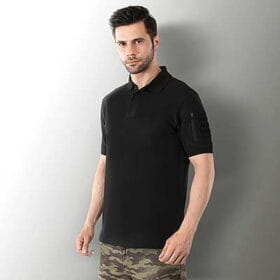
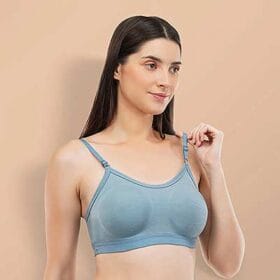
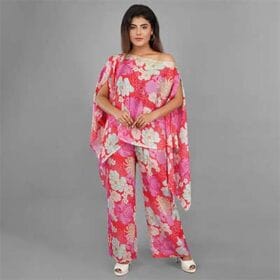
Ghost mannequin photography for ecommerce is a technique where apparel is photographed on a mannequin, and the mannequin is then digitally removed in post-production — creating a floating, 3D “hollow-man” effect. The garment appears to hold its natural shape without any visible support, showing fit, drape and interior detailing that flat lay photography simply cannot capture. This is why invisible mannequin photography, as it is also called, has become the default for marketplace apparel catalogs across India.
At Ckstudio, our team combines multiple exposures — a front shot on the mannequin, a back shot, and a detached inside-neck shot — then composites them into a single seamless ghost mannequin frame during editing. The result feels premium, is marketplace-compliant, and works beautifully in ecommerce apparel imagery because buyers instantly understand how the garment sits on a real body without any styling bias.
The hollow man effect photography technique starts with careful garment styling on a purpose-built mannequin. Ckstudio uses split-torso mannequins that separate at the shoulder, waist and neck — this allows our photographers to shoot the inside collar and inner side seams that a normal shoot would miss. During post-production editing, our retouchers stack these layers, mask out the mannequin, and rebuild the interior so the garment appears to be worn by an invisible person.
Marketplace product photography lives and dies by the buyer’s first impression. Sellers prefer ghost mannequin frames because they solve three problems at once: they show accurate fit, they keep the visual focus on the garment (not a distracting model), and they satisfy the strict background rules of every major marketplace. Prince consistently sees ecommerce clothing photography with the ghost effect outperform flat lay images on CTR by a wide margin — especially in category-heavy sections like men’s shirts and women’s kurtis, which is why our garment photoshoot service defaults to this technique unless a client requests otherwise.
The commercial case for ghost mannequin photography for ecommerce is straightforward: better images convert better. When a buyer scrolls through a category page, the listings that immediately communicate fit, silhouette and quality get the tap. According to Amazon Seller Central India, listings with compliant, professionally shot main images consistently outperform amateur uploads on click-through rate. Add in the conversion rate optimization benefit of clear fit representation, and the ROI on a proper ghost mannequin catalog becomes obvious within weeks.
Ckstudio has watched Delhi NCR brands 2x their listing conversions after switching from phone-shot flat lays to professionally shot ghost mannequin frames. The math works: even a modest 30–40% CTR bump compounds into thousands of extra sessions per month, and sessions convert to sales.
Product listing images are your search-result thumbnail, your PDP hero and your ad creative — all at once. When ghost mannequin frames replace poorly styled flat lays, CTR climbs because the garment reads as premium at thumbnail scale. Prince recommends every seller audit their top 20 SKUs on marketplace SEO performance and check whether the main image is doing its job. If it isn’t, the fix is almost always the same: reshoot with the right technical setup and stop guessing.
Apparel photography that misrepresents fit is the single largest driver of returns. Ghost mannequin frames show shoulder width, sleeve break, waist taper and drape honestly — so the buyer’s expectations match the delivery. Delhi NCR brands working with Ckstudio have reported measurable dips in return rates after replacing their product page images with ghost mannequin shots supplemented with size-reference detail crops. Cutting returns quietly boosts margin more than any ad campaign can.
Amazon clothing photography follows the strictest technical rules of any Indian marketplace, and understanding Amazon apparel image requirements India before you shoot saves brutal rework later. The main image must be on a pure white background — Amazon apparel image requirements specifically call for RGB values 255,255,255, not “close to white.” The image must be at least 1000×1000 pixels (Amazon strongly prefers 1600×1600 or higher for zoom functionality), the product must fill 85% of the frame, and no props, mannequins, watermarks, borders or text overlays are allowed on the main image.
Ghost mannequin frames sail through Amazon’s automated image checks because they show pure garment on pure white — exactly what Amazon’s algorithm wants. Ckstudio’s Amazon-optimised photography workflow bakes these specs into every single shot, so sellers avoid the rejection loop entirely. For sellers preparing large catalogs, our detailed Amazon product photography seller’s guide covers every category-specific nuance.
Amazon India’s technical spec sheet is precise: minimum 1000 pixels on the longest side, preferred 1600 pixels, maximum 10,000 pixels. File formats accepted are JPEG (preferred), TIFF, PNG or GIF. Colour mode should be sRGB or CMYK. Prince always shoots and delivers at 3000×3000 pixels — this gives buyers a smooth zoom experience on the PDP and future-proofs the catalog if Amazon raises the minimum. DPI resolution technically doesn’t matter for web display, but 300 DPI is standard for print backup and A+ content extension.
The main image is where Amazon is unforgiving. It must show the product as it will be sold — no accessories that aren’t included, no multiple products in one frame, no lifestyle context. For apparel, this means: solo garment on ghost mannequin or flat lay against pure white, with the product occupying at least 85% of the frame. No borders, watermarks, text, logos or promotional badges. No models — Amazon does allow model shots for the main image in the Clothing category as of 2025, but many sellers still prefer ghost mannequin because it’s category-safe across every apparel subcategory and rarely gets flagged.
Ckstudio has helped hundreds of Delhi NCR sellers recover from Amazon listing suspensions triggered by image compliance issues. The top offenders are: off-white or grey backgrounds (Amazon’s system reads this as non-white), product occupying less than 85% of the frame, visible mannequin remnants (bad ghost mannequin editing), watermarks or brand logos, and side/lifestyle shots uploaded as main image. Fix these five and image rejection becomes a non-issue.
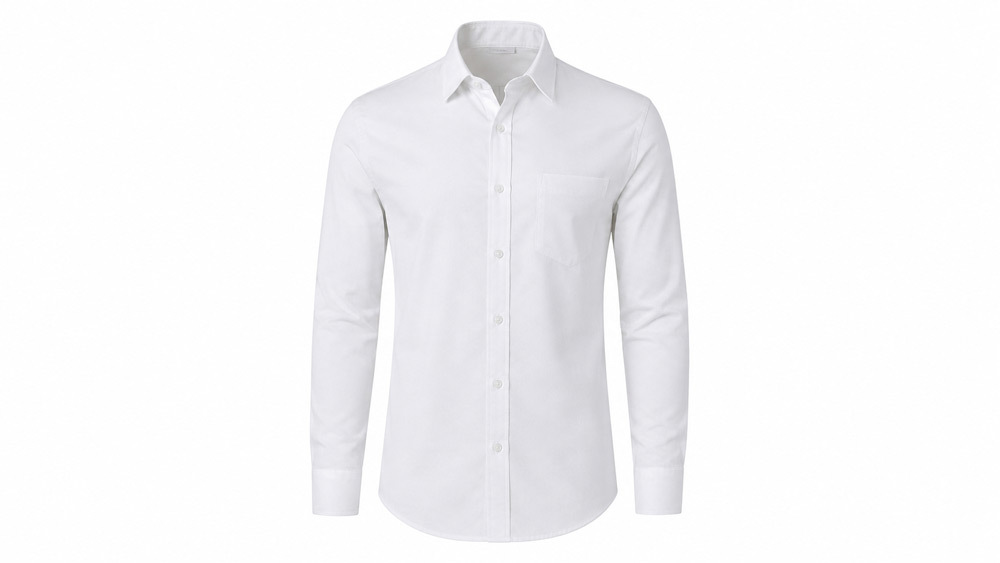
Myntra image guidelines lean fashion-editorial rather than pure technical. Where Amazon wants clinical white-background compliance, Myntra rewards fashion catalog photography that looks like it belongs in a lookbook. The core specs: 1080×1440 pixels minimum (portrait orientation), pure white background for base shots, 4–6 images per SKU minimum, and a mandatory mix of front, back, side and detail crops. Myntra also allows — and often prefers — a lifestyle or model shot as the secondary image to reinforce brand storytelling.
Ckstudio’s Myntra catalog photography workflow hybridises ghost mannequin frames with occasional model shots to hit both Myntra’s fit-showing requirement and its aspirational catalog aesthetic. For fashion sellers, this hybrid approach consistently outperforms pure ghost mannequin or pure model catalogs — a pattern Prince has seen across our fashion photography portfolio.
Myntra expects a defined image sequence: hero front shot (ghost mannequin or model), back view, close-up detail shot (neckline, print, embroidery), fabric texture close-up, and optionally a styling or lifestyle shot. This sequence lets buyers examine apparel styling at every angle before adding to cart. Prince’s team follows this exact order for every Myntra catalog, which keeps approval times fast and rejections rare. For sellers new to the platform, our garment preparation guide is worth reading before your first shoot.
The honest answer: both. Myntra’s algorithm and buyer behaviour reward variety — a model shot creates aspirational pull, while a ghost mannequin catalog shoot delivers the fit accuracy Myntra buyers demand before checkout. The winning formula Ckstudio uses for Myntra brands is: model shot as image 1, ghost mannequin front as image 2, back and detail crops as images 3–5, and a lifestyle shot as image 6. This mix consistently outperforms single-technique catalogs and aligns with what Myntra’s category managers request during brand onboarding.
Flipkart apparel photography requirements sit somewhere between Amazon’s strict clinical rules and Myntra’s editorial preference. Flipkart’s core specs: minimum 500×500 pixels (though 1500×2000 is strongly recommended), pure white background, product-only main image, no watermarks or promotional text, and a minimum of three images per SKU. Flipkart’s category-specific rules add nuance — footwear needs a specific angle, ethnic wear allows model shots as the main image, and lingerie has separate modesty guidelines.
Ckstudio’s Flipkart-specific catalog photography follows the platform’s Seller Hub image guidelines to the letter, which is why our clients don’t waste catalog upload cycles on rejected images. For sellers preparing their first catalog, our detailed Flipkart photography guidelines beginner’s guide walks through every category-specific rule.
Flipkart accepts JPG, PNG and WebP formats. The aspect ratio is flexible — 1:1 works, but 3:4 portrait is strongly preferred for apparel because it maximises PDP real estate. Resolution needs to be crisp at 1500×2000 pixels minimum for a serious catalog, though 500×500 is the technical floor. File size cap is 3 MB per image. Prince always delivers Flipkart-optimised files at 1500×2000 pixels compressed to under 2 MB — this hits the resolution sweet spot without slowing PDP load times.
Where Flipkart differs from Amazon is category granularity. Women’s ethnic wear allows dupatta styling shots. Men’s footwear requires a top-down flat lay as one of the required frames. Kids’ apparel has a “no live child model” rule for certain subcategories. Lingerie and innerwear require modesty-compliant styling. Ckstudio’s category-experienced team knows these rules cold — which is why our Flipkart deliveries almost never come back for revisions.
Here is the Amazon Myntra Flipkart image guidelines comparison Prince wishes every seller had before starting their catalog. This side-by-side is drawn from live seller portal specifications and Ckstudio’s actual delivery experience across hundreds of marketplace catalogs.
| Specification | Amazon India | Myntra | Flipkart |
|---|---|---|---|
| Min Image Size | 1000×1000 px | 1080×1440 px | 500×500 px |
| Preferred Size | 1600×1600 px | 1500×2000 px | 1500×2000 px |
| Background | Pure white RGB 255,255,255 | Pure white or editorial | Pure white |
| Frame Fill | Minimum 85% | ~80% flexible | Minimum 80% |
| Aspect Ratio | 1:1 (square) | 3:4 (portrait) | 3:4 preferred |
| Images per SKU | 7 slots (min 3) | 4–6 minimum | Minimum 3 |
| Model Allowed | Yes (main image) | Yes (encouraged) | Category-dependent |
| File Formats | JPEG, TIFF, PNG | JPEG, PNG | JPG, PNG, WebP |
| Watermarks/Text | Not allowed | Not allowed | Not allowed |
The smartest sellers Prince works with shoot once at 3000×3000 pixels and export platform-specific versions. A single ghost mannequin session becomes an Amazon set, a Myntra set and a Flipkart set — three catalogs, one shoot, one invoice. This is the workflow our enterprise catalog scaling guide unpacks in detail.
The ghost mannequin process at Ckstudio is refined from thousands of shoots. Prince and the team follow a five-step apparel photography process that guarantees marketplace-compliant output every single time. Understanding this workflow helps sellers evaluate any studio’s process — if these steps are missing, the deliverables usually are too.
Every ghost mannequin frame starts before the camera comes out. The garment is steamed or ironed to remove wrinkles. Tags are tucked. Seams are aligned. The mannequin is dressed with attention to symmetry — collars centred, sleeves matched, hem straight. Skipping any of this shows up in the final frame and forces expensive retouching downstream. Ckstudio’s stylists handle this end-to-end so photographers can focus purely on capture.
The technical setup is where quality is made or lost. Ckstudio shoots on Canon R10 and Sony A7R5 full-frame bodies. Lighting is four Godox SK 400II strobes with strip softboxes, plus two Elinchrom FRX 400 units for fill — a setup that produces even, shadow-controlled light across the mannequin. The camera is tethered to a workstation for real-time review, and every SKU is shot at the same focal length and distance to keep the catalog visually consistent.
Post-production editing is where the ghost effect happens. Retouchers stack the front, back and inside-neck shots. They mask out the mannequin, rebuild the collar interior, clean up wrinkles that survived the shoot, colour-correct against a calibrated white reference, and export at platform-specific sizes. Ckstudio’s editing team spends more time on post than on capture — because this is where the quality is proven. Cheap studios that skip proper post-production leave visible mannequin edges, uneven collars and grey background bleeds that trigger marketplace rejections.
Prince has audited hundreds of failed marketplace catalogs, and the same mistakes surface again and again. Avoid these photography mistakes and your listings will not just approve — they will convert.
The ghost mannequin photography price in Delhi NCR varies widely — from budget freelancers at ₹80 per image to premium studios at ₹500+. Ckstudio sits in the professional mid-premium bracket: ₹150 to ₹300 per image depending on volume, complexity and turnaround. For scale sellers, our detailed Delhi pricing guide and India-wide pricing benchmarks break down every variable that affects the final quote.
What drives the price? Volume (bulk brings per-image cost down), garment complexity (embroidered or draped items need more retouching), turnaround urgency (rush jobs cost more), and post-production depth (basic clean-up vs premium retouching). Prince recommends sellers focus on cost per approved image rather than headline pricing — a ₹100 image that gets rejected costs more than a ₹200 image that lands first-time. For Mumbai sellers, our Mumbai pricing guide covers the market there.
Choosing a best ghost mannequin photography studio in Delhi NCR comes down to five checks. First, ask to see live marketplace catalogs the studio has delivered — not just Instagram highlights. Second, confirm they follow platform-specific specs, not one-size-fits-all output. Third, check their post-production depth — request an inside-neck close-up sample. Fourth, understand their revision policy — good studios include revisions, cheap ones charge for every fix. Fifth, meet the team — a studio you can call and talk to is worth more than one you email into a void.
For a deeper decision framework, our studio selection guide covers every question worth asking. And if you’re comparing photographers rather than studios, our Delhi’s top product photographers directory lays out the landscape honestly.
Ckstudio has spent 9+ years perfecting marketplace-compliant apparel photography for Delhi NCR sellers. Prince leads a team that has shot for Amazon SPN partners, Myntra brand onboardings, Flipkart Assured sellers, Ajio catalog uploads and Meesho vendor programs across categories from ethnic wear to activewear to lingerie. Our studio in Delhi NCR runs full-frame professional cameras, calibrated lighting rigs and a dedicated post-production team — not a freelancer with a phone and a light box.
What sets Ckstudio apart is the marriage of technical precision with commercial understanding. We don’t just shoot pretty pictures — we shoot pictures that pass marketplace algorithms, convert buyers and scale with your catalog. That is why brands trust Ckstudio for ongoing catalog work rather than one-off shoots. To see our marketplace-specific portfolio, explore our work portfolio or dive into detailed case studies.
Every serious catalog project starts with a 15-minute call. Reach Ckstudio at +91-8700258773, WhatsApp +91-8700258773, or email [email protected]. Prince responds personally to every serious enquiry within a working day.
Every keyword cluster our Delhi NCR sellers ask about — organised for easy discovery.
Comparing platforms? See how Amazon, Flipkart and Myntra differ in our marketplace seller hub.