Fashion Photography Services
E-commerce Photography
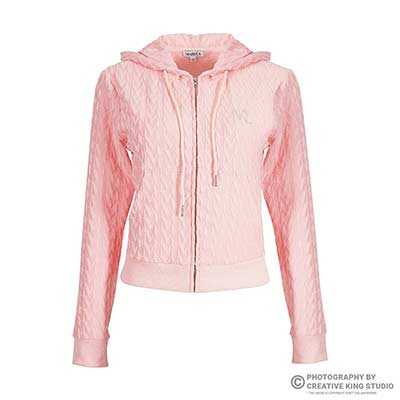
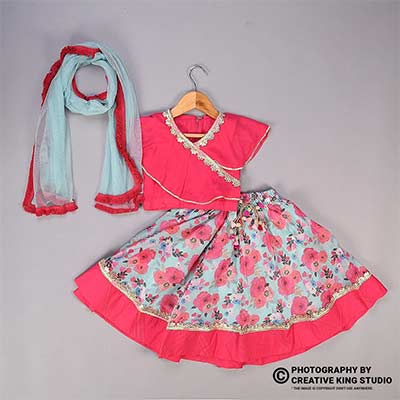
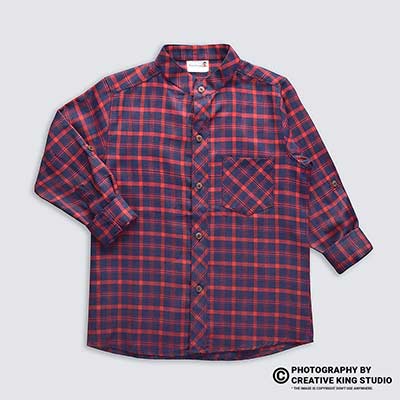
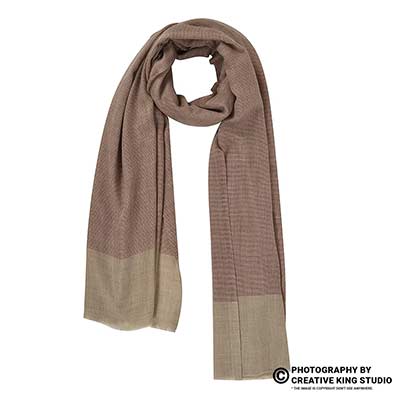
A Delhi-focused, studio-tested preparation manual by Ckstudio — from mood boards and wardrobe to poses, HMUA, and shoot-day execution. Everything a first-timer, model, brand, or designer needs to look effortless on camera.
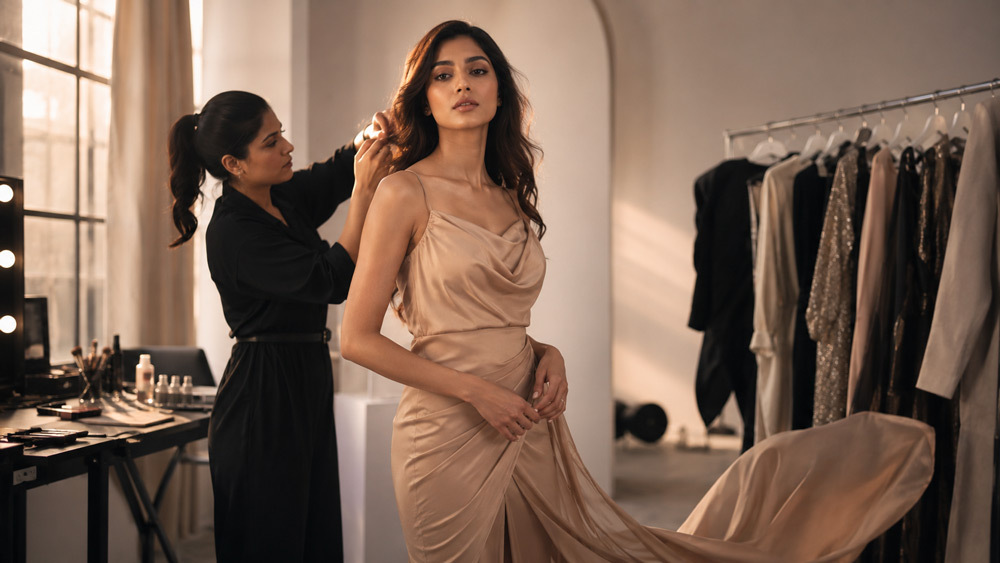
Your first shoot decides how quickly you look natural on camera for the next ten years — so this Fashion Photoshoot Guide is written to remove every guess. Nine years of running fashion shoots at Ckstudio has taught us one thing: the pictures you love are 80% made before anyone picks up a camera.
Most first-time models, designers, and boutique owners underestimate a shoot until the morning of. They arrive with unsteamed clothes, dry skin, and no idea what a mood board actually does. This Fashion Photoshoot Guide is written to prevent that — a Delhi-based studio’s honest, step-by-step preparation manual for your first fashion photoshoot. Our team has run everything from portfolio sessions to editorial covers, and the same 15 principles apply to every one of them. Whether you’re planning a beginner shoot in Hauz Khas or booking a proper studio for your D2C label, treat this like a checklist you can return to seven days before, three days before, and the night before shoot day.
Before we dig into tactics, it helps to know who this Fashion Photoshoot Guide is actually built for — because the same shoot means very different things to different people. Most readers landing here fall into six clear groups: first-time models building a portfolio, aspiring Instagram influencers scaling their personal brand, independent fashion designers preparing a lookbook, boutique founders launching a season, actors developing headshots and character books, and stylists coordinating their first paid production. Every group shares the same underlying anxieties — what do I wear, how do I pose, will the images look natural, and how much will it cost in Delhi? — and every group needs the same fundamentals settled before they touch a camera.
Reading intent for this topic is a mix of informational and transactional — people want the “how” answered, but they’re also 7–14 days away from booking a real studio. Search demand shows people asking about outfit selection, poses for beginners, HMUA hiring, budget ranges in Delhi, model release paperwork, and location choices like Lodhi Art District, Hauz Khas, and Sunder Nursery. What most global guides miss is India-specific context — the ethnic-plus-western wardrobe dual reality, Delhi’s monsoon and pollution windows, and the local pricing spectrum. This guide fills those gaps and treats every reader as a serious buyer, not a casual browser.
A fashion photoshoot is a planned production where a photographer, model, stylist, and creative team collaborate to produce images that sell a story, a garment, or an aesthetic. It’s very different from casual portraits — every frame is deliberate. In our fashion photography practice, we split shoots into distinct categories so the team knows exactly what to deliver, and so the client knows exactly what they’re paying for. Understanding these categories is the first thing this Fashion Photoshoot Guide wants you to internalise, because the type of shoot changes the wardrobe, the poses, the lighting, and even the makeup you’ll need.
There are five formats our studio shoots most often, and each has a different rhythm. Editorial shoots are cinematic and story-driven — think magazine spreads. Ecommerce shoots are technical and repetitive, tuned to marketplace guidelines. A lookbook photoshoot sits between the two, presenting a seasonal collection with mood and product clarity. A portfolio shoot builds a model’s book, while a model photoshoot in Delhi for a campaign carries brand-level polish. Knowing which one you’re doing will change every choice below, so pin this down before anything else.
Editorial photography exists to tell a mood — it’s often published, it’s often stylised, and it’s often unusual. Commercial fashion photography exists to sell — clarity, honest colour, and product accuracy matter more than art direction. Both are valuable; both are different jobs. If you’re a first-time model, editorial gets you noticed but commercial pays your bills.
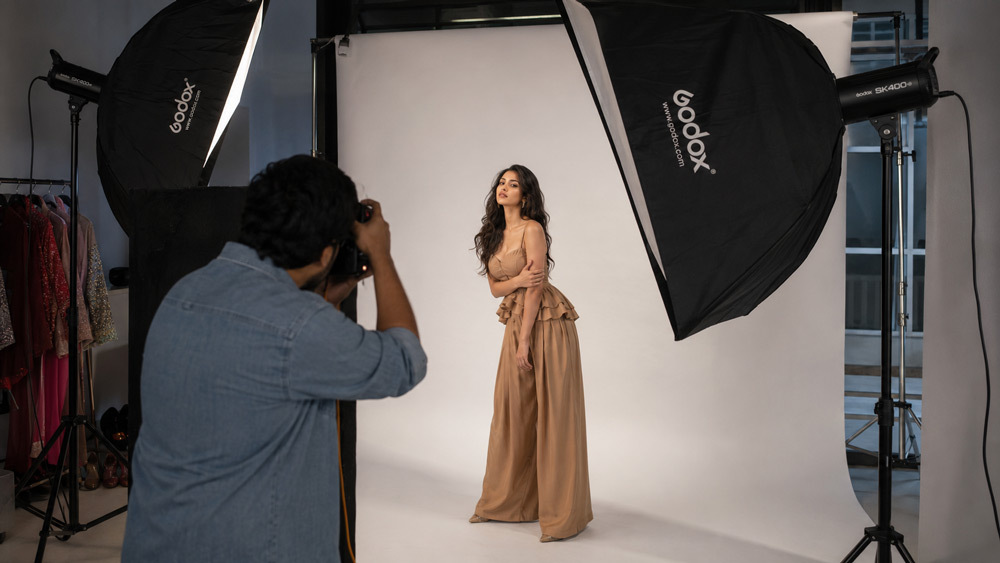
Editorial fashion shoot in progress at a Delhi studio — story-first framing.
Nerves ruin more first shoots than bad lighting ever does. A tense jaw, tight shoulders, or a bloated stomach show up on camera in ways you can’t retouch out. Physical prep begins seven days in advance, and mental prep begins the moment you book. We tell every first-timer walking into the studio the same thing: the camera photographs your calm. If you can sleep, hydrate, and rehearse the day mentally, the shoot itself becomes half the work.
Start hydrating at 3 litres of water a day from day one and cut visible salt from day four. Get eight hours of sleep for three consecutive nights minimum — the American Academy of Dermatology has publicly linked sleep debt to under-eye puffiness and dull skin, and both show up brutally on a full-frame sensor. Avoid facials, threading, or aggressive exfoliation within 48 hours of the shoot. A gentle hydrating mask the night before, lip balm from day one, and no new skincare products in the final week is the safe rule we give every model in our studio.
Confidence on camera is a rehearsed skill, not a personality trait. Practise five expressions in a mirror — soft smile, direct gaze, slight side-eye, laughing, and neutral. Record 30 seconds of yourself moving through them on your phone. Watch it back once, learn your best angle, and then delete it. This exercise sounds trivial and will change your first shoot entirely. Reading our post on how to prepare garments for an ecommerce model shoot also helps if you’re shooting for a brand.
A mood board is not decoration — it’s a communication tool. It tells the photographer, stylist, and HMUA exactly what “beige, cinematic, gentle, high-end” means to you, because those words mean five different things to five different people. Build one with 15 to 20 reference images covering outfits, poses, lighting quality, hair vibe, and colour palette. Pin them together so everyone reads the same visual language on shoot day. This step alone eliminates most first-shoot regret we see in our studio, and it’s the reason our team asks for a mood board before booking is even confirmed.
Pinterest is fastest for discovery, Milanote is best for layout and annotation, and Canva is a workable middle ground. For a first shoot, Pinterest is enough — create a private board, save 20 references, and export the top 8 to a single PDF. Share it with your photographer 48 hours before the shoot. If you’re a designer building a season, our internal fashion portfolio is a good starting reference for what a cohesive visual language looks like.
Wardrobe wins the shoot. A perfect outfit lifts an average model, and a wrong outfit sinks a stunning one. Bring only clothes that fit — nothing loose, nothing too tight, nothing that pulls when you sit. Solid, saturated colours photograph best because they read cleanly on camera; busy prints often clash with the environment. Include at least one hero look you’re emotionally attached to, because you’ll pose harder in it. If you’re shooting for a brand, coordinate closely with the stylist and reference our background selection guide so your wardrobe and setting complement each other.
For a two-hour beginner shoot, bring three complete looks. For a half-day, bring five. For a full-day editorial or campaign shoot, six to eight is the sweet spot. Anything beyond that eats shoot time in changes and rarely improves the final selection. Add two backup pieces — a plain black tee and a plain white shirt — as insurance if a planned outfit falls through.
Deep jewel tones, ivory, camel, terracotta, forest green, and washed denim all photograph beautifully in most lighting. Avoid neon, extremely reflective satin unless it’s intentional, and anything with visible sweat marks. Structured fabrics — cotton twill, wool blends, mid-weight linen, tailored crepe — hold shape on camera. Fluid fabrics like silk and chiffon look stunning in motion but need wind or movement to come alive; plan poses accordingly.
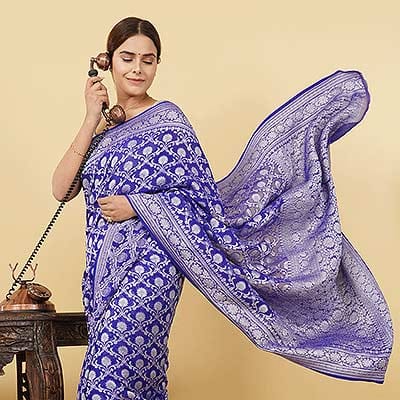
Delhi models often shoot both ethnic and western in a single day, and the switch matters. Ethnic wear — a well-draped saree, an anarkali, or a fusion set — reads best in warm, natural light. Western looks handle harder studio lighting well. If you’re building a portfolio, include at least one ethnic look; Delhi’s local market rewards models who can carry both worlds convincingly.
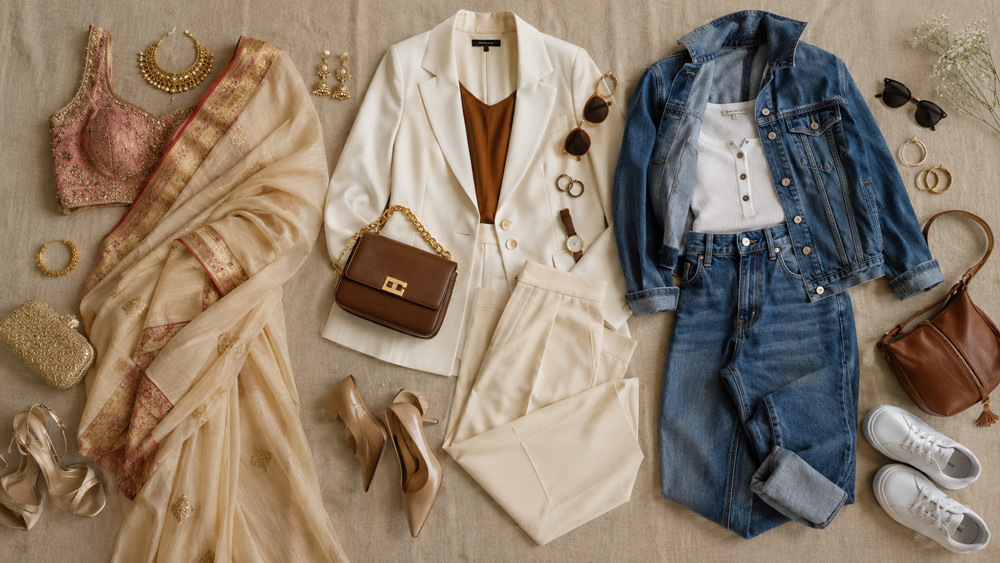
A well-planned wardrobe flat-lay makes shoot day twice as fast.
Talk to Prince directly for a free 15-minute consultation — get a personalised prep checklist for your shoot type.
Fashion photography is unforgiving on skin, hair, and grooming. Camera makeup is not the makeup you wear to a wedding — it needs more matte control, sharper lines, and better base coverage. Book your HMUA at least a week before the shoot. Send them your mood board, discuss the looks per outfit, and confirm arrival time so hair-and-makeup finishes an hour before your first frame. Our team builds HMUA time into every fashion shoot schedule, because a rushed base ruins the first two hours of images.
Yes — if the shoot is going into your portfolio, on your brand website, or onto ecommerce platforms. A professional MUA saves you from patchy foundation, oil shine, and asymmetric brows that no amount of professional image editing can fully fix without softening the image. If it’s a casual test shoot with friends, a well-practised DIY base is acceptable. But for anything commercial, hire a professional — and pay them properly.
Delhi offers both worlds — some of India’s best equipped studios and some of the country’s most photogenic outdoor pockets. Studios give you full control of light, weather, and time; outdoors give you texture, atmosphere, and character. Pick your location by the mood of your shoot, not by cost. A high-end campaign benefits from a controlled studio, while a lifestyle lookbook or Instagram-driven personal shoot often looks better outdoors. Our ecommerce photography practice combines both routinely.
A good fashion studio has a cyclorama wall, at least four continuous or strobe lights, a beauty dish, a large octabox, and a proper styling area with a mirror. Our team shoots on Canon R10 and Sony A7R V bodies with a 50mm and 85mm prime for most fashion frames, backed by four Godox SK 400II heads and two Elinchrom FRX 400 units. If you’re comparing options, our full Delhi NCR studio selection guide covers what to actually look for beyond price.
Lodhi Art District is unbeatable for colour and graffiti — perfect for streetwear and urban fashion. Hauz Khas Village layers medieval architecture with modern texture, ideal for fusion and ethnic. Sunder Nursery gives you clean gardens and warm brick, which suits bridal and lookbook shoots. Mehrauli Archaeological Park is quieter and reads timeless. Always scout the location once before the actual shoot day, and always confirm any permission requirements — Delhi Tourism publishes updated guidance every year on their official portal.
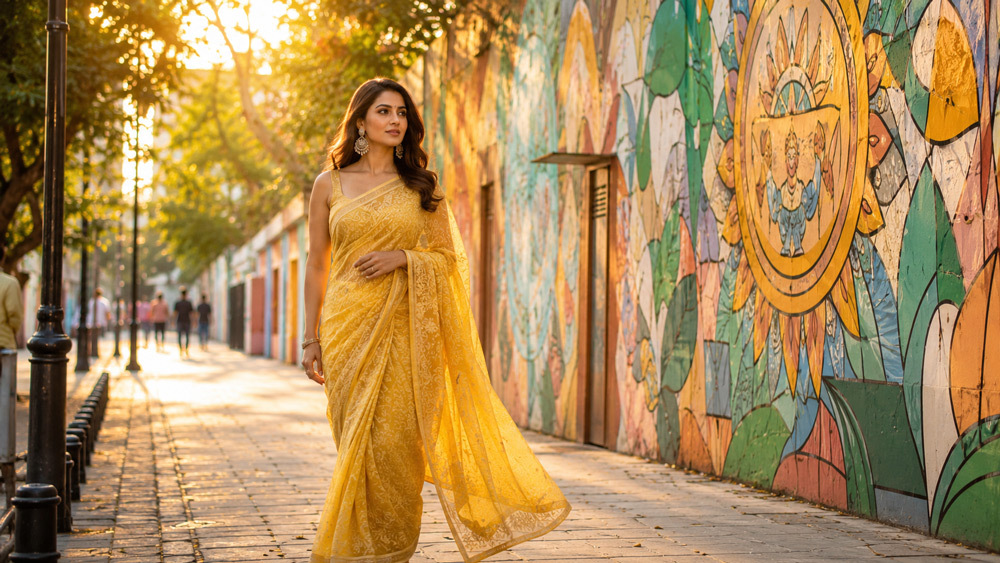
Delhi’s Lodhi Art District — one of India’s best outdoor fashion locations.
Poses aren’t performances — they’re small, controlled shapes your body makes on repeat. First-timers overthink them and end up stiff. The truth: you only need 10 base poses to survive your first shoot, and you’ll cycle them across outfits. Bend one knee, drop one shoulder, angle your chin down a touch, and let your hands do something purposeful — hold your jacket, touch your hair, rest at your waist. That’s 80% of fashion posing done.
Photographers speak in shorthand — “hip out,” “chin down,” “give me a soft smile” — and beginners freeze under it. Don’t. Move slowly, adjust one thing at a time, and ask if you’re unsure. A good lead photographer will walk every first-time model through the first five frames literally — pose, adjust, review the back of the camera, correct, repeat. Fifteen minutes in, you’ll be moving on your own.
Fashion shoot pricing in Delhi varies wildly depending on team size, studio grade, HMUA seniority, deliverables, and turnaround. Portfolio shoots start at accessible entry points, editorial and campaign productions cost significantly more, and full-day multi-look shoots sit in between. Before you commit, read our detailed fashion photography cost guide for Delhi and compare it against our broader product photography pricing benchmarks. Transparency matters — never sign a shoot without a written scope.
| Package | Duration | Outfit Changes | Retouched Images | HMUA |
|---|---|---|---|---|
| Basic | 2 Hours | Up to 3 | 10 | Optional |
| Standard | 4 Hours | Up to 6 | 25 | Included |
| Premium | Full Day (8h) | Up to 10 | 60 | Senior HMUA |
| Enterprise | 2–3 Day Production | Unlimited | 150+ | Full Team |
Get a written custom quote at [email protected] — every project is scoped individually.
Print this checklist and tick it off across the seven days before your shoot. It’s the exact one our team sends every new model and brand client.
Arrive 15 minutes early, always. Eat a light protein breakfast — nothing bloating, nothing sugary. Bring your outfits on hangers with garment bags, and lay out accessories in labelled pouches. Introduce yourself to the whole team, including assistants and interns — a warm set produces warmer images. Trust the photographer’s flow; do not micromanage the shot list unless something visibly wrong is being shot. If you need a break, ask for one — no one shoots well when they’re hungry or fatigued.
Punctuality earns you the crew’s respect within the first ten minutes. Do not check your phone between frames unless referenced in the shot list. Do not invite friends or family to the set without prior permission. Keep your energy calm and your voice quiet — sets get loud, but you being quiet keeps focus where it belongs. This is the difference between a beginner who books repeatedly and one who doesn’t.
Never shoot without a signed model release form and a clear usage-rights clause. The release grants the photographer or brand the right to use the images for specified purposes; usage rights define where, how long, and in which media those images can appear. As a model, ask for a copy of the signed release. As a brand, ensure the release names your specific channels — website, ecommerce, social, print. India’s Copyright Office publishes the current legal framework for photographic works, and it’s worth a quick read before your first commercial shoot.
The shoot ends but the work doesn’t. Within 24–48 hours you’ll receive a low-res gallery to select your final images. Choose based on expression and pose first, then wardrobe, then background — good retouching cannot fix a bad expression. Our retouching pipeline follows a three-stage flow: cleanup, colour grade, and final polish. Typical delivery timeline is 5–10 days depending on volume. If you’re publishing on marketplaces, our Amazon product photography workflow and Myntra model shoot process follow the same core standards.
After nine years and hundreds of shoots, a few small habits separate professional fashion output from amateur work. Always shoot 20% more frames than you think you need — expressions shift between exposures. Always keep a plain white and plain black backup in your kit for salvage frames. Always take a five-minute walk between look changes to reset your posture and expression. And always ask the photographer to show you two or three back-of-camera reference frames early — it aligns your posing with what the lens is actually seeing.
For readers curious about the technical side, here’s the practical kit our team uses across most fashion productions. This is not brand-worship — it’s simply what has proven reliable for us over years of Delhi shoots.
Ckstudio has spent nine years shooting fashion for models, D2C brands, boutique designers, and marketplace-first sellers across Delhi NCR. Prince, our founder, personally leads first-shoot consultations because we’ve seen how quickly a rough first experience can push someone away from the industry entirely. Every booking includes a pre-shoot planning call, a mood board review, and a written call sheet — the same protocols we run for editorial campaigns. If you’re weighing options, our breakdown of top Delhi photographers and our behind-the-scenes look will show you how a Ckstudio shoot actually runs.
Get a personalised quote from our team — reply within 4 working hours guaranteed.
Preparation is the difference between a shoot you love and a shoot you regret. This Fashion Photoshoot Guide — from skincare through mood boards, wardrobe, HMUA, poses, and post-production — gives you the same playbook we run internally for every fashion project. Bookmark it, share it with your team, and return to it the week before every shoot. The Delhi fashion market rewards models and brands who show up prepared, and the images you create in that headspace will earn you the next ten bookings. When you’re ready to shoot, reach out to our team — we’ll build the plan around your specific goals.
The full keyword universe our team maps around this Fashion Photoshoot Guide — useful for readers, search engines, and AI answer engines like Google AI Overviews and Perplexity.