




Fashion Photography Services


E-commerce Photography
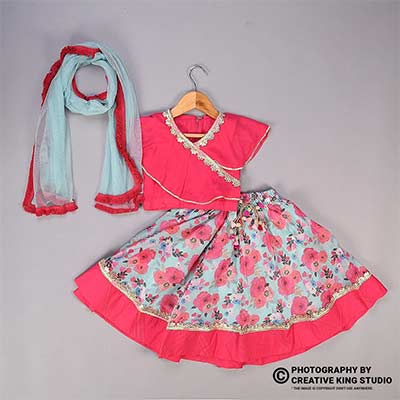
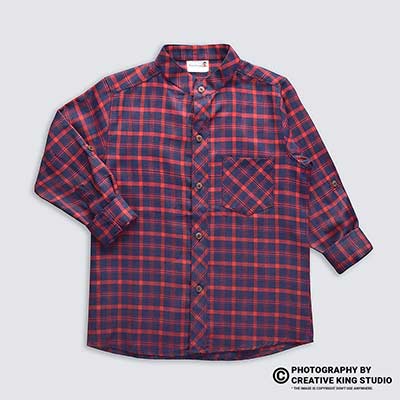
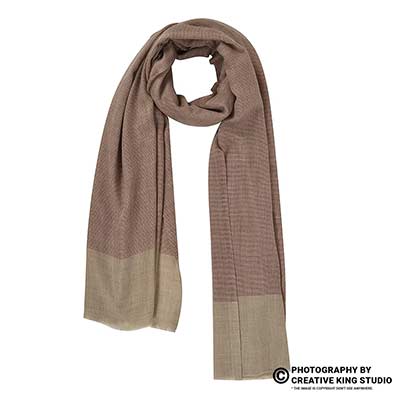
The exact documents, letter fields and name-matching checks that stop AJIO brand approval from stalling, before a single style is shot.

An AJIO brand authorisation letter is the document that proves you are allowed to sell a brand you do not own, and together with trademark proof it decides whether AJIO’s brand evaluation moves forward or sends your application back. This checklist sits inside the AJIO Seller Hub, which covers the full journey from Reliance supplier registration to catalogue QC.
Here we stay on one narrow problem: the brand-ownership step. You will learn which documents an owner and a reseller each need, what a usable authorisation letter actually contains, how to check your trademark status yourself, and the name mismatches that cause most delays. At Ckstudio we shoot fashion catalogues for sellers on AJIO, Myntra and Flipkart, and the brand step is where we see launch calendars slip first, so this guide also shows how brand proof connects to the images you shoot later.
In this guide
An AJIO brand authorisation letter is a signed letter from the brand owner that names your business as an authorised seller of that brand. You need it whenever the trademark is not registered or applied for in your own legal name, for example as a distributor, a wholesaler or a sister company.
AJIO is run by Reliance Retail and curates its fashion catalogue, so every brand is evaluated before catalogue access opens. The Ckstudio AJIO hub summarises the document set as a GSTIN plus PAN, bank proof, address proof, brand logo and the trademark certificate, all in one legal name, or an authorisation letter if you resell a brand. That last clause is the whole subject of this guide.
If you created the label and filed the trademark yourself, your proof is the trademark record. If someone else owns the mark, your proof is a chain: their trademark record plus a letter in which they authorise you. Fynd’s AJIO onboarding documentation for partner sellers describes the same split: a trademark certificate for manufacturers, and an authorisation certificate from the manufacturer for sellers.
Many fashion startups sit in a grey zone without realising it. The founder files the trademark personally, while the GST registration and bank account belong to a private limited company. On paper those are two different legal persons, so the company needs an authorisation (or an assignment) from the founder even though it is the same team. The same applies when a parent company owns the mark and a subsidiary sells.
An AJIO brand authorisation letter only works if the brand owner can prove ownership in turn. A letter from a person whose name does not appear on the trademark record proves nothing, so the reviewer will want the owner’s trademark certificate or application receipt attached. Treat the letter and the trademark proof as one bundle, never as alternatives.
Both owners and resellers need the business documents (GSTIN, PAN, bank proof, address proof and logo) in one legal name. Owners add their trademark certificate or application, while resellers add the owner’s trademark proof and a signed AJIO brand authorisation letter.
Registration happens on the Reliance supplier registration portal, where one supplier profile covers AJIO, JioMart and Reliance Digital. Enter your business details exactly as they appear on your GST certificate, because every later document is compared with that record. Third-party onboarding guides list the same core set, and one Fynd guide notes that brand approval follows within approximately seven business days once documents are reviewed. Treat that as a guide figure, not a promise.
| Document | Brand owner | Authorised reseller | Source |
|---|---|---|---|
| GSTIN certificate | Mandatory | Mandatory | Ckstudio AJIO hub, Reliance supplier portal |
| PAN, bank proof, address proof | Same legal name as GSTIN | Same legal name as GSTIN | Ckstudio AJIO hub |
| Brand logo | Matches the registered mark | Owner’s logo, as used on labels | Ckstudio AJIO hub |
| Trademark certificate or application | In your own name | In the brand owner’s name | Fynd AJIO onboarding docs |
| Brand authorisation letter | Not needed | Mandatory, signed by the owner | Fynd AJIO onboarding docs |
| CIN / TAN (private companies) | Listed by onboarding guides | Listed by onboarding guides | Fynd AJIO onboarding docs |

A trademark certificate is issued by the Trade Marks Registry and proves who owns the mark. The letter is a private document issued by that owner, and it proves who may sell under the mark. The reviewer reads them together: the owner named on the certificate must be the person or company signing the letter, and the seller named in the letter must be the GSTIN holder applying. One break in that chain is enough to stall the evaluation.
Many Indian fashion labels list while their application is still under examination. Some onboarding guides mention that a trademark application or a self-declaration may be considered in place of a registered certificate, but AJIO decides case by case, so confirm the current rule with your AJIO seller support contact. Keep the application receipt (form TM-A acknowledgement) and a printout of the live status ready either way.
Practical tip: scan everything as clean colour PDFs at 300 dpi, name each file after its content (for example gst-certificate.pdf, tm-certificate-class-25.pdf), and keep one shared folder that your catalogue team and studio can also reach later.
Look up your mark on the IP India trademark search, confirm that the owner’s name, the brand name, the logo and the class match your documents, and save the status page. Do this before you apply, because the reviewer can check the same public record.
The official route is the IP India trade marks portal, which links to the public search and the application status tool. Search by application number if you have it, otherwise by word mark or applicant name. A record marked Registered lets you view the registration certificate; a record still under examination, objected or opposed shows the stage it has reached instead.
Trademarks in India follow the international Nice classification, and a mark protects only the classes it was filed in. A label registered for clothing may not cover the handbags or jewellery you plan to add next season. Check the class against your AJIO categories before you write the letter.
| AJIO category you plan to list | Usual Nice class | What to check on the record |
|---|---|---|
| Apparel, ethnic wear, footwear, headwear | Class 25 | Goods description includes your garment types |
| Bags, wallets, leather goods | Class 18 | A separate filing if the label began in apparel |
| Jewellery and watches | Class 14 | Fashion jewellery covered by the description |
| Beauty, fragrance, skincare | Class 3 | Cosmetics listed in the goods |
| Home textiles | Class 24 | Bed and table linen in the goods |
Two more checks save rework. First, compare the logo: if the record is a device mark, the logo on your neck labels, hang tags and AJIO brand logo upload should be the same artwork, not a redesigned version. Second, look at the validity: a registration under the Trade Marks Act, 1999 runs for ten years and must be renewed, so an old certificate may show a lapsed mark.
From the studio floor
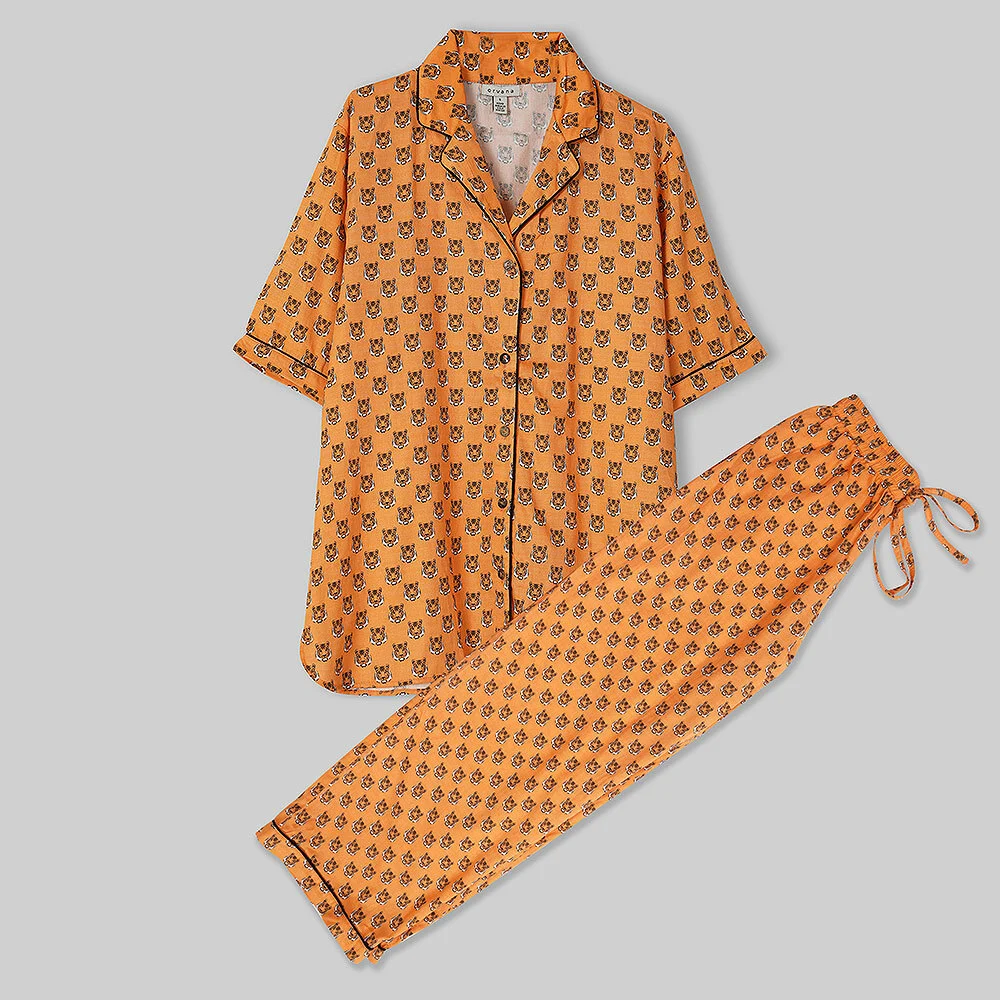
Before any AJIO catalogue shoot at Ckstudio, we photograph one neck label and one hang tag per brand on a 100mm macro lens at f/8, lit by a single strip softbox at 45 degrees, and file them with the style sheet. The account team compares that frame with the logo on the trademark record. This check catches labels printed with an older logo, and fixing one before 40 styles are shot costs far less than reshooting after QC.
Save the status page as a PDF with the date visible. If the reviewer asks for proof again weeks later, you have the exact state of the record on the day you applied.
A usable AJIO brand authorisation letter names the brand owner and the authorised seller exactly as on their legal documents, cites the trademark number and class, lists the categories covered, states validity dates, and carries the owner’s signature and stamp on letterhead.
AJIO does not publish a mandatory template for every case, so the safest letter answers every question a reviewer could ask without needing a second document. The fields below are the ones we see brand owners and distributors use when their letters clear on the first submission.

Keep the body to three or four plain sentences: who is authorising, whom, for which brand and categories, and for how long. Avoid vague phrases such as “authorised to deal in our products” with no brand or category named. If you distribute several brands from one owner, either list each brand with its trademark number or issue one letter per brand; mixing them in a sentence makes the class check harder.
Sign in ink or with a valid digital signature, stamp it, and scan in colour so the stamp is legible. Upload a PDF, not a phone photo at an angle. If the letter runs to two pages, sign both. Keep the original, because some marketplaces ask for a fresh copy when the validity date passes, and an expired letter can pause live listings, not only new ones.
Ckstudio is not a legal adviser, so ask your trademark attorney or CA to review the final wording. What we can tell you from catalogue work is that a letter which repeats the exact names from the GST and trademark records clears faster than a beautifully written one with a nickname in it.
Most delays come from names that do not match across GST, bank, trademark and letter, from letters that miss the brand, class or validity, and from trademark records that are pending or lapsed. Each one sends the file back for correction rather than rejecting the brand outright.
A post on Base’s seller blog lists mismatches between GST registration, bank account details and trademark records as a frequent cause of onboarding delay, and our own conversations with fashion sellers match that pattern. The fix is usually ten minutes of editing; the delay is usually a week of back-and-forth.
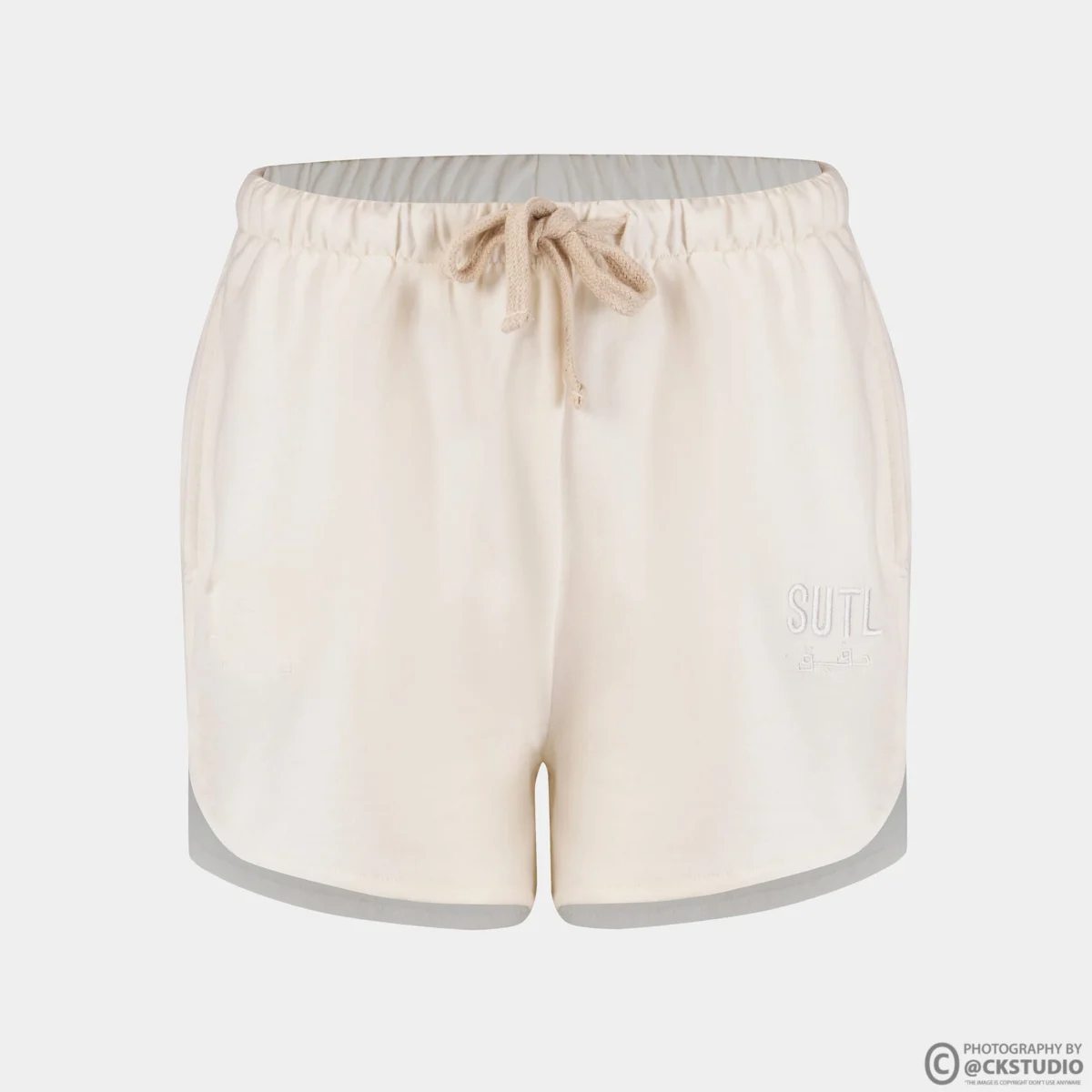
Approval of the brand opens catalogue access, but it does not mean styles go live. The AJIO hub notes about five days of Auto QC followed by about five business days of Manual QC for catalogue uploads. Sellers who lose a week at the brand step often try to make it up by rushing images, and then lose another week in QC. Plan both stages in one calendar.
If you are unsure whether your situation needs a letter, call +91-8700258773 and our team will tell you what we have seen sellers in the same position submit, before you book a shoot.
The brand name you prove at approval is the brand shoppers see on every listing, so labels, logos and image rights must tell the same story. Shooting only after the letter and trademark are settled avoids reshoots caused by label changes or rights questions.
AJIO’s image rules accept only images you own or license, and celebrity imagery needs written authorisation, as the AJIO seller image guidelines explain in detail. That is the same principle as the authorisation letter: proof that you have the right to use what you show. A reseller who downloads the brand owner’s lookbook images may have permission to sell the product but not to reuse the photographs.
For a reseller the cleanest answer is either written permission to use the owner’s images, or a fresh shoot of the stock in hand. When the stock is ready but the visuals are not, ecommerce photography services built around AJIO’s 1:1.25 frame solve the rights question and the QC question in one session.
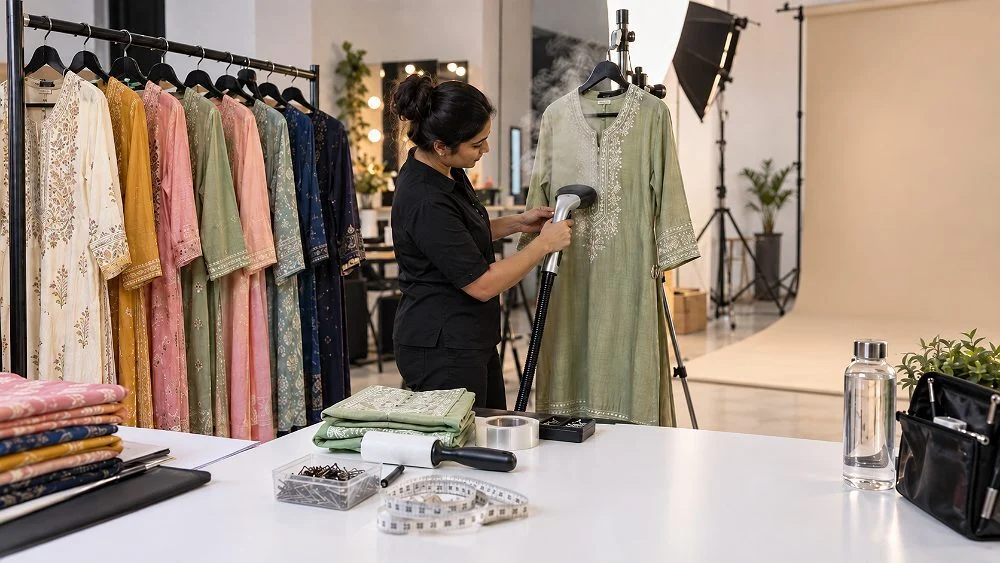
From the studio floor
Our AJIO style sheets carry one extra column: the brand name exactly as written on the approved trademark record. During steaming, the stylist checks every neck label against that column. Frames go out at 1600 × 2000 px, 72 dpi sRGB JPEG, between 200 KB and 1 MB, with front, side, back and a 100% detail crop per style, so the brand approved on paper is the brand on the garment in every angle.
Apparel needs particular care because fabric, drape and label placement all show in the detail crop. Pressed, correctly labelled pieces shot with dedicated garment photography pass the crease and duplicate-image checks that otherwise hold back a whole style.
The video below shows how a marketplace catalogue shoot runs in a working studio, from product placement to tethered review. It is the stage that follows once brand approval is done.

Run these nine checks in order on the day you submit: legal names, trademark status, class, logo, letter fields, signatory authority, validity, scan quality and catalogue readiness. If all nine pass, the brand step rarely needs a second round.
Example scenario
Example: a distributor plans to list 40 kurta styles of a partner label on AJIO. The label’s trademark is in the founder’s personal name in Class 25, and the distributor’s GST shows a private limited company. The checklist flags two gaps: the letter must come from the founder (the record owner), not from the label’s company, and a dupatta-and-bag combo planned for later needs a Class 18 check. Fixing both before submission takes one afternoon; discovering them after review would cost a full correction cycle.
Once the brand is approved, catalogue access opens and the clock starts on content. Sellers who book an on-model catalogue shoot in advance can upload within days, because AJIO expects a cropped on-model front image as the first frame for most apparel.
The short reel below shows how a men’s t-shirt is shot for marketplace listings, including the front, side and detail frames that follow brand approval.
From the studio floor
When a reseller books a shoot, Prince asks for three things before the call sheet is final: the approved brand name, the style codes (18 characters or fewer, as AJIO’s error sheet requires) and a size list with EANs. With those in hand, a 40-style kurta session is planned at 4 angles per style, 160 frames plus swatches, and shot in one light setup so the batch reads as one brand.
Need a second opinion on your document set or shoot plan? WhatsApp +91-8700258773 or email [email protected] with your category and style count.
No, if the trademark is in the same legal name as your GSTIN. If the mark sits with a founder or parent company and another entity sells, that entity needs an AJIO brand authorisation letter from the owner.
Some onboarding guides say an application or a self-declaration may be considered, but AJIO decides case by case. Keep your TM-A acknowledgement and a dated status printout ready, and confirm with AJIO seller support.
The trademark owner shown on the IP India record: the proprietor, a partner or a director. If anyone else signs for a company, attach a board resolution that gives them authority.
Fynd’s onboarding documentation mentions approximately seven business days after documents are reviewed. Catalogue QC after that takes about five days of Auto QC and five business days of Manual QC.
It should have one. A clear start and end date, or a statement that it is valid until withdrawn in writing, avoids a request for a fresh letter later and protects live listings.
Only with written permission to use those images. AJIO accepts only images you own or license, so many resellers shoot the stock fresh to the 1:1.25 frame instead.
The brand step is paperwork, but it shapes everything after it: the name on your labels, the categories you can list and the images you are allowed to use. Settle the letter and trademark proof first, and the e-commerce catalogue work that follows runs on a clean foundation. For help planning the shoot, call +91-8700258773.
Next step: once your brand is approved, plan AJIO-ready images and swatches with an ecommerce photoshoot built for marketplace catalogues.
Ckstudio shoots fashion and product catalogues for sellers on AJIO, Myntra, Flipkart and Amazon, framed to each marketplace’s rules. Share your style count and category on WhatsApp +91-8700258773 or [email protected].
Call Prince: +91-8700258773