How to Become a Flipkart Seller in 2026-27: 11 Essential Eligibility & Brand Fit Checks
A pre-registration decision guide for Indian sellers who want to confirm eligibility, documents, GST readiness, category compliance, brand proof and marketplace fit before opening a seller account.
By PrincePublished 30 Sep 2026Approx. 18 min read
EligibilityBrand ApprovalSeller Readiness
Seller readiness starts before account creation: align business identity, tax details, payout information, product legality and catalogue preparation.
How to become a flipkart seller in 2026-27 is not simply a matter of filling a registration form. A new marketplace seller has to pass several readiness checks: legal identity, Flipkart seller eligibility, business documentation, applicable GST details, bank and address verification, product compliance, Flipkart brand approval where relevant, and the practical ability to create accurate listings and fulfil orders.
For readers researching how to become a Flipkart seller, this guide focuses on the question that comes before detailed seller registration: “Can and should this business sell on Flipkart, and what should be prepared first?” The information has been checked against the current Flipkart Seller portal and Flipkart Seller Terms of Use, with GST nuance referenced to the GST Council notification on eligible unregistered suppliers through ecommerce operators. Platform workflows and category rules can change, so the live Seller Hub should remain the final operational check.
Quick Answer
How to Become a Flipkart Seller in 2026-27: Quick Eligibility Answer
In practical terms, how to become a Flipkart seller starts with proving that the person or business can legally sell, that requested identity and payout details are verifiable, and that each product complies with applicable marketplace and statutory requirements. Basic seller account eligibility is only the first layer; brand, category, catalogue and operational readiness come next.
Confirm the seller is legally capable of entering a binding contract and, for a business entity, authorised to act for that entity.
Prepare the legal business name, trade name, contact details, PAN or business PAN where applicable, and seller KYC information requested during verification.
Check the GSTIN treatment shown for the intended category and state in the Flipkart Seller Hub.
Prepare bank details, account-holder information, bank account verification proof and the correct registered business address and pickup address.
Confirm the legal right to sell the products, including genuine sourcing for an authorized reseller.
Check category approval, product licences and product compliance requirements before listing.
Prepare a complete product catalogue, marketplace listing data, inventory, packaging and fulfilment process.
On this page
Key Takeaways Before You Register
A Flipkart seller must satisfy both account-level and product-level requirements.
Seller verification, category approval and brand approval are separate considerations.
GST law and Flipkart onboarding requirements should be checked separately; do not rely on a blanket “GST is mandatory for everyone” statement.
Catalogue quality, product photography, SKU structure, inventory and fulfilment are part of seller readiness—not tasks to leave until after account creation.
Eligibility
Who Can Become a Flipkart Seller?
A first step in understanding how to become a Flipkart seller is legal capacity. Flipkart’s Terms of Use state that the platform is available to persons who can form legally binding contracts under the Indian Contract Act, 1872. A natural person must therefore be legally competent to contract, while a representative registering a company, partnership, LLP or other business entity should have authority to bind that entity. This is the legal foundation of Flipkart seller eligibility.
In business terms, proprietorship-style businesses, companies, manufacturers, wholesalers, retailers, D2C brands and other ecommerce seller models can potentially participate. But “who can sell on Flipkart” is not the same as “who can sell every product on Flipkart.” An own brand may need brand evidence, an authorized reseller may need invoices or authorisation, and some generic products or restricted products can face category-specific rules.
Flipkart Seller Eligibility at a Glance
Requirement
Status
What the seller should prepare
Legal capacity
Required
Valid person or business details and authority to act
GST/tax details
Usually required
Applicable GSTIN or current category-specific onboarding proof
PAN/business identity
Required where requested
PAN, business PAN and matching legal details
Bank details
Required
Payout account and verification proof
Registered/pickup address
Required
Accurate registered business address and serviceable pickup address
Legal right to sell
Required
Ownership, genuine invoices or authorization
Brand proof
Conditional
Trademark registration proof, trademark certificate or brand authorization letter when requested
Category licence
Conditional
BIS certification, FSSAI licence or other applicable product licences
Product catalogue
Required to sell
Titles, attributes, images, pricing, SKU data and declarations
Inventory/fulfilment
Operationally required
Stock, packaging, dispatch and returns process
Prepare identity, tax, bank and address information as one consistent verification set rather than as separate last-minute uploads.
2026-27 Requirement
Flipkart Seller Requirements 2026-27: Documents and Business Details
For sellers researching how to become a Flipkart seller, the most important Flipkart seller requirements are less about collecting a fixed folder of documents and more about ensuring that every identity field tells the same story. The seller’s legal name, business identity, tax profile, settlement account, contact information, registered location and pickup location should be consistent enough for seller verification. This is why the exact documents required for Flipkart seller onboarding can vary by entity, category and the live flow shown in Seller Hub.
Basic Flipkart Seller Account Requirements and Seller KYC
Flipkart’s current Terms of Use list information that may be requested during account registration, including seller name, address, phone, email, GSTIN, PAN, business PAN, pincode, pickup address, registered address, bank account details, account-holder name, cancelled cheque, signature, display legal name, legal name or trade name, and relevant manufacturer details or packer details. That makes seller KYC a data-consistency exercise as much as a document-upload exercise.
For a smoother answer to how to become a Flipkart seller and set up the account, prepare the business identity exactly as it appears across tax, banking and operational records. If a brand uses a consumer-facing trade name but invoices under another legal business name, keep both relationships clear. Avoid outdated addresses or bank accounts that no longer match the active business. The dedicated Flipkart seller registration guide can be used after this readiness check when the seller is ready to complete the actual screens.
Is GST Required to Become a Flipkart Seller?
For anyone asking how to become a Flipkart seller without misunderstanding tax rules, the careful answer to “do I need GST to sell on Flipkart?” is that Flipkart’s current standard seller materials prominently use valid GST details during onboarding, while Indian GST law contains a conditional waiver from mandatory registration for certain eligible unregistered suppliers of goods making supplies through ecommerce operators. These are two different layers: tax law on one side and the marketplace’s operational onboarding flow on the other.
Notification 34/2023-Central Tax waives the section 24(ix) mandatory-registration requirement for qualifying suppliers subject to prescribed conditions. That does not mean every seller can automatically open every Flipkart category without a GSTIN. Flipkart’s account-creation page also indicates category-specific treatment, including a distinction for books. For Flipkart seller GST requirements in 2026-27, confirm the exact prompt displayed in the Flipkart Seller Hub for the product category, state and business situation at the time of registration.
PAN, Bank Account and Address Requirements
PAN requirements for a Flipkart seller account should be approached as a matching-identity problem. PAN or business PAN details, the account holder name, settlement bank details, registered business address and pickup address should be accurate and current. Flipkart’s published registration obligations include bank A/c details and a cancelled cheque among the information it may request.
Do not assume that a current account is universally mandatory unless the live onboarding workflow specifically requires it for the entity type. What matters operationally is that bank account verification can be completed and that payout data belongs to the seller setup being verified. Address mismatches are equally risky: the dispatch location must be serviceable, and business/tax records should not contradict the registered or pickup location without a valid reason.
Ckstudio Framework
How to Become a Flipkart Seller: 7-Step Eligibility Readiness Check
The Ckstudio 7-Step Flipkart Seller Readiness Check separates legal eligibility from the commercial work required to become a reliable marketplace seller. A business that can technically create a seller account may still be unprepared to list compliant products, keep inventory available or process orders consistently. Use the seven checks below before beginning seller registration.
01
Confirm Your Legal and Business Identity
Use one accurate seller identity across the onboarding flow. Confirm the business entity, legal business name, trade name, PAN information and authority of the person acting for the business. If records conflict, correct them before seller KYC so the account does not enter avoidable seller verification loops.
02
Confirm Your GST and Tax Readiness
Check whether the intended onboarding path requires a GSTIN and make sure state and business details match. Keep the statutory GST exemption issue separate from Flipkart’s current workflow. This distinction is especially important for beginners researching Flipkart seller requirements 2026-27 from older third-party articles.
03
Prepare Bank and Settlement Details
Verify the payout account, account-holder name and requested proof before entering them. A clean bank account verification process reduces preventable delays. If a cancelled cheque or similar proof is requested, use a document that matches the active account and seller identity.
04
Verify Registered and Pickup Address Details
Confirm the registered business address, pickup address and dispatch serviceability. If the business operates from a warehouse, office or manufacturing unit different from its registered office, prepare the correct supporting context rather than forcing mismatched addresses into one field.
05
Check Category-Specific Licences and Product Compliance
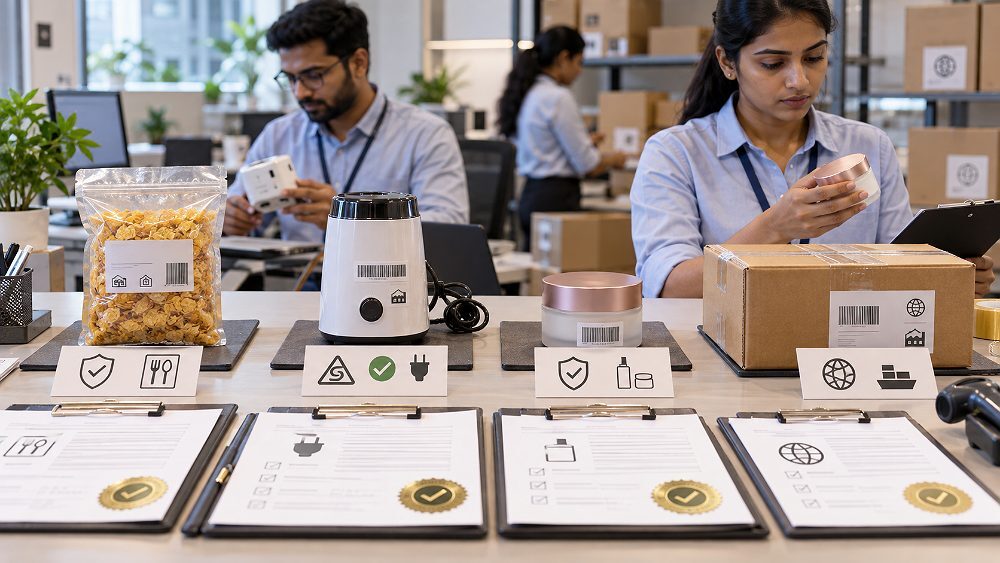
Account eligibility never overrides product law. Depending on the category, sellers may need an FSSAI licence, BIS certification or CRS-related compliance, drug/cosmetic permissions, Legal Metrology declarations, importer information, manufacturer details, packer details or other product licences. Requirements vary by product and current law.
06
Confirm Brand Ownership or Selling Authorization
An own brand should have a defensible brand identity and genuine product origin. A retailer or authorized reseller should retain authentic invoices and, where requested, a brand authorization letter. Flipkart may also ask for trademark registration proof or a trademark certificate in relevant verification scenarios; those requirements should be checked for the exact brand and category.
07
Make Products Marketplace-Ready Before Listing
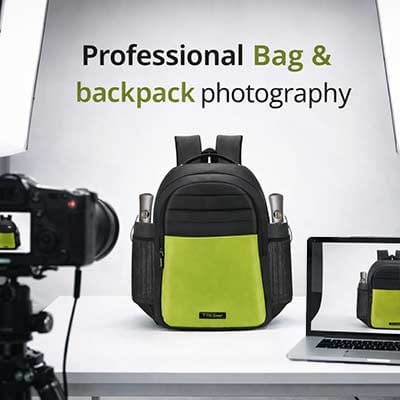
Prepare at least one sellable product with the correct category, product title, attributes, description, pricing, stock, dimensions, packaging information, country of origin and accurate declarations. Build a clean SKU structure and product catalogue before the product listing goes live. The Flipkart catalogue upload guide explains the next catalogue stage, while the Flipkart product photography image-size, ratio and background guide helps prepare marketplace-ready imagery.
Catalogue readiness connects product data, SKU structure, inventory and marketplace images before the first listing is submitted.
Conditional Requirements
Category-Specific Requirements to Sell on Flipkart
A reliable guide to how to become a Flipkart seller must explain that one of the most important requirements to sell on Flipkart is that the product itself must be legally permitted and correctly classified. A seller account can be valid while a specific marketplace listing is still rejected or held for category approval. This is why product compliance should be checked at the SKU and category level rather than treated as a one-time business document.
Flipkart’s Terms of Use state that a seller must be legally able to sell listed items and have the necessary licences and permits. They also note that the platform may request legal requirement documents such as BIS licence documents, a Brand Authorisation Letter or trademark registration proof. Sellers should therefore avoid assuming that one approval covers all future categories.
Products That May Need Extra Compliance Documents
Product/category type
Possible compliance area
Seller should verify
Food and nutrition
FSSAI licence/registration, shelf-life and food rules
Current FSSAI and category requirements
Electronics/electrical
BIS certification, CRS or other applicable standards
Whether the exact product falls under mandatory certification
Cosmetics/regulated products
Applicable manufacturing, import or product permissions
Current statutory and category rules
Imported products
Importer details and country of origin declarations
Category-level compliance can differ sharply between food, electrical, cosmetic, imported and branded products, so verify the current rule for each intended SKU.
Brand Verification
Flipkart Brand Approval: Who Needs It and What Proof May Be Requested?
Understanding Flipkart brand approval is part of how to become a Flipkart seller; it should not be confused with basic seller account approval. The business can be valid, the GSTIN can be accepted and the bank details can be correct, yet a branded listing may still require evidence that the seller owns the brand or has the legal right to sell it. Flipkart seller brand approval requirements can therefore differ by brand, category and verification event.
Selling Your Own Brand on Flipkart
For an own brand, keep the brand name consistent across products, packaging, invoices, manufacturer information and marketplace content. A trademark is not best described as universally mandatory for every Flipkart listing, but trademark registration proof or a trademark certificate may be requested in relevant brand verification scenarios. If packaging uses a different spelling from the requested catalogue brand, resolve that inconsistency before submitting a large product catalogue.
Selling Another Brand as a Retailer or Authorized Reseller
A retailer or authorized reseller should be able to show genuine sourcing. Keep valid purchase invoices and, where required, a brand authorization letter or equivalent permission. The core principle is intellectual-property compliance: do not list counterfeit, unauthorized or misleading branded goods. “Can I sell another brand on Flipkart?” is therefore a rights-and-proof question, not only a seller account question.
Brand Authorization vs Trademark Proof
Document
What it shows
Typical seller
When it may be requested
Trademark proof
Brand ownership/registration evidence
Brand owner
Brand verification or approval scenarios
Brand Authorization Letter
Permission to sell/use the brand
Distributor/reseller
Where the brand/category workflow requires authorization
Purchase invoices
Genuine sourcing
Retailer/reseller
Authenticity or sourcing verification
Manufacturer details
Product origin
Manufacturer/brand
Listing and legal declaration requirements
Brand approval preparation should connect ownership or authorization evidence with genuine sourcing and consistent product identity.
Marketplace Fit
Is Your Brand a Good Fit for Flipkart in 2026-27?
A realistic answer to how to become a Flipkart seller goes beyond forms. Technical Flipkart seller eligibility answers “can the account and products qualify?” Commercial fit answers a different question: “can this business operate profitably and reliably on this ecommerce marketplace?” Seller readiness includes pricing, margins, demand, stock, catalogue quality, packaging, return handling and fulfilment. A legitimate business can still be commercially unready.
6 Signs Your Business Is Ready for Flipkart
Demand is clear: the products solve a known customer need and are not being listed only because registration is easy.
Returns are affordable: gross margin can absorb return, replacement and promotional pressure.
Inventory is reliable: the seller can keep stock available rather than cancelling orders because the SKU was oversold elsewhere.
Fulfilment is consistent: packaging, dispatch and return handling are documented and repeatable.
Catalogue quality is ready: titles, attributes, specifications and product photography match the real products accurately.
When to Fix the Business Setup Before Registering
If the goal is how to become a Flipkart seller with fewer downstream problems, delay seller registration if product ownership is unclear, required licences are missing, tax and identity records conflict, inventory is unreliable or packaging is not ready. Also fix weak product data and inconsistent images before the first listing. Poor catalogue preparation can create avoidable listing rejection and customer-return problems later; the Flipkart photography mistakes guide is useful for the visual side of that risk.
For different business models, how to become a Flipkart seller follows a common base. Flipkart business requirements share a common base—identity, tax, banking, product legality and operations—but the evidence and risk profile changes by seller type. Use the following checks to adapt general Flipkart seller requirements to the actual business model.
D2C Brands and Private Labels
D2C brands should focus on brand identity, product compliance, catalogue consistency, pricing and stock. If selling an own brand, keep packaging, manufacturer details and brand naming aligned. For product visuals, Ckstudio recommends preparing a consistent ecommerce photography system before bulk listing rather than fixing images SKU by SKU after publication.
Manufacturers
Manufacturers can be strong marketplace candidates when product origin, statutory compliance, packaging and inventory are consistent. Manufacturer details, packer details and applicable declarations should be accurate across the product and listing. If the manufacturer is also the brand owner, keep the own brand relationship clear; if manufacturing for another label, do not assume production rights automatically include retail brand rights.
Wholesalers, Retailers and Resellers
Wholesalers and retailers should prioritise authentic sourcing, purchase invoices, brand authorization where required, stock accuracy and item-level margins. An ecommerce seller moving from wholesale to consumer orders also needs consumer-ready packaging, customer-facing product data and a repeatable fulfilment process.
Fashion, Apparel and Jewellery Sellers
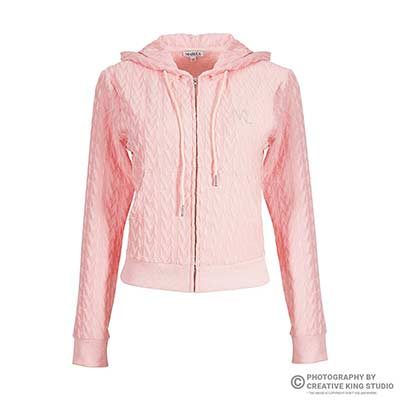
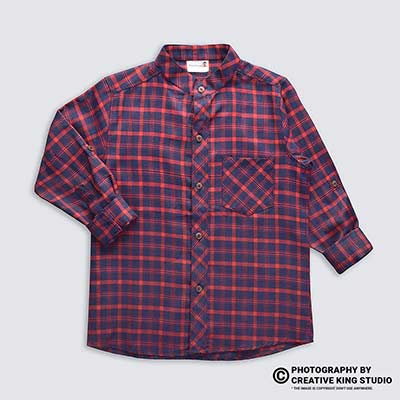
Fashion and jewellery sellers need especially careful SKU and variation planning. Size, colour, material, dimensions and product details should match the actual item, because poor attribute accuracy increases return risk. The Flipkart model photography guide supports fashion sellers using models, while the jewellery product photography service is relevant for reflective small products that need controlled lighting and fine detail.
For general catalogue production, the Flipkart product photography service and ecommerce photography services can help brands prepare consistent marketplace images at scale. This commercial support should come after the seller has confirmed the product, category and brand rules that apply.
Fashion and jewellery sellers benefit from disciplined SKU variation control, accurate product details and consistent catalogue photography before scaling listings.
Next Stage
Flipkart Seller Eligibility vs Seller Registration: What Happens Next?
When learning how to become a Flipkart seller, separate readiness from registration. Eligibility/readiness asks, “Can and should this business sell?” Seller registration asks, “Exactly how should the seller account be created and verified?” Keeping those intents separate prevents a pre-registration guide from becoming a duplicate step-by-step registration tutorial.
Create the seller account in the current Flipkart onboarding flow.
Submit and verify requested business, tax and contact details.
Add location and bank information.
Complete applicable category and brand requirements.
Create or match the first product listing and add inventory.
Begin fulfilling orders after activation and listing approval.
Ckstudio Flipkart Seller Readiness Checklist Before You Register
For readers asking how to become a Flipkart seller without missing a readiness layer, this checklist turns the topic analysis into a practical decision tool. A seller does not need every conditional document in every case, but each line should be either completed or deliberately verified as not applicable before seller onboarding begins.
Legal & Business
Seller/entity details are accurate.
Seller is legally entitled to sell the products.
PAN/business information is ready.
Tax
Relevant GST/onboarding requirement is confirmed.
GST and business information match where applicable.
Bank & Address
Settlement bank information is ready.
Registered address is accurate.
Pickup location is operational.
Brand
Brand ownership is clear.
Trademark evidence is available where applicable.
Authorization/invoices are ready for third-party brands where required.
Category
Product is permitted for sale.
Required licences/certificates are obtained.
Legal Metrology/category declarations are ready.
Catalogue
Titles and attributes are accurate.
SKU/variation structure is planned.
Dimensions and specifications are accurate.
Marketplace-ready product photography is complete.
Packaging information is available.
Operations
Inventory is available.
Packaging and dispatch are repeatable.
Returns can be handled.
Marketplace economics have been reviewed.
Marketplace Production Example
What Marketplace-Ready Visual Production Looks Like
When planning how to become a Flipkart seller, seller eligibility is only the start. Once the product catalogue is ready, consistent visual production helps the marketplace listing represent the actual product clearly. The following approved Ckstudio behind-the-scenes video shows a real commercial marketplace setup for sunglasses used across platforms including Flipkart.
Avoid These Errors
Common Flipkart Seller Eligibility Mistakes to Avoid
Treating account creation and product/category approval as the same thing.
Assuming every category follows identical Flipkart seller requirements.
Entering mismatched legal, GST, bank or address data.
Listing branded products without enough sourcing evidence.
Assuming trademark and brand authorization rules are identical for every seller.
Ignoring product-specific licences or restricted products.
Using inaccurate manufacturer, packer, importer or country-of-origin information.
Preparing product catalogue data only after registration.
Uploading inconsistent images or using product photography that does not match the actual item.
Registering before understanding marketplace margins, fulfilment and returns.
Relying on outdated third-party checklists instead of the current Flipkart Seller Hub.
Final Answer
Are You Ready to Become a Flipkart Seller?
The final practical answer to how to become a Flipkart seller is readiness before speed. If the legal identity, requested tax information, bank details, addresses, product rights, category compliance and catalogue are already organised, the business is ready to move from Flipkart seller eligibility into seller onboarding. If one of those layers is weak, fixing it first is usually faster than creating an account and then resolving verification, brand or listing issues under deadline.
Ready to register
Business, tax, bank, brand and category evidence are in place, and products are marketplace-ready.
Fix first
The business is legitimate, but catalogue, images, packaging, documents or operations still need preparation.
Verify category/brand
Core business details are ready, but current Flipkart or product-specific approval still needs confirmation.
Frequently Asked Questions About How to Become a Flipkart Seller
These answers address the most common Flipkart seller account requirements without turning conditional rules into universal claims. Always confirm the live Seller Hub flow for the intended category.
For anyone asking how to become a Flipkart seller, a Flipkart seller generally needs verifiable business/contact information, applicable tax details, PAN or business identity, bank and address details, legally sellable products, and any required brand or category-specific documents. Operational readiness also includes a product catalogue, inventory and fulfilment plan.
Flipkart’s current standard seller onboarding prominently uses valid GST details, while Indian GST rules contain a conditional waiver for certain qualifying unregistered suppliers selling goods through ecommerce operators. Sellers should verify the requirement shown for their exact category and state in Seller Hub.
A trademark should not be described as universally mandatory for every Flipkart listing. However, Flipkart may request trademark registration proof, a trademark certificate or other brand evidence during brand or category verification.
A seller can list genuine branded products when it has the legal right to sell them. Flipkart may request purchase invoices, a Brand Authorization Letter or other evidence depending on the brand, category and verification scenario.
Prepare business and contact details, PAN, applicable GST details, bank information, registered and pickup addresses, plus any required brand authorization, trademark, licence or product-compliance documents. Keep the data consistent across records to simplify seller verification.
Do not assume a current account is universally mandatory for every seller type unless the live onboarding flow says so. What the seller should confirm is that the settlement account, account-holder identity and any requested bank account verification proof match the seller setup.
For the question of how to become a Flipkart seller as an individual, manufacturer, wholesaler or retailer, different seller structures can potentially sell on Flipkart if the person or business is legally eligible, the requested account information is verifiable and the products comply with applicable brand, category and statutory rules. Business type alone does not guarantee approval for every product.
Catalogue Not Ready Yet?
Prepare Flipkart-Ready Product Images Before You Scale Listings
Ckstudio helps ecommerce sellers prepare consistent product photography and catalogue visuals after the seller has confirmed its category and brand requirements. For a practical discussion with Prince, call +91-8700258773, WhatsApp +91-8700258773, or email [email protected].
Prince is the founder of Ckstudio and works with ecommerce catalogue, marketplace photography and seller-ready visual production. This article is designed as a pre-registration framework, not legal or tax advice. Sellers should verify category, GST and platform requirements from the current official sources before acting.