




Fashion Photography Services




E-commerce Photography



A practical marketplace growth system for sellers whose listings are already live but need stronger visibility, clicks, conversion, availability and repeatable weekly optimization.

To increase sales on Flipkart, a seller needs more than a live catalogue. Growth comes from improving the complete path from product discoverability to click-through rate, conversion rate, stock availability, fulfilment performance and post-purchase customer trust. If impressions are weak, the problem is visibility. If clicks are healthy but orders are low, the problem is usually offer quality, product information, imagery or confidence.
This guide is deliberately not another registration tutorial. It starts after the account is active and products are listed. Sellers who are still evaluating marketplace fit can use the Flipkart seller eligibility and brand-fit guide, while fashion businesses planning a multi-marketplace catalogue can also bookmark the future Myntra marketplace seller guide hub.
The working model throughout this article is simple: Visibility → Clicks → Conversion → Availability → Seller Performance → Repeat Optimization. That framework keeps marketplace growth focused on the bottleneck that actually limits orders instead of encouraging random changes to ads, pricing or listings.
Flipkart seller growth can be viewed as a connected funnel. Relevant product impressions create an opportunity for clicks. Strong listing presentation and an attractive offer turn product views into orders. Reliable inventory availability and fulfilment performance protect that momentum, while returns, cancellations and customer experience determine whether growth remains healthy.
For marketplace search ranking, sellers should avoid assuming that one isolated factor controls product ranking. Flipkart does not publish a simple ranking formula. A safer operating approach is to improve the inputs sellers can control: catalogue quality, structured product attributes, product descriptions, marketplace keywords, offer competitiveness, customer experience, advertising, and stock continuity.
Flipkart’s official seller resources currently surface tools for business insights, inventory, pricing and advertising. Sellers should verify the tools visible in their own account because interfaces and feature names can change. The official Flipkart seller growth tools are the most reliable place to confirm current availability.
Start with symptoms, not assumptions. Low impressions point toward product discoverability, catalogue relevance or insufficient demand. Impressions with weak clicks suggest the title, primary image, price or offer may not earn attention. Healthy product views with low orders usually indicate a conversion-rate issue. Orders with high return rate or cancellation rate signal expectation, quality, inventory or fulfilment problems.
| Problem | Likely cause | Metric to check | First action |
|---|---|---|---|
| Low impressions | Weak relevance or discoverability | Product impressions | Improve catalogue data and search terms |
| Impressions, few clicks | Weak thumbnail, title or offer | Click-through rate | Improve primary image and title clarity |
| Clicks, few orders | Low purchase confidence | Conversion rate | Fix images, details, pricing and trust signals |
| Orders, high returns | Expectation mismatch | Return rate | Audit images, size/specs and QC |
| Good conversion, low volume | Inventory constraint | Stock availability | Replenish winning variants |

The best Flipkart sales tips are not a checklist of random tactics. Each strategy below should be applied according to the bottleneck identified above. A seller with weak visibility needs a different first action from a seller with strong traffic but poor conversion, and both need a different plan from a seller whose top SKUs repeatedly go out of stock.
Record a baseline for product impressions, product views, click-through rate, conversion rate, orders, revenue, cancellations, returns, advertising spend and inventory availability. This turns Flipkart seller growth into measurable work. Without a baseline, a seller may change product titles, images and prices simultaneously and never know which change actually helped.
Use Seller Hub analytics or the marketplace analytics available in the account to identify three groups: high-impression/low-click products, high-view/low-conversion products and high-conversion products with stock constraints. These groups become the first weekly work queue.
Product title optimization should make the item immediately understandable while matching buyer language. A practical structure is Brand + Product Type + Primary Attribute + Material/Style + Size or Quantity where those details are genuinely useful. Avoid stuffing unrelated marketplace keywords because a longer title is not automatically more relevant.
Weak example: “Best Premium Trending Stylish Latest Shirt Men Fashion New.” Better example: “Brand Men Regular Fit Cotton Checked Casual Shirt.” The second version communicates product type, audience, fit, material and pattern. Strong Flipkart SEO begins with clarity, not repetition.
Structured product attributes support product discoverability and help shoppers filter confidently. Complete category, colour, material, size, pattern, style and product-specific specifications accurately. Keep variant naming consistent so catalogue optimization does not create confusion between sizes, shades or pack quantities.
Attributes also reduce friction after the click. If a buyer can see the right material, dimensions or compatibility information quickly, product descriptions do not have to compensate for missing structured data.

Product catalogue quality is a conversion asset. Keep benefits, specifications, measurements, care instructions, compatibility details and variant information accurate across SKUs. Catalogue inconsistencies create customer doubt and can also increase operational errors during uploads and updates.
For bulk changes, use a controlled process. The Flipkart catalogue upload guide is useful for organising listings, while the listing rejection reasons and fixes guide helps sellers troubleshoot avoidable catalogue problems before they disrupt visibility.
Product images influence whether a shopper understands the item before buying. Use a clear main image, accurate colours, useful alternate angles, close-ups, scale references and detail photographs. Fashion products may need model photography or ghost mannequin views; jewellery benefits from controlled reflections and macro detail; footwear needs side, top, outsole and construction views.
Better imagery cannot guarantee sales, but it can remove uncertainty. Sellers can compare the Flipkart photography guidelines with the newer image size, ratio and background guide when planning production. The Flipkart listing images guide adds shot-sequence context for a complete listing.
Apparel: front, back, side, fabric/detail and model or ghost mannequin. Jewellery: clean hero, macro, clasp/closure, scale and styled context. Footwear: side profile, three-quarter, top, outsole and texture. Beauty, home décor and electronics should use the same principle: show every feature a buyer would otherwise need to imagine.

Competitive pricing does not mean being the cheapest seller. Compare price against perceived value, shipping promise, ratings, product quality and marketplace fees. Build discounts and marketplace promotions from a margin calculation, not from an order target alone.
Before changing price, understand the complete economics. The Flipkart seller fees and profit-calculation guide can help frame contribution margin so promotional decisions support profitable ecommerce seller growth.
Customer reviews and seller ratings are trust signals, but they should be earned through accurate product representation and reliable service rather than manipulation. Align the actual product with its photography, measurements, materials and specifications. Packaging and quality consistency matter because a visually strong listing cannot compensate for a poor delivered experience.
When buyers receive what the listing promised, customer trust has a stronger foundation. That supports conversion rate and reduces the risk of repeated expectation-related complaints.
Return rate and cancellation rate should be reviewed at SKU level. Look for patterns such as wrong colour expectations, sizing confusion, inaccurate dimensions, missing accessories, packaging damage or stock errors. Fix the source of the mismatch instead of treating returns as only a logistics problem.
If imagery is contributing to expectation gaps, compare real studio capture with synthetic alternatives using the AI vs real Flipkart photography guide. For policy-side return handling, use the seller returns and claim-policy guide.
Inventory availability protects sales velocity. Prioritise high-demand SKUs, monitor variants separately and prepare stock before major promotional periods. A bestselling colour in one size can hide stock problems in other variants, so stock management should be granular rather than based only on total units.
Build simple reorder triggers using recent demand and lead time. Avoid overselling by keeping inventory data accurate across operational systems.

Seller performance depends on disciplined operations: accurate stock, reliable packing, timely processing and fewer preventable cancellations. Track fulfilment performance as part of growth because a marketing plan cannot fix operational friction after an order is placed.
Use a simple exception log for late dispatch, inventory mismatch, damaged packaging and repeat customer complaints. Weekly review turns fulfilment issues into specific process fixes rather than recurring surprises.
Flipkart Ads can add qualified listing visibility, but paid traffic should be sent to product pages that are ready to convert. Prioritise SKUs with complete information, strong images, competitive offers, available inventory and acceptable margin. Advertising a weak page may increase visits without solving the underlying conversion problem.
Track spend, attributed sales and advertising ROAS at product level. Flipkart’s official Flipkart Ads resource describes current campaign options and should be checked before changing campaign structure.
Revenue and profit are not the same. Separate high-spend products, low-converting products and proven winners. Reallocate budget toward products that can convert profitably, and pause or repair weak listings before scaling. The goal of Flipkart Ads optimization is disciplined seller marketing, not the highest possible spend.
For creative-heavy categories, better product imagery or a more informative video may improve the product page before extra traffic is added. The Flipkart product video guide explains where motion content can support product understanding.

Sellers searching for Flipkart NXT Insights should focus on the business decision behind each insight, not the dashboard label. If the account shows demand, selection, pricing, return or inventory insights, translate each signal into an action: add stock to validated demand, improve weak product pages, review price gaps or stop expanding products that consistently underperform.
Feature names may vary by account and over time. Treat Seller Hub analytics as a decision layer: marketplace analytics should lead to a specific listing, pricing, inventory or marketing change that can be measured the following week.
Marketplace promotions can accelerate demand, but they also magnify weak planning. Choose suitable SKUs, calculate margin, prepare stock, check catalogue readiness and coordinate ad budgets before the event. Discounting an unprofitable or low-quality listing simply creates more activity around a weak offer.
Use event periods to learn which products respond to extra visibility. After the sale, compare normal-period and promotion-period behaviour rather than assuming all order growth should be permanent.
A repeatable Flipkart seller strategy is Measure → Diagnose → Optimize → Test → Compare → Scale. Every week, review listings, pricing, images, inventory, ads, conversion, returns and top SKUs. Make a small number of high-confidence changes and record what was changed.
This weekly rhythm protects sellers from reactive decision-making. It also creates a history of which improvements affected product visibility, click-through rate, conversion rate and profitability over time.
Weekly metrics should answer two questions: where is the funnel leaking, and what should be changed next? Avoid dashboards that collect data without decisions. A compact review of impressions, views, conversion, order quality, ads and inventory is usually enough to create the next action list.
| Metric | What it measures | Warning signal | Optimization action |
|---|---|---|---|
| Impressions | Search/listing visibility | Low reach | Improve relevance and catalogue data |
| Product views | Listing traffic | Views lag impressions | Improve thumbnail/title/offer |
| CTR | Click efficiency | Weak clicks | Test primary image and title |
| Conversion rate | Purchase efficiency | Traffic without orders | Improve trust, content and offer |
| Orders / revenue | Commercial output | Flat despite more traffic | Audit product mix and conversion |
| Ad spend / ROAS | Advertising economics | Spend rises faster than return | Reallocate or fix listing |
| Cancellation rate | Order reliability | Repeated seller-side cancellations | Fix inventory and fulfilment |
| Return rate | Expectation match | SKU-level spikes | Audit product, images and specs |
| Stock availability | Ability to capture demand | Winner frequently unavailable | Improve forecasting and replenishment |
| Seller/service performance | Operational quality | Late or inconsistent fulfilment | Fix process bottlenecks |
A 30-day plan prevents sellers from changing everything at once. Use week one to diagnose, week two to improve listings and images, week three to refine pricing, inventory and ads, and week four to compare the new data with the original baseline.
| Week | Priority | Actions | Metrics to track | Expected learning |
|---|---|---|---|---|
| 1 | Diagnose funnel | Find low-CTR, low-conversion, high-return and stock-out SKUs | Impressions, CTR, conversion, returns, stock | Largest bottleneck |
| 2 | Fix listings & images | Improve titles, attributes, descriptions and visual sets | CTR, views, conversion | Creative/catalogue response |
| 3 | Pricing, stock & ads | Review offer, replenish winners, improve campaigns | Orders, ROAS, margin, stock | Commercial efficiency |
| 4 | Compare & scale | Measure against baseline, document winners, plan next cycle | All core KPIs | What to scale next |
When a seller asks why Flipkart sales are low, the answer is usually visible somewhere in the funnel. Use this list as a diagnostic prompt, not as proof that every issue applies to every account.
Catalogue errors can also suppress momentum through repeated corrections or rejections. The Flipkart photography mistakes guide focuses on visual issues, while catalogue teams should use the listing-rejection guide linked earlier for data-side fixes.
Organic optimization and paid advertising solve different parts of the same growth system. Organic work improves listing relevance, catalogue quality, visual clarity, pricing and operations. Ads buy additional qualified visibility. The strongest approach is to make the product page worth promoting before increasing paid traffic.
| Method | Purpose | Cost | Speed | Best use | Long-term benefit |
|---|---|---|---|---|---|
| Listing SEO | Improve relevance | Operational | Gradual | Always-on catalogue | Better discoverability |
| Catalogue optimization | Improve decision quality | Operational | Gradual | All SKUs | Cleaner data foundation |
| Better images | Improve click and confidence | Production | Moderate | High-value / weak-CTR SKUs | Reusable visual assets |
| Competitive pricing | Strengthen offer | Margin impact | Fast | Price-sensitive categories | Offer learning |
| Flipkart Ads | Add qualified visibility | Ad spend | Fast | Strong product pages | Scalable demand testing |
| Promotions | Event demand | Discount/margin | Fast | Prepared SKUs | Demand insight |
| Inventory & fulfilment | Protect availability | Working capital/ops | Ongoing | Winning products | Stable sales continuity |
Product images affect first impressions, product understanding and buyer confidence. Titles can name material, dimensions and use; images show finish, texture, colour, shape, construction and scale. For high-SKU catalogues, consistency also helps the brand look organised across search results and product pages.
At Ckstudio, marketplace work is approached as catalogue production rather than isolated “pretty pictures.” The ecommerce photography workflow explains how product preparation, capture, review and delivery can be standardised. Sellers can also review ecommerce photography services and the product photography guide for ecommerce brands when planning a larger reshoot.
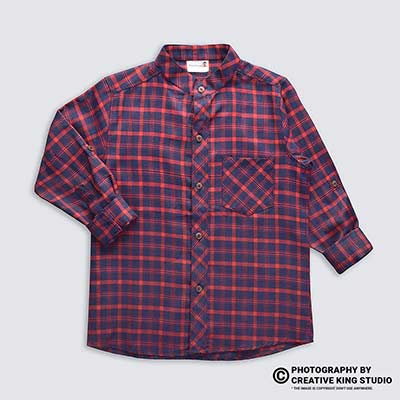
Fashion sellers may need consistent model poses, garment fit and colour accuracy. The Flipkart model photography guide gives category-specific direction, while the Flipkart product photography guide covers broader catalogue image planning.
Consider a reshoot when a listing receives impressions but weak clicks, the product is hard to understand from existing images, colours are inaccurate, detail shots are missing, cropping is inconsistent or returns repeatedly mention expectation mismatch. A reshoot should solve a defined communication problem, not simply replace images because they are old.

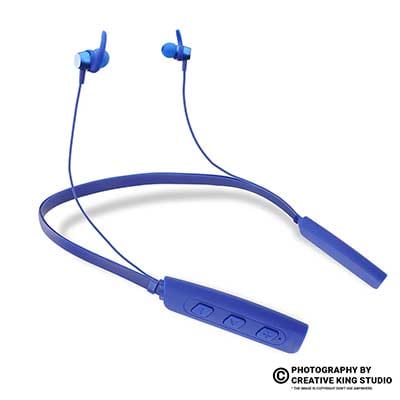
For a practical look at controlled marketplace production, this approved behind-the-scenes example shows how a small accessory can be handled under studio lighting for Amazon, Flipkart, Myntra and Meesho-ready visual content.
Ckstudio creates product, fashion, jewellery, model and catalogue photography for ecommerce sellers. For a production discussion, call Prince at +91-8700258773, message on WhatsApp or email [email protected].
Increase sales on Flipkart by improving the weakest stage in the funnel: visibility, clicks, conversion, stock availability, seller performance or advertising. Track impressions, product views and orders first, then change the listing, images, offer, inventory or campaign that corresponds to the bottleneck.
More orders usually require both qualified visibility and a product page that converts. Improve Flipkart listing optimization, product discoverability, primary images, pricing and stock continuity before scaling Flipkart Ads.
Flipkart does not publish a simple ranking formula. Focus on accurate catalogue data, relevant product titles and attributes, competitive offers, customer experience, inventory and overall listing performance rather than trying to manipulate a single assumed factor.
Flipkart Ads can increase qualified visibility, but their commercial value depends on product-page quality, conversion rate, pricing, inventory and margin. Fix weak listings before materially increasing ad spend, then monitor advertising ROAS by SKU.
Clear product images help buyers evaluate design, material, colour, scale and details before ordering. Better visual coverage can reduce uncertainty and support click-through and conversion, especially when the main image and alternate views accurately represent the delivered item.
Review returns at SKU level and connect each reason to a fix: sizing, colour, dimensions, missing accessories, product quality, packaging or inventory mismatch. Update catalogue information and images when the listing creates expectations that the delivered product cannot meet.
Do not try every tactic at the same time. Find the largest bottleneck, improve one growth lever, measure the result and scale what works. A seller with low impressions should prioritise discoverability and catalogue relevance; a seller with strong traffic and low conversion should prioritise images, information, trust and offer quality; a seller with strong demand should protect inventory and fulfilment.
The core system remains the same: listing quality + product images + pricing + inventory + Flipkart Ads + analytics + weekly review. That is how to grow on Flipkart without confusing activity with progress.
For brands operating across fashion marketplaces, cross-linking seller education can also support topical authority. The planned Myntra marketplace seller hub can serve as the parallel resource for registration, catalogue, fees, returns and growth topics on Myntra.
Ckstudio can plan repeatable ecommerce catalogue photography for product, garment, model, ghost mannequin and jewellery listings. Call Prince at +91-8700258773, use WhatsApp +91-8700258773 or write to [email protected].