
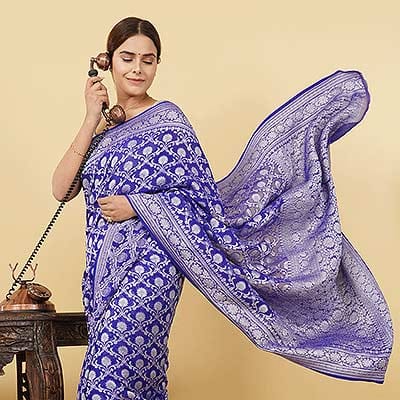
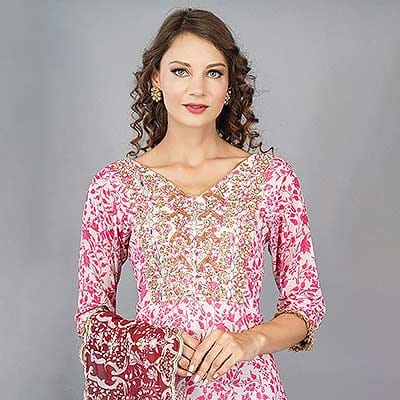
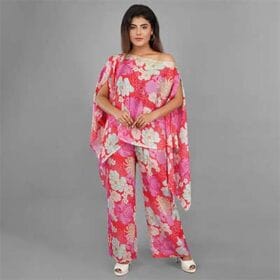
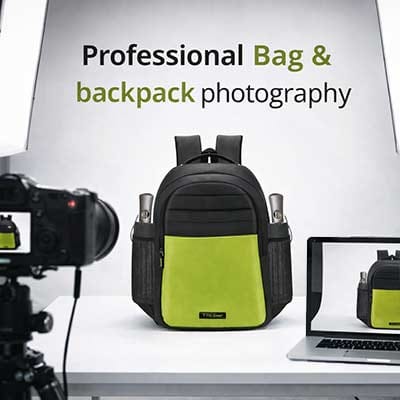
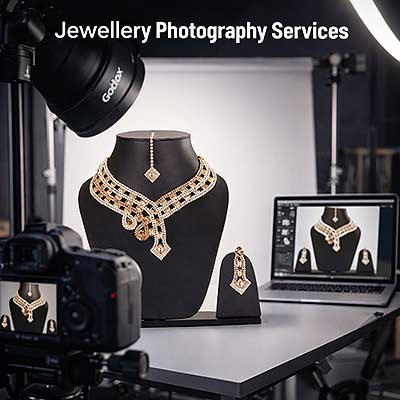
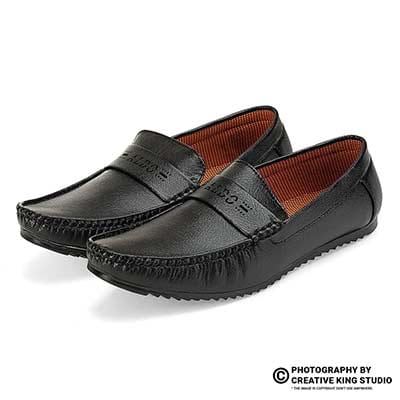
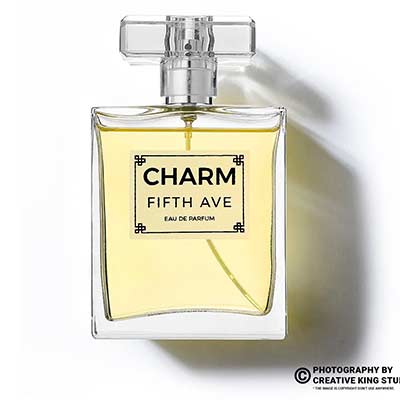
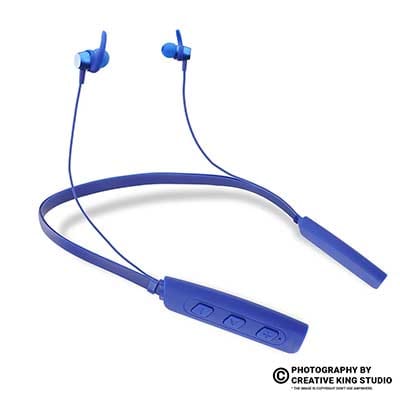
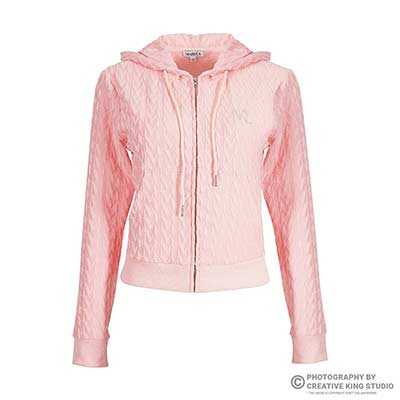
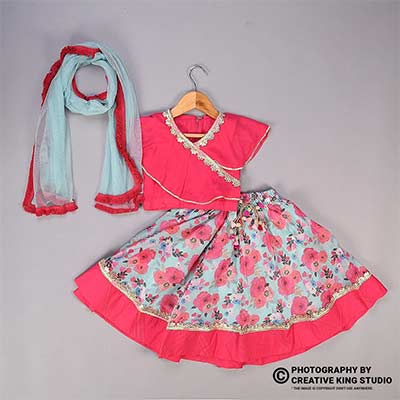
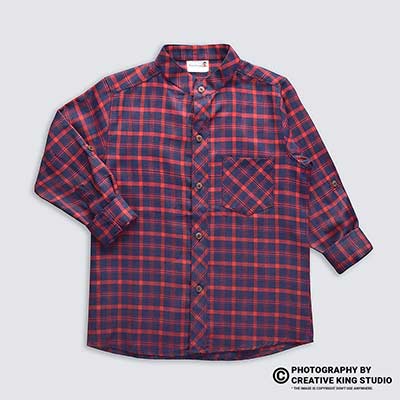
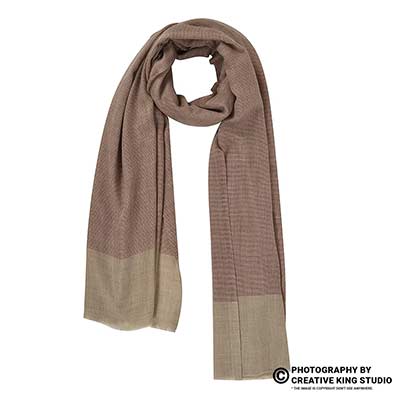
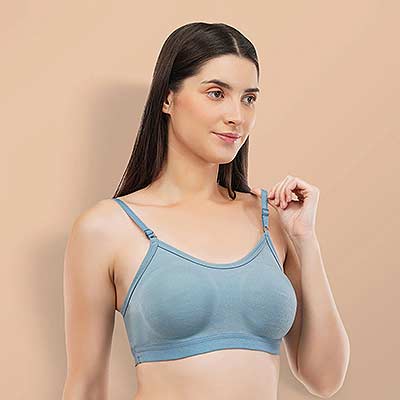
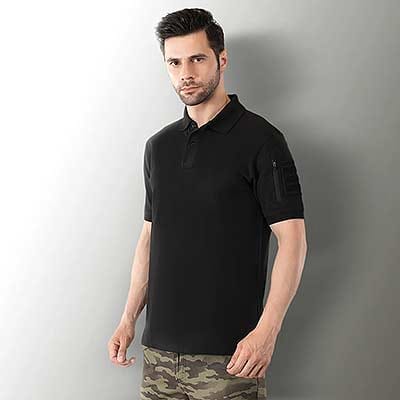

A professional Flipkart-compliant product photography setup at Ckstudio, Delhi.
If you’re a new seller stepping into Flipkart in 2026, your product images will decide whether buyers tap “Buy Now” or scroll past. Flipkart, India’s largest homegrown e-commerce marketplace, has updated its image quality benchmarks for 2026 — and platforms like Amazon and Myntra have followed similar visual-first standards.
This beginner-friendly guide from Ckstudio walks you through every Flipkart photography rule that matters in 2026: image dimensions, white background requirements, apparel model shoot expectations, ghost mannequin standards, and why professional photography still beats AI-generated images for serious sellers. Whether you sell handicrafts, apparel, jewellery, or electronics — by the end of this article you’ll know exactly what to shoot, how to shoot it, and what to avoid.
🎯 Key Takeaways
- Minimum image size: 2000×2000 px on a pure white #FFFFFF background.
- Up to 8 images per listing are allowed — main, alternate angles, lifestyle, scale & detail shots.
- Apparel listings perform 3-5x better with professional model photography than flat-lay alone.
- Ghost mannequin is now a standard for clothing — Flipkart actively rewards clean fit visuals.
- AI-generated images trigger higher returns; real professional photography remains the trust currency in 2026.
1. Understanding Flipkart Photography Fundamentals
Flipkart’s product image policy has one core mission: show the buyer exactly what they’re paying for. The platform has steadily tightened its visual standards from 2019 onwards, and 2026 marks the year where image quality directly impacts search ranking, not just appearance.
At its foundation, Flipkart photography is built on three pillars: technical compliance (size, background, file format), visual storytelling (angles, lifestyle context, scale), and brand consistency (uniform styling across the catalogue). New sellers often nail the first pillar but ignore the other two — and that’s exactly where conversion is lost.
What Flipkart Officially Requires in 2026
- Resolution: Minimum 2000×2000 px (square preferred)
- Background: Pure white #FFFFFF for the main image
- Product Coverage: 85% of frame minimum
- File Format: JPEG (sRGB colour profile)
- File Size: Below 10 MB per image
- No watermarks, logos, or promotional text on the main image
For deeper category-specific specs, the official Flipkart Seller Hub publishes updated photography guidelines per category, and Ckstudio cross-references these regularly to keep our seller clients compliant.
2. Why Flipkart Photography Matters More Than Ever in 2026
In 2026, Flipkart’s product discovery is heavily influenced by visual quality signals. Listings with high-resolution, professionally shot images consistently outperform DIY photography in click-through rate, conversion rate, and post-purchase reviews.
Beyond raw numbers, professional e-commerce photography establishes brand credibility. When a Flipkart shopper compares two identical products, the listing with cleaner, sharper, more lifestyle-rich images wins — almost without exception. Sellers expanding from Flipkart to Myntra or Meesho find that the same high-quality image set works across platforms with minor cropping adjustments.
3. Real Professional Photos vs AI-Generated Images: The Honest Comparison
2026 has seen an explosion of AI image-generation tools. Many new sellers ask Ckstudio: “Can I just generate my product images with AI?” Our honest answer — not for serious selling. Here’s why, broken down side-by-side.
| Factor | Real Professional Photography | AI-Generated Images |
|---|---|---|
| Authenticity | Shows your actual product, exact colour, real fabric & texture | Approximated visuals; often misrepresents fabric, fit, finish |
| Flipkart Policy | Fully compliant with authentic-representation rules | Risk of policy violation if visibly generated |
| Return Rate | Lower — buyer expectations match delivery | Higher — mismatch between AI image & real product |
| Buyer Trust | Strong — real photos signal real business | Weak — buyers increasingly identify AI artefacts |
| SEO & Reviews | Reviews mention “as shown in photos” positively | Negative reviews (“not like the picture”) hurt ranking |
| Brand Story | Lifestyle, model context, mood — all controllable | Generic, often inconsistent across listings |
| Cost Long-term | Higher upfront, lower returns & higher LTV | Cheap upfront, expensive due to returns & lost trust |
The bottom line: AI image generation is useful for mood-boards or prototypes — not for final listing images. Successful Flipkart and Amazon sellers in 2026 invest in real photography because it converts, retains, and builds the brand. Ckstudio has helped hundreds of sellers replace AI placeholder images with proper studio shots and watch their conversion rates climb within weeks.

A realistic comparison between professional product photography and AI-generated images, highlighting why successful Flipkart sellers in 2026 still rely on authentic studio photography for better buyer trust, lower returns, and higher conversions.
4. Step-by-Step: How to Shoot Flipkart-Compliant Photos
This is the practical core of the guide. Whether you’re shooting in-house or hiring a studio like Ckstudio’s Flipkart photography service, follow these five steps in order.
1Plan Your Shot List Per Listing
Before touching the camera, list every shot you need: main image, 3 alternate angles, 1 scale reference, 1 lifestyle shot, 1 detail close-up, and for apparel — 1 model shot or ghost mannequin. Planning saves hours of reshoots.
2Set Up the Right Lighting
Use soft, even lighting from 45-degree angles to eliminate harsh shadows. At Ckstudio we use 4× Godox SK 400II + 2× Elinchrom FRX 400 with strip softboxes for products and an octabox plus beauty dish for fashion shoots. For DIY beginners, two softboxes and a white reflector work as a starter kit. Proper lighting is the single biggest gap between amateur and professional garment photography.
3Shoot All Required Image Variations
Capture every angle Flipkart expects: front, back, side, top-down, scale, and texture detail. For apparel and accessories, add lifestyle context. Sellers who only upload 2-3 images leave conversions on the table — Flipkart algorithms favour fully populated listings.
4Plan Apparel Model Photography Carefully
For clothing and accessories, professional model shoots dramatically improve buyer confidence. Choose models matching your target demographic, brief them on poses, and shoot multiple looks per outfit. If a full model photoshoot isn’t in the budget yet, ghost mannequin photography is the smart middle path.
5Edit, Retouch, and Export Correctly
Clean the white background to true #FFFFFF, color-correct against your real product, remove dust/lint, and export as sRGB JPEG at quality 85+. Skipping professional image editing is where most DIY shoots fall apart. A perfectly lit photo with messy editing still looks unprofessional.
5. Practical Examples: What Works on Flipkart in 2026
Let’s look at three real seller categories Ckstudio works with daily and what their winning Flipkart image sets look like.
Example A — Apparel Brand (Women’s Ethnic Wear)
Best-performing listing structure: 1 model front shot, 1 model back shot, 1 ghost mannequin (full garment shape), 1 fabric close-up, 1 dupatta detail, 1 styling/lifestyle image, 2 size-chart and care-label graphics. This combination satisfies both Flipkart and lookbook photography standards.
Example B — Footwear Brand
Top sellers use: 1 hero shot at 45° angle, side profile, sole pattern, top-down on-foot styling, lifestyle outdoor shot, and a scale/sizing reference. Footwear photography rewards consistency across the entire range.
Example C — Handicraft / Home Décor
Winning sets include a clean white-background hero, a styled lifestyle shot in a real interior, a detail close-up of craftsmanship, scale reference with a known object (like a hand or a cup), and a 360° angle if possible. Handicraft sellers often see Etsy and Meesho pulling in extra orders once their Flipkart imagery is sorted.
6. 7 Common Flipkart Photography Mistakes (And How to Fix Them)
❌ Mistake 1: Off-White or Grey Backgrounds
Many beginners shoot on what looks white but is actually grey-cast. Flipkart requires pure #FFFFFF. Fix: Shoot slightly overexposed and clean to true white in editing.
❌ Mistake 2: Phone Camera with Mixed Lighting
Mixing daylight from a window with indoor tube lights creates colour shifts. Fix: Shoot in controlled studio light or with a single light source plus reflectors.
❌ Mistake 3: Watermarks or Brand Logos on Main Image
Flipkart will flag and demote these listings. Fix: Reserve branding for A+ infographic content, never the main image.
❌ Mistake 4: Skipping Model Shots for Apparel
Buyers can’t visualize fit on flat-lay alone. Fix: Even a single ghost mannequin or hanger shot beats no fit reference.
❌ Mistake 5: Inconsistent Style Across the Catalogue
Different lighting and angles per product breaks brand trust. Fix: Lock a shooting template per category and stick to it.
❌ Mistake 6: Over-Editing & Skin Smoothening
Plastic-skin retouching backfires — buyers spot fakes immediately. Fix: Subtle retouching only; keep texture realistic.
❌ Mistake 7: Compressing Images Below Quality 80
Tiny files look pixelated on zoom-in. Fix: Export sRGB JPEG at quality 85+ and stay under the 10 MB limit.
Need Flipkart-Compliant Photography Done Right?
Ckstudio’s Delhi studio handles full Flipkart shoots — products, apparel, models, ghost mannequin & post-production.
7. Advanced Pro Tips From Ckstudio’s Studio Floor
These are insights collected over 9+ years of shooting for sellers across Amazon, Flipkart, Ajio, and D2C brands. Most aren’t obvious until you’ve shot a few thousand SKUs.
💡 Tip 1: Match Cropping Across Marketplaces
Shoot wider than needed. A single master image can be cropped square for Flipkart, vertical for Myntra, and 16:9 for social — saving you reshoots.
💡 Tip 2: Build a Reusable Lighting Recipe
Document your softbox positions, power ratios, and camera settings. Repeatability is the only way to scale a catalogue past 100 SKUs without quality drift.
💡 Tip 3: Use the Same Model for the Whole Collection
It builds visual recognition for buyers and makes your brand feel established. Fashion-focused sellers see this work especially well.
💡 Tip 4: Shoot RAW, Not JPEG
RAW files give you 4-5 stops of recovery in post. JPEG locks you in. Storage is cheap — quality is not.
💡 Tip 5: Test Your Top 3 Images on Mobile First
80%+ of Flipkart traffic is mobile. If your hero image looks flat on a 6-inch screen, redo it. Always.
8. Tools & Equipment Recommendations
Here’s the actual kit Ckstudio uses daily for Flipkart, Amazon, and Ajio shoots — battle-tested across thousands of listings.
Cameras
Full-frame mirrorless or DSLR is the standard. Ckstudio uses the Canon R10 and Sony A7R5 for product and fashion work. APS-C cameras work fine for beginners; what matters more is the lens.
Lenses
- 100mm macro — jewellery, watches, cosmetics
- 50mm prime — general products, lifestyle
- 24-70mm zoom — apparel, model shoots, flexibility
- 85mm prime — fashion model close-ups
Lighting
4× Godox SK 400II + 2× Elinchrom FRX 400 with 4× strip softboxes and 2× octaboxes covers 95% of e-commerce shoots. Add a beauty dish for fashion model work. Continuous LEDs are an option for video crossover.
Backgrounds & Surfaces
Seamless paper rolls in Super White, polypropylene sweep boards for products, and dressed sets for lifestyle shots. For jewellery photography, acrylic risers and reflective surfaces add depth.
Software
Capture One for tethered shooting, Adobe Lightroom for catalog colour grading, Adobe Photoshop for retouching, and dedicated cleanup plug-ins for ghost-mannequin work.
9. Flipkart Photography Implementation Checklist
Before you upload your next listing, run through this Ckstudio quick-check. Tap each item to mark complete.
📋 Pre-Upload Checklist
- Main image is 2000×2000 px or larger
- Background is pure white #FFFFFF (no grey cast)
- Product fills at least 85% of the frame
- No watermarks, logos or text overlays on main image
- 4–7 alternate angle shots are uploaded
- Lifestyle / context shot is included for category fit
- Apparel listings include model OR ghost mannequin shot
- Scale reference is provided for size-ambiguous products
- All images exported as sRGB JPEG, quality 85+
- File size is under 10 MB per image
- Images are colour-matched to the actual product
- Cropping is consistent across the entire catalogue
10. Flipkart Photography Trends for 2026 & Beyond
Based on patterns Ckstudio is seeing across client briefs and Flipkart’s own creator updates, here’s where the platform is heading.
- Short-form product video — 6-second clips on listings are becoming standard, especially for apparel and electronics. Sellers exploring this can review Ckstudio’s video production services.
- 360° interactive views — particularly for footwear, jewellery, and watches. 360° photography is no longer optional for premium SKUs.
- Diverse Indian model representation — sellers featuring real, regional models report higher trust scores from Tier 2/3 buyers.
- Sustainability storytelling visuals — eco-packaging, behind-the-scenes shots, and natural lifestyle settings are gaining traction.
- AR try-on integration — Flipkart is rolling out AR for select fashion and home categories. High-resolution, multi-angle photography is the data backbone for these features.
- Stricter authenticity signals — expect Flipkart and other platforms to roll out verification badges for sellers using authentic photography over AI generation.
11. Frequently Asked Questions
Flipkart requires minimum 2000×2000 pixels with maximum file size around 10 MB. Pure white background (#FFFFFF) is mandatory for the main image, and the product should occupy at least 85% of the frame. Square aspect ratio is strongly preferred for optimal display across mobile and desktop.
Flipkart allows up to 8 images per product listing. The recommended mix is: 1 main hero image, 3-4 alternate angles, 1 lifestyle context shot, 1 detail close-up, and 1 scale or fit reference. Listings with 6+ images consistently outperform those with only 2-3.
Yes. For clothing, footwear, and accessories, model photography is strongly preferred and improves conversion 3-5x compared to flat-lay alone. If full model shoots are out of budget initially, ghost mannequin photography is an excellent middle path that still shows fit and shape.
Flipkart guidelines require authentic product representation. AI-generated images often misrepresent fabric texture, fit, and exact colour, which leads to higher returns and policy concerns. Real professional photography remains the recommended path for any seller serious about scaling on the platform.
Ghost mannequin (also called invisible mannequin) is a technique where the garment is photographed on a mannequin and the mannequin is digitally removed in post-production, leaving a clean 3D shape of the apparel. It is fully allowed on Flipkart and is considered a premium technique for clothing categories.
Pricing varies by product type, image volume, and whether models are involved. Per-product photography typically starts around ₹150-₹400, while apparel model shoots are project-based. Reach out to Ckstudio at [email protected] for a custom quote based on your catalogue size.
Largely yes, with minor adjustments. Flipkart and Amazon share similar white-background main image rules, and Myntra adds lifestyle preferences. A well-shot master file can usually be cropped and exported for all three with light tweaks.
Conclusion: Build Your Flipkart Photography on the Right Foundation
Flipkart photography in 2026 is no longer about meeting minimum specs — it’s about standing out in a visually crowded marketplace. Sellers who invest in proper white-background hero shots, well-planned model photography, ghost mannequin fit visuals, and consistent post-production are the ones whose listings climb the rankings and stay there.
If you’re starting your Flipkart journey or upgrading an existing catalogue, treat photography as a long-term asset, not a one-time expense. The same image set will serve you on Myntra, Meesho, Ajio, and your own D2C site for years.
Ckstudio has built its reputation on exactly this kind of seller-first imagery — production-ready, marketplace-compliant, and built to convert.
Ready to Upgrade Your Flipkart Listings?
Get a free shoot consultation with Prince — pricing, deliverables, and timelines tailored to your category.