












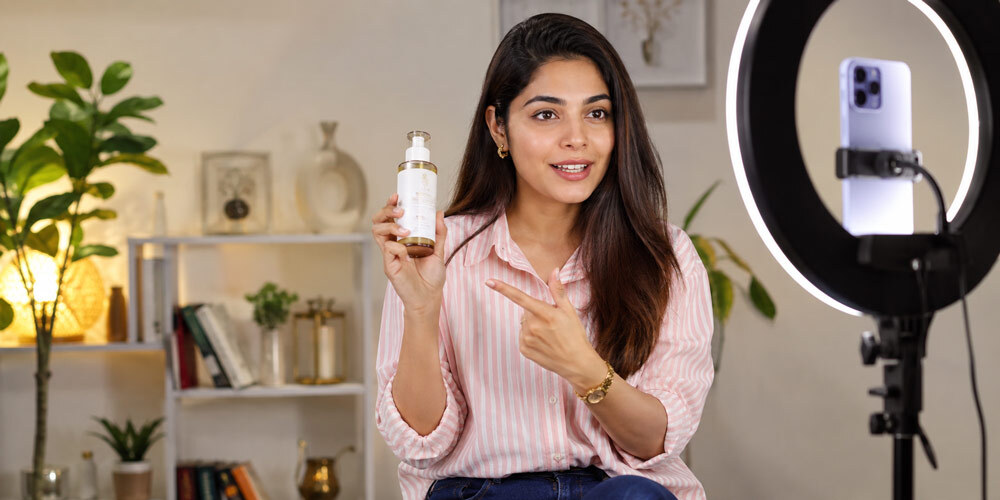
The UGC Creator Guide 2026 is no longer optional reading — it is the new playbook for anyone selling on Amazon, Flipkart or Meta in India. Authentic short videos now drive more conversions than polished commercials, and the creators who understand UGC video creation as a discipline are earning serious money. In this guide, Prince at Ckstudio walks you through scripting, shooting, pricing and scaling UGC content the way professional studios do.
Welcome to the most practical UGC Creator Guide 2026 you will read this year. The user-generated content market in India has exploded past every forecast, with D2C brands now spending more on UGC content creator partnerships than on traditional ad films. At Ckstudio, our team has produced thousands of UGC videos for brands across beauty, fashion, FMCG and electronics — and the same patterns repeat: brands that treat UGC as a serious production discipline win, and those that treat it as cheap content lose. This guide is the framework Prince and the team use every day on real client shoots.
⚡ Key Takeaways
- UGC videos drive 2–4× higher click-through rates than polished ad creatives on Meta and YouTube
- A modern smartphone, a ring light and a clip-on mic are enough to start as a professional UGC creator
- The 3-second hook decides 80% of your video performance — script it before you shoot
- Indian UGC creator rates range from ₹3,000 for beginners to ₹25,000+ per video for studio-grade output
- Brands buy story and authenticity, not perfection — but lighting and audio remain non-negotiable
What Is UGC Content and Why Is It Dominating Digital Marketing?
User-generated content refers to videos, photos and reviews created by real users or hired creators in a natural, unpolished style. Today, most UGC marketing videos are actually produced by professional creators paid by brands, but the look stays raw and personal — a face-to-camera review, a quick unboxing, a problem-solution snippet. This style works because viewers trust people more than they trust brands. Strong brand UGC videos sit native inside the Reels feed, the Shorts feed and the For You page, where polished commercials feel out of place. Studios like Ckstudio’s UGC video creation team blend that authenticity with proper lighting, scripting and edit discipline, which is what makes the content actually convert. For a deeper definition, see our companion piece on what UGC video creation actually means in 2026.

Difference Between UGC Content and Influencer Content
A UGC creator is not the same as an influencer. An influencer brings their audience — the brand pays for reach to that audience. A UGC creator brings the content itself — the brand then runs that content on its own ads, listings and social pages. That distinction matters because influencer marketing depends on follower count, while UGC video examples stand purely on craft. You can be a full-time UGC creator with 200 followers and a great portfolio. Many of the strongest UGC production specialists in Delhi never built personal followings — they built showreels.
Why Brands Prefer UGC Videos in 2026
Brands prefer UGC because it solves the three biggest pains of paid marketing in 2026: rising CPMs, ad fatigue and creative burnout. A typical performance brand needs 15 to 40 new ad creatives every month, which is impossible with traditional shoots. UGC video production fills that gap with fast, varied, native-feeling content. The numbers back it up — most performance marketers we work with at our video production studio report 30–50% lower CPA when at least half of their ad mix is UGC. For a deeper breakdown of which format wins where, read our analysis of UGC vs brand videos across Amazon, Flipkart and Myntra.
Who Can Become a UGC Creator?
Anyone with a clear voice, a steady hand and a willingness to learn can become a UGC creator in India today. You do not need a film school degree, expensive gear or a large following. What you need is empathy for the viewer, a basic understanding of storytelling and the discipline to deliver consistent work. Most successful UGC creators we collaborate with at Ckstudio came from completely unrelated backgrounds — teachers, makeup artists, fitness trainers, even chartered accountants. What unites them is that they treated UGC as a real UGC creator career, not a side hobby, and built a tight portfolio of 15–20 strong sample videos before pitching brands.
Skills Required for UGC Creation
Three skills matter more than gear. First, video storytelling — the ability to take a product feature and turn it into a 30-second mini-narrative with a hook, tension and payoff. Second, on-camera presence — speaking naturally to a lens without sounding scripted. Third, basic editing — pacing cuts to the beat, adding captions and knowing which b-roll lands. Strong UGC creator skills compound quickly; a beginner who practises for 60 days usually outperforms a one-off pro shoot.
Is Prior Experience Necessary?
No. Most working creators start with zero filming experience. What helps is being a heavy consumer of Reels and Shorts — you absorb pacing by watching. If you want a structured start, our briefing template for Indian brands doubles as a checklist for new creators learning what brands actually expect.
Step-by-Step Process of Creating a High-Converting UGC Video
The professional approach to how to create UGC videos is not freestyle — it is a four-stage process that every studio follows. At Ckstudio, our UGC production process is built around the same four stages whether we are shooting a one-off Reel or a 30-video monthly retainer. Skipping any stage shows up in the final cut.
Step 1 — Research the Brand and Audience
Strong brand research happens before the camera comes out. Read the brand’s last 30 ads, their reviews on Amazon, and the comments under their Reels. You are looking for two things: the language real customers use, and the objections they raise. A great UGC strategy mirrors that language back. Our team at Ckstudio always starts a new client engagement with a 60-minute research brief — it is the cheapest insurance against a wasted shoot day.
Step 2 — Create a Strong Script or Hook
Your first three seconds — the video hook — decide whether the viewer stays. A good hook is either a pattern interrupt (“Stop scrolling if you have oily skin”), a bold claim, or a strong visual. Then comes the UGC script structure: problem, product, proof, CTA. Keep total length under 45 seconds for Meta ads and under 60 for YouTube Shorts. For a complete framework with examples, refer to our UGC video script framework guide — it is the same template our writers use on real shoots.
Step 3 — Shoot Authentic Video Content
During the UGC video shoot, vertical 9:16 is the default. Frame tight — chest up for talking head, product centred for demo shots. Use one big soft light source, ideally daylight from a window or a single ring light. Speak in your own words, even if you have a script — the goal is natural content. Record three takes of every line: a safe take, a high-energy take, and one with a different opening word. Editors love options. Solid brand storytelling in UGC comes from small honest moments, not from perfect delivery.
Step 4 — Edit for Maximum Engagement
Strong UGC video editing is brutally tight. Cut every pause, every “um”, every dead second. Add burned-in captions — 80% of Reels and Stories are watched on mute. Layer in trending audio at low volume, B-roll cutaways every 2–3 seconds, and a clear CTA card in the last frame. Tools like CapCut and Premiere Pro both work; what matters is the cut, not the software. Studios that scale short-form content well, like our team building UGC for social media and Meta Ads, treat the edit as 50% of the project, not an afterthought.
Essential Equipment for UGC Video Creation
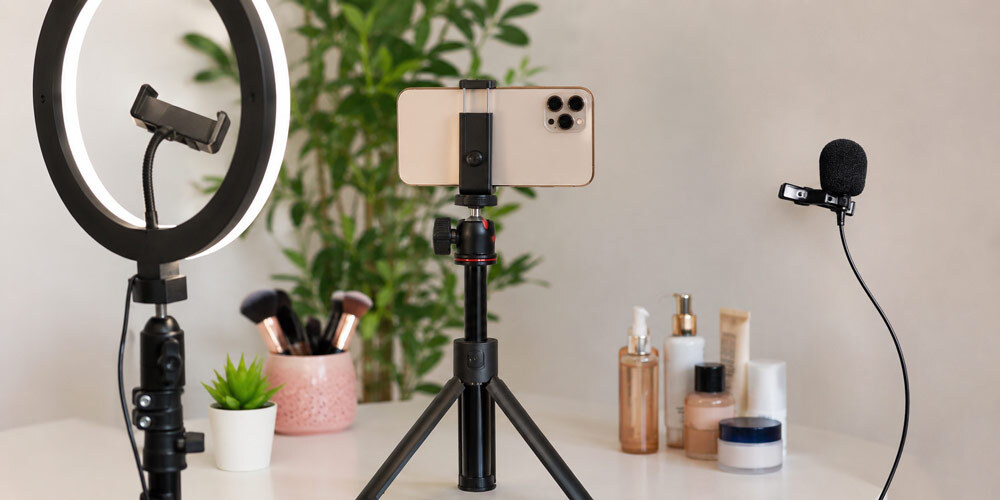
A working UGC creator setup in 2026 is surprisingly affordable. Total investment for a professional starter kit sits between ₹15,000 and ₹40,000 — much less than people assume. The most important section of any honest UGC Creator Guide 2026 is this one, because gear decisions made early are expensive to reverse later. What matters is the combination, not any single hero piece. Below is the equipment ladder we recommend to creators who collaborate with Ckstudio on long-term content creation tools projects.
Smartphone vs Professional Camera
For 90% of UGC work, a recent smartphone UGC video setup beats a dedicated camera. Modern iPhones and flagship Androids shoot beautiful vertical 4K, focus reliably and stay light enough for one-person handheld work. A dedicated camera for UGC like a Sony ZV-E10 makes sense only when you start shooting cinematic content for premium beauty or jewellery brands — even then, our studio still uses phones for half the shots on a commercial ecommerce shoot.
Lighting and Audio Equipment
Lighting and audio matter more than the camera. A 14-inch ring light with an adjustable colour temperature handles 80% of indoor situations. For something more cinematic, add a small softbox or use window light as your key. On audio, never rely on phone mics — pick up a Boya BY-M1 or a Rode Wireless Go II clip-on. A solid microphone for content creators is the cheapest upgrade that instantly makes you sound professional. Skipping audio quality is the single biggest mistake we see new creators make.
Editing Software Recommendations
For mobile video editing, CapCut is the gold standard in 2026 — fast, free, with built-in captions, auto-cut and trending templates. On desktop, Adobe Premiere Pro stays the industry default, while DaVinci Resolve is gaining ground because of free colour tools. Pick one and learn it deeply rather than dabbling in three. To see how trending edit styles are shifting, explore our breakdown of the biggest UGC video trends for 2026.
Types of UGC Videos Brands Are Buying in 2026
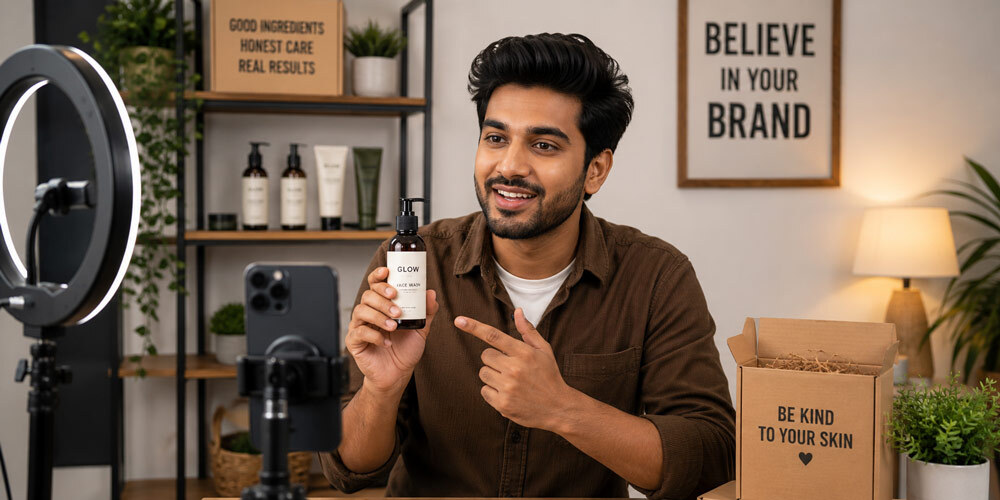
Most brands do not buy one type of UGC — they buy a mix. Knowing which UGC video examples work for which platform is what separates a hobbyist creator from a professional one. The four formats below cover roughly 85% of all paid UGC briefs landing at Ckstudio every month, and the same mix applies across Amazon, Flipkart and Meta ad campaigns. For a deeper format-by-format breakdown, our top 10 UGC video types for D2C brands guide is the most-bookmarked piece on our blog.
| UGC Video Type | Best Platform | Typical Length | Conversion Strength |
|---|---|---|---|
| Product Demonstration | Amazon, Flipkart, Meta Ads | 30–60 sec | Very High |
| Unboxing | Instagram Reels, YouTube Shorts | 20–45 sec | High (top-funnel) |
| Customer Testimonial | Meta Ads, Landing pages | 30–90 sec | Very High |
| Problem-Solution | Meta Ads, TikTok-style Reels | 20–40 sec | Highest |
| Trend-Style / POV | Reels, Shorts | 10–25 sec | High (brand recall) |
Product Demonstration Videos
Product demo videos show the product solving a real task. They convert hardest on Amazon listings and Meta carousel ads because they reduce buyer uncertainty. Frame the product close, narrate the benefit, and end with a clear use-case. UGC product videos work best when paired with strong lifestyle product photography on the listing itself.
Unboxing Videos
Unboxing content is the most-watched UGC format on Reels. Keep it under 30 seconds, lead with the parcel reveal, and finish with the product in hand. Unboxing works hardest for new product launches, festive bundles and gift categories.
Testimonial Videos
Customer testimonial videos are the highest social proof format for conversion campaigns. The trick is to make them feel unscripted even when scripted — film in the customer’s home, use natural light, and let small “ums” stay in.
Problem-Solution Videos
Problem-solving content is the highest-converting format we ship at Ckstudio. Structure: name a relatable problem in the first 3 seconds, escalate it for 5 seconds, introduce the product as the fix, show proof, CTA. This is conversion-focused video in its purest form and works across every category from skincare to kitchenware.
How Much Do UGC Creators Earn in 2026?
UGC creator earnings in India have matured a lot in 2026. The market now has clear price bands, and brands no longer negotiate from scratch every time. Beginner creators usually earn ₹3,000–8,000 per video. Mid-level creators with a strong portfolio charge ₹10,000–18,000. Specialists with cinematic edits or category expertise (beauty, premium fashion) cross ₹25,000 per video, and studio-backed UGC packages from teams like Ckstudio start higher because they include scripting, multiple takes and licensed editing. For a full breakdown by city and category, our detailed UGC video cost in India 2026 guide is the most reliable benchmark online.
Factors Affecting UGC Pricing
UGC pricing depends on five variables: number of deliverables, revisions, exclusivity, content licensing period, and whether paid ad usage is included. A ₹5,000 organic-only video and a ₹15,000 video with 6-month paid usage rights are completely different products. Most disputes in this industry come from creators forgetting to price ad usage separately. Always quote video packages, not single videos.
Beginner vs Professional Creator Rates
Beginners undercharge because they undervalue the post-production work. By the time you add scripting, two re-shoots and tight edits, ₹3,000 becomes loss-making. Once you systemise the process — usually after 30 paid videos — you can move into UGC service packages of 4–8 videos per month per brand, where margins finally make sense. To see how studio production compares to freelance work commercially, our piece on studio-backed UGC vs freelance UGC ROI lays out the full cost-benefit picture.
Common UGC Video Mistakes to Avoid
Most failed UGC campaigns fail for the same handful of reasons. No UGC Creator Guide 2026 is complete without naming them. After producing thousands of UGC videos at Ckstudio, Prince and the team see the same UGC video mistakes repeating across new creators and even experienced brand teams. Avoiding these three categories alone will raise your hit-rate dramatically.
Poor Lighting and Audio
Bad video quality kills a UGC video before the hook can land. The fix is simple: one big soft light source, and a clip-on mic. Never shoot with a window behind you. Never trust phone audio in a room with a fan running.
Overly Promotional Content
When UGC starts sounding like an ad, viewers swipe. Authentic content means imperfect delivery, natural pauses, and honesty about what the product does not do. Trust building beats persuasion. The strongest UGC scripts even acknowledge a small flaw before pivoting to the benefit.
Weak Call-to-Action
A vague video CTA is the silent killer of UGC performance. “Check it out” does nothing. Replace it with a specific verb and a specific destination: “Tap the link in bio for 20% off the launch bundle.” Strong engagement strategy closes the loop.
Future Trends for UGC Creators in 2026 and Beyond
UGC video trends 2026 are shifting fast. Three forces are reshaping the discipline: AI-assisted production, the total dominance of vertical video, and brands’ growing willingness to pay studios for professional UGC videos instead of unmanaged creator pools. Creators who adapt early to these shifts will define the next five years of the UGC marketing future in India. For a deeper trend forecast, our recent piece on in-house vs agency UGC production explains how mid-sized brands are reorganising their content teams in response.
AI-Assisted UGC Production
AI is not replacing creators — it is removing the boring parts. AI video tools like Descript, CapCut AI and ElevenLabs handle transcription, B-roll matching and even voice cleanup. Smart creators are using content automation for the edit timeline while keeping the on-camera work fully human. According to Statista’s UGC market research, AI-assisted workflows are projected to cut average production time per video by 45% by end of 2026.
Vertical Video Dominance
Vertical 9:16 is now the default canvas for everything — Reels, Shorts, TikTok content, and increasingly even Amazon and Flipkart listing videos. Designing for vertical first, then cropping to square or horizontal, is the correct workflow. Treat 16:9 as a derivative format, not the master.
Demand for Professional UGC Production
Brands are increasingly burned out by inconsistent freelance creators and are bringing UGC production into structured studios. This is why our UGC production services in Delhi have grown three times faster than any other line of business at Ckstudio in the last 12 months. Brand content production at scale needs scripting, scheduling, and edit pipelines that a single creator simply cannot run.
Why Brands Choose Ckstudio for Professional UGC Video Production
The final chapter of this UGC Creator Guide 2026 is about scale. When a brand needs professional UGC videos at scale, the choice usually comes down to consistency. A single creator can deliver one great video; a studio delivers thirty in a row with the same brand voice. Ckstudio runs a full-stack UGC video production pipeline — scriptwriting, casting, shooting, editing, and platform-ready exports — out of our Delhi studio. With 9+ years of commercial production experience behind every project, Prince and the Ckstudio team have built the kind of quality controls and shoot rhythm that most freelance setups never reach. The result is content that survives the actual ad test: lower CPA, higher hold rate, longer creative lifespan.
End-to-End UGC Video Production Support
As a dedicated UGC production company, Ckstudio handles every step — from creative brief and creator casting through shoot day, voiceover, captions and platform-specific exports. Our UGC video services are sold as monthly content engines, not one-off shoots, because brands today need a steady creative pipeline. Same approach we use on our broader commercial photography projects in Delhi.
Studio Quality Content for Modern Brands
Even when content needs to look “raw”, high-quality UGC videos still rely on disciplined production. At Ckstudio, every shoot uses calibrated audio, controlled lighting, and a senior editor — invisible work that makes the final cut feel effortless. That balance between authenticity and craft is the reason our brand content creation retainers consistently outperform pure freelance pools. For a full overview of our capabilities, explore the Ckstudio portfolio or get in touch via the contact page.
Frequently Asked Questions (FAQ)
A UGC creator is a video specialist who produces authentic, user-style content for brands. Unlike influencers, UGC creators do not need a large following — the brand uses the footage on its own ads, listings and social pages. The creator’s value lies in storytelling craft, not reach.
Beginners can start by recording 3 to 5 sample UGC videos at home using a smartphone, good daylight and a basic script. Build a small portfolio of 10–15 strong samples, list yourself on UGC platforms, and pitch directly to D2C brands you already use as a customer.
No. A modern smartphone, a ring light and a clip-on microphone are enough to start. Quality of script, framing and storytelling matters far more than camera price for UGC content in 2026 — studios like Ckstudio still shoot a large share of UGC work on flagship smartphones.
UGC creators in India typically charge ₹3,000 to ₹8,000 per video as beginners, and ₹10,000 to ₹25,000+ per video at professional level, with paid-ad usage rights priced separately. Studio-backed UGC packages from Ckstudio start higher because of scripting, lighting and edit quality.
Brands invest in UGC because authentic videos drive higher trust, lower ad costs and better conversions than polished commercials. UGC also feeds the constant content demand of Reels, Shorts and Meta ads — formats that need 15–40 fresh creatives every month.