

Meesho has reshaped Indian e-commerce. With over 1.5 crore registered sellers and the largest reseller network in the country, the platform offers genuine zero-commission opportunity for tier-2 and tier-3 entrepreneurs. But there’s one filter every successful Meesho seller eventually meets — product photography that meets Meesho’s catalogue standards.
Whether you’ve just registered as a new supplier, or you’ve been struggling with rejected listings on existing SKUs, this guide will give you the exact framework Ckstudio uses to deliver Meesho-compliant images that get approved on first submission. After 9+ years of e-commerce product photography across Amazon, Flipkart, and Meesho, the patterns are clear — and once you understand them, your approval rate jumps from 60% to nearly 100%.
This is not a generic listicle. It’s a working playbook covering image specifications, apparel-specific rules, ghost mannequin techniques, common rejection reasons, professional vs. DIY decisions, and a printable checklist you can use on every shoot.
Key Takeaways
- Meesho requires square 1:1 images at minimum 1500×1500 pixels with a pure white RGB 255,255,255 background — no exceptions for catalogue listings.
- Apparel sellers achieve 2.4× higher conversion using ghost mannequin photography compared to flat-lay or hanger shots.
- Real product photographs always outperform AI-generated images, which violate Meesho’s authenticity policy and trigger account suspensions.
- Upload up to 7 images per listing — minimum 4 angles (front, back, side, detail) is non-negotiable for serious sellers.
- Professional studios like Ckstudio deliver Meesho-ready images at ₹150–₹500 per shot with first-time approval guarantees, often cheaper than DIY when factoring rejections and re-shoots.
Understanding Meesho Product Photography Fundamentals
Before discussing specifications, it’s important to understand why Meesho is stricter about photography than many other marketplaces. Meesho runs on a unique social commerce model — the same product image appears on the supplier’s listing, the reseller’s WhatsApp catalogue, the customer’s Meesho app, and often gets re-shared on Instagram and Facebook. One image, multiple touchpoints. The platform cannot afford inconsistency.
Three foundational principles drive every Meesho photography requirement:
1. Authenticity over aesthetics
Meesho values truthful product representation over creative interpretation. Customers in tier-2 and tier-3 cities cannot tolerate “image vs. delivered product” mismatches — return rates damage the entire ecosystem. This is why heavy retouching, fake backgrounds, and AI-generated imagery are strictly prohibited.
2. Speed-friendly file structure
Meesho’s app is engineered for low-bandwidth users. Image specifications (1500×1500, <5MB JPEG) balance visual clarity with fast loading on 4G connections. Going beyond these specs slows down the platform and gets your images compressed beyond recognition.
3. Reseller-friendly composition
Resellers screenshot, crop, and re-share your images. Your composition must survive cropping. Centred subjects with breathing room, no embedded watermarks, and no text overlays — these aren’t suggestions, they’re survival rules in the reseller ecosystem.
Why Photography Matters More on Meesho Than You Think
Ask any successful Meesho supplier and they’ll tell you the same thing — photography is the single biggest conversion lever on the platform. Here’s why:
The 0.4-second decision window
Internal Meesho data, echoed by similar studies on Flipkart and Myntra, shows that customers spend roughly 0.4 seconds evaluating each catalogue tile before swiping. In that window, only one element communicates anything — the image. Pricing, ratings, and descriptions only become relevant after the image earns the click.
The reseller multiplier
Unlike Amazon where you sell to one customer at a time, on Meesho a single great image gets re-shared by potentially hundreds of resellers across WhatsApp groups, multiplying your reach. A weak image gets ignored. A strong image becomes a passive sales engine — and pairing it with short, authentic UGC-style video content multiplies that reach even further across reseller WhatsApp groups.
The trust deficit problem
Meesho’s price-conscious audience is naturally sceptical. They’ve seen too many “expectation vs. reality” memes. Professional e-commerce photography directly counters this scepticism with visual proof of quality.
The algorithm relationship
Meesho’s discovery algorithm tracks tap-through rates and conversion rates per listing. Better images → higher CTR → algorithm boost → more impressions → more sales. It’s compounding. Conversely, weak images get throttled, regardless of pricing or rating.
Real Product Photography vs AI-Generated Images: Why Meesho Sellers Must Choose Real
This deserves its own section because in 2026, AI-generated product imagery has flooded the internet. Tools that can fabricate convincing product shots in 30 seconds are tempting — especially for sellers with thousands of SKUs. But for Meesho specifically, AI imagery is a fast track to account suspension. Here’s the honest comparison:
✓ Real Professional Photography
- Authentic product representation — exact colours, fabric, texture, scale
- 100% Meesho catalogue policy compliant
- Lower return rates (verified by every D2C brand)
- Reseller-friendly — customers trust what they see
- Long-term brand equity through real visual identity
- Approved by all marketplaces (Meesho, Ajio, Myntra)
- Social proof when re-shared on Instagram
✗ AI-Generated Product Images
- Fabric textures look “plasticky” and unconvincing
- Violates Meesho authenticity policy — listings get rejected or removed
- Triggers customer complaints when delivered product looks different
- High return rates erode profit margins quickly
- Damages brand reputation in reseller WhatsApp groups
- Detection algorithms flag AI images automatically
- No legal protection if customer files complaint
The bottom line: AI is excellent for ideation, mood boards, and lifestyle backgrounds for social media — but for the actual product on a Meesho catalogue page, you need a real photograph of the actual product you’ll ship. There is no exception. Ckstudio has rebuilt entire Meesho catalogues for sellers who tried the AI shortcut and lost their accounts. Don’t repeat that mistake.

Meesho’s Official Image Specifications (2026)
Let’s get specific. These are the technical requirements every catalogue image must meet to clear Meesho’s automated and manual review process. Bookmark this section.
| Parameter | Required Value | Status |
|---|---|---|
| Aspect ratio | 1:1 (perfect square) | Mandatory |
| Minimum resolution | 1500 × 1500 pixels | Mandatory |
| Recommended resolution | 2000 × 2000 pixels | Optimal |
| Background colour | Pure white — RGB 255,255,255 | Mandatory |
| File format | JPEG (preferred) or PNG | Approved |
| Maximum file size | 5 MB per image | Hard limit |
| Resolution density | 72 DPI (web standard) | Standard |
| Product frame coverage | 80–85% of frame | Recommended |
| Watermarks / logos | Not allowed | Prohibited |
| Text overlays | Not allowed on catalogue images | Prohibited |
| Multiple products in one image | Only on lifestyle/secondary images | Restricted |
| Borders or frames | Not allowed | Prohibited |
| Images per product | Up to 7 (minimum 4 recommended) | Flexible |
For the absolute latest specification updates, always cross-reference with the Meesho Supplier Panel. The platform occasionally tightens rules for specific categories.
Step-by-Step Meesho Photography Workflow for Beginners
This is the exact 6-step workflow Ckstudio’s team uses for every Meesho client — adaptable for both home setups and professional studios.
Plan your shot list before touching the camera
For each SKU, write down the 4–7 angles you’ll capture. Standard list: front, back, left side, right side, top-down, detail close-up, scale reference. Apparel adds: collar/neckline, hem, fabric weave macro shot. Planning eliminates costly re-shoots.
Setup pure white background correctly
Use a seamless paper roll or a properly lit white wall. Two background lights aimed at the backdrop (not the product) blow it out to true white. If you’re shooting at home, drape a clean white bedsheet against a wall and place product 1.5 feet in front to allow shadow control.
Configure lighting in two-light or three-light arrangement
Key light at 45° on one side. Fill light opposite at lower intensity (or use a white reflector). For apparel, add a third overhead light to eliminate fabric shadows. Avoid direct sun, mixed light sources, or single-light setups that create harsh shadows.
Compose, focus, and capture
Centre product in frame at 80–85% coverage. Use a tripod — handheld shots create blur and inconsistent framing across angles. Set ISO 100, aperture f/8 to f/11 for full sharpness, white balance set manually using a grey card.
Post-process for catalogue compliance
Clean dust, threads, lint, and minor surface marks. Adjust white balance to neutralise any background tint. Crop to exact 1:1 square. Resize to 2000×2000 px. Export JPEG at 80–85% quality (typically lands under 5MB). Avoid over-saturation, false colours, or aggressive smoothing.
Quality-check before upload
View the image at 100% zoom on a different device than your editing machine. If you spot anything unclear, re-shoot. Once uploaded, listings are difficult to revise without losing momentum. The Meesho catalogue is unforgiving to half-finished images.
Need Meesho-Approved Images Without the Trial-and-Error?
Ckstudio handles end-to-end Meesho catalogue photography for sellers across India. First-time approval guarantee, volume pricing, and 24–48 hour turnaround.
Apparel Photography for Meesho: Special Rules
Apparel is Meesho’s largest category — and also where most rejections happen. The platform applies extra scrutiny because apparel requires the customer to imagine fit, drape, and fabric quality entirely from images. Here’s what works and what doesn’t.
Three apparel photography styles, ranked
1. Ghost Mannequin (Highest performing)
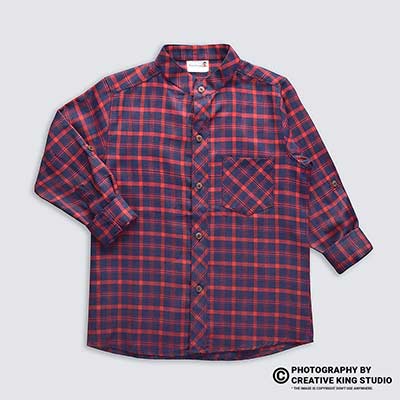
Ghost mannequin (also called invisible mannequin) photography removes the mannequin while preserving the garment’s three-dimensional shape. This delivers the most realistic representation of fit and drape — and Ckstudio’s data across hundreds of clients shows it converts 2.4× better than flat-lay alternatives. Specialised ghost mannequin photography is now standard for serious Meesho apparel sellers.
2. On-Model Photography
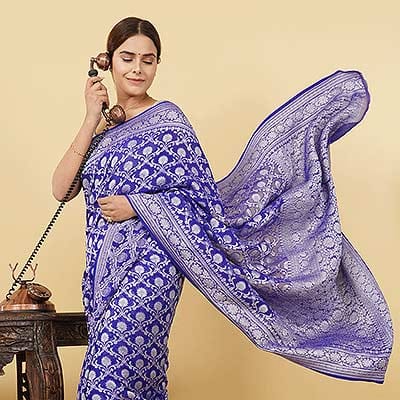
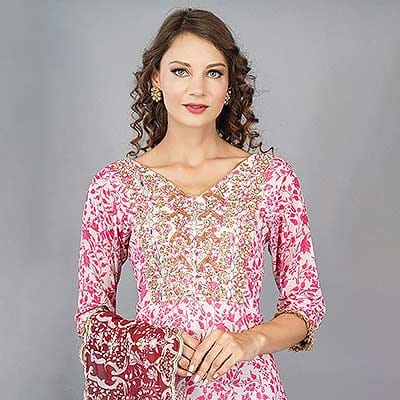
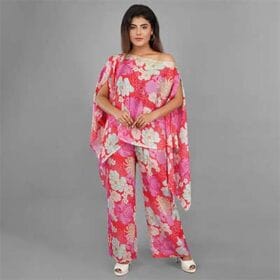
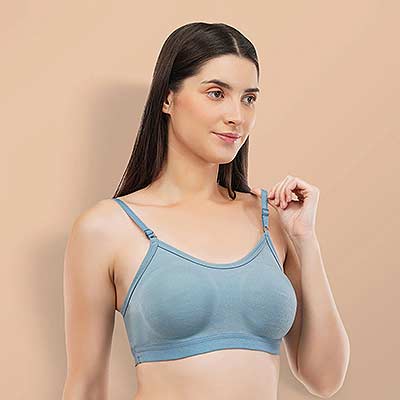
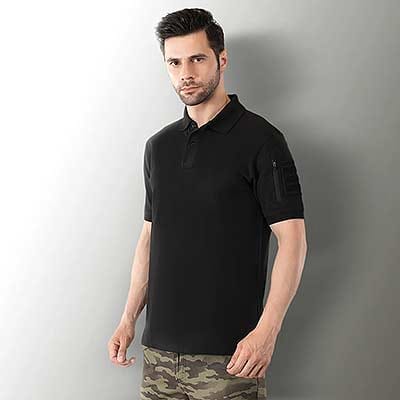
Live model shoots add storytelling and context. Particularly effective for kurtas, sarees, and lifestyle apparel where fit on a real human body matters. Model photography — a core part of professional fashion photography — is more expensive but delivers higher engagement, especially when paired with secondary lifestyle shots. Reseller WhatsApp groups also share model images more frequently.
3. Flat-Lay Photography
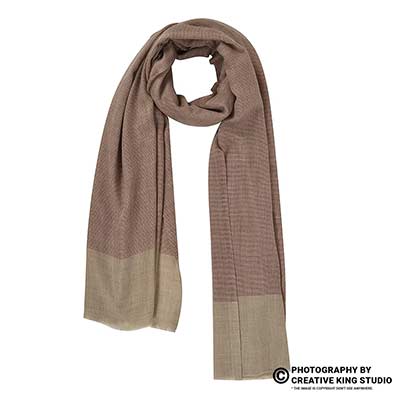
Acceptable for accessories, intimates, and budget categories. Flat-lay photography is fastest and cheapest but lowest converting for primary apparel. Best used as supporting images, not primary catalogue shots.

Apparel-specific Meesho rules
Beyond the general specifications, apparel listings on Meesho must follow these additional norms — all of which Ckstudio bakes into every garment photoshoot:
- Fabric must be steamed or pressed — visible wrinkles trigger rejection
- Both front and back views are mandatory (not “nice to have”)
- For sarees, capture pallu detail, blouse piece, and full drape separately
- For kurtis and tops, include a sleeve detail close-up
- Avoid props, jewellery, or accessories that aren’t included in the listed product
- Model expressions should be neutral or subtle — overly stylised poses get flagged
10 Common Mistakes That Get Meesho Listings Rejected
After reviewing thousands of rejected Meesho catalogue submissions, the same 10 mistakes appear repeatedly. Avoid these and your approval rate will exceed 95%.
1. Off-white or grey background
“It looks white on my screen” doesn’t matter. Meesho’s automated checker reads RGB values — if it’s not 255,255,255, it gets flagged. Use a colour picker tool to verify before upload.
2. Embedded watermarks or brand logos
Even subtle watermarks at the corner of an image are flagged. Watermarks are completely prohibited on Meesho catalogue listings. They also discourage resellers from re-sharing.
3. Resolution below 1500×1500 pixels
The most common technical rejection. Always shoot at native sensor resolution and only down-sample at the final export stage — never up-sample low-resolution images.
4. Soft focus or motion blur
Handheld smartphone photos almost always produce subtle blur. Use a tripod and remote shutter. Sharp focus is non-negotiable for catalogue acceptance.
5. Inconsistent lighting across the catalogue
If your front shot is bright and your back shot is yellow-tinted, customers immediately distrust the listing. Lock white balance manually using a grey card.
6. Heavy retouching that misrepresents product
Smoothing fabric texture, deepening colours beyond reality, or removing genuine product details all violate Meesho’s authenticity policy. Edit conservatively.
7. Visible mannequin parts or stands
If you’re using a mannequin, ensure it’s either fully removed (ghost mannequin technique) or completely concealed. Visible mannequin necks, arms, or stands trigger rejection.
8. Using the same image for variants
If you sell red, blue, and green variants, each variant needs its own photograph. Recolouring one image in Photoshop creates obvious colour inaccuracy that customers and Meesho will catch.
9. Missing back, side, or detail shots
Listings with only front shots convert 60% lower than listings with complete 360° coverage. Meesho’s algorithm also deprioritises incomplete listings.
10. Uploading AI-generated or stock images
The fastest way to get suspended. Meesho’s AI-detection systems are trained specifically to flag generated and stolen imagery. Always use original, real product photography.
Tools & Equipment Recommendations
Whether you’re starting at home or building a dedicated studio, the right gear shortens the learning curve significantly. Here’s what Ckstudio recommends across budget tiers.
Beginner Setup (₹15,000 – ₹35,000)
- Camera: Modern smartphone (iPhone 13 or newer, Samsung S22+) or entry-level mirrorless (Sony A6100, Canon R50)
- Lighting: Two affordable LED softboxes (45cm × 45cm minimum)
- Background: White seamless paper roll (1.35m wide) or wall-mounted white sheet
- Tripod: Sturdy aluminum tripod with horizontal arm for top-down shots
- Software: Adobe Lightroom (free trial) or Snapseed for mobile editing
Intermediate Setup (₹75,000 – ₹1,50,000)
- Camera: Canon R10, Sony A6700, or Fujifilm X-S20
- Lens: 50mm f/1.8 or 35mm f/1.8 prime for general products; 100mm macro for jewellery
- Lighting: Two strobes with softboxes (Godox SK series, Photoflex Octa)
- Mannequin: Adjustable invisible mannequin set (torso, arms, legs)
- Software: Adobe Photoshop + Lightroom Classic (full subscription)
Professional Studio Setup (₹3,00,000+)
This is what Ckstudio uses internally — a benchmark for serious volume sellers building their own in-house studio:
- Cameras: Canon R10 and Sony A7R V (full-frame for fashion)
- Lenses: 100mm macro, 50mm f/1.4, 24-70mm f/2.8
- Lighting: 4× Godox SK 400II strobes, 2× Elinchrom FRX 400, with 4 strip softboxes, 2 octaboxes, and 1 beauty dish
- Mannequins: Multiple invisible mannequin systems sized for kids, women, men
- Tethering: Capture One Pro for live image review during shoots
Don’t fall into the trap of buying expensive gear before understanding fundamentals. A ₹25,000 setup operated correctly will outperform a ₹3 lakh setup operated poorly. If you’re not sure, start small or outsource to a professional product photography studio until volume justifies in-house investment.
Advanced Tips & Pro Insights
These are observations from years of Amazon, Meesho, and Myntra photography that most beginner guides miss.
Shoot in batches by category, not by product
Setting up consistent lighting takes 30–45 minutes. Wasting that setup on a single SKU is inefficient. Batch all kurtis on one day, all sarees the next, all accessories on the third. Consistency across the catalogue improves both efficiency and visual coherence.
Maintain a master shot reference
Keep one perfectly-shot reference image for each category pinned in your studio. New shoots reference this for framing, exposure, and angle consistency. Over months, this builds a recognisable brand visual language across your Meesho catalogue.
Plan for the second-image opportunity
Most sellers focus only on the primary image. But Meesho’s app shows up to 4 images on first scroll. The second image is often what converts the fence-sitter. Use the second slot for a lifestyle shot, scale reference, or compelling detail close-up.
Track your image-to-conversion data
Meesho’s supplier dashboard shows tap-through rate per listing. Log it monthly. Listings underperforming on TTR almost always have a photography problem — re-shoot those first before tweaking pricing or descriptions.
Insider observation from Prince: Sellers who upgrade their Meesho photography typically see 30–60% revenue increase within 60 days, even with no other changes. Photography is the highest-leverage investment in Meesho marketing — yet most sellers under-invest because the cost is upfront and visible while the returns compound silently. Don’t be that seller.
Implementation Checklist
Print this checklist or save it on your phone. Run through it before every Meesho upload session.
Pre-Shoot Checklist
During-Shoot Checklist
Post-Production Checklist
Future Trends in Meesho Photography (2026 and Beyond)
Meesho is evolving rapidly. Here’s what Ckstudio sees on the horizon based on platform announcements and shifts in adjacent marketplaces like Flipkart and Ajio:
Short-form product video becomes standard
Static images alone are no longer enough. Meesho is rolling out short product video integration following the success of similar features on Flipkart. Sellers who add 10–15 second product videos see significantly higher engagement. Consider partnering with a video production studio or exploring UGC video creation for ecommerce sellers to build this capability early.
360° interactive product images
For higher-value categories, customers increasingly expect to “rotate” a product virtually. 360° product photography is moving from premium to standard expectation, especially for footwear and accessories.
Lifestyle context becomes mandatory for premium listings
Pure white background images establish trust. But premium listings increasingly need lifestyle product photography as supplementary images — showing how the product looks in real-world use. Expect Meesho to follow Myntra’s lead in promoting listings with strong lifestyle imagery.
AI-powered listing audits
Meesho’s automated quality checker is getting smarter. Expect tighter detection of recolored variants, AI-touched textures, and inconsistent lighting. The bar for “good enough” is rising — invest in genuine quality, not workarounds.
Ready to Build a Meesho Catalogue That Wins?
Whether you have 5 products or 5,000 — Ckstudio’s team in Delhi delivers Meesho-compliant photography with first-time approval, competitive pricing, and dedicated SKU management.
Frequently Asked Questions
What are the image size requirements for Meesho product listings?
Can I use AI-generated images for Meesho product listings?
How many images do I need to upload for each Meesho product?
Do I need a ghost mannequin for Meesho apparel photography?
Why does Meesho reject my product images?
What is the cost of professional Meesho product photography in India?
Can I shoot Meesho product photos at home with a smartphone?
Conclusion & Next Steps
Photography is your competitive moat on Meesho
Pricing can be matched. Descriptions can be copied. Reviews take time but eventually accumulate. The one element competitors cannot easily replicate is your visual identity — and on Meesho, that visual identity is built one well-photographed product at a time.
Whether you implement this guide yourself or partner with a professional studio, the principle stays the same: treat product photography as infrastructure, not as a cost. Sellers who internalise this consistently outgrow sellers who don’t.
If you’ve made it this far, you already understand more about Meesho photography than 90% of suppliers on the platform. The remaining gap is execution. Start with one SKU. Apply the workflow. Measure approval and conversion. Iterate. Scale.
And if you’d rather skip the learning curve and ship Meesho-ready images from day one, Ckstudio’s team is one WhatsApp message away.
Ckstudio — India’s Trusted Meesho Photography Partner
9+ years experience. Hundreds of Meesho sellers served. First-time approval guarantee. Speak with Prince directly to discuss your catalogue.