Fashion Photography Services
E-commerce Photography
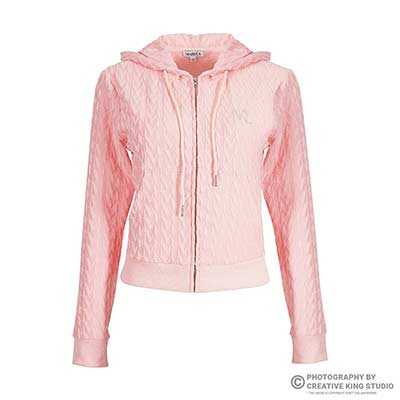
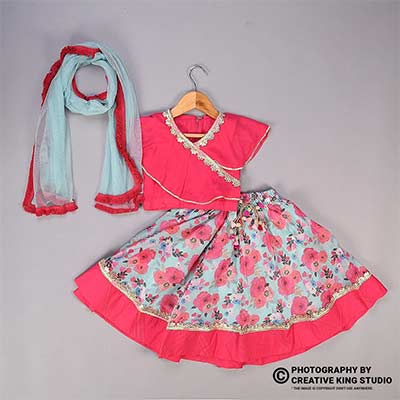
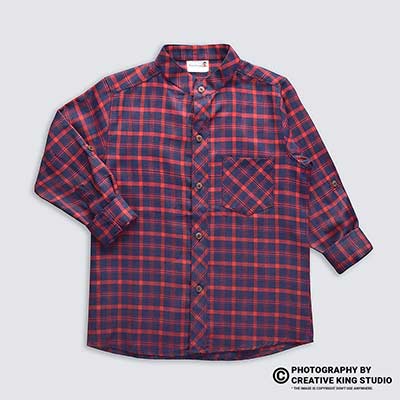
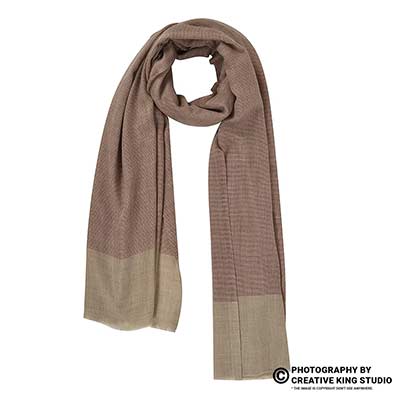
A category-wise expert guide from Ckstudio’s Delhi NCR studio on why one lighting setup, one lens and one retoucher cannot serve four very different product worlds — and how the right e-commerce photography partner engineers a distinct workflow for each.
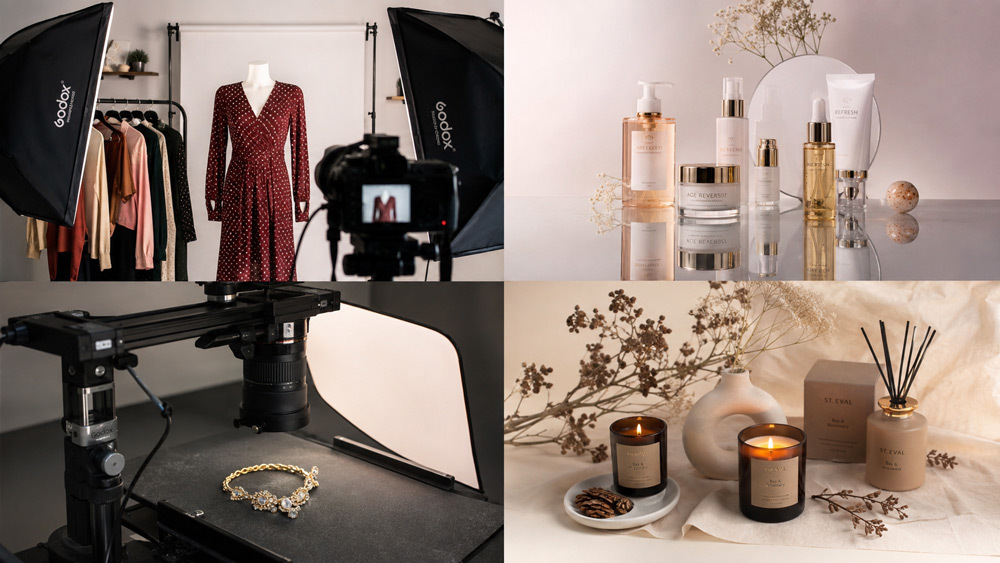
Every time a brand hires a generic studio for its full catalogue, one truth becomes painfully clear on the product pages: ecommerce product photography services are not one-size-fits-all. A kurta shot like a cosmetic bottle loses drape. A diamond ring lit like a candle loses sparkle. A serum shot flat like a t-shirt loses trust.
This is Ckstudio’s pillar guide — written by Prince and the category leads at our Delhi NCR studio — on exactly how e-commerce product photography services shift across fashion, beauty, jewellery and lifestyle categories, with pricing, workflow, deliverables and the mistakes that quietly kill conversion.
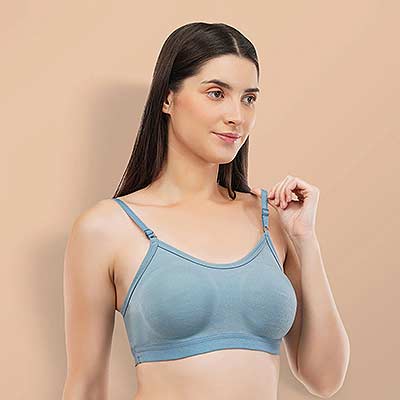
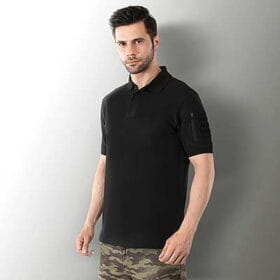
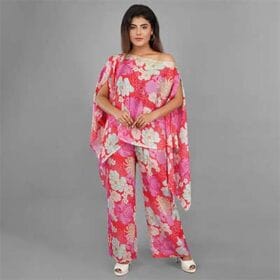
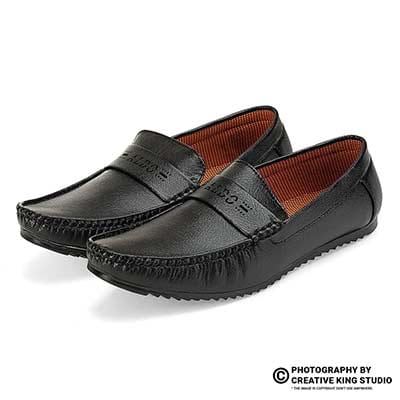
Drape, fit and movement — ghost mannequin, on-model and flat lay for apparel.
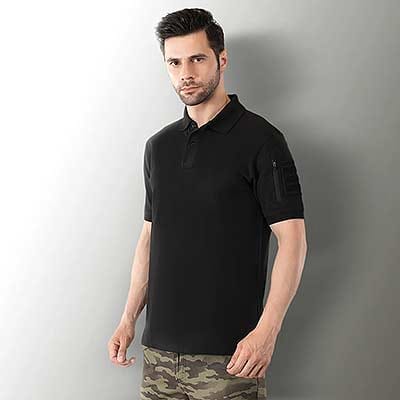
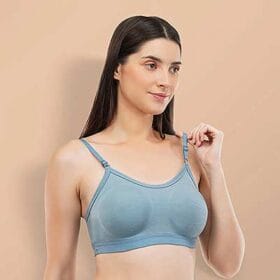
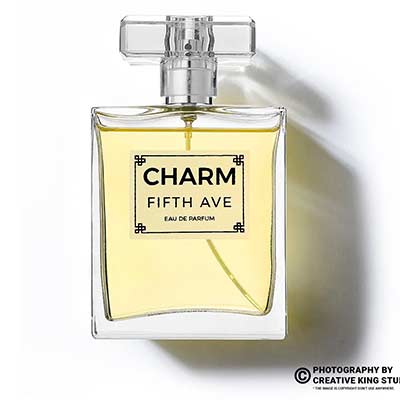
Reflection control, texture and swatches for glossy cosmetic packaging.
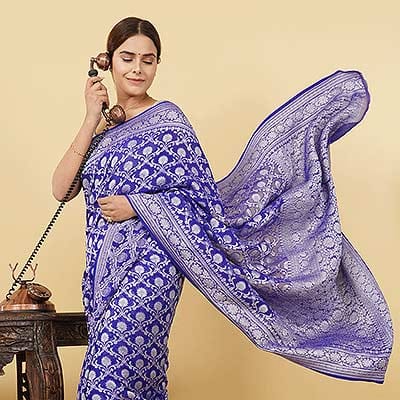
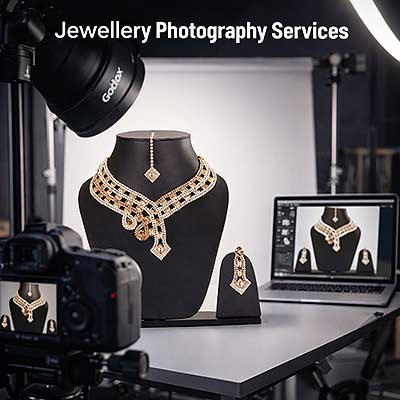
Macro precision, sparkle retention and focus stacking for fine detail.
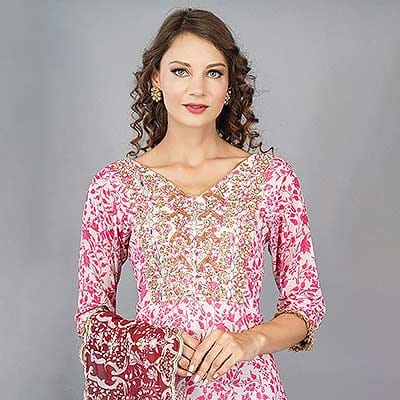
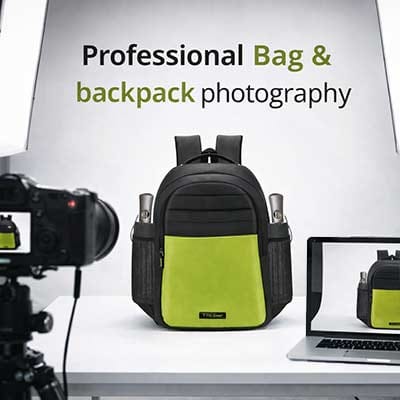
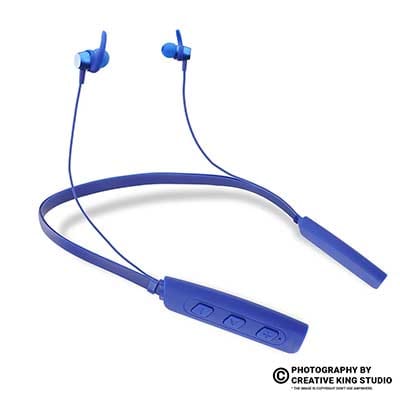
Contextual storytelling, props and usage scenes for D2C hero imagery.
Across nine-plus years of shooting for Indian marketplaces and D2C brands, the single most common mistake we see at Ckstudio is treating ecommerce product photography services as a commodity. A brand hires the cheapest studio, ships across a lehenga, a lipstick, a diamond ring and a scented candle in one crate, and expects a single lighting setup to serve all four. The output looks acceptable in a WhatsApp thumbnail, but the moment a shopper zooms on a product page, the drape is flat, the packaging is glared out, the diamond looks like glass and the candle sits in a vacuum. Conversion drops. Returns rise. Marketplace teams flag the listings for QC. The studio blames the brand for “unrealistic expectations”. The brand blames the ads.
The uncomfortable truth is that category is the design variable most generic studios ignore. A photographer who has never held a 100mm macro lens cannot shoot a solitaire the way a jewellery photography specialist can. A retoucher who has never worked in a beauty workflow cannot preserve serum texture the way a cosmetic photography retoucher can. And a set designer who has only shot on white cyclorama cannot build the Diwali-morning-kitchen scene a candle brand needs for its D2C hero. Category expertise is not a marketing claim — it is a physical setup, a lens choice and a trained eye that compounds over hundreds of shoots in that same category.
The cost of category-blind ecommerce photography shows up in three places: marketplace conversion rate, return rate and QC rejection rate. Baymard Institute’s PDP research consistently shows that image quality is the single strongest lever on ecommerce conversion, and platform-specific compliance is a hard gate before that lever even engages. When apparel is shot without correct drape, buyers cannot judge fit and return the parcel. When a jewellery listing lacks the required macro angles, Myntra or Ajio QC pushes the SKU back into a re-shoot queue. Every re-shoot is a week of lost sales.
Ckstudio has rebuilt catalogues for brands that came to us after generic studios burnt three months of runway on rejected imagery. Our real-world reference guide — how better product images reduce returns on Flipkart and Amazon — walks through the exact conversion and return-rate movements we tracked. If you want a broader view of platform standards, our companion piece on ecommerce product photography standards across Amazon, Flipkart, Myntra and Shopify covers what each marketplace’s QC team is genuinely checking for.
When Ckstudio uses the phrase category expertise, it is a specific set of physical and human assets: a lighting rig configured for that category, a lens shelf built around that category’s focal-length demands, a photographer who has shot at least a few hundred SKUs in that category, and a retoucher whose action stack has been tuned for its retouching priorities. For a full breakdown of what to look for when comparing studios, our detailed reference on how to choose the best ecommerce photography company is the honest field guide brands ask us for.
Category expertise is not a certificate on a wall. It is muscle memory. It is the retoucher who knows the exact shadow density that keeps a gold chain looking metallic without going bronze. It is the stylist who knows how to pin a sleeve so it reads structured but not stiff. It is the reason Ckstudio’s Delhi NCR studio runs four independent workflows under one roof instead of pretending one workflow can serve them all. A great primer on this discipline is our earlier guide on product photography for Indian brands, which readers often use before commissioning their first shoot.
Fashion ecommerce photography exists to answer a very specific question in a buyer’s head: “Will this actually look right on me?” That question is answered by drape, fit and movement — not by prettier lighting. When Ckstudio shoots for a D2C label or a marketplace seller, our fashion team’s brief is to produce imagery that reduces the mental gap between the on-screen product and the moment the buyer opens the parcel. A generic studio makes that gap wider by using rigid mannequins, over-flat lighting and no attention to garment prep. A specialist studio closes it.
Fashion is also the category where styling costs money before a single frame is shot. Steaming, pinning, prop selection, wardrobe curation, model direction and set design all happen before the shutter clicks. Our internal team follows the exact preparation checklist we published in how to prepare garments for an ecommerce model photoshoot, and any brand booking professional fashion photography should expect to receive that same brief before the shoot day. Skipping garment prep is the number-one avoidable cause of re-shoots in Indian fashion e commerce.
The signature of a professional fashion shoot is soft, directional light with just enough shadow to reveal fabric weight. Our Delhi NCR studio uses a 4-strobe softbox array with a large octabox as key light and a strip light as rim to separate the model from the backdrop. On-model shoots also use a beauty dish for face definition without harshness. This mix produces the flattering, editorial quality that Myntra, Ajio and Nykaa Fashion catalogues expect, while still respecting each marketplace’s specific white-background rule for the primary image.
Styling is the second half of the equation. A wrinkled kurta or a badly pinned dress will destroy every technical advantage a studio has. Our stylists work from a garment-prep checklist that includes steaming, tag concealment, sleeve structure, waist definition and hemline balance. For colour-critical shoots — think saris and lehengas — we tether to a calibrated monitor and shoot to a colour chart in the first frame of every SKU. Brands that want to understand how backdrop and styling combine can read our field guide on choosing the right background for fashion ecommerce photography.
Every fashion brand asks the same question early: which style do we use? The honest answer is that the three styles serve different jobs, and most catalogues need a mix. Ghost mannequin photography gives a garment shape without a model, which is fast, budget-friendly and perfect for scaling large catalogues on Amazon India and Meesho. On-model photography adds fit, movement and aspirational context, which is what Myntra Fashion, Ajio and premium D2C sites reward. Flat lay is the fastest option for accessories and stackable ranges, and it dominates Instagram-first product feeds.
| Style | Best For | Turnaround | Conversion Strength | Ideal Marketplace |
|---|---|---|---|---|
| Ghost Mannequin | Scaled apparel catalogues, marketplace primary shots | Fast | High for shape clarity | Amazon, Meesho, Flipkart |
| On-Model | Premium D2C, editorial fashion, size-fit reassurance | Medium | Highest for aspirational fit | Myntra, Ajio, D2C sites |
| Flat Lay | Accessories, layered ranges, social-first content | Fastest | Moderate for context | Instagram, Meesho, Shopify |
Every marketplace publishes its own image spec, and staying in compliance is non-negotiable. Myntra Partner Central and Amazon Seller Central India both require specific pixel dimensions, background handling and angle counts. Ajio’s fashion catalogue is stricter on model direction and posing consistency. Our production coordinators map each brand’s SKU list to the exact deliverable set for its target platforms, so nothing gets rejected at QC.
For brands new to the Ajio ecosystem, our step-by-step reference on Ajio seller image guidelines is the fastest way to understand what’s expected. Brands scaling to Flipkart should also read our Flipkart photography guidelines beginner’s guide. For Amazon-heavy sellers, the definitive resource is our Amazon product photography seller’s guide.
Fashion retouching at Ckstudio prioritises colour accuracy, garment cleanup (loose threads, dust, hangers) and skin refinement without over-smoothing. We deliberately avoid the plastic-skin look that destroys buyer trust. Our retouching workflow also standardises background tone across the full catalogue so a brand’s Myntra page never looks like a patchwork of different studios.
Beauty is the category where amateur studios expose themselves fastest. Glossy packaging turns every stray reflection into a visible flaw. Serums, foundations and lipsticks demand pristine texture rendering because ingredient transparency is the entire trust signal. And Nykaa, Amazon Beauty, Purplle and D2C beauty websites judge listing images on a much finer bar than fashion, because a beauty buyer is committing skin, hair and face to the product. This is why beauty product photography at Ckstudio uses a dedicated reflection-controlled tabletop rig — separate from our fashion set — with polarising filters, black flags and precisely angled scrims.
Getting beauty right is a mix of physics and craft. It is physics because reflection angles obey the same laws for every glossy bottle, and it is craft because the difference between a “clean” serum shot and a “premium” one comes down to the retoucher’s discipline in preserving liquid highlights without letting them blow out. Ckstudio’s beauty and cosmetic photography team works to the same brief every time, which is why our brand-side clients keep the workflow consistent across launches.
The primary technical challenge in cosmetic photography is that glossy bottles and lipstick tubes act like mirrors. Every studio light, every white wall, every stray reflector will show up on the product. The professional response is a controlled reflection environment using black cards to shape the darkness, precision-cut white cards to shape the highlight, and polarising filters to knock down unwanted glare. Ckstudio’s beauty tabletop uses three overhead softboxes with fabric grids so light is directional rather than ambient.
Highlight management is what separates a mid-tier cosmetic image from a Nykaa-grade one. A premium serum bottle should carry a long, clean gradient highlight down its side — not a scattered set of hotspots. Our retouching workflow builds highlight geometry in post when necessary, always starting from a well-captured base. The Ckstudio image editing team in Delhi maintains a separate action stack tuned for beauty retouching depth.
Beauty buyers zoom. They want to see foundation texture, lipstick creaminess, serum viscosity and cream density. That means a beauty shoot is never “just the bottle” — it needs swatch photography, ingredient close-ups and application-context shots. A great foundation listing shows the bottle, the shade swatch on skin, the pump close-up and the coverage demo. Our team plans this list before the shoot day so no swatch or angle gets missed. This kind of thinking is what our product photography tips for higher ecommerce sales guide expands on for founders.
Swatch photography deserves its own lighting logic. A lipstick swatch on skin needs a soft key with a slight rim to reveal creaminess, while a powder swatch needs a raking light to reveal texture. Ckstudio’s beauty photographer treats every swatch as its own micro-set. This is the level of category muscle memory brands do not get from a generic commercial photography studio in Delhi that mainly shoots corporate work.
Nykaa’s beauty listing standard demands a white-background primary, a lifestyle secondary, swatch imagery, ingredient callouts and a hero range shot for brand collections. Amazon Beauty overlaps but is stricter on the primary background purity. Purplle and Nykaa Wellness accept a bit more editorial styling. D2C beauty websites — think indie skincare and clean-beauty labels — usually want a full lifestyle-first hero because their landing pages carry the entire storytelling job.
Our production coordinators build a per-SKU deliverable map for each brand so nothing falls through the cracks. Brands scaling across Nykaa and Amazon simultaneously should look at our full complete ecommerce photography services guide, and if you want to understand the numerical impact, our reference on how professional ecommerce photography increases sales and conversion rates covers what a properly executed catalogue moves.
Range photography is where beauty gets visually dense. A five-shade lipstick launch needs the whole family in one frame, each tube perfectly aligned and lit so no shade dominates. This is a set-building exercise as much as a photography exercise — Ckstudio uses custom acrylic risers, precision measurement and a shot-by-shot alignment protocol so the final range image reads premium and balanced.
Jewellery is the highest technical bar in ecommerce product photography services. A diamond studs listing on a marketplace lives or dies on sparkle preservation. A gold chain has to read metallic without going brassy. A kundan set needs stone-by-stone clarity that only macro glass and focus stacking can deliver. And unlike apparel, buyers on jewellery listings zoom to 200% and beyond before committing — every dust speck, every over-retouched claw, every dulled facet becomes an objection. This is why Ckstudio operates a fully separate jewellery photography setup with dedicated macro lenses, custom light tents and a jewellery-specialist retoucher.
Jewellery is also the category where AI-generated product images fail most obviously. A generative model can invent a plausible-looking ring, but it cannot honestly reproduce a specific SKU’s exact gemstone cut, exact metal finish or exact claw geometry — which is what a real customer receives. Our detailed comparison on real photography versus AI-generated product images is the honest field data on why brands selling actual inventory should not shortcut to AI for jewellery. Ckstudio consistently recommends real professional jewellery photography over AI substitutes.
Jewellery lighting is a science. Diamonds need hard, directional light to produce fire and scintillation. Gold needs soft, wraparound light to reveal metallic warmth without hotspots. Coloured gemstones like emeralds and rubies need a specific colour temperature to hit their true saturation on screen. Ckstudio’s jewellery bench runs a 4-light setup — two continuous LEDs for accurate colour, a snoot for diamond fire, and a strip light for metallic separation — inside a custom light tent that eliminates reflection contamination from the studio walls.
Every jewellery shoot at our studio starts with a colour chart in the first frame and a calibrated monitor for tethering. This is the discipline that keeps a bridal set’s 22kt yellow gold looking identical across the entire catalogue, whether the buyer is on a phone in Coimbatore or a laptop in Toronto. Brands looking to understand the studio-side of the discipline can read our practitioner note on behind the scenes of professional product photography.
Macro photography has a physics limitation — at 1:1 magnification with a 100mm lens, depth of field is razor-thin. A ring shot at f/16 might have the front claws sharp and the back band blurred. The professional solution is focus stacking: capturing 8-15 frames at different focus points and blending them in post so the entire ring is tack-sharp. Ckstudio’s jewellery workflow uses focus stacking as default for rings, pendants, earrings and any SKU where full-piece sharpness matters.
Jewellery retouching is its own discipline. Our retoucher’s brief is to remove dust, fingerprints and reflection contamination while preserving every real gemstone facet and every real metal texture. Over-retouching a diamond into a plastic-looking cartoon is the fastest way to lose a serious buyer. Our internal QC step checks every jewellery image at 200% before delivery. Brands scaling jewellery on marketplaces should also see our companion piece on Amazon product photography services for jewellery sellers.
On-model jewellery photography — earrings on a model’s ear, a necklace on a model’s neckline, a bridal set on a full profile — serves an aspirational job. Table-top still life serves the technical job of showing exact product detail. Most marketplace-first brands need 85% table-top and 15% on-model. Premium bridal and D2C jewellery brands invert that to build lookbook-style hero imagery. Ckstudio produces both from the same studio, with a model photoshoot production team in Delhi that can handle both scales.
Standard marketplace jewellery deliverables include: hero on white, 3/4 angle, side profile, back view, macro detail crop, on-mannequin or on-model shot, and packaging scene. Amazon, Flipkart and Myntra each accept a slightly different aspect ratio for the primary. Our team maps each brand’s launch calendar to the exact deliverable set per platform.
Lifestyle product photography is where categories cross over into story. A scented candle on a white cyclorama tells a buyer what the product is. That same candle on a wooden coffee table beside an open book, morning light spilling in, tells the buyer why they should want it. Lifestyle imagery is the emotional layer that turns a product page from a spec sheet into a want. For D2C brands, Instagram-first sellers and premium lifestyle labels, this layer is where conversion actually happens. Ckstudio’s lifestyle product photography team is trained to build these micro-worlds without falling into stocky, generic mood shots.
Lifestyle is also the category where prop styling, set design and location scouting quietly account for most of the budget. A wellness kit shot in a real bathroom needs a bathroom that reads on-brand, an art director to place the towels, and a soft daylight source that behaves. This is why our lifestyle briefs are conducted with the founder, not just the marketplace ops team — because brand voice is the input, not the product SKU. Founders comparing production paths often start with our guide to choosing the best product photography studio in Delhi NCR.
Great lifestyle imagery is built one prop at a time. Ckstudio’s set designers work from a mood board approved by the brand and pull physical props — fabrics, ceramics, plants, hardware, books — from a curated in-house library. Every prop earns its place by supporting the story, not decorating the frame. When the story is festive, we build for warmth and glow. When the story is minimal-luxe, we strip the frame down to two objects and negative space. This restraint is the discipline that separates editorial lifestyle work from Pinterest-clutter lifestyle work.
For seasonal launches, our lifestyle team pre-builds set kits for Diwali, wedding season, monsoon and gifting occasions. Brands can pair a lifestyle shoot with a full lookbook photography engagement to squeeze maximum output from the same set day.
Human hands in a lifestyle frame move engagement metrics disproportionately. A hand pouring the serum, a wrist strapping the watch, a foot slipping into the sandal — all outperform static product shots on both marketplace and social. Ckstudio uses hand models and lifestyle models depending on the shot, always with an art director present to hit the exact brand tone. Usage-scene shots become the hero content for Instagram and Meta ads, where UGC-style video creation often extends the same set into short-form content.
Brands adding video to the mix should look at our practitioner overview on UGC video production for social media ads. Combining a stills day with a video day cuts per-asset cost dramatically.
Lifestyle deliverables usually include: a horizontal hero for the website banner, a square-crop version for Instagram feed, a 9:16 vertical for Instagram stories and Reels, a couple of tighter detail crops for email marketing, and one flexible mid-crop for meta ads. Ckstudio delivers every lifestyle set in this multi-aspect pack by default so the brand’s marketing team is not stuck cropping images the next week.
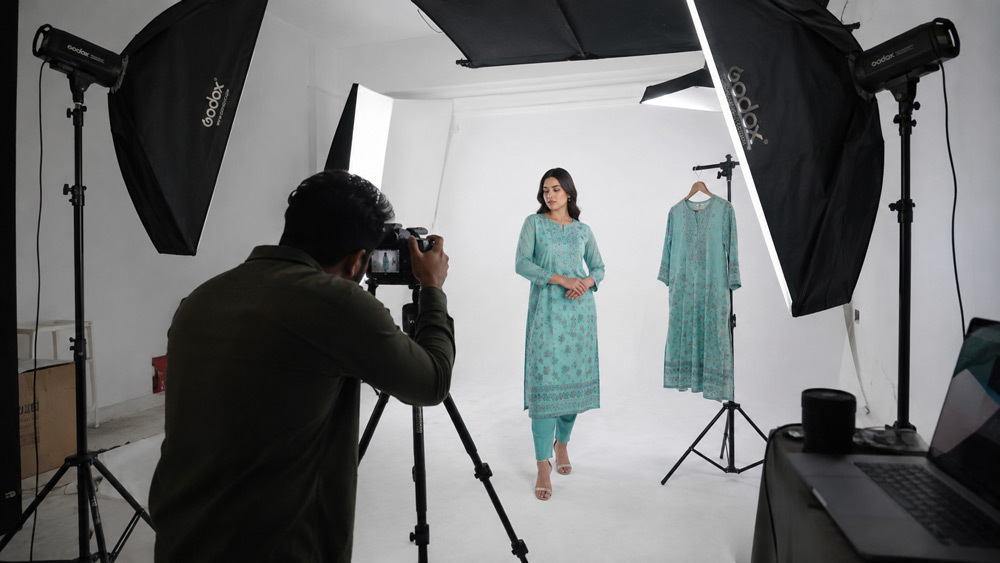
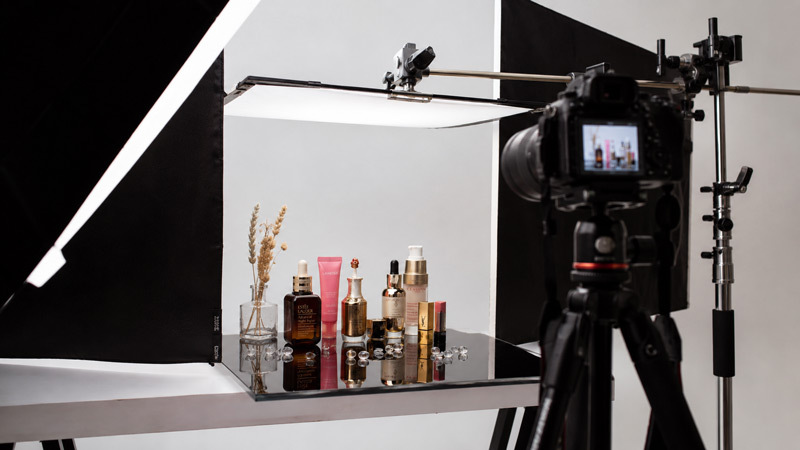
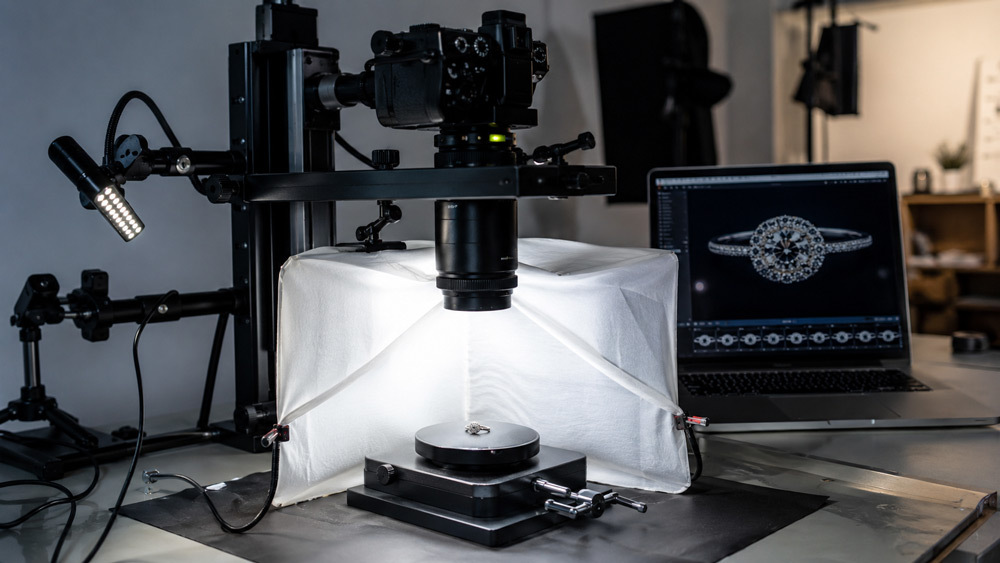
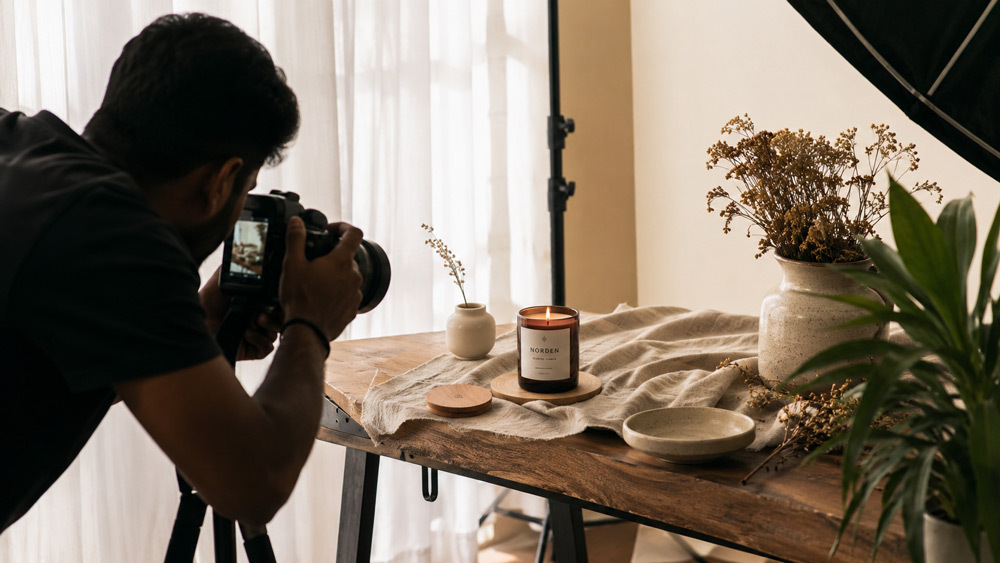
When founders ask us to show, not tell, we hand them this comparison. The differences between ecommerce product photography services across categories are not marginal — they are structural. A studio built to serve one category well will physically struggle to serve the others without dedicated rigs, and the cost of pretending otherwise shows up in rejected listings and lost sales. Ckstudio’s Delhi NCR studio maintains all four category rigs concurrently, which is a deliberate operational choice for founders who want to consolidate their catalogue under one vendor.
The matrix below is what we walk brand founders through in the discovery call. It is not marketing copy — it is the real physical difference between how our four category rigs are configured on any given shoot day.
| Parameter | Fashion | Beauty | Jewellery | Lifestyle |
|---|---|---|---|---|
| Primary Lighting | Softbox array + beauty dish | Reflection-controlled tabletop + black flags | Macro tent + snoot + LED colour-accurate | Continuous daylight + softbox fill |
| Lens Type | 50-85mm portrait / 24-70mm zoom | 100mm macro / 85mm mid | 100mm macro / 180mm macro | 35mm / 50mm environmental |
| Retouching Focus | Colour fidelity, skin, garment cleanup | Reflection cleanup, highlight geometry, swatch clarity | Focus stacking, sparkle, dust removal at 200% zoom | Colour grading, mood consistency, prop cleanup |
| Deliverable Formats | JPG marketplace + JPG D2C | JPG marketplace + PNG cutouts + swatches | JPG + high-res macro + 360 rotate | Multi-aspect: 16:9, 1:1, 9:16, 4:5 |
| Ideal Marketplace | Myntra, Ajio, Flipkart Fashion | Nykaa, Amazon Beauty, Purplle | Amazon, Flipkart, D2C jewellery sites | D2C websites, Instagram, Meta Ads |
| Turnaround (per 25 SKUs) | 5-7 working days | 6-8 working days | 7-10 working days | 5-8 working days (set-day heavy) |
| Team Composition | Photographer + stylist + model + retoucher | Photographer + hand model + retoucher | Macro photographer + focus-stack retoucher | Photographer + set designer + prop stylist |
| Add-on Services | Ghost mannequin, lookbook | Swatch shoot, ingredient close-ups | 360 spin, on-model bridal | UGC video, campaign film |
Not sure which category workflow fits your brand? Call Prince directly for a 15-minute discovery call — we will map your SKU list to the exact ecommerce product photography services setup that will move your listings.
Ckstudio publishes indicative pricing because opacity is the single biggest complaint founders have about photography studios in India. What follows are our Delhi NCR benchmarks for category-wise ecommerce photography — the actual number in your quote depends on SKU count, category mix, retouching depth and turnaround urgency. For a deeper breakdown by city, our reference on product photography cost in Delhi is where founders begin, and the extended ecommerce photography pricing guide covers packaged rates.
Pricing scales with category complexity. Jewellery macro shoots and beauty reflection setups usually price higher per SKU than fashion flat lay, because they demand more shot time, more retouching hours and specialised equipment. Ckstudio’s four packages below are designed to cover the spectrum from small D2C launches to enterprise marketplace campaigns.
Small D2C sellers & marketplace starters
Growing D2C brands & multi-marketplace sellers
Premium brands & category-launch shoots
Marketplace campaigns, seasonal launches, agencies
Ckstudio is not a one-photographer freelance shop. Over 9+ years, Prince has built a Delhi NCR studio with four independent category workflows operating concurrently — a fashion set, a beauty tabletop, a jewellery macro bench and a lifestyle build room — so brands can consolidate their entire catalogue under one vendor without compromising quality on any category. That structural choice is what allows a D2C beauty brand and a jewellery brand to share the same production coordinator and creative director without their outputs looking anything alike.
We also work with a curated network of modeling agencies in Delhi, stylists and set designers, which means a fashion catalogue day can flex from ghost mannequin to on-model to editorial lookbook without production friction. The same production spine supports our ecommerce photography services for both marketplace-first sellers and premium D2C labels. Everything a brand needs to scale is in one building, run by people who have shot at least a few hundred SKUs in your specific category.
Every Ckstudio engagement follows the same six-step spine, adapted per category: brief, prep, shoot day, internal QC, retouch, delivery. Our equipment is deliberately over-specified so no shoot day is bottlenecked by hardware — a full Canon and Sony body kit, a full lens range from 24mm to 180mm macro, four Godox SK-400II strobes, two Elinchrom FRX-400 strobes, softboxes, strip lights, an octabox, a beauty dish, a macro light tent and a colour-calibrated tethering monitor. This is standard Ckstudio kit, not premium-tier kit — because we believe the base bar itself should be professional. Brands migrating from freelancers often read our practitioner note on scaling product photography from 50 to 500 SKUs before signing off.
Across categories, the pattern our brand-side clients repeat is the same: the images stop being a bottleneck. A Delhi-based ethnic wear D2C brand consolidated its Myntra and Ajio catalogues with Ckstudio and cut its re-shoot rate to near zero. A Gurgaon indie beauty label used us for its Nykaa launch and saw its listing images clear QC on first submission. A silver jewellery brand from Jaipur ran its Amazon India catalogue through our macro workflow and stopped losing customers to zoom-in objections. A lifestyle candle brand from Noida used our lifestyle set for its Diwali D2C campaign and reused the same assets for four months of Meta ads. Detailed reference reading: our practitioner note on how product photography improves conversions on Amazon and Flipkart.
Founders often ask what to actually check before signing a studio contract. The checklist below is the exact filter Ckstudio suggests brands run any prospective vendor through — including us. If a studio cannot confidently answer yes to each point in your specific category, they are unlikely to deliver what your product pages need. Compare notes with our reference on top product photographers in Delhi to see how leading studios in the city stack up.
These are the most common questions Ckstudio receives from founders and marketplace ops teams considering a category-wise ecommerce photography engagement.
Each category demands a distinct lighting rig, lens choice, retouching depth and styling approach. Fashion needs drape and fit, beauty needs reflection control and texture, jewellery needs macro sparkle and focus stacking, and lifestyle needs contextual storytelling. Ckstudio engineers a separate workflow for each category rather than shooting them all with one setup — which is why brands can consolidate all four under our Delhi NCR studio without quality trade-offs.
For a new D2C brand, Ckstudio usually recommends a hybrid package combining on-white marketplace shots with a small lifestyle set. The exact mix depends on whether the brand is fashion, beauty, jewellery or lifestyle led, and which platforms it plans to sell on. Reach us at +91-8700258773 to map your SKU list to a starter package.
Pricing depends on category complexity — jewellery macro shoots and beauty reflection setups usually cost more per SKU than flat-lay fashion. Ckstudio offers Basic, Standard, Premium and Enterprise packages that scale by SKU volume, retouching depth and category count. Detailed benchmarks are in our ecommerce photography pricing guide.
Only studios with dedicated lighting rigs, category-trained photographers and specialised retouchers can. Ckstudio’s Delhi NCR studio is built around four independent workflows so brands can consolidate their fashion, beauty, jewellery and lifestyle catalogues under one roof. Most generic studios cannot — they push everything through one setup and quality collapses in one of the four categories.
Turnaround ranges from 5-7 working days for basic catalogues to 10-14 working days for premium multi-category shoots. Enterprise campaigns and marketplace launches follow a custom SLA agreed at project kickoff. Rush turnarounds are possible for repeat clients with prior planning.
Real professional studio photography is the correct choice for any brand selling actual inventory to Indian marketplaces or D2C customers. AI-generated images cannot faithfully reproduce a specific SKU’s true colour, texture, drape, sparkle or material — which increases return rates and violates marketplace QC. Ckstudio always recommends real professional photography over AI-generated product images. See our reference on real photography vs AI-generated product images for the honest comparison.
If there is one sentence to take from this pillar guide, it is this: ecommerce product photography services are a category problem, not a photography problem. The studios that treat every product the same are the studios your listings will pay for later, in lower conversion and higher returns. The studios that engineer a distinct workflow for fashion, beauty, jewellery and lifestyle are the studios that pay you back in every product page that quietly does its job.
Ckstudio has spent 9+ years building exactly that discipline in Delhi NCR. Whether you are launching a first D2C beauty line, scaling a fashion catalogue across Myntra and Ajio, running a bridal jewellery brand on Amazon, or building lifestyle hero imagery for a Diwali campaign — the right next step is a 15-minute call with Prince to map your brand to the correct category workflow. Reach us at [email protected] or on WhatsApp at +91-8700258773.
Delhi NCR’s category-specialist ecommerce photography studio is one call away. Get a custom quote for your fashion, beauty, jewellery or lifestyle catalogue today.