
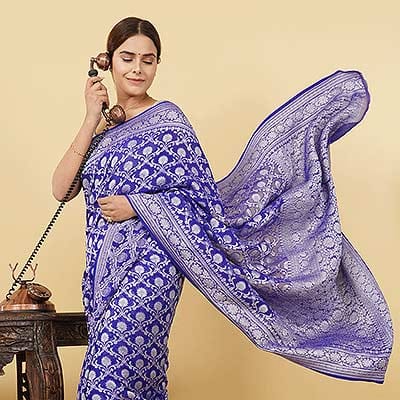
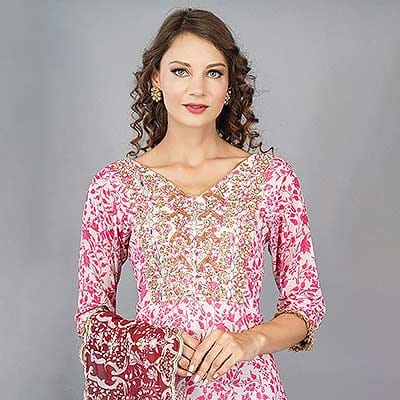
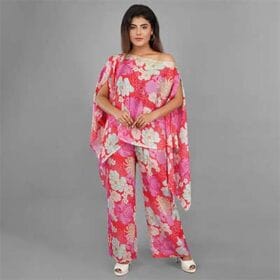
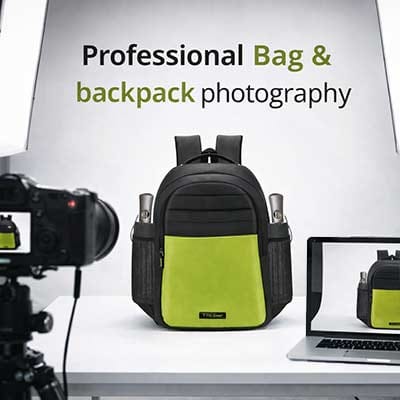

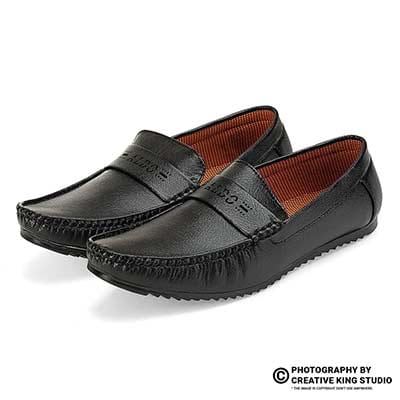

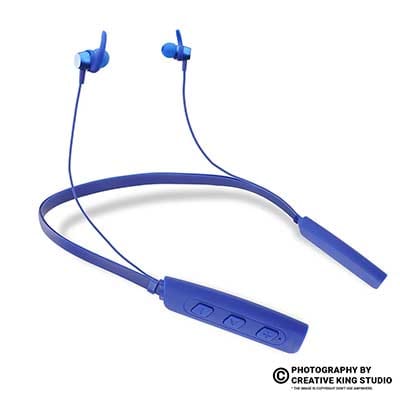
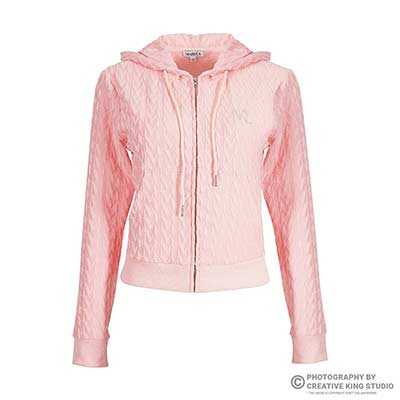
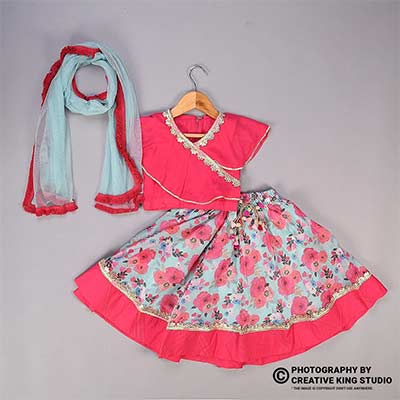
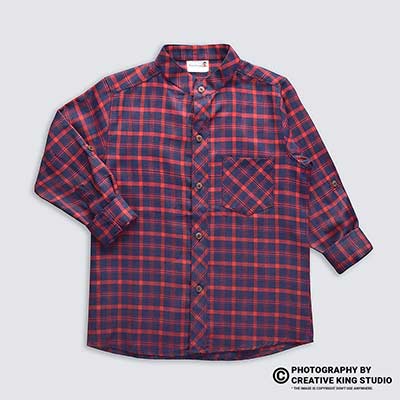
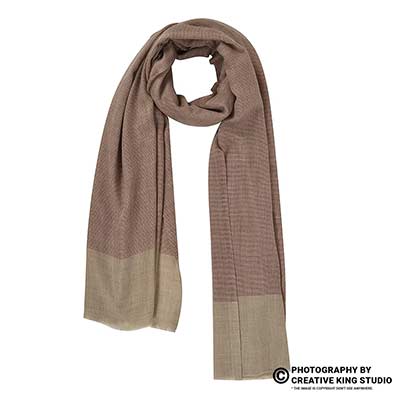
Ecommerce product photography in 2026 is no longer a supporting function — it is the single biggest lever behind marketplace ranking, click-through rate and conversion. At Ckstudio, our 9+ years of production experience across Amazon India, Flipkart, Myntra and Shopify have taught us one hard truth: sellers do not lose because they picked the wrong price, they lose because their images fail marketplace standards. This guide, written by Prince, is the exact compliance and conversion playbook we use for our own clients.
Key Takeaways
- Amazon demands pure white (RGB 255,255,255) main image with product filling 85% of frame at 1600–2000px.
- Flipkart Assured tier can lift conversions by up to 30%, but requires strict background and resolution compliance.
- Myntra is fashion-first — ghost mannequin and on-model specs at 1080×1440 are non-negotiable for apparel.
- Shopify rewards WebP + Core Web Vitals — 2048×2048 for zoom, under 200KB after compression.
- AI-generated main images that misrepresent the product violate policy on all four marketplaces in 2026.
Why Ecommerce Product Photography Standards Matter More Than Ever in 2026
Ecommerce product photography has moved from being a “nice-to-have” to the ranking currency of every major marketplace in India. In 2026, Amazon India, Flipkart and Myntra all weight visual quality signals into their algorithms — image compliance, zoom resolution, contextual variety, and even how quickly a product image loads on a mobile network. Sellers who treat images as an afterthought watch their listings quietly slide off page one, while brands investing in professional ecommerce photography services collect the traffic and revenue that follows.
The mobile-first Indian buyer has also raised the bar. Over 75% of marketplace transactions in India start on a small screen where every pixel counts, which means the marketplace photography standards of 2020 are simply not enough anymore. Ckstudio’s own audits of Delhi NCR sellers show that a substantial share of listings are silently suppressed for image issues the seller never even sees flagged. This guide fixes that gap — permanently. To go deeper on why images are the number-one conversion lever, read our companion piece on how product photography improves conversions on Amazon and Flipkart.
The Real Cost of Non-Compliant Product Images
When a marketplace suppresses a listing for a non-compliant main image, the seller usually notices only through a sudden drop in impressions. There is no aggressive email, no red flag — just quiet invisibility. Ckstudio has recovered dozens of brands that were losing 40–60% of expected traffic simply because their main image had a soft grey background instead of pure white, or because the product filled less than 65% of the frame. Beyond suppression, poor images also drive higher return rates, which then tank Flipkart Assured and Amazon seller performance metrics. If your returns are high, before touching pricing, read our detailed breakdown on how to reduce Flipkart and Amazon returns with better product images.
How 2026 Marketplace Algorithms Weight Image Quality
Marketplace ranking systems in 2026 evaluate visual quality across at least three axes: technical compliance (dimensions, background, format), engagement signals (zoom usage, image swipes, video play rate), and conversion outcomes (add-to-cart and purchase after image view). At Ckstudio, we build every deliverable to score high on all three. The days of uploading a single phone-shot main image and hoping to rank are gone — Amazon’s A9, Flipkart’s Vibe ranking and Myntra’s style discovery all reward visual richness. To understand this shift in more detail, our guide comparing real photography versus AI-generated product images explains why marketplace algorithms and returning buyers can now distinguish between the two.
Universal Ecommerce Product Photography Standards (Baseline Across All Marketplaces)
Before we go marketplace-by-marketplace, there is a baseline layer of ecommerce image requirements that applies everywhere. Whether you sell on Amazon, Flipkart or Shopify, if your source files fail these fundamentals, no post-production can save them. Ckstudio’s production checklist starts here — resolution, DPI, colour profile, background purity, and framing. Nail these and you will pass compliance on any platform, from marketplace giants to your own D2C store.
The reason we treat these as universal is simple: marketplace-preset delivery is faster and cheaper when the master files already meet the strictest spec in the group. Shoot once, deliver everywhere. This is exactly the workflow we teach in our product photography guide for Indian brands, and it is why scaling from 50 to 500 SKUs is such a natural step — as we cover in our post on scaling product photography from 50 to 500 SKUs.
Resolution, DPI, and File Size Fundamentals
The 2026 baseline that Ckstudio delivers on every master file: minimum 2000×2000 pixels, sRGB colour profile, 8-bit JPEG or 16-bit TIFF for archival, with 72 DPI (screen delivery — DPI is meta only on web). File size stays under 10 MB per image for JPEG delivery, and a WebP version is generated for Shopify-first brands. If you cannot zoom in and read a woven fabric label clearly, the image will not survive Amazon’s zoom feature and it will not convert on Myntra.
Colour Profile, White Balance, and Background Purity
Colour accuracy is one of the most-abused fundamentals in Indian ecommerce. Ckstudio shoots in a fully calibrated environment with X-Rite ColorChecker on every product batch, so garments, jewellery and cosmetics look identical on the customer’s screen and in the parcel. This is the single biggest lever behind lower return rates. The background purity requirement — pure white RGB 255,255,255 — is not a suggestion; it is the compliance line that separates approved main images from suppressed ones on Amazon and Flipkart alike.
Aspect Ratio and Framing Rules Every Marketplace Rewards
Square (1:1) is the safest aspect ratio because it works everywhere — Amazon, Flipkart, Shopify and even Meesho. For Myntra fashion, we shoot 3:4 portrait on-model. The framing rule of thumb we use at Ckstudio: product fills 85% of the frame in the main image, with breathing room on all four sides — never touching the edge, never floating like a stamp. Beginners often ignore this rule; see our new-seller companion piece, the Flipkart photography guidelines 2026 beginner’s guide, for the full framing playbook.
Amazon Product Photography Requirements 2026
Amazon India — 2026 Snapshot
Main image: Pure white, 85% frame fill · Resolution: 1600–2000 px (min 1000 px longest side) · Format: JPEG (RGB) · Max size: 10 MB · Colour: sRGB.
Amazon product photography is the strictest ecosystem in Indian marketplaces — and the one with the highest reward for full compliance. The Amazon image guidelines 2026 continue to enforce the classic rules (pure white main image, no watermarks, no props, no text on main), but Amazon has also tightened enforcement on zoom quality and A+ Content image resolution. Ckstudio delivers all Amazon files at 2000×2000 px minimum, giving sellers full zoom functionality and future-proofing against further spec increases. If you are just starting out, our Amazon product photography complete seller’s guide 2026 is the perfect first read, and you can jump straight to our production expertise on the Amazon product photography services page.
Amazon Main Image Rules (Pure White, 85% Frame Fill)
The Amazon main image is the single most-reviewed asset in any listing. Amazon’s requirements are non-negotiable: pure white background (RGB 255,255,255), no props, no text, no logos overlaid, no mannequin heads visible for apparel, no models unless the model wears the product, and the product must fill approximately 85% of the frame. Ckstudio’s Amazon lead reviews every main image against this checklist before delivery. For deeper category-specific work, see our post on how product photography improves conversions on Amazon and Flipkart. You can validate specs directly on Amazon’s own reference at Amazon Seller Central India.
Secondary, Infographic, and Lifestyle Image Best Practices
After the main image, Amazon allows up to 7 additional images plus 1 video per listing. Ckstudio’s proven Amazon slot structure is: main (pure white) → back angle → in-hand scale → dimension infographic → feature callouts → lifestyle context → use-case → video. Each secondary slot answers a specific buyer objection. Lifestyle images can (and should) show the product in real environments — a home, a workspace, worn by a real person — because these images influence add-to-cart rate more than any other slot. Read our supporting analysis on the behind-the-scenes of product photography for the styling logic we use.
Amazon A+ Content and Premium A+ Image Specifications
Amazon A+ Content (formerly EBC) demands a different visual grammar altogether: wider images (970 px wide standard, 1464 px for Premium A+), brand storytelling modules, comparison tables, and video-first modules for Premium A+ sellers. Ckstudio’s A+ delivery kits include module-ready assets, brand-consistent typography lockups, and modular banners that Amazon’s A+ builder accepts on first upload. For readers looking at a full pillar-to-pillar Ckstudio workflow, our ecommerce photography services complete guide 2026 and how to choose the best ecommerce photography company deep-dive both cover this A+ standard in more detail.
Common Amazon Image Rejection Reasons in 2026
- Off-white or grey background — anything below RGB 250 gets flagged as non-compliant.
- Watermarks, logos or seller name on the main image.
- Cropped edges — product touching or bleeding beyond the frame.
- Mannequin heads visible in apparel main images.
- AI-generated fantasy renders that misrepresent the actual product.
Not sure if your Amazon images meet 2026 standards?
Ckstudio audits your live catalogue and flags every compliance issue — free for first-time consultations.
Flipkart Product Photography Requirements 2026
Flipkart — 2026 Snapshot
Main image: Pure white, product-centred · Resolution: 2000×2000 px recommended (min 500 px shortest side) · Format: JPEG/PNG · Assured tier: Stricter compliance, higher conversion.
Flipkart product photography has evolved sharply through 2025 and 2026, with the Flipkart image specifications now closely mirroring Amazon on the main image but diverging on lifestyle and category-specific angles. Ckstudio ships Flipkart-preset deliverables directly from our production floor, tagged and named exactly as the Flipkart Seller Hub expects — no upload confusion, no rejected batches. Sellers migrating from Amazon should read our detailed comparison of how better product images reduce returns on Flipkart and Amazon, and can visit our dedicated Flipkart product photography and ecommerce model shoot service page for platform-specific packages.
Flipkart Main Image and Background Compliance
Flipkart’s main image compliance is similar to Amazon but slightly more forgiving on frame fill (70–85% acceptable range) while equally strict on pure white background. Common Flipkart rejections at Ckstudio: sellers uploading images with visible shadows, subtle vignettes, or slight colour cast on the background. Our post-production standard eliminates all three at delivery. For a full compliance checklist tailored to new sellers, our Flipkart photography guidelines 2026 beginner’s guide is a mandatory read.
Flipkart Assured Image Requirements and Tier Benefits
Flipkart Assured is the gold-standard tier on Flipkart — and it demands the strictest image compliance. Assured listings must have multi-angle coverage (typically 5–7 images), zoomable resolution, and category-specific styling. Ckstudio’s Assured delivery kits are engineered to pass on first upload. Sellers with Flipkart Assured see conversion lifts of up to 30% in our client data, alongside better search visibility. The stricter you go on your Assured images, the better your Vibe score — and the better your ranking. See the official Flipkart Seller Hub for the current Assured criteria.
Flipkart Lifestyle and Category-Specific Rules
Where Amazon and Flipkart really diverge is in lifestyle image expectations. Flipkart’s audience — particularly in Tier-2 and Tier-3 India — responds strongly to relatable, in-use, in-hand imagery. Ckstudio’s Flipkart lifestyle shoots typically include human-scale references, home context, and real-life-use scenarios. For fashion sellers, we shoot on-model and flat-lay content aligned with Flipkart’s fashion vertical. See our detailed piece on how to choose the right background for fashion ecommerce photography for background selection specific to Flipkart Fashion.
Flipkart Fashion vs Non-Fashion Image Differences
Flipkart Fashion follows Myntra-style conventions — on-model shots preferred, 3:4 aspect ratio accepted, ghost mannequin for standalone garment shots. Flipkart non-fashion (home, electronics, FMCG) sticks closer to Amazon’s square 1:1 white-background norm. Knowing which category playbook applies before you shoot saves an entire reshoot cycle.
Myntra Photography Guidelines 2026 (Fashion-First Standards)
Myntra — 2026 Snapshot
On-model: 1080×1440 px min, 3:4 portrait · Ghost mannequin: Pure white, 2000×2000 px · Fashion-first: Category-specific pose and styling rules · Colour accuracy: Critical (returns).
Myntra photography guidelines stand apart from Amazon and Flipkart because Myntra is a curated, fashion-first destination. The platform demands editorial-grade image quality with strict pose, styling and colour accuracy standards. Ckstudio operates a dedicated Myntra shoot floor in Delhi NCR with in-house stylists, model coordinators and fashion-trained photographers. For a full production perspective, visit our Myntra product photography and ecommerce model shoot service page, and read our practical prep guide, how to prepare garments for an ecommerce model photoshoot.
Myntra On-Model Photography Specifications
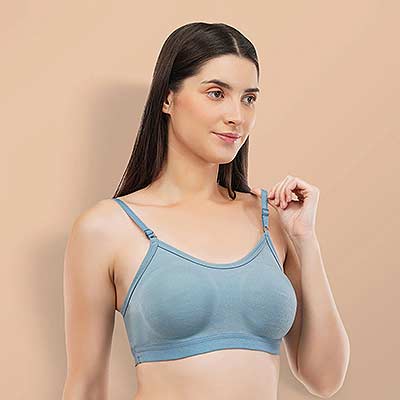
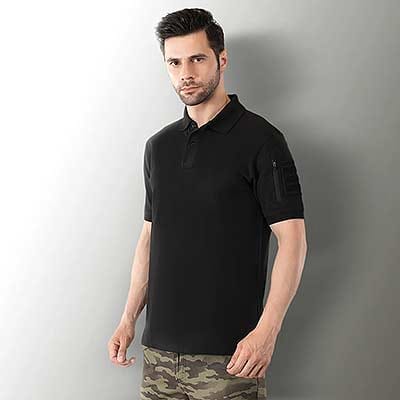
Myntra on-model images must be shot at minimum 1080×1440 pixels in 3:4 portrait aspect, with three mandatory angles per garment: front, back, and detail. Poses are pre-defined by Myntra — models must face forward with a neutral expression, hands relaxed at sides for tops, and no dramatic model poses that distract from the garment. Ckstudio’s model photoshoot in Delhi India service delivers Myntra-approved imagery on first upload, and for menswear sellers we have a dedicated male model photography India track.
Ghost Mannequin and Flat Lay Requirements for Apparel
Ghost mannequin (also called invisible mannequin or 3D dummy) is the workhorse image for Myntra apparel that lets buyers see the garment’s true silhouette without a model. Ckstudio’s ghost mannequin photography services deliver clean 2000×2000 px files with front-and-back stitching in Photoshop, following the exact workflow documented in our ghost mannequin editing Photoshop workflow guide. Flat lay is a lower-cost alternative — see our flat lay photography services for that option. Sellers deciding between ghost mannequin and on-model should read our ghost mannequin photography for ecommerce Amazon Myntra Flipkart guide.
Myntra Footwear, Accessories, and Beauty Category Rules
Myntra’s category-specific rules extend beyond apparel. Footwear must be shot at three specific angles — top-3/4, side profile, and sole — on a pure white background at 2000×2000 px minimum. Accessories (bags, watches, belts) follow near-Amazon standards. Beauty follows Amazon’s strict pure-white rule with category-specific styling. For category-specific production, see our footwear photography services, bags and handbag photography, and beauty and cosmetic photography pages.
Myntra Image Rejection Triggers to Avoid
- Model poses that don’t match Myntra’s fashion vertical style guide.
- Visible steamer marks, creases or garment defects — an instant reject.
- Ghost mannequin with visible mannequin edges or bad neck seaming.
- Wrong background tone — anything above RGB 245 grey is a fail.
Shopify Product Image Standards for D2C Brands 2026
Shopify — 2026 Snapshot
Product image: 2048×2048 px square recommended · Hero image: 1920×1080 px · Format: WebP preferred, JPEG fallback · File size: Under 200 KB for Core Web Vitals.
Shopify product images operate under a fundamentally different logic than marketplace listings. On Shopify, the seller owns the storefront, so there are no forced compliance rules — but there are performance and design rules. Ckstudio’s Shopify D2C clients care about three things: brand consistency, Core Web Vitals performance, and mobile-first design fit. That means smaller compressed files, WebP delivery, and hero/lifestyle imagery designed for full-width scroll experiences. Our production stack for D2C is documented across our ecommerce photography services and lifestyle product photography pages.
Shopify Product Photo Size and Aspect Ratio Recommendations
Shopify’s Dawn theme and most premium themes assume 2048×2048 pixel square product images for zoom compatibility, though smaller sources work if you don’t need zoom. Square remains the safest ratio because it works uniformly across product page, cart, and collection grids. If your brand aesthetic demands portrait or landscape (common in fashion, home decor), pick one ratio and enforce it across the entire catalogue — inconsistent ratios wreck grid layouts. For a broader take, our product photography tips to increase ecommerce sales covers ratio strategy in more depth.
Shopify Hero, Collection, and Thumbnail Image Sizes
Beyond the product image itself, Shopify stores need a hierarchy of image sizes: hero at 1920×1080 for the home banner, collection tiles at 1024×1024, lookbook editorials at 1600×2400 portrait, and thumbnails at 300×300. Ckstudio delivers all of these from a single unified shoot day, avoiding the need for reshoots when the brand rebrands or redesigns. For fashion D2C brands specifically, we recommend also budgeting for a lookbook photography shoot every season.
WebP, Compression, and Core Web Vitals for Shopify Speed
Shopify’s own image pipeline auto-serves WebP where the browser supports it, but the source file quality matters. Ckstudio delivers Shopify-optimised source files under 200 KB after intelligent compression — this alone improves Largest Contentful Paint scores substantially. Combined with proper alt text and lazy-loading, Shopify stores photographed at Ckstudio consistently pass Core Web Vitals. For technical D2C teams, we recommend cross-referencing Google web.dev’s Core Web Vitals documentation.
Side-by-Side: Ecommerce Product Photography Specs Across All 4 Marketplaces
This is the table Ckstudio’s own production managers pin to the studio wall. If you bookmark one visual from this entire guide, make it this one. It captures the exact marketplace product image specs — dimensions, background, aspect, format, and zoom — across Amazon, Flipkart, Myntra and Shopify for 2026. The differences here are what drive our multi-marketplace shoot workflow: shoot to the strictest spec (2000×2000 sRGB on pure white), then downscale and re-encode per platform.
Master Comparison Table: Dimensions, Background, File Size, and Zoom
| Spec | Amazon | Flipkart | Myntra | Shopify |
|---|---|---|---|---|
| Min Resolution | 1000 px (2000 rec.) | 500 px (2000 rec.) | 1080×1440 (model) | 2048×2048 (rec.) |
| Max File Size | 10 MB | 10 MB | 10 MB | 20 MB (under 200 KB rec.) |
| Background | Pure white RGB 255 | Pure white RGB 255 | White (model context OK) | Brand-driven |
| Aspect Ratio | 1:1 square | 1:1 square | 3:4 portrait (model) | 1:1 square (rec.) |
| Zoom Support | ≥1000 px longest side | ≥1600 px rec. | Standard | Theme-dependent |
| Main Image Rule | 85% frame fill, no props | 70–85% frame fill | Category-specific pose | Brand storytelling |
| Preferred Format | JPEG (RGB) | JPEG / PNG | JPEG | WebP + JPEG fallback |
Which Marketplace Has the Strictest Rules in 2026?
Across Ckstudio’s 2026 client base, the answer is clearly Myntra — because it stacks three layers of strictness: fashion-vertical rules, pose specifications, and colour accuracy demands (fashion is India’s highest-return category, and Myntra is aggressive about protecting buyer trust). Amazon comes second for its zero-tolerance on main image compliance. Flipkart Assured is third, and Shopify is technically the most flexible — but paradoxically, it demands the highest brand discipline because there is no marketplace safety net to catch a bad image.
Category-Wise Ecommerce Product Photography Playbook
Beyond marketplace rules, Ecommerce Product Photography is category-first. A necklace, a sneaker, and a coffee grinder each demand different lighting, styling, angles and post-production. Ckstudio’s category playbooks are built from thousands of SKUs shot across Delhi NCR — the same reasoning that makes choosing the right product photography studio in Delhi NCR so important. Here is how we approach the three biggest verticals.
Fashion, Apparel, and Footwear Photography Standards
Fashion demands editorial precision. Ckstudio’s fashion photography services combine on-model, ghost mannequin, and flat lay in a single production day, delivering Myntra-ready 3:4 portraits alongside Amazon and Flipkart square masters. Our garment photoshoot service handles apparel-specific requirements including detail shots, texture close-ups, and pattern reveals. Delhi NCR sellers who want the current market perspective should also read our fashion photography trends Delhi NCR 2026 post and the comparison of studio versus outdoor fashion photography in Delhi NCR.
Jewellery, Watches, and Accessories Photography
Jewellery is the highest-precision category we shoot. Reflections, tiny facets, gold vs silver colour accuracy — all demand macro lenses, cross-polarised lighting, and pixel-level retouching. Ckstudio’s jewellery photography services follow a documented multi-shot workflow that we have detailed in our complete jewellery photography guide for ecommerce India 2026 and jewellery photography checklist. Watches follow adjacent principles — see our watch photography services — while bags and small accessories are covered by bags and backpack photography.
Electronics, FMCG, and Home Décor Photography
Electronics need clean, precise, technically accurate imagery — screens on, cables organised, materials realistic. FMCG needs shelf-visible pack shots plus lifestyle context (kitchen, bathroom, dining). Home décor needs room context that helps buyers imagine placement. Ckstudio’s dedicated electronic product photography, FMCG and grocery photography, and home and furnishing product photography tracks each ship with category-specific styling standards and marketplace-preset delivery. Kitchen sellers should also see our kitchen product photography service.
Get the Ckstudio Multi-Marketplace Compliance Checklist
WhatsApp us and we’ll send you the full PDF checklist for Amazon, Flipkart, Myntra and Shopify — free.
2026 Trends Reshaping Ecommerce Product Photography Standards
The marketplace photography standards of 2026 are being reshaped by three converging forces: AI-augmented workflows, video-and-360 becoming table stakes, and rising authenticity signals. Ckstudio’s studio-level view is that these forces raise the bar for everyone — but the sellers who invest early get compounding returns. Delhi NCR sellers can already see this trend in their own analytics: listings with video have measurably higher time-on-page across Amazon, Flipkart and Myntra.
AI Product Photography: Where Marketplaces Draw the Line
The single most-asked question in our 2026 client meetings is: “Can I use AI product images instead of a photoshoot?” The short answer is nuanced. AI-augmented retouching (background swap, colour correction, blemish removal) is broadly acceptable and Ckstudio uses it in production every day. But fully AI-generated main product images that misrepresent the physical item — wrong colour, invented details, non-existent features — violate marketplace policy on Amazon India, Flipkart and Myntra alike, and can lead to listing suppression, return spikes, and buyer trust erosion. Our detailed take is in real photography versus AI-generated product images and, for the fashion-specific angle, AI ghost mannequin photography vs traditional photography in Delhi.
✓ AI-Augmented (Acceptable)
- Background replacement
- Retouching & skin smoothing
- Colour normalisation
- Clipping path automation
✗ AI-Generated (Policy Violation)
- Invented products
- Fantasy environments as main
- Misrepresented colours/textures
- Fake model/lifestyle photos
360-Degree, Video, and Interactive Product Media
Amazon, Flipkart and Myntra all now support video slots — and 2026 is the year video moved from optional to expected. Ckstudio offers 360-degree product photography for high-consideration categories (furniture, footwear, electronics) and full video production for hero product videos, unboxing content, and UGC-style clips. For sellers exploring UGC specifically, our UGC video creation guide India 2026 and UGC video cost in India 2026 posts are essential reading.
Sustainability and Authenticity Signals in Product Imagery
Indian buyers are increasingly attuned to authenticity signals — real fabric texture, honest colour reproduction, real-model diversity, and unretouched lifestyle scenes. Ckstudio explicitly avoids over-retouching where it hurts trust: we keep natural skin texture on models, real fabric weave, and accurate metal tone on jewellery. This is not just an ethical position; it directly reduces return rates on Myntra and Flipkart Fashion.
The Ckstudio Multi-Marketplace Ecommerce Product Photography Workflow
Here is the exact multi-marketplace workflow Ckstudio uses to deliver Amazon, Flipkart, Myntra and Shopify assets from a single shoot day. This is the operating system behind our ecommerce photography services in Delhi NCR — it is why brands scaling from 50 to 500 SKUs choose us over spreading their production across multiple vendors. For a lighter-weight starter checklist, see our post on how to choose the best ecommerce photography company.
Pre-Shoot: Shot List, Category Mapping, and Marketplace Preset Planning
Every Ckstudio shoot begins two working days before the camera comes out. Our pre-production team builds the shot list — main + 6 secondary angles + video moments per SKU — and maps every asset to marketplace presets. This is where sellers save the most money, because a well-planned shot list eliminates 90% of reshoot risk. See our detailed fashion photoshoot guide for first-shoot preparation for the pre-production checklist we use.
On-Set: Lighting, Styling, and Consistency Systems
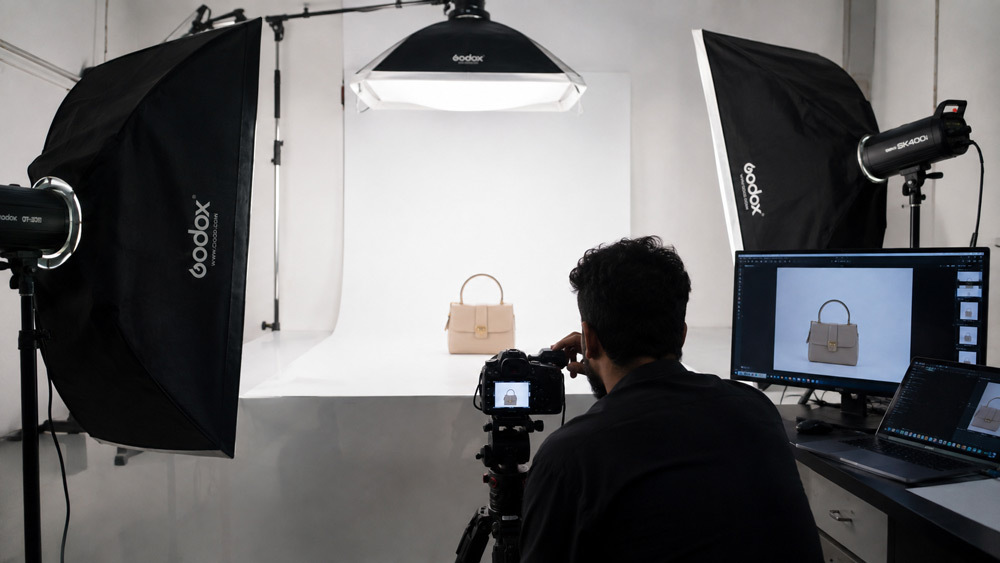
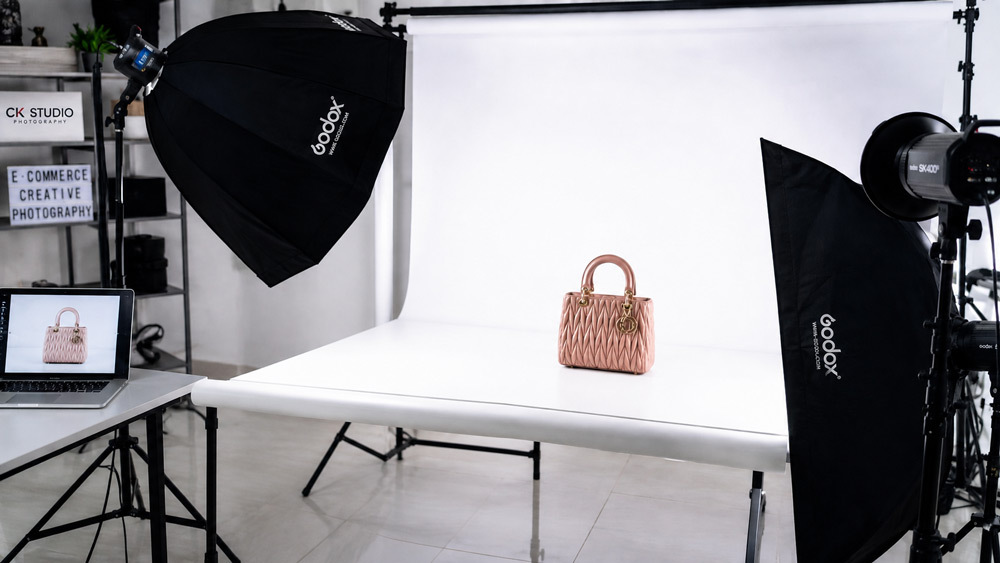
Ckstudio’s on-set standard uses 4× Godox SK 400II and 2× Elinchrom FRX 400 strobes with strip softboxes for even, shadow-free product lighting. For fashion, a beauty dish adds directional editorial quality. Every product on every day is shot against a colour-checker-calibrated white cyclorama with the same camera settings — this is what delivers batch consistency across 100+ SKU shoots. The engineering behind our lighting is covered in our jewellery photography lighting and studio techniques post.
Post-Production: Retouching, Resizing, and Multi-Format Delivery
Post-production is where marketplace presets come to life. Ckstudio’s image editing services in Delhi deliver each SKU in every marketplace format required — Amazon 2000×2000 JPEG, Flipkart 2000×2000 JPEG, Myntra 1080×1440 3:4 JPEG, Shopify 2048×2048 WebP + JPEG fallback. Files are named per marketplace convention, batched into upload-ready ZIPs, and delivered via our client portal. This is what makes Ckstudio’s turnaround competitive even for 500+ SKU orders.
Ecommerce Product Photography Pricing and Turnaround (India, 2026)
Ecommerce product photography pricing India in 2026 varies from a few hundred rupees per image at the low end to several thousand for editorial fashion or luxury jewellery work. Ckstudio’s Delhi NCR pricing is engineered for scale — the per-image cost drops sharply with volume, which is exactly why marketplace-first brands consolidate with a single studio. For a full breakdown, see our detailed guides on product photography cost in Delhi, product photography cost in Mumbai, and the marketplace-specific product photography pricing India 2026.
What Determines Marketplace Photography Cost in India
The five variables that determine Ckstudio’s quote for any ecommerce photography brief are: SKU volume, photography type (white background vs ghost mannequin vs on-model vs 360°), marketplace preset count (single vs multi-marketplace delivery), styling complexity, and turnaround. Higher volume and single-photography-type shoots have the lowest per-image rate; multi-marketplace, multi-type brief with rush turnaround sits at the higher end. Fashion-specific costs are also detailed in our fashion photography cost in Delhi and ghost mannequin photography price in Delhi NCR posts, and jewellery pricing is at jewellery photography cost India 2026.
Ckstudio Package Snapshot for Multi-Marketplace Sellers
| Package | SKUs | Photography Types | Marketplace Presets | Turnaround |
|---|---|---|---|---|
| Basic | 5–15 | White background only | Single marketplace | 3–4 days |
| Standard | 15–50 | White BG + 2 lifestyle | Amazon + Flipkart + Shopify | 5–7 days |
| Premium | 50–150 | Ghost mannequin OR on-model + lifestyle + 360° | All 4 marketplaces | 7–10 days |
| Enterprise | 150+ | Full multi-marketplace + video | All 4 + custom D2C | Monthly retainer, SLA-based |
To get a custom quote tailored to your catalogue, call Prince at +91-8700258773 or email [email protected]. The sooner we speak, the sooner your marketplace-ready images are live.
Compliance Checklist: Ecommerce Product Photography Before You Upload
This is the exact final-check sheet Ckstudio’s QC team runs on every batch before delivery. Print it, pin it, and never upload a file that hasn’t passed every line. It is short by design — comprehensive checklists get ignored; short ones get followed. Sellers who need a category-specific version can request the extended checklist by WhatsApp on +91-8700258773.
Universal Pre-Upload Checklist (All Marketplaces)
- Resolution — 2000×2000 px minimum for zoom.
- Colour profile — sRGB, 8-bit JPEG.
- Background — Pure white RGB 255,255,255 for main image.
- Product frame fill — 85% (with breathing room on all sides).
- File size — Under 10 MB (under 200 KB for Shopify).
- Naming convention — SKU-position-marketplace format.
Marketplace-Specific Final Checks
- Amazon: No watermarks, no props on main, no visible mannequin heads.
- Flipkart: Assured-tier compliance verified for eligible listings.
- Myntra: Fashion pose match, ghost mannequin edges clean, colour accuracy triple-verified.
- Shopify: WebP + JPEG fallback delivered, alt text populated, CWV-friendly compression applied.
Frequently Asked Questions on Ecommerce Product Photography Standards
Answering the most common queries Ckstudio receives from Delhi NCR sellers, D2C founders and marketplace catalogue managers.
Final Thoughts: Building a Marketplace-Ready Ecommerce Product Photography System in 2026
The sellers who win in 2026 will not be the ones with the cheapest product or the biggest ad budget — they will be the ones whose Ecommerce Product Photography is engineered for compliance, conversion, and category-fit across every marketplace they sell on. Amazon, Flipkart, Myntra and Shopify all reward the same underlying discipline: shoot to the strictest spec, deliver to every preset, and never upload an image that doesn’t pass every checklist item.
At Ckstudio, we have built our production floor around exactly this discipline. From Delhi NCR, we ship marketplace-ready catalogues to sellers across India — and the reason clients stay with us long-term is that we take their marketplace performance as seriously as they do. If you are ready to fix your image compliance, scale from 50 to 500 SKUs, or launch a new D2C store on Shopify, Prince and the Ckstudio team are one call away.
Ready to Make Every SKU Marketplace-Ready?
Partner with Ckstudio — Delhi NCR’s dedicated ecommerce product photography studio for Amazon, Flipkart, Myntra and Shopify. Custom quotes, marketplace-preset delivery, 9+ years of production experience.