Fashion Photography Services
E-commerce Photography
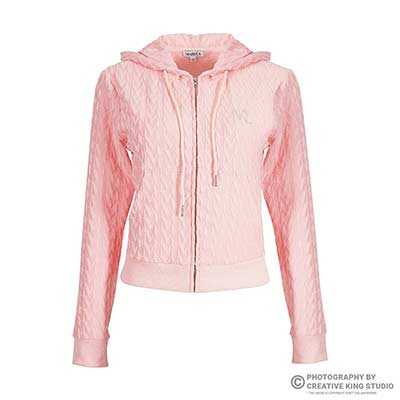
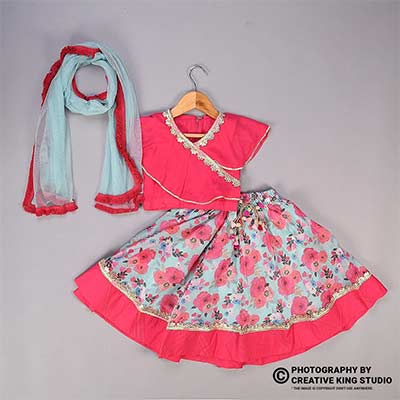
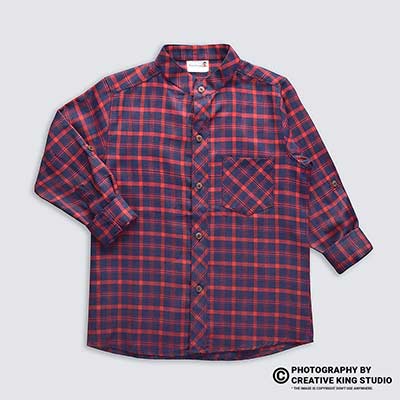
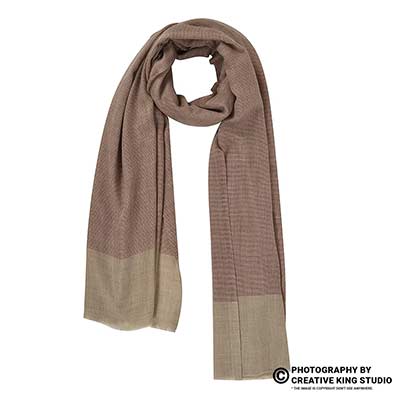
A balanced, category-wise verdict from Ckstudio — Delhi NCR based Indian standard ecommerce photography studio that runs both an AI pipeline and a full traditional shoot floor under one roof.
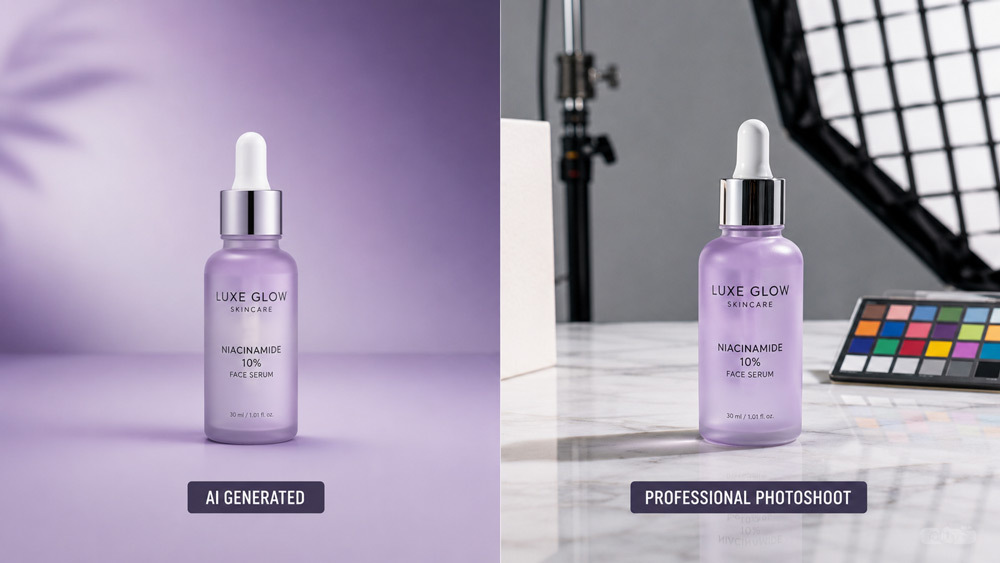
AI generated visual vs a real studio-lit product frame — the same SKU, two very different verdicts for 2026 online brands.
AI Ecommerce Photography wins on speed, cost and lifestyle variations for big catalogues, while professional product photography still owns hero shots, reflective SKUs and marketplace-critical images. For most Indian D2C brands in 2026, the smart bet is a hybrid workflow where Ckstudio shoots the trust-heavy hero frames in-studio and extends them with AI for social, ads and A/B testing.
The AI product photography boom is real, and it has forced every serious online brand to re-examine its visual budget. In this expert guide, Prince and the Ckstudio team break down AI ecommerce photography vs professional shoots honestly — not from a tool-seller’s angle but from a working Indian standard ecommerce photography studio that shoots for D2C founders, marketplace sellers and enterprise catalogues every single week from our Delhi NCR floor. If you want a straight answer on where to spend and where to save, our ecommerce photography services page and our recent complete ecommerce photography guide for 2026 both feed into this comparison.
By the end of this article you will know exactly which product categories should stay 100% professional, which can safely lean on AI, and how a 70/30 hybrid workflow can cut catalogue cost without hurting your conversion rate. We cite marketplace policies, real Delhi NCR pricing and a jewellery brand case study — plus an authoritative overview of generative AI for readers new to the space. Along the way you can compare our line of thinking against the current Amazon India product image requirements, which we reference throughout.
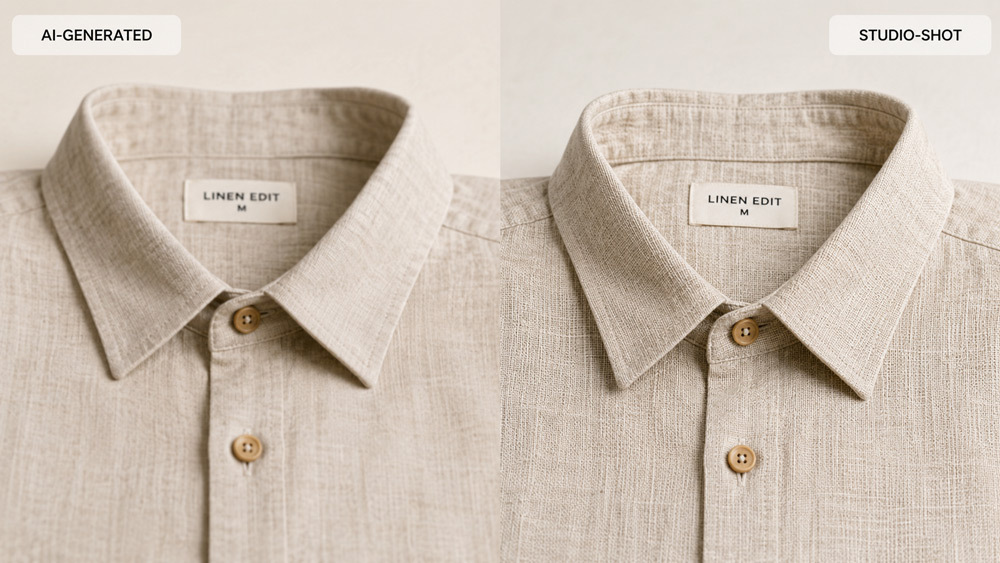
AI ecommerce photography is the practice of using generative AI models to create or extend product visuals for online listings, ads and social content without staging a physical studio shoot. In 2026 it has moved from experimental novelty to a real workflow tool that Ckstudio uses alongside our cameras and lights on our e-commerce photography services floor in Delhi NCR. The market is expanding fast — global generative AI imagery is projected to cross USD 9.8 billion by end of 2026 — and Indian brands are adopting it aggressively for lifestyle content and A/B ad testing.
The 2026 tools that matter for e commerce sellers include Flair AI, Pebblely, Booth.ai, Photoroom AI and various fine-tuned Stable Diffusion pipelines. These platforms let you upload a real product cut-out and generate hundreds of contextual backgrounds, seasonal moods or model-worn variations in minutes rather than days. Our team pairs these with proper studio workflow — you can see our thinking in the behind the scenes of product photography post and in the deeper product photography guide for Indian brands.
Under the hood, AI ecommerce photography relies on diffusion models trained on billions of images. You feed the model a masked product cut-out plus a text prompt describing the scene — for example, “linen bedsheet on a sunlit Rajasthani veranda with morning shadows” — and it generates a photorealistic frame in seconds. The best 2026 tools now retain product edges, respect the source cut-out and can even simulate soft shadows and colour bleed with reasonable accuracy for matte SKUs.
The catch is that diffusion models still hallucinate details. Text on packaging warps, jewellery facets go asymmetric, fabric weaves lose their thread count. That is why our ecommerce photography workflow always keeps a human retoucher in the loop, and why we run a separate manual QA check before any AI image goes to a client — a safeguard we discuss in real photography vs AI generated product images.
Three forces pushed AI ecommerce photography into the mainstream in 2026. First, marketplace image demand exploded — a single Myntra listing now needs six angles, three lifestyle shots and a short video per SKU. Second, D2C brands scaling from 100 to 1000 SKUs simply cannot afford full studio shoots for every variant. Third, ad platforms like Meta and Google now reward creative volume with better delivery, making the ability to generate twenty variations of the same product visual a real growth lever.
These pressures are precisely why we launched a hybrid arm at Ckstudio in early 2025 and why brands increasingly ask us to combine AI with our regular category-wise ecommerce product photography services. For a deeper look at pricing pressure, our ecommerce photography pricing guide for 2026 lays out the numbers that made hybrid inevitable.
Professional ecommerce photography is a controlled studio process where a real product is lit, styled, shot and retouched by trained photographers and post-production artists. It is the discipline behind every clean white-background frame on Amazon, every model-worn shot on Myntra, every macro jewellery close-up on Nykaa Fashion. According to Baymard Institute studies, 78% of online shoppers say image quality is “very important” to purchase decisions — which is why traditional product photography remains the backbone of premium brand catalogues even in an AI world.
At Ckstudio our shoot floor is built for this discipline. We use full-frame Canon R10 and Sony A7R V bodies, macro and portrait lens sets, four Godox SK 400II strobes with strip and octa softboxes, and calibrated monitors with X-Rite colour checkers on every setup. If you are new to the pricing side, our product photography cost in Delhi breakdown and the guide on how to choose the best product photography studio in Delhi NCR are useful next reads.
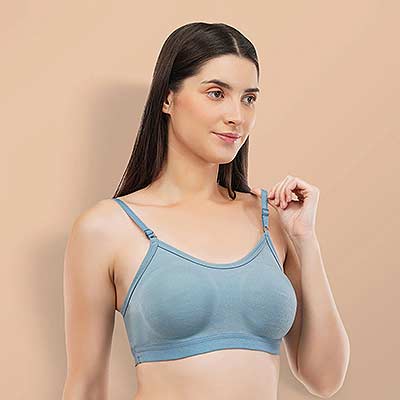
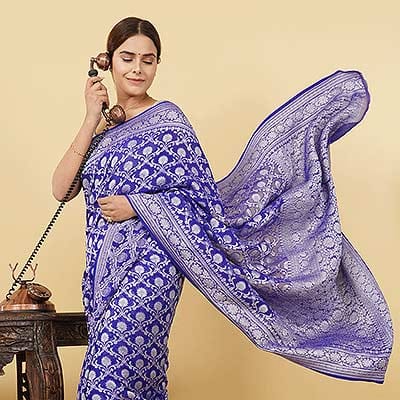
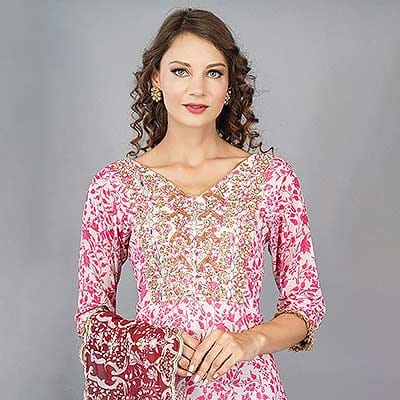
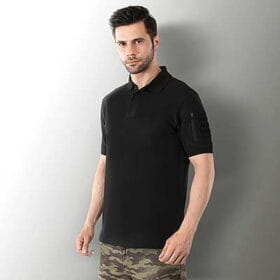
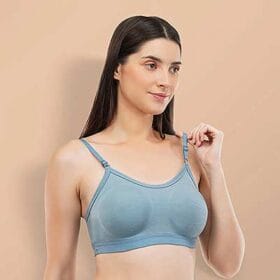
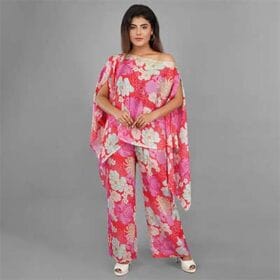
Professional product photography is really four crafts stitched together — lighting, styling, camera work and post-production. Every reflective jewellery frame we shoot uses a controlled tent setup, cross-polarisation filters and careful highlight roll-off decisions that no AI model can currently replicate for premium SKUs. Fashion apparel demands accurate fabric weave, ghost-mannequin construction and true-colour retouching that our team handles as part of our ghost mannequin photography service and dedicated fashion photography line.
For sellers who want to see the actual craft impact on sales, we recommend our detailed piece on product photography tips to increase ecommerce sales, and the case-driven how product photography improves conversions on Amazon and Flipkart. Both reinforce a simple point — accurate craft outperforms generic AI polish when trust is on the line.
A professional studio partnership gives you brand consistency across seasons, accurate colour that matches physical samples, marketplace-compliant frames and a repeatable catalogue system. It also gives you access to specialised setups — macro rigs for jewellery photography, precision-lit stills for beauty and cosmetic photography, or lifestyle sets for lifestyle product photography.
The difference shows up in return rates. Our study on reducing returns on Flipkart and Amazon found that brands with proper studio imagery see 22–34% fewer size and description related returns compared to competitors relying entirely on stock or AI-only visuals. That single data point often justifies the professional studio premium for growing D2C brands.
Here is the honest side-by-side you actually need. This is not a marketing chart — it is the same framework Prince and the Ckstudio production team use every week when we advise brands on which visual budget goes where. We are grading both approaches on cost, turnaround, realism, catalogue scale and, most importantly, marketplace safety across Amazon, Flipkart and Myntra.
| Feature | AI Ecommerce Photography | Professional Photography |
|---|---|---|
| Cost per image (India, 2026) | ₹40 – ₹300 | ₹500 – ₹3,000 |
| Turnaround per 100 SKUs | 24–48 hours | 5–10 working days |
| Realism for matte SKUs | Very good | Excellent |
| Realism for reflective / jewellery | Weak — hallucinates facets | Excellent — controlled lighting |
| Colour accuracy vs physical sample | ±15% variance without QA | ±2% with X-Rite calibration |
| Real model, real fabric | Simulated only | True to product |
| Marketplace safety (main image) | Risky — policy grey area | Safe across all marketplaces |
| Scale for 500+ SKU catalogues | Excellent | Moderate — needs planning |
| Reshoot flexibility | Instant re-prompt | Requires re-staging |
| Brand consistency across seasons | Model-dependent drift | Rock solid with style guide |
Cost is where AI ecommerce photography shows its most dramatic advantage. A generic AI product image in India today lands between ₹40 and ₹300 per frame, while a professional studio shot ranges from ₹500 to ₹3,000 depending on category, retouching depth and marketplace requirements. For a 500-SKU catalogue that is a real difference — roughly ₹1.5 lakh with AI versus ₹7.5 lakh with a full studio shoot at the entry price point.
But raw cost per image is misleading. Once you add manual QA, product cut-outs, colour correction, brand-guide compliance and inevitable reshoots, real AI cost usually climbs by 40–60%. Our Delhi product photography cost analysis and the wider product photography pricing India 2026 study both show that the honest AI-vs-professional gap for a mid-quality D2C brand is closer to 45–55% saving, not 80%.
Speed is the second big AI advantage. A 100 SKU AI batch can move from prompt to first draft in 24 to 48 hours, while a comparable professional shoot needs 5 to 10 working days including scheduling, product intake, shooting, editing and revisions. For urgent festive campaigns — Diwali collections, Republic Day drops, end-of-season sales — this speed gap is often decisive for e-commerce sellers.
That said, professional shoots buy you certainty. When we run a scheduled two-day studio session for a jewellery client at Ckstudio, they leave with locked, colour-accurate, marketplace-safe frames — no prompt cycle, no re-generation surprises. Our scaling product photography from 50 to 500 SKUs guide explains how we sequence studio time to compress large catalogues.
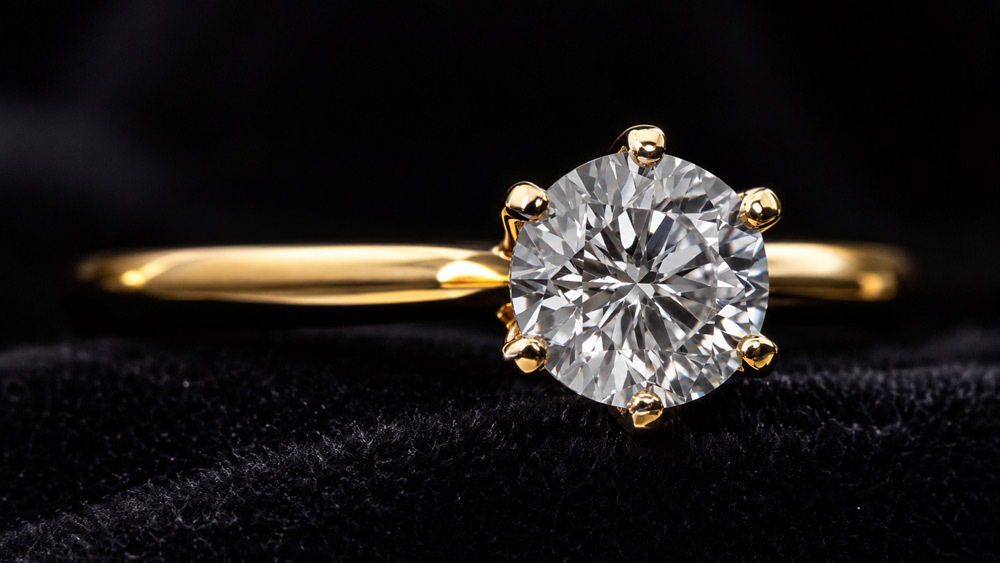
AI product images look convincing at thumbnail size, but zoom in and the cracks appear. Text on packaging distorts, fine embroidery loses stitch definition, jewellery highlights migrate to physically impossible positions, and transparent bottles render inconsistent refractions. These are not tuning issues you can prompt away — they are inherent to how current diffusion models sample pixel neighbourhoods.
Ckstudio has run over 4,000 controlled AI-vs-professional comparisons in the last twelve months, and the pattern is consistent — AI passes for matte, opaque, geometrically simple products, but fails on reflection, refraction, texture density and printed detail. Our how to choose the best ecommerce photography company guide and the deeper ecommerce product photography standards for marketplaces 2026 both cover this quality gap in detail.
For sheer catalogue scale, AI is unmatched. A single AI pipeline can generate 1,000 SKU variations in the time a photographer shoots 30 SKUs. This is why enterprise home décor, FMCG and marketplace-only aggregators lean heavily on AI for background variations and seasonal lifestyle content. When paired with a proper ecommerce photography services setup, the volume advantage compounds.
But scale without accuracy destroys brand equity. Our recommendation for high-volume sellers is to shoot 20–30% hero SKUs professionally as anchor frames, then use those as reference for AI-driven lifestyle extension across the remaining catalogue. This is exactly the workflow we describe in our professional ecommerce photography for sales and conversion rates playbook.
You need 500+ lifestyle variations fast, you are A/B testing ad creative weekly, or you are extending a hero shot into seasonal moods for social campaigns where scale beats pixel-perfection.
You are shooting the main marketplace image, working with reflective jewellery, needing true fabric colour, or building brand identity through consistent long-term catalogue visuals.
Ckstudio recommends AI ecommerce photography for six specific scenarios where AI genuinely beats a traditional shoot. These are patterns we have validated on live client catalogues across fashion, home décor, FMCG and marketplace-only brands. AI wins when you need speed at scale, when creative volume matters more than pixel-perfect fidelity, and when the visual is going to a channel where the shopper does not zoom-inspect.
When a D2C fashion brand needs 800 seasonal lifestyle images before a two-week festive launch, professional-only is mathematically impossible without doubling the studio team. AI ecommerce photography solves this by generating the lifestyle context around real hero shots. For catalogue prep of this scale, pair AI extension with our garment prep checklist and our background selection guide for consistent results.
AI lifestyle product images shine when the product itself is straightforward but the context needs to change frequently — the same coffee mug in a Delhi café, then a Goa beach hut, then a Bangalore work desk. Physical staging for each context would cost lakhs, while AI generates them overnight. This is a favourite use case for our lifestyle product photography and Instagram product photography service lines.
Meta and Google Ads now favour creative diversity — brands running 15+ ad variations per SKU consistently outperform those recycling three or four hero frames. AI ecommerce photography lets you generate a whole matrix of angles, moods and colours in one afternoon. This creative-variation edge is why our UGC video creation for ecommerce and UGC video production services in Delhi teams pair AI stills with real UGC video for a full ad ecosystem.
There are categories where AI simply cannot replace a professional shoot in 2026 — not because AI is bad, but because these products live or die by reflection, texture and true colour. If you sell in any of these categories, Prince’s advice is to keep the main product image professional and only use AI for supporting content. This is where working with a proper e-commerce photography studio like Ckstudio pays for itself in retained trust and lower returns.
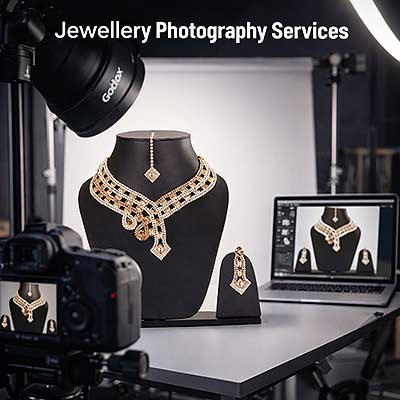
Gold, diamonds, silver, high-polish watches and glass all rely on precise light control that AI cannot yet replicate. A real diamond has 57 facets that reflect a controlled highlight in a specific pattern — AI will invent 30 to 90 asymmetric facets that ruin buyer trust. This is why our jewellery photography studio uses cross-polarisation, tented lighting and macro lenses that AI cannot substitute. For the full breakdown see our complete jewellery photography guide for ecommerce India 2026.
Fabric weave, thread count, embroidery detail and true colour are what drive return rates in fashion ecommerce. AI models blur weaves, invent embroidery that does not exist on the actual garment, and shift colours in ways that trigger returns and negative reviews. Our ghost mannequin photography service and our garment photoshoot workflow keep every fabric detail accurate — read our fashion photoshoot preparation guide for prep specifics.
Pharma, baby products, food, personal care and luxury all fall under trust-sensitive categories where marketplaces reject AI-only main images. Amazon India, Flipkart and Myntra have all tightened their policies in 2026 to protect shoppers from misrepresentation. For these categories, professional shoots are non-negotiable — see our compliance-focused pieces on the Amazon product photography seller guide for 2026, the Flipkart photography guidelines for 2026, and the Ajio seller image guidelines for 2026.
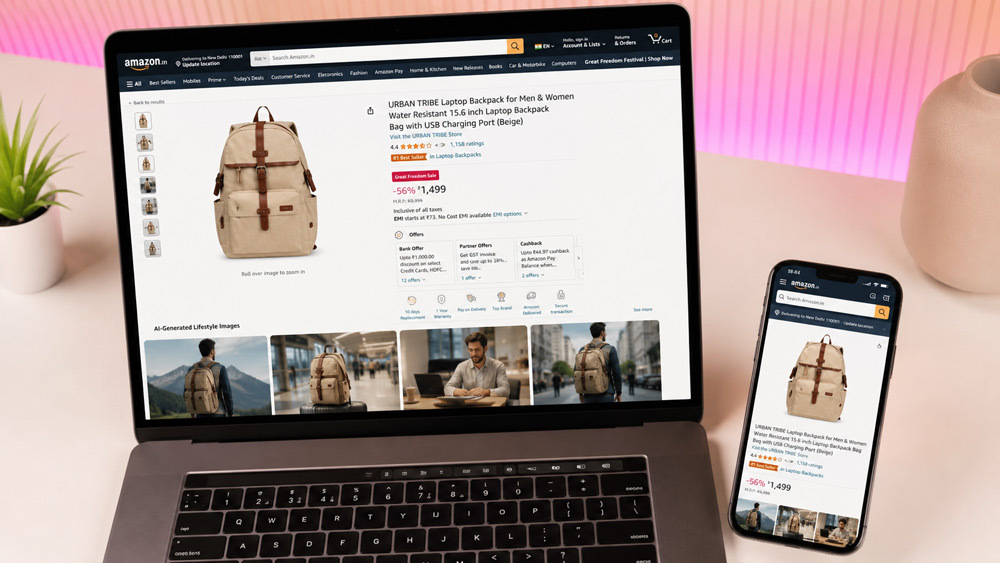
Marketplace policy is where most brands underestimate the AI risk. In 2026 every major Indian marketplace has published clearer AI image guidance, and the direction is unmistakable — AI is welcome for lifestyle and secondary images, but the main product image must accurately represent the real SKU. Getting this wrong triggers listing suppression, ASIN blocks and, in repeat cases, seller-level penalties. If you rely on marketplace traffic, this section is the most important read in the article.
Amazon India’s 2026 imaging policy allows AI-generated backgrounds and lifestyle context but explicitly requires the main product image to be a true representation of the actual item. Sellers who use fully AI-generated main images have reported listing suppression within days. The safest interpretation for e commerce sellers is — shoot the main frame professionally, use AI freely for A+ content backgrounds and supporting visuals. Our Amazon product photography services page and the Amazon infographic design service both align to this rule.
Myntra and Ajio are the strictest on model-worn fashion imagery — both prefer real garments on real models for the main frames, and AI extension is only tolerated for lifestyle sub-images. Flipkart follows a similar path aligned with its Flipkart Seller Hub policies. Nykaa Fashion has published its own AI-content guardrails favouring authentic beauty and skincare product imagery. Our specialist teams for Myntra product photography, Flipkart product photography and Meesho product photography for beginners all keep pace with these evolving rules.
Prince and the Ckstudio team audit your listings free of cost, flag any AI risk and recommend the exact hybrid workflow for your catalogue size. Serving Amazon, Flipkart, Myntra and Nykaa sellers across India.
📞 Call Prince: +91-8700258773 💬 WhatsApp Us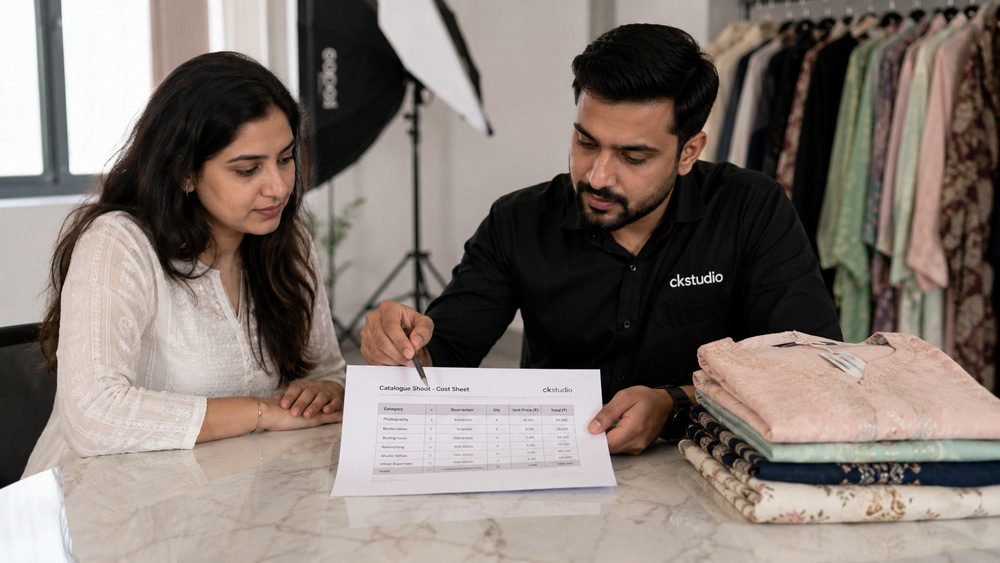
Pricing is where most decisions get made — so let us be transparent. Below are the 2026 rate cards we quote at our Ckstudio Delhi NCR floor, benchmarked against wider industry pricing surveys. These numbers assume standard product complexity, one revision cycle and marketplace-ready output. For the full pricing playbook see our ecommerce photography pricing guide for 2026.
AI ecommerce photography in India in 2026 typically runs ₹40 to ₹300 per image depending on quality tier, retouching and revisions. Basic background-swap AI sits at the ₹40 to ₹80 range, while brand-consistent lifestyle scenes with proper QA move to ₹150 to ₹300. Bulk plans for 500+ SKUs bring per-image cost down further, but always confirm what “AI” covers — cut-out, generation, QA and revisions should all be included. For city-wise comparison, our Mumbai product photography cost breakdown is a helpful cross-reference.
Professional shoots in Delhi NCR range from ₹500 per image for simple e-commerce cut-outs to ₹3,000+ per image for hero lifestyle or model-worn frames. A full studio day at Ckstudio typically produces 40 to 80 finished images depending on category complexity and retouching depth. We publish full transparent rates in our product photography cost Delhi guide and cover context in the broader fashion photography cost in Delhi reference.
Every brand focuses on the sticker price and forgets three hidden costs — QA time, reshoot risk and integration effort. AI images need a QA pass to catch hallucinated details, professional shoots occasionally need reshoots for accepted colour variance, and both need to be plugged into your marketplace image feed correctly. Our finance-friendly product photography pricing India 2026 study quantifies these hidden costs across catalogue sizes.
| Catalogue Size | AI Only (INR) | Professional Only (INR) | 70/30 Hybrid (INR) |
|---|---|---|---|
| 50 SKUs | ₹8,000 – ₹18,000 | ₹40,000 – ₹85,000 | ₹22,000 – ₹40,000 |
| 200 SKUs | ₹20,000 – ₹50,000 | ₹1.4L – ₹3.2L | ₹70,000 – ₹1.3L |
| 500 SKUs | ₹40,000 – ₹1.2L | ₹3.5L – ₹8L | ₹1.6L – ₹3.2L |
| 1000+ SKUs | ₹75,000 – ₹2.2L | Custom quote | ₹2.8L – ₹5.5L |
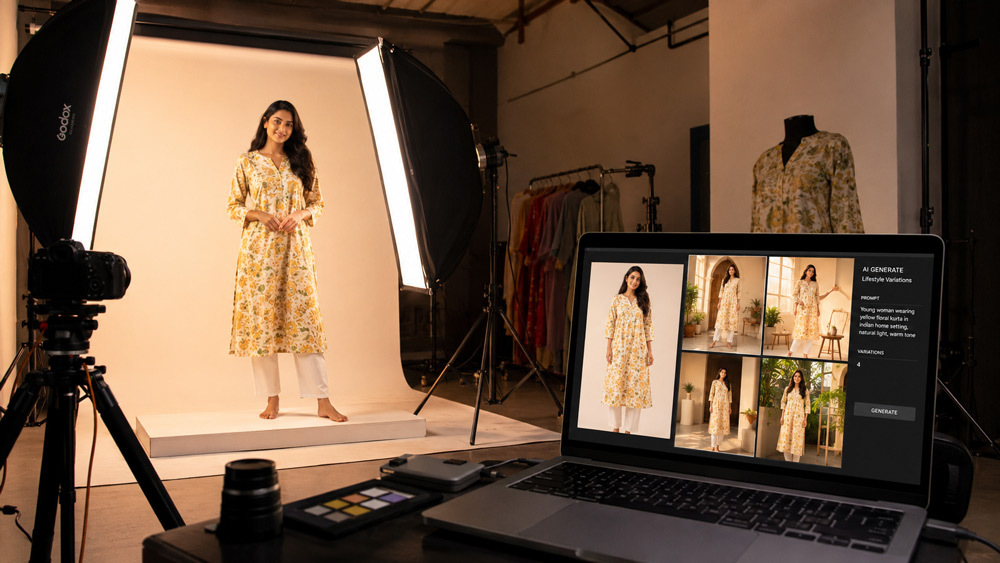
The winning 2026 pattern is hybrid — not because it is trendy, but because the maths works. In our internal client data, hybrid catalogues launch 3.2× faster than pure professional workflows and see 41% lower cost than professional-only, while retaining 92%+ of the trust and quality signals that pure AI catalogues sacrifice. This is why Ckstudio’s default recommendation for D2C founders is the 70/30 hybrid workflow, described below in detail.
In the 70/30 hybrid, 30% of your catalogue — the hero SKUs, marketplace main frames and true-colour references — is shot professionally at our Ckstudio floor. The remaining 70% is generated with AI using those hero frames as anchor references for background, mood and lifestyle variation. The result is a marketplace-safe, brand-consistent catalogue at nearly half the cost of pure professional. We explain the operational side in our detailed ecommerce photography workflow and the day-to-day pricing implications in the ecommerce photography pricing guide 2026.
Shoot-first-then-AI is the right order for fashion, jewellery, beauty and any category where fabric, colour or reflection are the primary buying triggers. Ckstudio shoots the anchor hero frames on our controlled studio floor, and then our AI pipeline extends them into seasonal moods, ad variations and lifestyle contexts. This preserves brand truth while scaling volume — the exact workflow we deploy for our fashion photography, beauty and cosmetic photography and jewellery photography clients.
The reverse workflow — generate with AI first, then verify with a spot studio shoot — works for FMCG, home décor, kitchenware and other categories where SKU volume is huge but each product is geometrically simple. AI produces the initial catalogue, our team spot-checks 10–15% of frames on our studio floor to lock true colour and adjust the AI prompt library, and then the full catalogue is regenerated with corrected references. This is common for kitchen product photography, home and furnishing product photography and FMCG grocery photography clients.
Every category has its own AI-vs-professional truth. Below is the verdict matrix Ckstudio uses when advising new D2C clients — read it as a starting decision, then let your specific SKU complexity, marketplace mix and brand tier fine-tune the ratio. For deeper category-specific insight see our category-wise ecommerce product photography services guide.
| Product Category | AI Recommended | Professional Recommended | Hybrid Recommended |
|---|---|---|---|
| Jewellery & Watches | ❌ Lifestyle only | ✅ Main image | ✅ 90/10 pro-heavy |
| Fashion Apparel | ❌ Never for hero | ✅ Model + ghost mannequin | ✅ 70/30 hybrid |
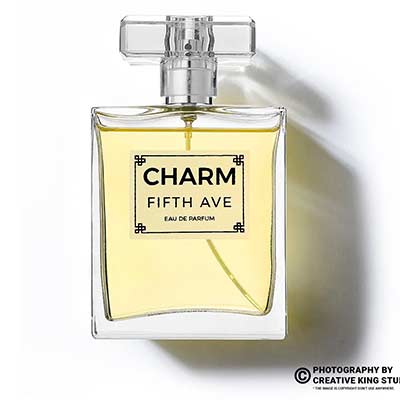
| Beauty & Cosmetics | Lifestyle only | ✅ Bottle + packaging | ✅ 60/40 hybrid |
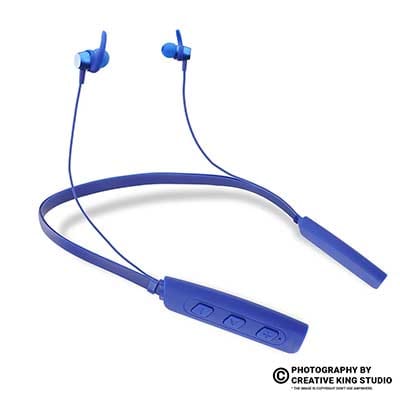
| Electronics | ✅ Background variations | ✅ Hero product | ✅ 50/50 hybrid |
| Home Décor | ✅ Context scenes | Main product | ✅ 40/60 AI-lean |
| Food & Beverage | Backgrounds only | ✅ Product hero | ✅ 70/30 hybrid |
| Kids Products | Lifestyle only | ✅ Main image | ✅ 80/20 pro-heavy |
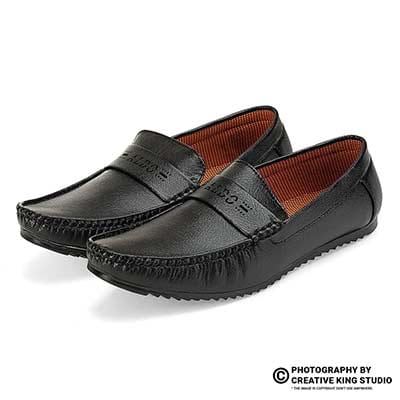
| Footwear | Background swap | ✅ Ghost mannequin | ✅ 60/40 hybrid |
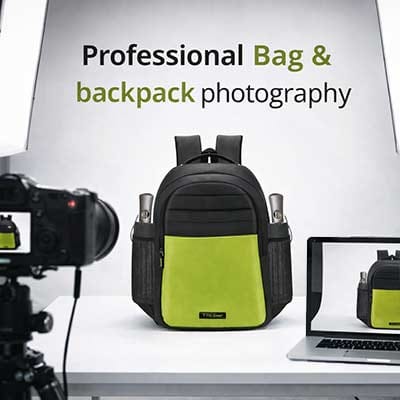
| Bags & Handbags | Lifestyle scenes | ✅ Hero shot | ✅ 60/40 hybrid |
| Industrial / Machinery | ❌ Not recommended | ✅ Full professional | ❌ Pro only |
The verdict pattern is clear — hybrid dominates almost every category, pure AI is safe only for backgrounds and lifestyle context, and pure professional remains essential for high-trust and industrial categories. For industrial specifically, see our specialised industrial photography Delhi India and industrial machinery photography services where AI simply does not have the accuracy for engineering documentation.
Ckstudio is one of the few Delhi NCR studios that runs a full traditional shoot floor and a production-grade AI pipeline as a single integrated service. Prince founded the studio with 9+ years of ecommerce imaging behind him, and in early 2025 our team added AI-first workflows without giving up any of the studio craft. The result — brands do not have to hire two vendors, coordinate two workflows or reconcile two colour palettes. Everything ships from one Ckstudio project manager, using one brand guide, delivered on one marketplace-ready timeline.
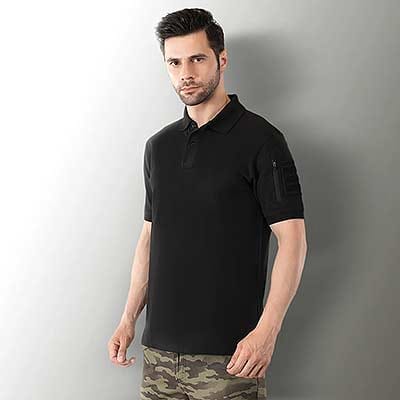
The Ckstudio Delhi NCR floor is equipped for every ecommerce category — from macro jewellery rigs and ghost-mannequin bays to large-set lifestyle areas and a dedicated colour-calibration station. Our AI pipeline uses fine-tuned diffusion models on the client’s own hero references, so every generated frame respects the brand’s true colour, packaging and hero angles. This shows up in outputs across our model photoshoot in Delhi India, male model photography India and lookbook photography services.
Ckstudio serves D2C brands, marketplace sellers and enterprise clients across fashion, beauty, jewellery, footwear, home, industrial, FMCG and lifestyle categories. Recent hybrid projects have covered watch photography, bags and handbag photography, footwear photography, electronic product photography and mobile accessories photography. Reach out on [email protected] for a category-fit conversation, or explore our full Ckstudio portfolio.
“We started with an AI-only workflow because it looked cheap. Within four months our return rate on Nykaa Fashion Jewellery climbed from 8% to 19%. Buyers said the diamond facets did not match the item they received. We moved to Ckstudio’s hybrid model — hero frames shot professionally, lifestyle variations generated by AI — and returns dropped back to 6% in the next quarter.”
— D2C Jewellery Founder, Delhi NCR (Ckstudio client since 2025)
Use this checklist before signing with any studio, AI service or hybrid vendor. Ckstudio uses the same seven checks when we audit brands that come to us for a second opinion, and the same seven when we onboard new D2C clients. If your current vendor cannot answer all seven with clear proof, it is time to reconsider. If you want, we can also share our detailed top product photographers in Delhi shortlist and the wider how to choose the best product photography studio in Delhi NCR guide.
Whether you need pure AI, pure professional or a hybrid roadmap — Prince and the Ckstudio Delhi NCR team will give you a straight, category-fit recommendation. Free first call, no pushy sales.
💬 WhatsApp: +91-8700258773 ✉ Email: [email protected]Neither is universally better. AI ecommerce photography wins on speed and cost for large catalogues, lifestyle backgrounds and social ad variations. Professional photography wins for reflective products, jewellery, true colour accuracy and marketplace-sensitive categories. Most successful online brands in 2026 use a hybrid of both approaches.
Amazon India permits AI-generated lifestyle and background images but requires that the main product image accurately represents the actual product. AI-generated main product images that misrepresent the item can lead to listing suppression. Ckstudio helps brands stay compliant with a hybrid workflow that keeps the main image studio-shot and uses AI only for lifestyle.
AI product images typically cost between ₹40 and ₹300 per image, while professional shoots range from ₹500 to ₹3,000 per image depending on category. AI can reduce catalogue imaging costs by 60–80% for eligible categories, but hidden costs like reshoots, manual QA and revisions can narrow the gap significantly.
Jewellery, watches, high-gloss cosmetics, reflective glassware, luxury fashion, gemstones and any product where texture, reflection or exact colour accuracy drives buying decisions should rely primarily on professional photography. AI may be used only for supporting lifestyle or contextual imagery in these categories.
Yes. Ckstudio is a Delhi NCR based Indian standard ecommerce photography studio offering both AI ecommerce photography and traditional professional shoots under one roof, including a hybrid workflow that combines studio-shot hero images with AI-generated lifestyle and background variations for D2C brands and marketplace sellers.
If we must pick one winner for 2026, it is neither AI nor professional alone — it is the hybrid AI + professional workflow that plays each approach to its strength. AI ecommerce photography wins volume and speed. Professional shoots win trust, accuracy and marketplace safety. Together, under one roof at Ckstudio, they win ROI. Prince’s honest take — no brand serious about scale in 2026 can afford to be a purist on either side, and the sooner you accept that, the better your catalogue economics look.
If you want to talk this through for your specific catalogue, Prince and the Ckstudio team are one call away at +91-8700258773, on WhatsApp at +91-8700258773, or over email at [email protected]. Bring your current image samples and your top three SKUs — we will show you the exact hybrid ratio that fits your brand.