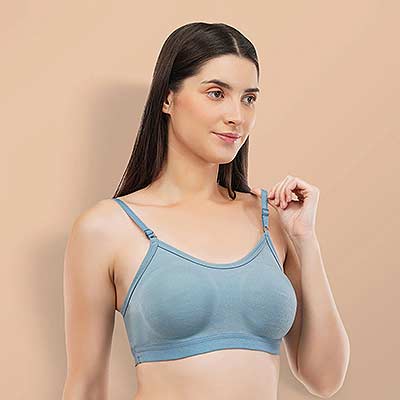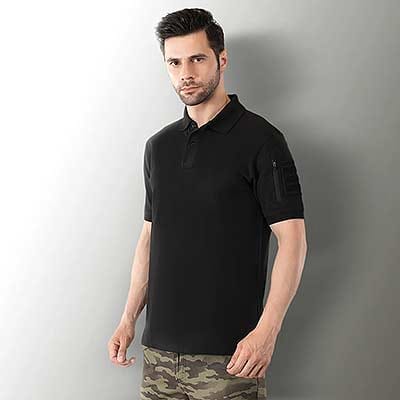
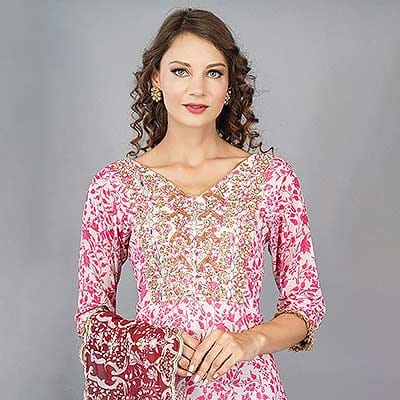
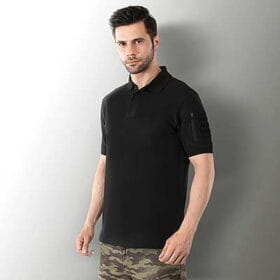
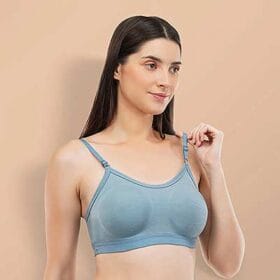
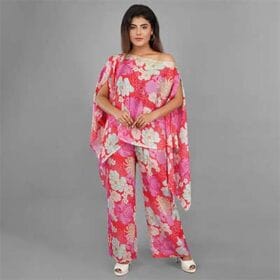
Fashion Photography Services
E-commerce Photography
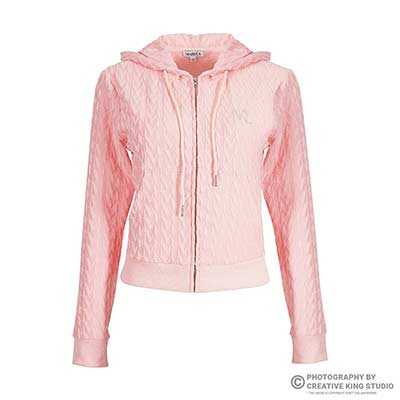
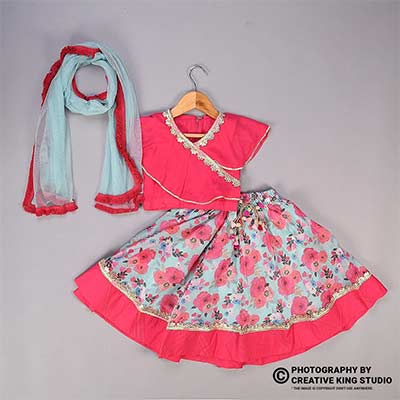
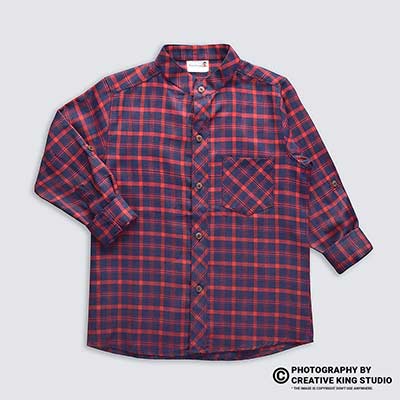
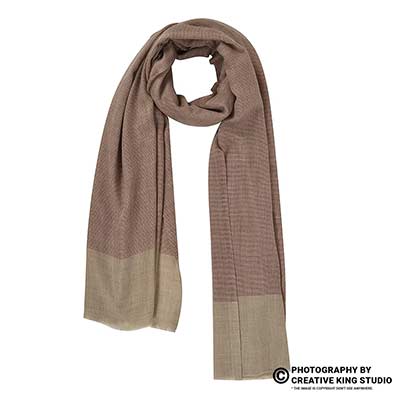
A production-ready Myntra Model Photoshoot playbook for Indian apparel sellers — poses, camera angles, garment styling, category-specific shot lists, shoot-day workflow and QC checklist, from Ckstudio’s Delhi NCR studio floor.
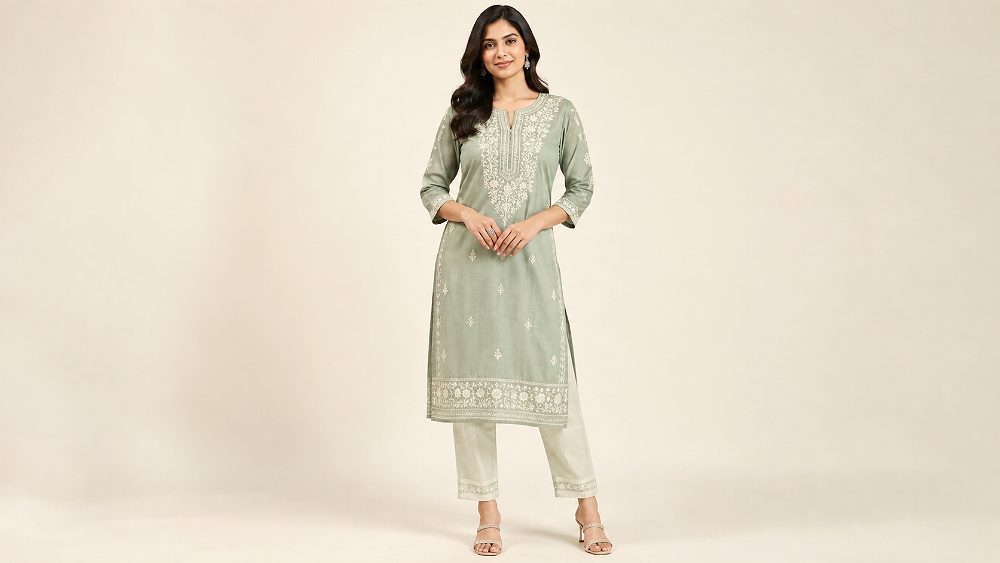
A well-planned Myntra Model Photoshoot is not about dramatic fashion posing — it is about showing garment fit, silhouette, drape and construction so shoppers can decide with confidence. Every catalogue frame either answers a buying question or triggers a return, and that is why serious apparel sellers treat Myntra model photography as a repeatable production workflow rather than a one-off creative shoot. This guide walks through 21 proven poses, the exact camera angles that make each pose useful, styling controls that keep the product primary, category-specific shot lists and the shoot-day sequence Ckstudio uses on high-volume catalogues. Because Myntra periodically updates category-level image requirements, always verify current specifications on the seller portal immediately before every Myntra apparel photoshoot.
A successful Myntra Model Photoshoot delivers a consistent, repeatable set of front, three-quarter, side, back, detail and controlled-movement frames per SKU — styled to highlight fit and construction, framed at a fixed camera height, and QC-checked before the model changes outfit.
Most reshoots are caused by poor planning, not poor shooting. Before booking studio, model or crew, apparel sellers should lock three things — what is being shot, what Myntra currently expects for that category, and how each SKU will move through the studio. Ckstudio treats these three inputs as the mandatory brief for every Myntra apparel photography project, and the same discipline is what allows small D2C brands to produce catalogue images that match the visual quality of established fashion houses. For deeper context on marketplace standards, see our Myntra photography guidelines alongside this pose and shot-list guide.
Start by mapping the exact garment category (kurta, dress, jeans, saree, activewear), the number of SKUs, colour and size variations that need to be photographed, and the final deliverables — catalogue images only, or catalogue plus short-form UGC video plus campaign frames. This one-page brief decides model booking hours, styling rack size, and the difference between a marketplace catalogue shoot and a campaign for lookbook photography.
Myntra’s image guidelines shift by category and by season, so specifications you used six months ago may not pass today’s catalogue QC. Before shoot day, cross-check the current Partner Portal instructions for aspect ratio, background rules and mandatory views for your category, and lock export settings before framing the first frame. If you are also selling on other platforms, our multi-marketplace image standards guide is a good reference. Also review Myntra Partner Portal updates directly.
The single biggest efficiency lever in Myntra ecommerce model photography is a fixed shot sequence: every SKU walks through the exact same order of poses, angles and detail frames. This makes on-set QC faster, keeps the catalogue visually consistent, and cuts editing time significantly. Ckstudio’s standard sequence — front, three-quarter, side, back, one movement, one detail — scales from a 10-SKU lookbook to a 500-SKU seasonal catalogue without losing continuity.
Talk to Prince about SKU count, model requirements, styling and production timelines.
Call Prince: +91-8700258773 WhatsApp CkstudioA good ecommerce pose does one job well — it lets the buyer see fit, drape, silhouette or construction without distraction. Editorial fashion posing hides seams, twists proportions and creates dramatic shadows; that is the opposite of what a Myntra photoshoot pose should do. Below are 21 poses Ckstudio uses across apparel categories, structured from safest catalogue view to controlled movement to detail-focused frames.
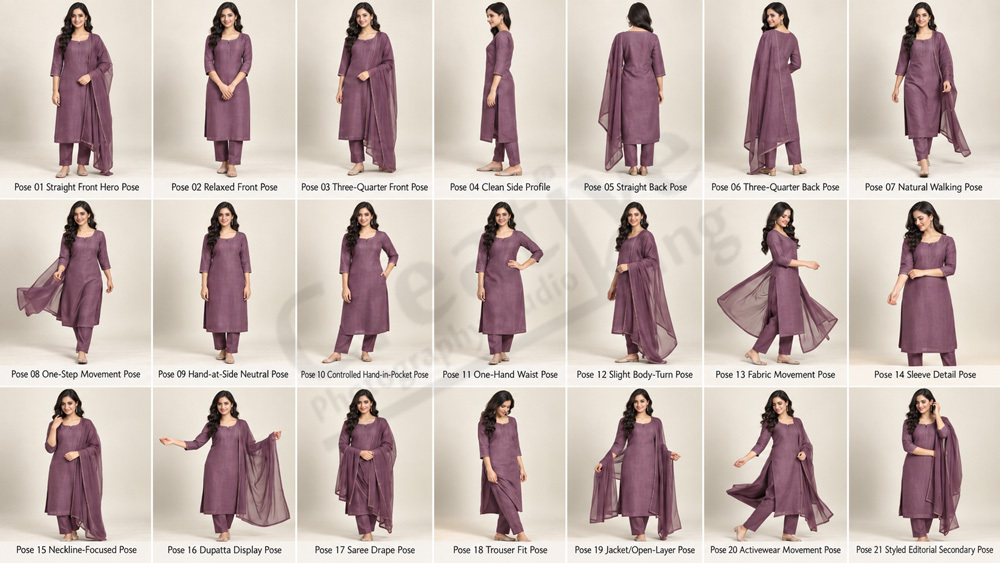
Model faces camera squarely, arms relaxed at sides, weight evenly distributed. Shows overall silhouette, garment length, fit through the torso and hem — the primary catalogue frame every SKU needs.
A softer version of the hero — one leg slightly forward, subtle weight shift, arms natural. Reads as less rigid while still showing the garment cleanly for Myntra model shoot poses.
Body rotated 30-45 degrees, face toward camera. Shows front construction plus side seam and sleeve line in a single frame — the workhorse angle in Myntra model photography.
Full-body side view, arms slightly forward so they do not block the silhouette. Reveals garment depth, drape from the side and how the fabric falls at the hem.
Model faces away, arms relaxed. Shows back yoke, closures, embroidery placement and hem line — essential for kurtas, dresses, jackets and any garment with back detailing.
Rotated 30-45 degrees away, head turned slightly toward the shoulder. Combines back construction with a hint of side silhouette in one clean frame.
A controlled forward step captured mid-motion. Communicates fabric movement, garment weight and how the piece behaves in real use — especially valuable for dresses and skirts.
Model shifts weight from back foot to front, arms swinging slightly. Adds life without the extreme motion of a full walk. Great for kurtas, palazzos and A-line silhouettes.
Arms fully at sides, palms facing thighs. Keeps sleeves visible end-to-end — a staple safe pose for sleeve-length and cuff visibility.
One thumb tucked lightly, other hand relaxed. Shows pocket placement and waistband on jeans, trousers and jackets without hiding side seams.
Hand rests softly on hip, elbow slightly out. Defines waistline, shows silhouette taper and reads well for kurtis and fitted dresses.
Small 15-degree torso rotation with face to camera. Adds visual interest across an SKU set without losing the front-catalogue read.
Model twirls or lifts a hem lightly, catching drape mid-motion. Reserve for flared dresses, anarkalis and dupattas where movement is a selling feature.
Arm bent forward, hand near shoulder or waist, fabric taut. Isolates sleeve construction, cuff detail or embroidery on the sleeve.
Chin lifted slightly, shoulders squared. Puts the neckline — V, boat, keyhole, tie-up — front and centre for close-up frames.
One end draped over the shoulder, the other held out or falling naturally. Essential for ethnic sets where dupatta styling is part of the SKU.
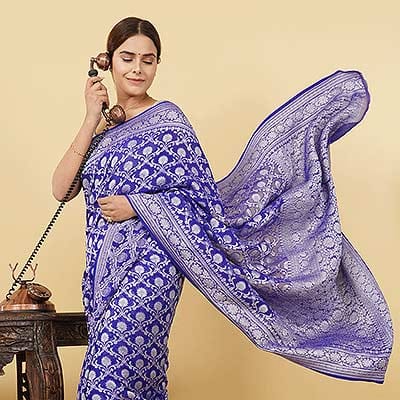
Pallu spread naturally, one hand supporting the pleat, slight three-quarter angle. Shows drape flow, border and blouse in one composed frame.
Legs slightly apart, hands away from waistband. Reveals rise, hip fit, thigh room and full leg silhouette — the key pose for denim and formal trousers.
Jacket held slightly open with one hand, or fully open with arms relaxed. Communicates layering, lining and how the piece pairs with the inner garment.
A controlled stride, lunge or arm reach that shows stretch, fit and intended use without becoming a fitness-shoot cliche.
One softer, styled frame per SKU for banner and social use — more expressive but still garment-focused. Reserve for one image per set.
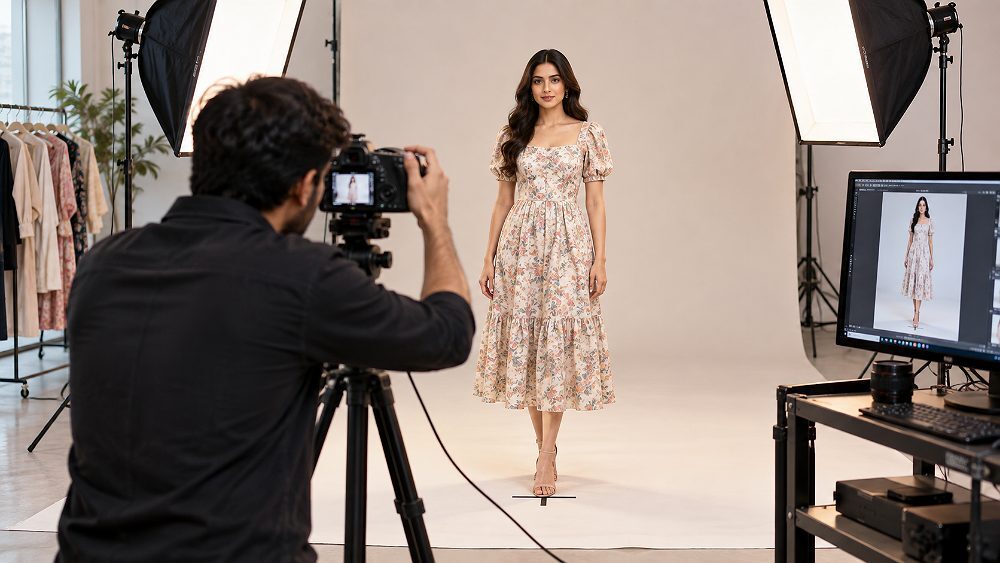
Poses do half the work; the camera does the other half. The right angle for a Myntra apparel photography frame is the one that removes ambiguity about fit — not the one that flatters the model most. Ckstudio locks four core angles per SKU and uses close-ups only where a detail genuinely needs to be seen. Consistency across angles is what makes a 200-SKU catalogue read as one brand rather than 200 separate shoots. If you are also building visuals for other marketplaces, our fashion background guide and catalogue consistency guide pair well with this section.
| Angle | What It Shows | Best Garments | Common Mistake |
|---|---|---|---|
| Eye-level Full-length | Silhouette, proportion, hem line, complete fit | All catalogue SKUs | Tilting camera down — distorts leg length |
| Three-quarter | Front + side seam + sleeve line in one frame | Kurtas, dresses, jackets | Over-rotation past 45 degrees |
| Side Profile | Drape depth, hem fall, back silhouette hint | Flowy dresses, jackets, jeans | Arms blocking the silhouette |
| Back View | Yoke, closures, embroidery, hem | All ethnic wear, formal jackets | Skipping back frames on plain garments |
| Close-up Detail | Fabric, buttons, embroidery, print, stitch | Premium and detailed pieces | Shooting too tight to place in context |
Camera positioned at model chest-height, capturing head to hem in a single frame with the sensor perfectly vertical. This is the flagship full-length model shot for every Myntra listing — it removes lens distortion, keeps proportions honest and produces the frame most shoppers compare against before adding to bag. Fix the tripod height and focal length for the whole shoot day.
With the model at a 30-45 degree body turn, the camera stays at the same eye-level height. This three-quarter model angle is the highest-value frame for Myntra model photography because it communicates front construction, side seam behaviour and sleeve line in one image — ideal for kurtas, kurtis and structured dresses.
Side and back frames are often skipped by inexperienced shooters and are exactly why buyers complain about fit surprises. A clean side profile shows drape depth and how the hem falls, while a straight back view reveals yoke construction, closures and any embroidery on the reverse. These angles are non-negotiable for ethnic wear, jackets and premium apparel.
Detail frames are the sales closers — they answer questions text cannot. Shoot neckline, buttons and closures, embroidery, stitching, print motif, fabric weave, pocket construction, cuff detail and any decorative element that is part of the value proposition. Keep the frame tight enough to show craft, wide enough to place the detail within the garment. For deeper editing craft, see our apparel retouching workflow.
Lock the tripod at one height, tape the model’s standing mark on the floor, and set a fixed focal length for the day. Every SKU should be framed at the same crop — head with equal top-margin, feet at the same distance from the bottom edge. This is what separates a professional catalogue from a bulk shoot that looks stitched together. For a broader view on ecommerce visual systems, review our complete ecommerce photography guide.
Styling on a Myntra apparel photoshoot is a controlled discipline, not a creative flourish. Every styling choice must either serve the product or get cut from the frame. The pattern that separates high-performing catalogues from average ones is not budget — it is styling discipline. Below are the five styling controls Ckstudio applies on every apparel production day.
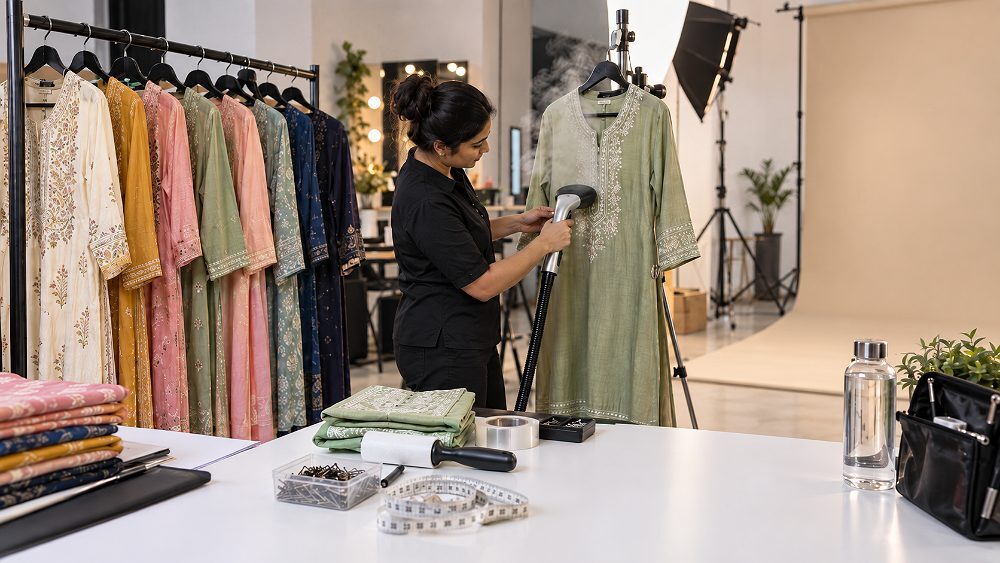
Wrinkles are the single most common reason for a reshoot request. Every garment must be steamed on-site — not just pre-shipped — and inspected for loose threads, misaligned closures and print alignment. A dedicated wardrobe rack with numbered SKU tags keeps garment preparation flowing without slowing the model down between frames. Bring a steamer, lint roller, garment tape and safety pins to every set.
The model must match the size the seller lists as standard — usually the middle size in the range. A garment that is one size too big will drape wrong on the shoulders and hem; one size too small will pull at seams and read as an incorrect product. For plus-size and inclusive ranges, book a separate model photography session with size-matched talent rather than compromise fit. This is central to any credible model shoot for Myntra.
Unless accessories are being sold in the same SKU, keep them minimal — neutral studs, thin bangles, plain footwear, no clashing prints. Anything shiny, coloured or dominant will pull the eye off the listed garment. For sarees and ethnic sets, coordinate accessory tone with the border, not with the model.
A soft, natural makeup base with tidy hair reads across a broad audience and does not date the images. Reserve heavy editorial hair and makeup for lookbook and campaign frames, not for daily catalogue SKUs. Keep hair off the neckline in every frame where the neckline is the selling detail.
If model hair is tied back in SKU 001, it must stay tied back through SKU 040. If a nude lip is used in the morning, it stays through the evening. This consistency is what makes a catalogue photography shoot feel like one visual system. Ckstudio maintains a Continuity Sheet on every apparel shoot — a physical printout of styling references pinned near the makeup station.
The shot list below is the sequence Ckstudio recommends for every apparel SKU on a Myntra Model Photoshoot. It is deliberately built as a repeatable list so the same order is followed for garment #1 and garment #500 — that is the only way to keep quality flat across a large catalogue. Treat it as a Myntra Partner-Portal-agnostic core; add or trim based on your current category requirements. For a wider marketplace lens, our shot-count guide is a useful cross-reference.
| # | Shot Type | Model Position | Camera Angle | Product Detail Shown | Priority |
|---|---|---|---|---|---|
| 1 | Front Hero | Straight to camera | Eye-level full-length | Silhouette, fit, hem | Must-have |
| 2 | Relaxed Front | Weight shift, arms soft | Eye-level full-length | Natural drape | Must-have |
| 3 | Three-Quarter Front | 30-45 degrees rotation | Eye-level full-length | Front + side seam | Must-have |
| 4 | Side Profile | Full side view | Eye-level full-length | Drape depth, hem fall | Must-have |
| 5 | Straight Back | Facing away | Eye-level full-length | Back yoke, closures | Must-have |
| 6 | Three-Quarter Back | 30-45 degrees turned away | Eye-level full-length | Back + side silhouette | Recommended |
| 7 | Natural Movement | Controlled step | Eye-level full-length | Fabric behaviour | Recommended |
| 8 | Main Product Detail | Detail-forward pose | Close-up medium | Neckline / signature detail | Must-have |
| 9 | Secondary Detail | Detail-forward pose | Close-up medium | Sleeve, cuff, embroidery | Recommended |
| 10 | Styled Editorial Frame | Expressive but garment-primary | Full or three-quarter | Banner & social use | Optional |
Photograph every SKU in the exact same order. Complete the safe catalogue views (shots 1-5) before any creative frames — a reshoot on a movement frame is cheap, a reshoot on a missing back view is expensive. Capture movement and editorial frames (shots 7 and 10) after the required angles are in the bag. Run a two-minute preview check before the model changes outfit: are all five core views captured, is the garment wrinkle-free in every frame, is the crop identical to the previous SKU? A disciplined shot list — the heart of a good Myntra apparel photoshoot shot list — is the single biggest determinant of on-time delivery.
Every apparel category has a different set of construction details that shoppers scrutinise. A generic shot list will pass QC but will not convert as well as one built around what buyers actually zoom into. Below are category-specific shot lists for the five garment families Ckstudio produces most often for Myntra sellers.
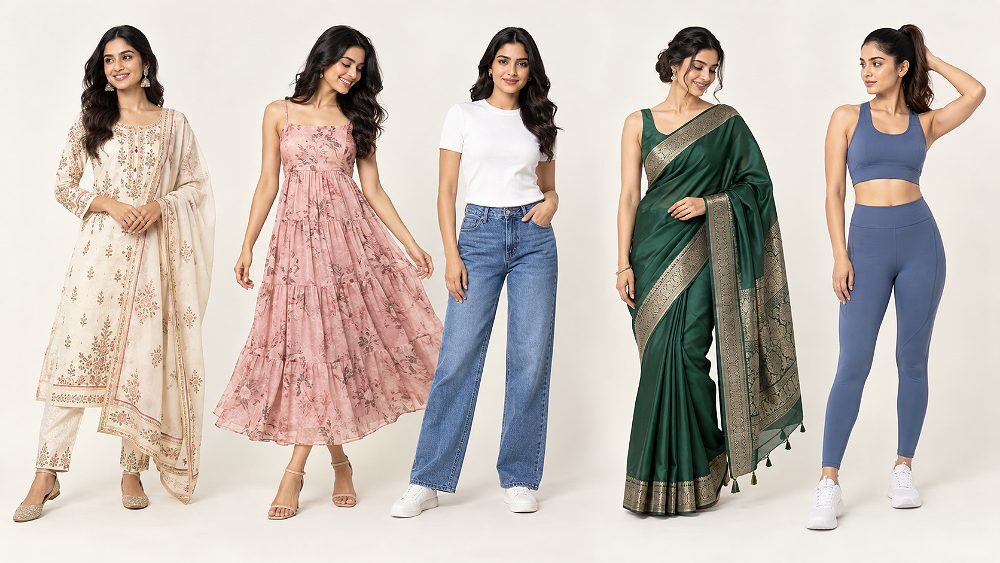
| Category | Essential Views | Useful Details | Movement Shot | Styling Notes |
|---|---|---|---|---|
| Kurtas / Kurtis | Front, 3/4, side, back | Sleeve, neckline, hem/slit | Soft walking pose | Dupatta where applicable |
| Dresses / Tops | Front, 3/4, side, back | Neckline, sleeve, back yoke | Fabric movement | Belt neutral, minimal accessories |
| Jeans / Trousers | Front, side, back, full length | Waistband, pocket, hem | One-step stride | Tucked or clean-hem top |
| Sarees / Ethnic Sets | Front drape, 3/4, side, back | Pallu, blouse, border, motif | Pleat sweep | Coordinated tone accessories |
| Activewear | Front, side, back, full length | Fabric texture, waistband | Controlled stride/lunge | Clean footwear, no branding clash |
Kurtas are the highest-volume category on Myntra for many D2C brands. Shoppers zoom into sleeve construction, neckline embroidery and hem slit — make those three details their own dedicated frames. See our ethnic wear photography guide for deeper category-specific direction on kurta model photoshoot production.
For dresses, the movement frame is often the highest-performing image in the listing because it communicates how the fabric behaves. Keep the movement subtle — a slight twirl or step, not a full spin. Cross-reference our multi-marketplace clothing guide for how dress shots translate across platforms.
Denim buyers care about rise, thigh room, back-pocket placement and the hem finish. Book a shorter, tucked or minimal top for these SKUs so the entire trouser silhouette reads cleanly. Full-length framing is non-negotiable — crop nothing at the feet.
A saree SKU actually contains three separate products to photograph: the drape, the blouse and the border. Plan two frames per component. For matching sets, always include one frame showing both pieces styled together and one frame each piece alone. Our jewellery detail photography guide is useful when styling ethnic sets with statement pieces.
Activewear buyers are studying fit under motion, not aesthetics. Include a controlled stride, a lunge and a reach frame per SKU — each shows the fabric behaving during the movement it was designed for. Avoid gym-cliche props; keep the studio neutral.
Ckstudio builds custom shot lists per SKU family so your production stays consistent across seasons.
Email [email protected] See Myntra Photography ServicesA shoot day works only when everyone follows the same sequence. Below is Ckstudio’s repeatable Myntra ecommerce model photography workflow — the same sequence we use on 10-SKU pilot shoots and 500-SKU seasonal catalogues. The rhythm is what allows a small studio team to deliver at scale without dropping quality.
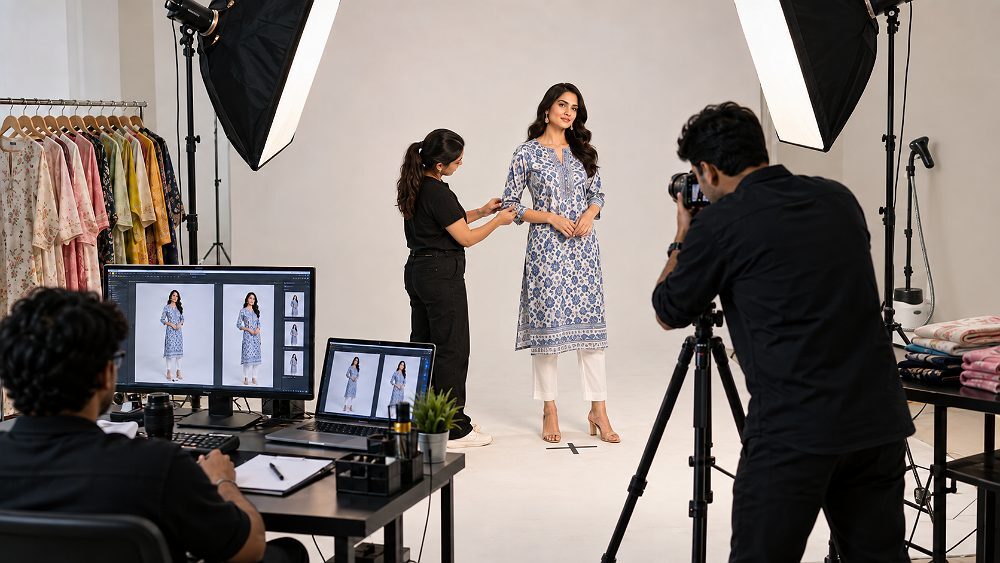
Every SKU is unpacked, steamed, tagged with its listing code and racked in the exact order it will be photographed. Continuity sheet pinned. Model brief printed. Lighting pre-set from the previous day’s calibration. Studio floor taped for the model’s standing mark.
Confirm the fit on garment #1 before locking the styling for the day. Adjust hair, makeup and accessories to the continuity sheet. Any final fit corrections are made here, not mid-shoot — a fit change three hours in costs the whole schedule.
Camera on tripod at fixed height. Focal length locked. Aperture, shutter and ISO locked to consistent exposure. Framing test on garment #1 — crop, top margin, foot margin, background sweep. Once locked, nothing moves for the rest of the day.
Front hero, relaxed front, three-quarter, side, back — in that order, for every SKU. These Myntra photoshoot poses are the non-negotiable catalogue core. Only after all five are captured cleanly does the model move to creative frames.
Close-ups for neckline, sleeve, embroidery, print, closures and any signature construction detail. Then the controlled movement and styled editorial frame. Detail frames are shot at the same eye-level height but with a longer focal length or a physical camera step-in.
Two minutes on the tethered monitor. All five core views captured. No wrinkle. No hair in the neckline. No missing detail frame. Colour reads correctly on the reference monitor. Only then does the model move to the next SKU.
Post-production removes background dust, evens exposure, corrects colour and cleans stray threads. It does not slim the model, remove natural fabric texture or reshape the garment. Every retouched frame is compared to the reference on-set capture before delivery. See our image optimization guide for compression and export rules.
Almost every reshoot request Ckstudio has ever received traces back to one of the twelve mistakes below. Building the shoot around avoiding them is faster and cheaper than reshooting. Cross-reference our broader returns-reduction guide to understand how these mistakes hit downstream business metrics.
Five minutes per SKU is the cheapest insurance in ecommerce photography. Pull up every frame on the tethered monitor and walk through this Myntra model shoot checklist: are all five core catalogue views captured, is the garment wrinkle-free in every frame, is the neckline visible, are the sleeves visible end-to-end, is the crop matching the previous SKU, is the colour reading true on the reference, are detail frames captured, and is the movement frame in focus. If anything fails, reshoot before the model changes — not after the shoot wraps. This one habit alone cuts our post-shoot reshoot rate by more than 80%.
The final budget for a Myntra model shoot in Delhi NCR is driven by production scope rather than a fixed per-image rate. Two identical SKU counts can vary dramatically in cost based on how many models, how many looks per model, and how detailed the retouching brief is. Our India-wide pricing guide and ecommerce photography pricing guide give broader context; the section below focuses on Myntra-specific budgeting.
The largest levers are: number of SKUs (drives model hours and studio hours), model fee and number of models (single model vs coordinated multi-model shoot), studio duration (half-day, full-day, multi-day), makeup and hair, stylist requirement, number of final images per SKU, retouching complexity, whether short-form video is added, and turnaround expectations — a 3-day turnaround costs more than a 10-day turnaround because it locks post-production capacity. Add-ons like on-model 360-degree frames or UGC video for the same SKUs also shift the total.
Below is the package structure Ckstudio typically recommends. Actual pricing is shared after understanding SKU count, category and delivery scope — call +91-8700258773 or email [email protected] for a written quote.
| Package | Best For | SKU Volume | Included Scope | Price |
|---|---|---|---|---|
| Basic | Small / new sellers | Low SKU count | Core catalogue shoot, 4-5 frames per SKU | On request |
| Standard | Growing D2C brands | Medium SKU count | Model + catalogue + detail frames, standard retouching | On request |
| Premium | Established fashion brands | Larger catalogue | Expanded poses + styling + priority production | On request |
| Enterprise | Manufacturers / high-volume sellers | Bulk / custom | Custom model, studio and production workflow | Custom Quote |
An in-house apparel photography setup is feasible up to a point — usually 20-30 SKUs a month with limited category variety. Beyond that, the coordination cost of model booking, styling, consistent lighting and repeatable QC starts to eat into the seller’s time and margin. A dedicated professional Myntra model photography studio like Ckstudio makes sense when SKU volumes cross 50 per month, when consistency across seasons matters, when the catalogue spans multiple garment families, when a fast repeatable workflow is needed to hit weekly listing targets, and when the seller wants to reduce reshoot risk to near-zero. Delhi NCR sellers additionally benefit from proximity — garment collection, sample QC and final delivery all happen in the same city. Talk to Prince at +91-8700258773 or over WhatsApp to plan your next Myntra apparel photoshoot.
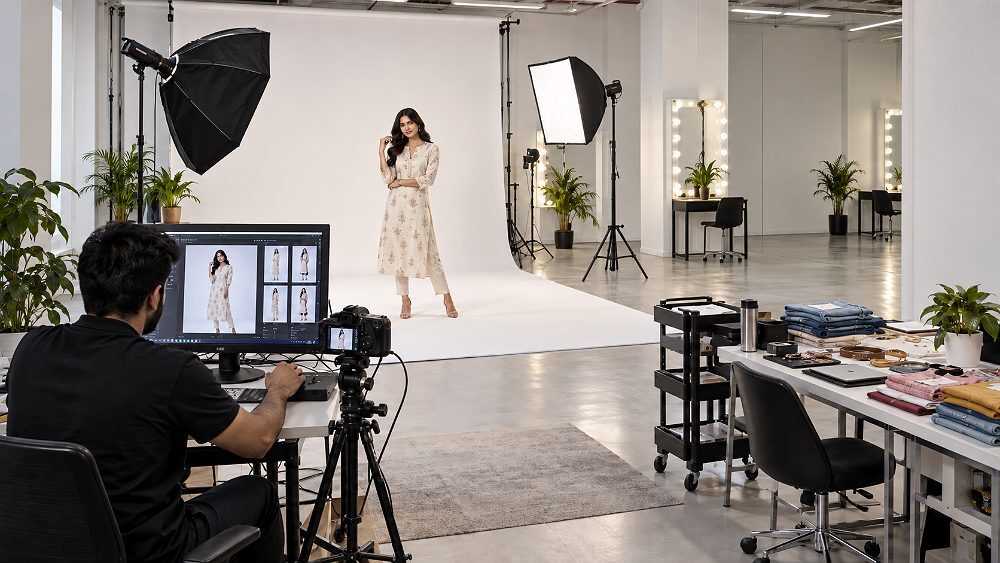
Every Ckstudio apparel shoot runs on a physical checklist that is filled in per SKU on the studio floor. The checklist covers garment steaming status, SKU identification against the listing sheet, styling continuity against the reference board, model position and standing-mark alignment, camera height reading on the tripod, crop consistency against a reference frame, product-colour accuracy on the reference monitor, all mandatory catalogue views captured, at least one detail frame captured per unique construction feature, on-set QC signature by the shoot lead, file naming and folder structure logged, and retouch consistency verified against the on-set reference in post. On a recent 100-SKU apparel catalogue production for a Delhi NCR D2C brand, this checklist and a repeatable pose sequence reduced total reshoots at delivery to a very small fraction of the catalogue — and Prince has used the same workflow across kurta, dress, denim and saree productions for the last several years. If you are planning a serious catalogue shoot, this level of production discipline is what you are actually paying for.
Practical answers to the questions apparel sellers ask most often when planning a Myntra Model Photoshoot for the first time or scaling to a larger catalogue.
The best Myntra model photoshoot poses are product-focused poses that clearly show garment fit, silhouette and construction. Start with straight front, three-quarter front, side and back views, then add controlled movement and detail-oriented poses without allowing hands, accessories or dramatic body angles to hide the clothing.
Use a consistent eye-level full-length angle for primary catalogue views, supported by front, three-quarter, side and back perspectives. Detail close-ups can then show fabric, embroidery, buttons, neckline, pockets or construction. Consistent camera height and distance help the complete catalogue look professional.
Clothing should be steamed, correctly fitted and styled so the listed product remains the visual priority. Keep accessories controlled, check collars, sleeves, hems and closures between shots, and maintain consistent hair, makeup and styling throughout each SKU sequence.
A practical Myntra model photography shot list should include front, three-quarter, side and back views, key garment details and at least one controlled movement or styled frame where appropriate. The exact final sequence should also follow the current requirements for the seller’s specific Myntra category.
The cost depends on SKU quantity, model fees, studio time, styling, makeup, number of final images, retouching and turnaround time. High-volume catalogues are usually planned around a repeatable per-SKU workflow, while smaller fashion brands may choose a half-day or full-day production package.
Talk to Prince about SKUs, models, styling and turnaround. Ckstudio’s Delhi NCR studio is set up for high-volume fashion catalogue production.
Call Prince: +91-8700258773 [email protected]