
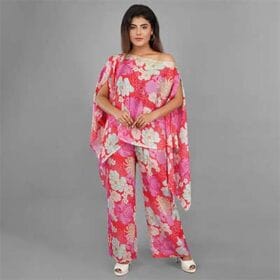
Fashion Photography Services
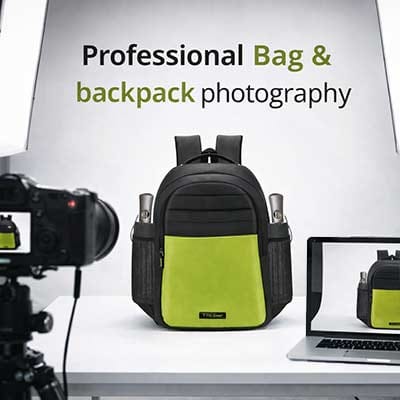
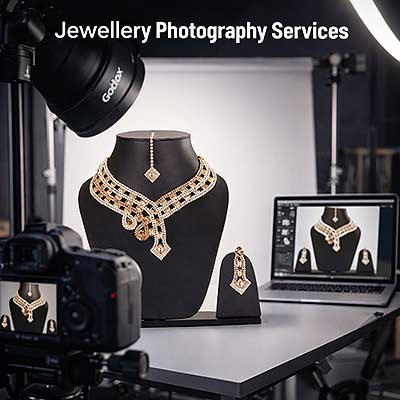
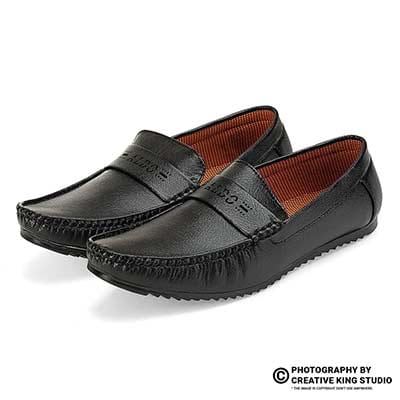
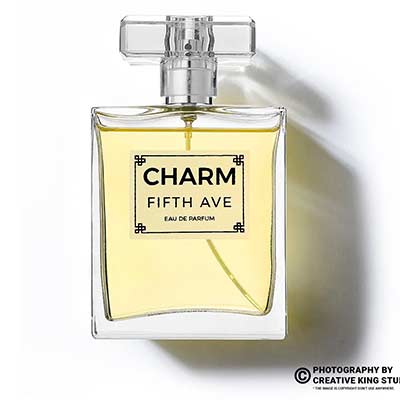
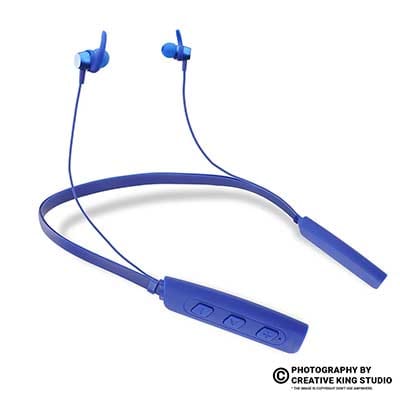
E-commerce Photography
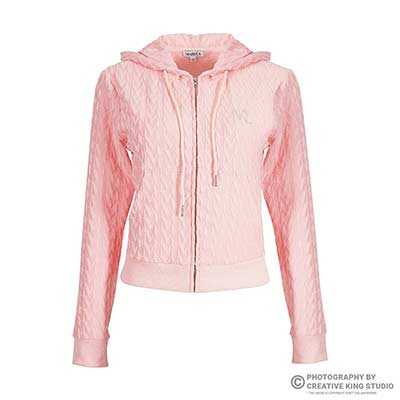
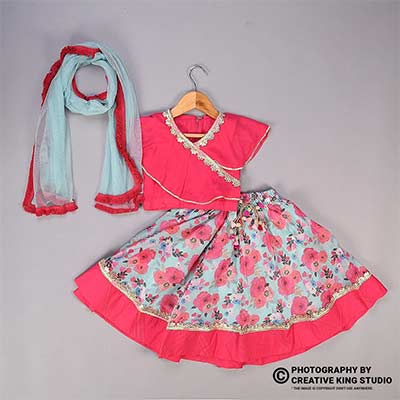
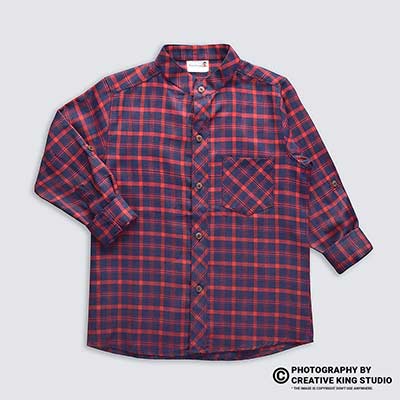
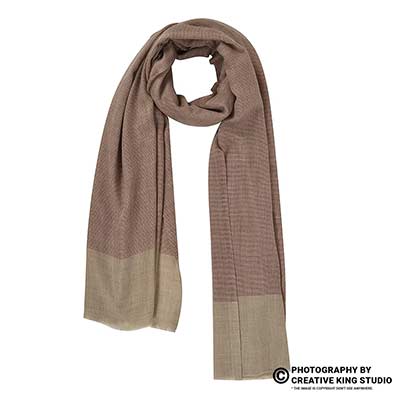
Everything D2C founders, Amazon sellers, Shopify stores and marketplace brands need to know about Ecommerce Photography Services — from types and pricing to marketplace compliance, workflow, and the 2026 trends already reshaping how buyers shop online.
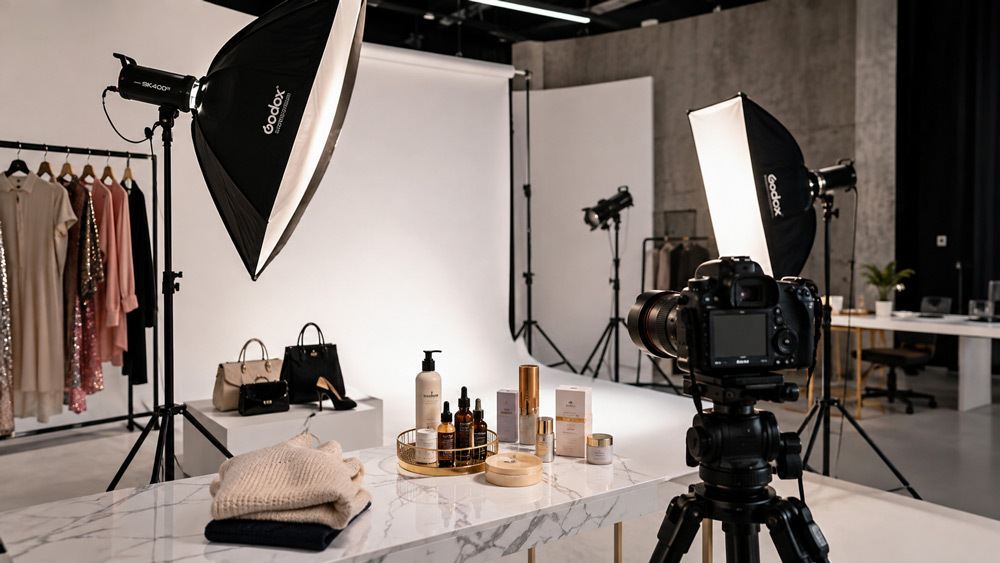
India’s ecommerce economy is now a visual economy. In 2026, shoppers are deciding in under 3 seconds whether your product is worth their tap — and that decision is made almost entirely on the image. This is why Ecommerce Photography Services have quietly become one of the highest-ROI investments a brand can make. At Ckstudio, our team led by Prince has spent 9+ years watching this shift happen SKU by SKU, marketplace by marketplace. This complete 2026 pillar guide covers what these services actually include, real India pricing benchmarks, the 8 core photography types your catalogue needs, marketplace-specific compliance for Amazon, Flipkart, Myntra and Meesho, and the workflow, trends and mistakes every founder should know before signing a photography contract.
Ecommerce Photography Services are end-to-end product image and video production solutions purpose-built for online selling — from white background listing shots to model, lifestyle, 360° and video content optimised for marketplaces and D2C sites. Unlike generic product photography, ecommerce photography is measured against marketplace guidelines, conversion metrics, and file specifications rather than pure aesthetics.
Quick definition: Ecommerce Photography Services combine studio shooting, styling, art direction, and post-production into a single deliverable pipeline that produces upload-ready images and videos for Amazon, Flipkart, Myntra, Meesho, Ajio, Shopify and D2C storefronts.
According to Shopify’s commerce data, roughly 93% of online buyers say visuals are the decisive factor at checkout. That statistic hasn’t softened in 2026 — it’s grown, because AI feeds now surface images before descriptions. A proper ecommerce photography partner handles everything from SKU intake to final export, including background removal, colour correction, ghost mannequin editing, model direction, and file formatting for each marketplace’s specifications.
The difference between regular product photography and ecommerce photography is intent. Regular product photography optimises for a single brand story. Ecommerce photography optimises for hundreds of parallel listings, each competing for a tap, each governed by a strict spec sheet. That’s why brands increasingly hire specialised ecommerce photography companies instead of generalist studios.
Rising customer acquisition costs, marketplace saturation, and AI-driven discovery have pushed product imagery to the top of every ecommerce ROI stack in 2026. When paid ads cost more per click and shoppers are trained to swipe past average visuals in a fraction of a second, the hero image becomes the single most important marketing asset a brand owns. This is exactly why our team at Ckstudio sees an uptick in reshoot requests from established brands who had “acceptable” catalogues just a year ago.
A 2026 buyer journey now looks something like this — Instagram Reel discovery, Google image tab check, Amazon comparison, then final purchase. Every one of those steps is visual first. Brands still relying on smartphone-shot catalogue images are burning ad budget to send traffic to weak destinations. Investing in professional product photography to increase ecommerce sales is the fastest fix for wasted ad spend that most founders have on the table.
The math on professional ecommerce photography is simple and often surprising. A brand spending ₹50,000 monthly on Meta and Google ads with a 2% conversion rate is leaving significant revenue on the table if the destination visuals are weak. Improving hero images typically lifts CTR by 20–35% and conversion by 15–25% — a compounding gain that pays for the shoot within weeks. This isn’t a Ckstudio claim; it mirrors what every serious performance marketer already reports. For a deeper breakdown see our guide on how product photography improves conversions on Amazon and Flipkart.
Weak visuals kill trust before a shopper reads a single word. Common signs include yellowish white backgrounds that break marketplace compliance, inconsistent shadows across a category, mannequin creases that make garments look damaged, and lifestyle images that don’t match the D2C brand promise. These issues quietly push return rates upward — a problem we tackle in detail in our post on reducing returns on Flipkart and Amazon with better product images.
Before we dive deeper, it helps to understand who benefits most from a professional ecommerce photography partner in 2026 — because the intent behind hiring differs wildly across brand stages.
A modern catalogue is not a single style of image — it’s a system of eight complementary content types, each answering a different question in the buyer’s mind. The most successful D2C brands treat these as a checklist rather than a menu. A shoe brand needs 360°, an apparel brand needs ghost mannequin plus model, a cosmetics label needs lifestyle plus infographic, and everyone needs at least one form of video. Skipping any of these leaves a specific stage of the buyer journey unsupported.

White background product photography is the baseline requirement for every marketplace listing. It isolates the product against a pure white cyclorama (RGB 255/255/255), removes visual noise, and satisfies the strict image compliance rules of Amazon and Flipkart. This is where 80% of your catalogue budget usually lives.
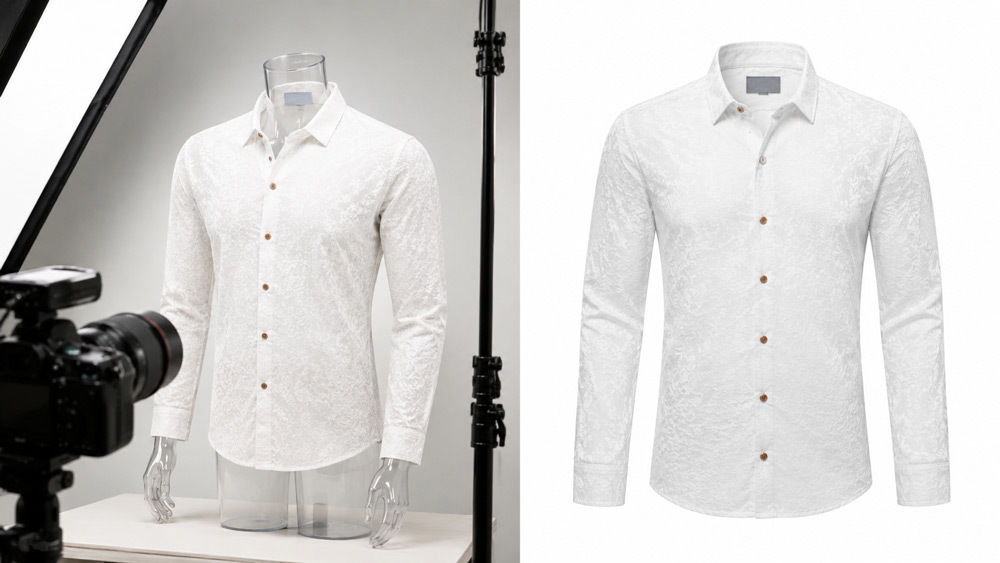
Ghost mannequin — sometimes called invisible mannequin — shows the garment’s shape without a model or visible dressform. It’s the marketplace standard for apparel because it lets shoppers see fit, drape, and interior details like collars and linings. Our ghost mannequin photography service is one of the highest volume workflows at the studio; if you want the deep-dive on this technique, read our ghost mannequin photography for ecommerce guide and the practical editing workflow post.
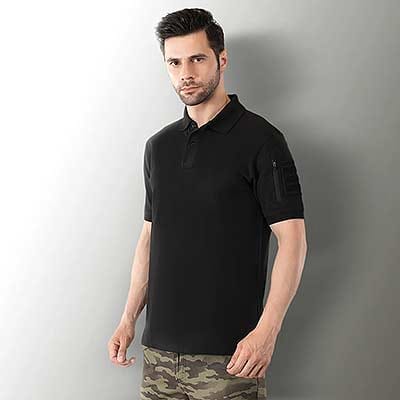
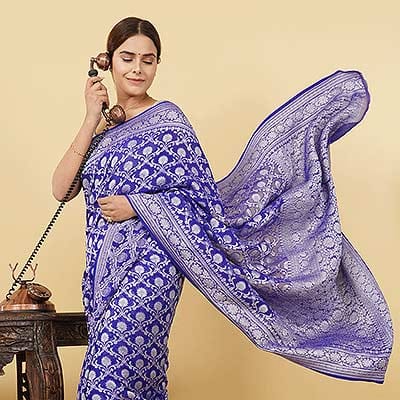
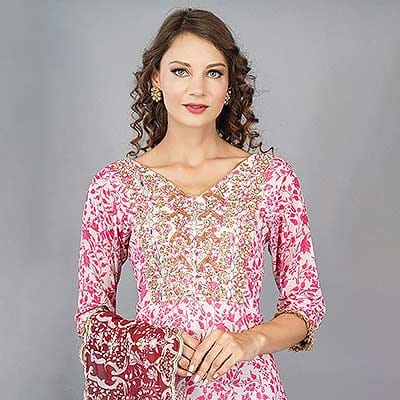
Model shots humanise a product and dramatically outperform flat catalogue images on D2C sites and social ads. A well-planned model photoshoot in Delhi combined with a lookbook photography set typically gives a fashion brand 60–90 usable frames per model day. Founders looking to prepare wardrobes correctly should also read our post on how to prepare garments for an ecommerce model photoshoot.
Interactive 360 degree product photography is now standard on Amazon A+ modules and increasingly common on premium D2C sites. It lets shoppers spin the product themselves — a proven trust builder for footwear, watches, jewellery and electronics where texture and finish matter.
Flat lay photography is the workhorse of Instagram, gift guides, and category pages. Styled shots position the product inside a mood — think cosmetics on marble, jewellery on velvet, or homeware inside a curated tabletop scene — and are especially strong for Instagram product photography campaigns.
Video is no longer optional. Reels, product demos, unboxing shorts and looping GIFs are now core deliverables in every ecommerce shoot brief. Ckstudio runs both traditional video production and creator-driven UGC video creation for ecommerce. Brands weighing production models should read our comparison of studio-backed UGC vs freelance creator UGC ROI and the newer 2026 UGC trends piece.
AI has become a real category — mostly for background swaps, upscaling and mass retouching. It has genuine speed advantages, but it isn’t a replacement for a real shoot. Our detailed analysis of real photography vs AI-generated product images shows exactly where each tool wins and where AI still causes marketplace rejections. Our position at Ckstudio is clear: use AI to accelerate post-production, but never to fabricate the hero shot.
Infographic and A+ content photography converts the mid-scroll shopper. These are the callout-style images that highlight material, size, unique features and warranty inside a listing. In 2026 they’re often the single biggest lift lever on an underperforming Amazon ASIN.
If you can only invest in three types this quarter, choose white background + ghost mannequin (or model) + one lifestyle set. That trio covers marketplace compliance, D2C storytelling, and social — the smallest possible catalogue that still competes seriously in 2026.
The single biggest source of image rejection isn’t quality — it’s spec mismatch. Every marketplace enforces its own rules on background colour, resolution, model policies, and file formats. Skipping this alignment is why brands get suppressed listings, and it’s the exact reason we build every shoot brief around the target platform first, aesthetic second.
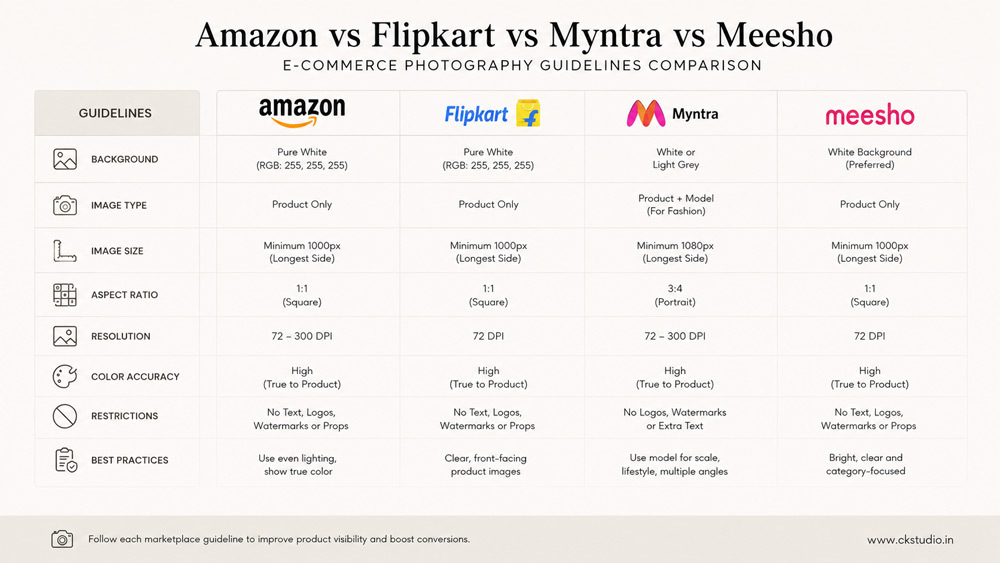
| Marketplace | Min Resolution | Background | Model Allowed | File Format |
|---|---|---|---|---|
| Amazon India | 1600 px longest side | Pure white (255/255/255) | Only for apparel & accessories | JPEG |
| Flipkart | 1500×1500 px | Pure white | Yes, apparel + accessories | JPEG / PNG |
| Myntra | 1080×1440 px | Lifestyle backdrops allowed | Yes, mandatory for apparel | JPEG |
| Ajio | 1080×1440 px | Neutral / lifestyle | Yes, mandatory | JPEG |
| Meesho | 1200×1200 px | White or clean neutral | Yes, allowed | JPEG |
| Shopify (D2C) | 2048×2048 px (recommended) | Flexible per brand | Fully flexible | JPEG / PNG / WebP |
Amazon’s rules are the strictest and most consequential — a non-compliant main image can suppress an entire listing. The main image must be pure white background, cover 85% of the frame, and contain only the product with no props, watermarks, or lifestyle elements. Our full breakdown lives in the complete Amazon seller’s photography guide for 2026.
Flipkart mirrors Amazon on the main image but is more lenient on secondary images. Sellers frequently trip up on model shots — Flipkart allows them for apparel but disallows props in the primary frame. New sellers should bookmark our Flipkart photography guidelines beginner’s guide.
Myntra and Ajio are model-first marketplaces — flat catalogue images alone will simply not perform there. Both platforms expect standing model frames, moderate lifestyle backdrops, and consistent lighting across a collection. If you’re selling apparel there, budget for at least one model day per collection drop. See also the Ajio seller image guidelines for 2026.
Meesho leans reseller-friendly and accepts more lifestyle imagery than Amazon — a full playbook for beginners is in our Meesho photography beginner’s guide. Shopify D2C stores are the freest of all — brands can build fully editorial catalogues, though a strong hero-image discipline still applies for paid ads.
A common founder question — “What am I actually paying for?” — deserves a transparent answer. A professional ecommerce photography engagement is a four-stage pipeline, not a shoot day. Skipping stages is exactly why cheap freelance quotes eventually cost more once reshoots, edits, and marketplace rejections stack up. Ckstudio runs every project through this same four-stage system.
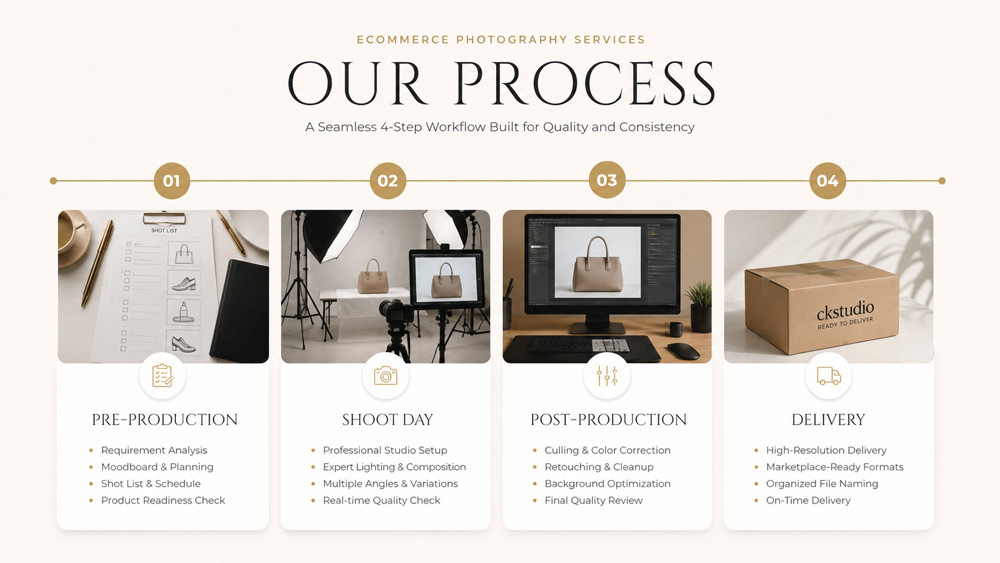
SKU list finalisation, marketplace targeting, moodboard alignment, prop and background sourcing, model casting (if applicable), and shoot brief sign-off. This stage prevents 90% of on-set problems.
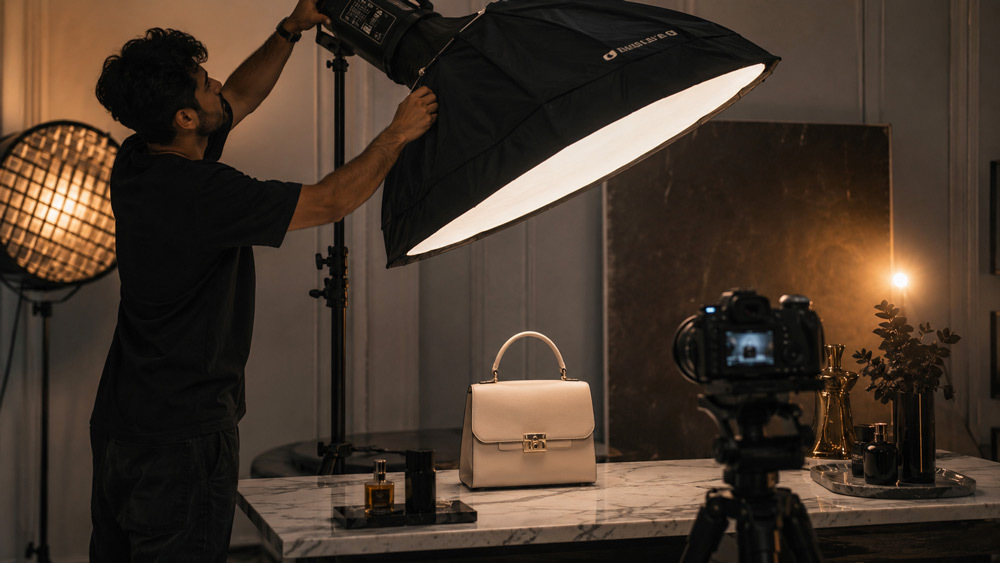
Products are received, checked and prepped. The photographer sets lighting per category — soft strip softboxes for garments, controlled reflectors for jewellery, macro rigs for cosmetics. Every SKU is shot in the pre-agreed angle set. Clients receive a live shoot day update from our team so no surprises land at delivery. If you want to see this in action, our post on the behind the scenes of product photography walks through a real Ckstudio shoot day.
Background clean-up, colour correction, shadow work, dust and blemish removal, ghost mannequin joining, and marketplace-specific exports. This is where our team includes a dedicated image editing services pass rather than treating it as an add-on.
Delivery happens via Google Drive or WeTransfer with separate folders per SKU and per marketplace. Each folder contains high-resolution masters plus platform-optimised exports — no back-and-forth on file specs.
Pricing is the section every founder scrolls to first — so let’s be transparent. Indian Ecommerce Photography Services pricing depends on category, volume, angle count, model requirement, and editing complexity. Below is the honest 2026 benchmark you should expect from any credible studio in Delhi NCR or a metro city. For city-specific comparisons see our detailed posts on product photography cost in Delhi, Mumbai pricing, and the transparent 2026 rate card in our India product photography pricing guide.
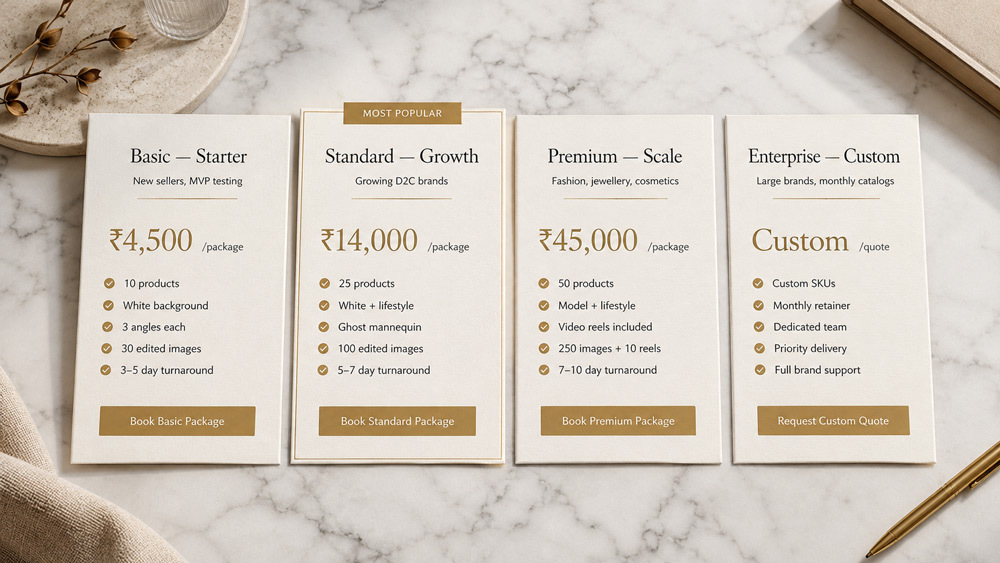
New sellers, MVP testing
₹4,500/packageGrowing D2C brands
₹14,000/packageFashion, jewellery, cosmetics
₹45,000/packageLarge brands, monthly catalogs
Custom/quotePer-product rates typically range from ₹150 for a basic white background shot (single angle) to ₹450 for a multi-angle set with ghost mannequin. Jewellery, cosmetics and watches sit at a premium of ₹300–₹800 per SKU due to macro and reflection work. See our specialised jewellery photography cost guide for India 2026 for a granular breakdown.
Package pricing gives you the best per-image economics. A 100-image package typically works out 20–30% cheaper than the equivalent per-product bill. This is where most growing D2C brands land and why our Standard package is the most requested tier at Ckstudio.
Established brands with continuous SKU launches move to monthly retainers — a fixed team, priority calendar, and locked per-image rate. Retainers cut costs by another 15–25% and eliminate scheduling anxiety before big campaign windows.
Six variables move the number: category complexity, angle count, model requirement, ghost mannequin need, video component, and turnaround urgency. If you’re planning to scale from a small catalogue to hundreds of SKUs, our post on scaling product photography from 50 to 500 SKUs is essential reading.
Book a free 15-minute consultation with Prince and get an honest audit of your current catalogue — no pitch, just findings.
Choosing an ecommerce photography partner is a business decision, not a creative one. The wrong partner shows up as missed launch dates, marketplace rejections, and quiet catalogue drift. Use these four evaluation criteria — the same ones we recommend to founders even when they don’t hire Ckstudio. For a deeper local perspective, our post on how to choose the best product photography studio in Delhi NCR covers the shortlist process end to end.
Ask to see catalogues from brands in your exact category. A studio strong on jewellery may be weak on garments; a fashion specialist may struggle with electronics reflections. Portfolio depth in your niche matters more than aesthetic beauty in someone else’s.
Nail down the turnaround SLA in writing — 5 days for 100 images is realistic; anyone promising 24 hours is either overcharging or under-delivering. Also test whether they can double the volume during a peak campaign window.
Ask for 3 raw shots plus their retouched finals. Look for clean edges on cut-outs, natural shadow work, and colour consistency. This single test filters out 80% of unreliable studios.
A named account manager, WhatsApp updates through the shoot day, and a clear revisions policy (usually 1–2 rounds included) separate a professional service from a freelance gamble.
Three trends are actively rewriting how brands invest in ecommerce content this year. Founders who ignore them will pay more for weaker performance by Q4. We track these closely at Ckstudio because they change our own workflow and pricing structure every quarter.
AI has moved from novelty to production tool. Background generation, upscaling, model swaps and mass retouching are now genuinely useful — but as we explain in our AI vs traditional ghost mannequin comparison, AI-only images still get rejected at scale by marketplace compliance teams. The 2026 winning workflow is shoot real, edit smart with AI.
Product Reels, unboxing shorts and looping GIFs are outperforming static images for the first time in ad performance history. Founders should read our UGC videos vs brand videos comparison across marketplaces before allocating budget between the two.
Buyers now check for sustainable brand signals — including in the way products are shot. Reusable props, recyclable packaging in lifestyle shots, and a documented low-waste workflow have become legitimate purchasing signals in 2026.
Try-on tools, 360° spins, hover-zoom galleries, and shoppable Reels demand a new kind of source content. Brands filming for personalisation upfront save huge amounts on retrofits later.
Nine years of production has surfaced the same avoidable mistakes across almost every category — worth naming clearly so you can dodge them.
Ckstudio is a Delhi NCR based ecommerce photography studio led by Prince — a 9+ year veteran of Indian ecommerce imaging. We work with D2C brands, marketplace sellers, export houses, and export-first labels, delivering the full production pipeline under one roof. From studio setup to marketplace-ready exports, the goal is simple — remove every friction point between your SKU list and a live, converting listing. You can see our full portfolio and read brand case studies for real project outcomes.
The full Ckstudio catalogue covers ecommerce photography services, garment photoshoots, fashion photography, jewellery photography, footwear photography, beauty and cosmetic photography, lifestyle product photography, and specialised watch photography. For services beyond ecommerce we also handle industrial photography and commercial photography services from the same Delhi studio.
Our client base spans D2C fashion labels, jewellery brands, cosmetics startups, home and kitchen brands, electronics sellers, handicraft export houses, and industrial manufacturers. Specialist categories include bags and handbag photography, kitchen products, handicrafts, furniture, and mobile accessories.
A recent Ckstudio D2C apparel client saw a 2.8× improvement in Amazon CTR within 30 days of a full catalogue reshoot. A Myntra fashion brand cleared six months of persistent image rejections after switching to our ghost mannequin workflow — a common pattern documented further in our post on ghost mannequin photography benefits for ecommerce ROI. Founders comparing agency options should also read the detailed how-to-choose guide.
The single biggest cost saver on any shoot day is preparation. Follow this checklist and you’ll shave 30–40% off avoidable rework.
Ecommerce Photography Services are specialised product photography solutions designed for online stores, marketplaces, and D2C brands. They include white background shoots, ghost mannequin, model, 360°, and video content optimised for platforms like Amazon, Flipkart, Myntra, and Shopify.
Ecommerce photography services in India typically start at ₹150–₹300 per product for basic white background shoots and can go up to ₹2,500+ per product for model, lifestyle, or video shoots. Package deals offer better per-image economics — the Ckstudio Standard package delivers 100 edited images at roughly ₹140 per image.
Most professional ecommerce photography services deliver edited images in 3–7 business days, depending on volume and complexity. At Ckstudio, our Standard packages are delivered within 5 days including full retouching and marketplace-specific exports.
Yes. Full-service ecommerce photography services always include background removal, colour correction, shadow work, blemish removal, and marketplace-compliant file exports. Editing is not an add-on at Ckstudio — it’s standard in every package.
Ckstudio is a trusted ecommerce photography studio in Delhi NCR, serving D2C brands, Amazon sellers, and Shopify stores with end-to-end services including product, model, ghost mannequin, and video content. Call +91-8700258773 or email [email protected] for a custom quote.
For most marketplaces like Amazon, Flipkart, and Myntra, you need 5–7 images per SKU — one main white background hero, 3–4 secondary angles, one lifestyle or in-use shot, and one infographic or A+ content image.
Only partially. AI is excellent for background swaps and retouching but AI-fabricated hero images continue to face rejection risk on Amazon and Flipkart. The safest approach is a real shoot enhanced with AI in post-production.
If there’s one takeaway from this pillar guide, it’s this — your product images are no longer a design decision, they are a growth decision. In 2026 the brands winning on Amazon, Flipkart, Myntra, Ajio, Meesho and Shopify are the ones treating Ecommerce Photography Services as a core marketing investment, not a line item. Whether you’re launching your first 10 SKUs or scaling a 500-SKU catalogue, the fundamentals stay the same — clean hero images, marketplace-compliant specs, one strong lifestyle set, and a video layer for social. Prince and the Ckstudio team are here whenever your brand is ready to move.
Partner with Ckstudio — Delhi NCR’s trusted ecommerce photography studio. Get a custom quote from Prince within 24 hours.
External references — Amazon Seller Central India · Flipkart Seller Hub for the latest marketplace image compliance updates.
Ckstudio has helped 500+ Indian brands turn ecommerce photography into a growth channel. Whether you’re a new D2C launch or an established Amazon seller, Prince and the team are ready.